In export-oriented manufacturing, speed is often treated as a competitive weapon. Faster quotations, shorter lead times, quicker responses. From the outside, it can look like a constant race. But inside a factory, speed without stability creates pressure, and pressure without control eventually shows up as quality problems.
Over the years, we learned that balancing speed and stability is not about choosing one over the other. It is about understanding where speed truly adds value and where it quietly creates risk. Export-oriented factories that last tend to move quickly in decisions, but steadily in execution.
International buyers value speed, but not in isolation. A fast quotation that leads to delays later quickly loses meaning. In practice, buyers are judging how speed behaves under pressure. Can the factory maintain delivery commitments when volumes rise? Can it respond quickly without cutting corners?
In our early years, we believed faster production schedules would automatically improve competitiveness. What we discovered was more complex. When speed was pushed into areas that required control—such as material preparation, tooling setup, or heat treatment—instability followed. Defects increased, rework became common, and internal stress rose.
At Ningbo Shengfa Hardware, the turning point came when we separated decision speed from process speed. Commercial responses needed to be fast and clear. Production processes, however, needed to be stable and repeatable. Once that distinction became clear, speed stopped being a blunt instrument and became a targeted tool.
Stability does not begin on the shop floor. It begins much earlier, in how orders are reviewed and prepared. Export-oriented factories deal with a wide range of requirements, drawings, standards, and usage environments. Rushing this stage often creates problems that no amount of downstream effort can fix.
For products involving forging, small changes in raw material batches or forming temperatures can affect grain flow and long-term strength. Forging itself is a fast process, but its reliability depends on disciplined input control. When stability is protected here, speed follows naturally.

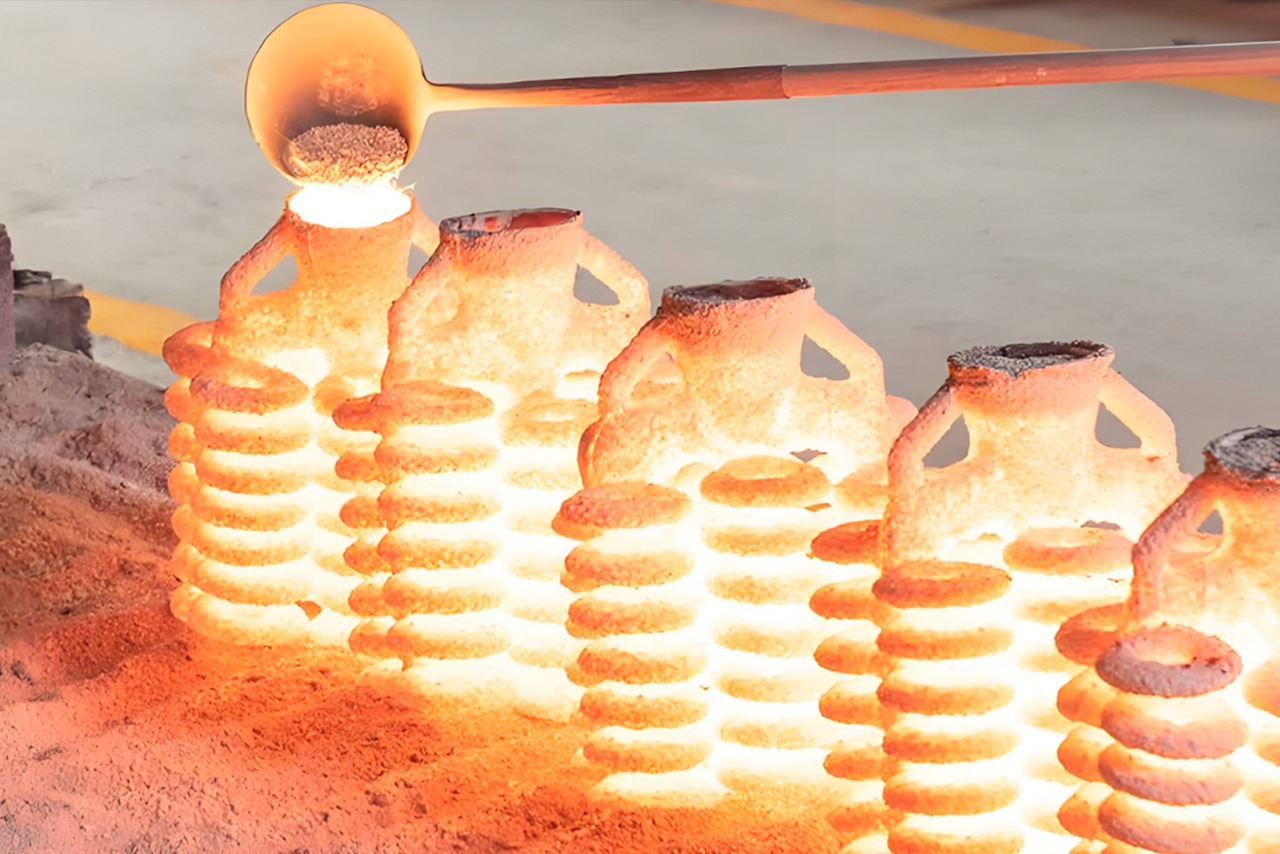
The same logic applies to investment casting. This process allows complex geometries and near-net shapes, but it is sensitive to pattern accuracy, shell quality, and cooling conditions. We learned that pushing casting schedules too aggressively often created dimensional variation that slowed everything afterward. At Ningbo Shengfa Hardware, maintaining a stable casting rhythm proved more effective than chasing short-term output gains.
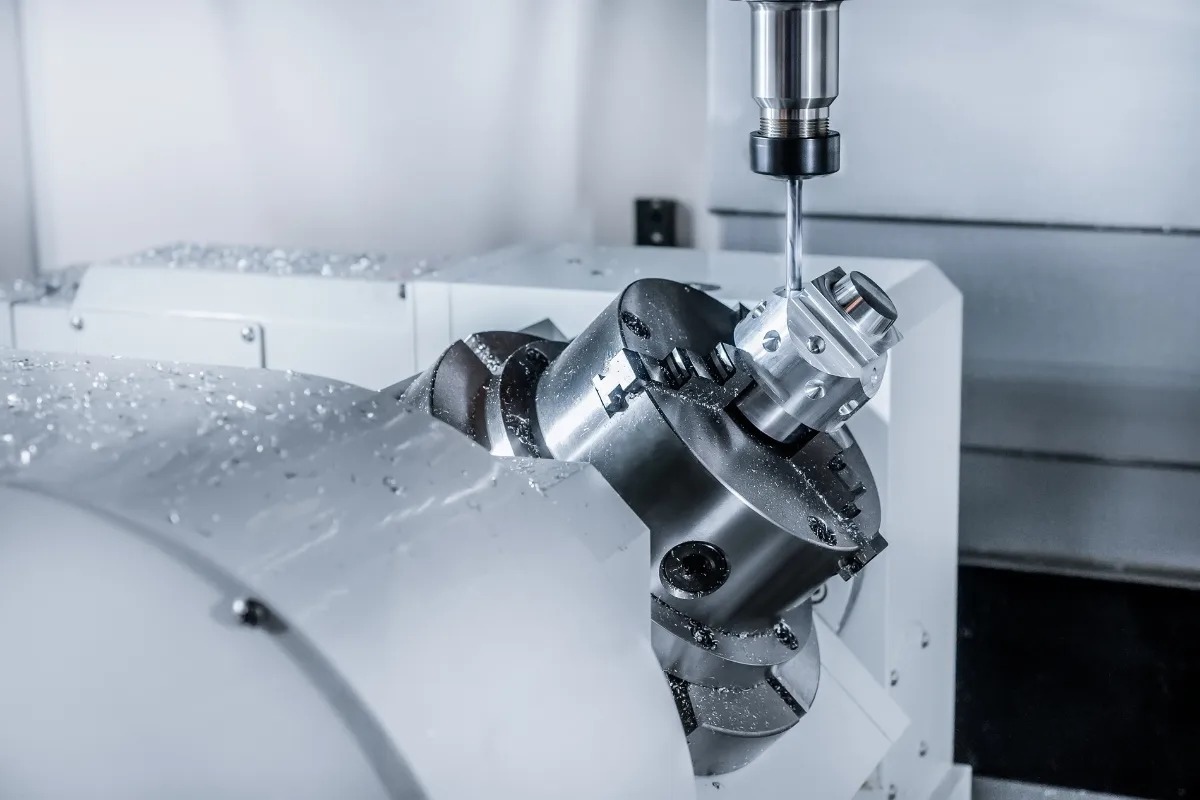
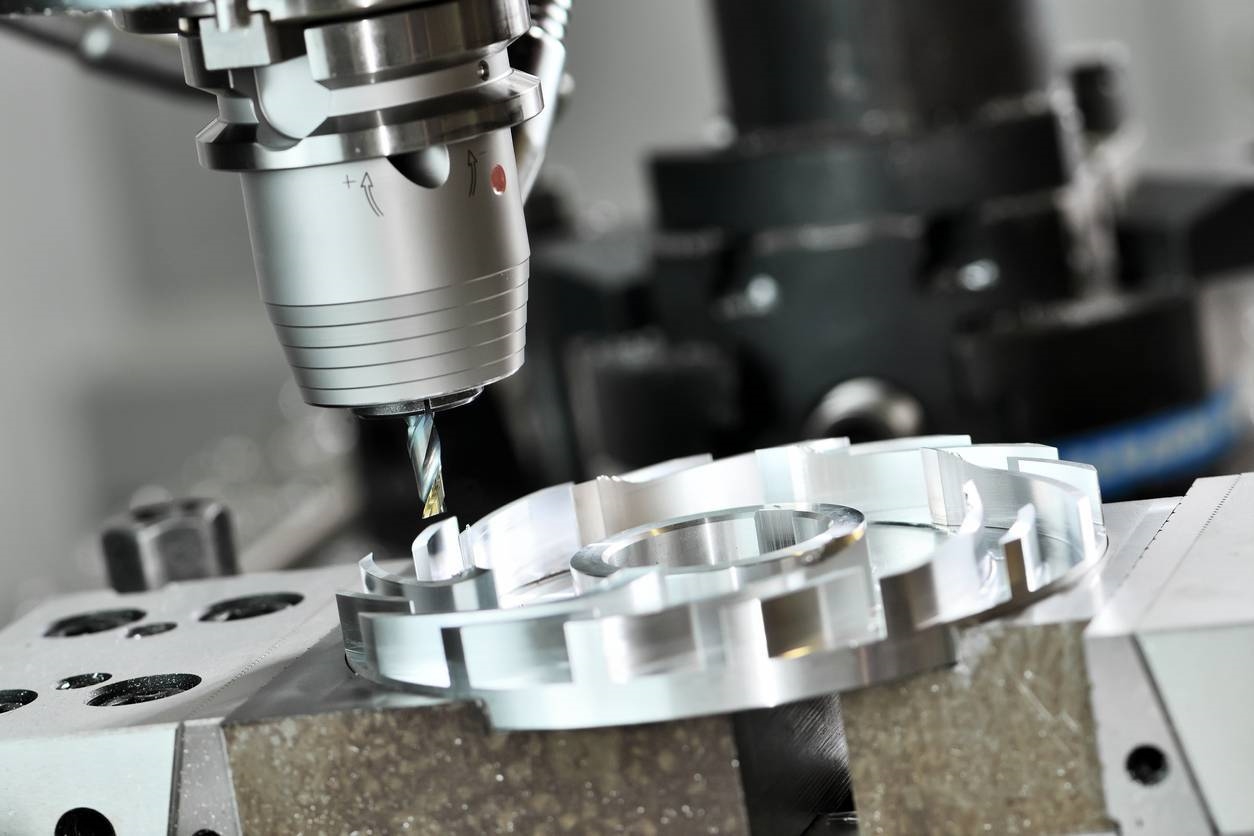
In CNC machining, speed is visible and tempting. Shorter cycle times look efficient on paper, but stability depends on tooling life, fixture repeatability, and program control. We found that slightly slower, more predictable machining often reduced overall lead time by minimizing rework, inspection delays, and unplanned stoppages.
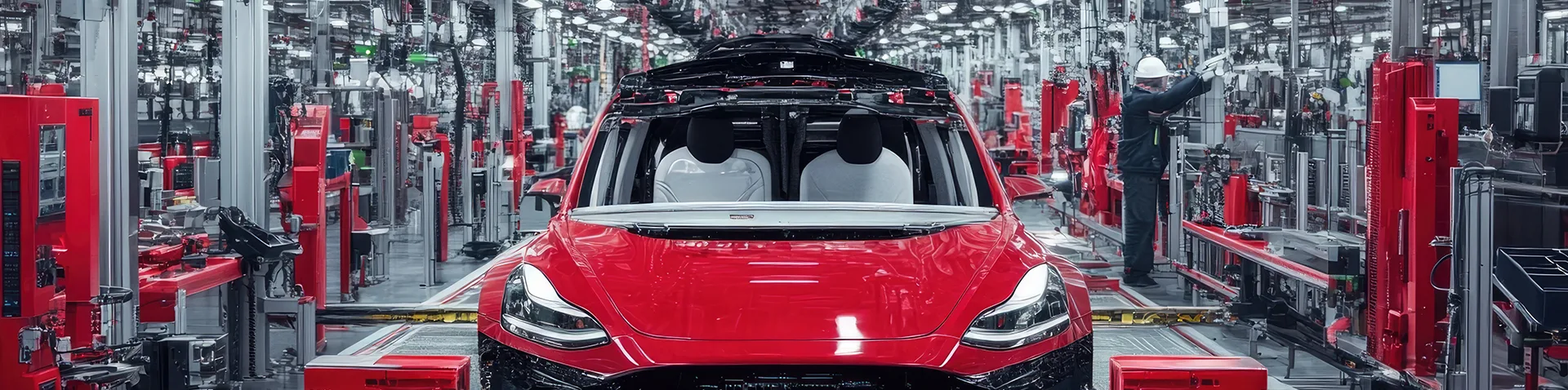
Export factories operate under constant external pressure: shipping schedules, customer deadlines, and seasonal demand fluctuations. The challenge is preventing that pressure from cascading uncontrollably through the entire production chain.
One lesson we learned is that pressure needs buffers—not just inventory buffers, but decision buffers. When every department is pushed to maximum speed simultaneously, coordination breaks down. When pressure is absorbed thoughtfully, through sequencing adjustments or capacity planning, stability is preserved.
This is especially important when multiple processes intersect. A forged component moving into CNC machining, followed by surface treatment, carries accumulated risk from each stage. Stability depends on how well these transitions are managed. Rushing one step often creates delays in the next, even if that delay is not immediately visible.
From experience at Ningbo Shengfa Hardware, export-oriented production works best when flexibility is applied selectively. Some steps allow adjustment without risk. Others require discipline and patience. Knowing the difference is what keeps speed from turning into disorder.
Paradoxically, the factories that perform fastest over time are often the most stable ones. Predictable processes allow accurate planning. Accurate planning reduces firefighting. Less firefighting frees real capacity.
International buyers sense this quickly. They notice when delivery dates remain steady across seasons. They notice when changes are communicated early instead of at the last minute. These signals indicate that speed is supported by structure rather than improvisation.
From our perspective, true export speed is cumulative. It grows as systems mature, teams gain confidence, and processes settle into reliable patterns. It is not achieved through constant acceleration, but by reducing surprises and unnecessary corrections.
In the end, balancing speed and stability is less about machines and more about judgment. Technology enables faster movement, but people decide where speed helps and where it hurts. Export-oriented factories that understand this tend to grow steadily, even as markets and demands continue to change.