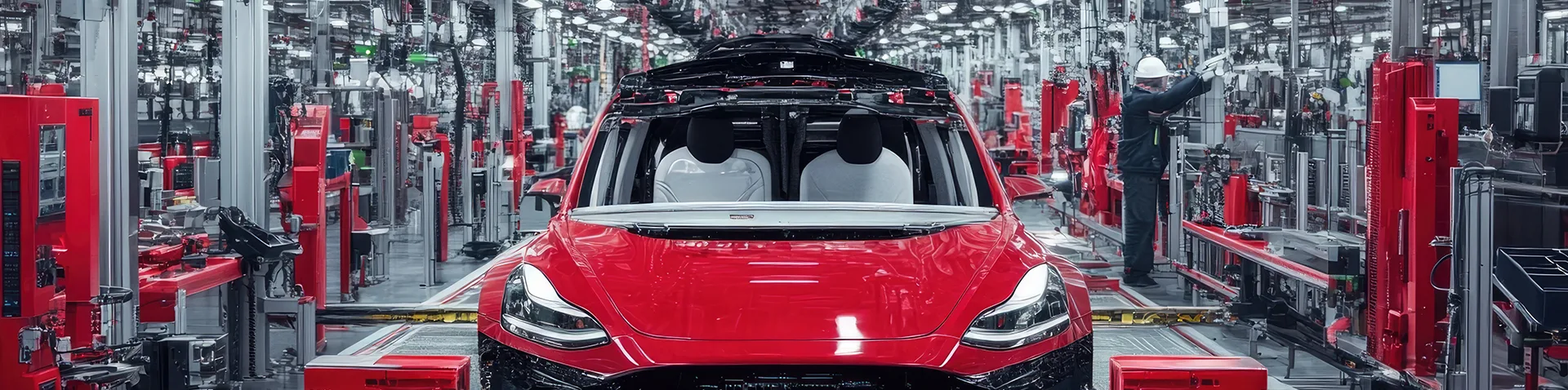
When people talk about smart manufacturing, they often imagine a clean factory filled with screens, dashboards, and automated machines making decisions on their own. The reality, at least in our experience, has been far more gradual and far more practical. Technology did not enter our factory because it sounded advanced. It entered because certain problems kept repeating, and experience alone was no longer enough to solve them consistently.
For years, hardware quality in our workshop depended heavily on people. Skilled operators could sense when something was slightly off, even before measurements confirmed it. That intuition remains valuable, but as orders grew and clients from different markets began asking for tighter tolerances and clearer traceability, we realized that relying purely on experience had limits. Smart manufacturing became less about chasing trends and more about finding a way to make quality repeatable.
There was a time when production decisions were made almost entirely on the shop floor. If a process needed adjustment, it happened immediately, based on sound, vibration, or visual cues. This approach worked well when volumes were smaller and product ranges were narrow. Everyone involved understood the process intimately.
Problems started appearing when scale increased. Two batches produced weeks apart might look identical, yet perform differently in testing. Occasionally, quality issues would surface only after products had moved downstream, making root causes difficult to trace. We spent time correcting outcomes rather than understanding origins.
That was the moment we began collecting data more seriously—not because we wanted reports, but because we needed answers. Simple things came first: recording temperatures instead of estimating them, tracking cycle times instead of assuming consistency, and linking inspection results back to specific production conditions. Once we started looking at this information over time, patterns became visible.
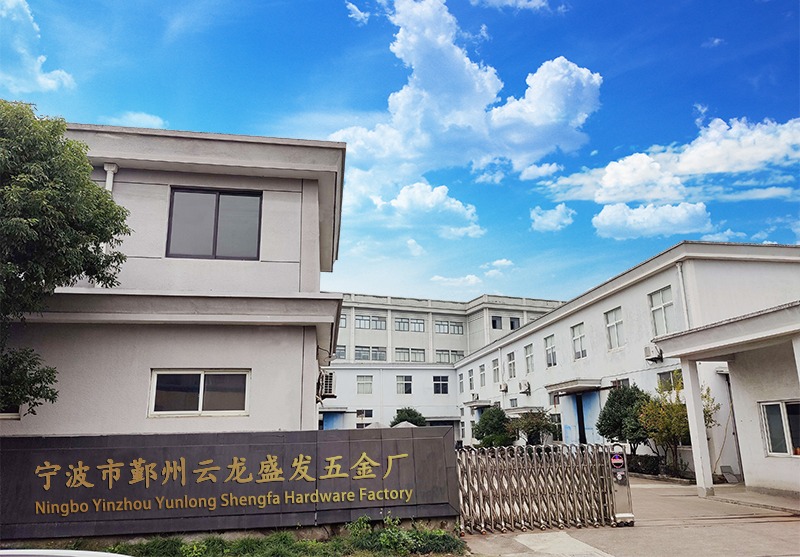
At Ningbo Shengfa Hardware, this shift changed internal conversations. Instead of asking who made a mistake, we began asking what conditions allowed it to happen. Technology did not replace experience; it gave it context. Decisions felt less reactive and more deliberate, grounded in evidence rather than memory.
One misunderstanding about smart manufacturing is that it exists mainly to increase speed. In our case, its biggest impact was stability. Hardware components live under stress. They are tightened, loosened, exposed to vibration, temperature changes, and corrosion. Small inconsistencies during production can turn into long-term performance issues once products are in use.
By monitoring critical stages such as forging pressure, machining accuracy, and heat treatment profiles, we began seeing how sensitive outcomes were to small variations. Machines that had been running for years suddenly told us more about themselves than before. Not because they changed, but because we started listening more closely.
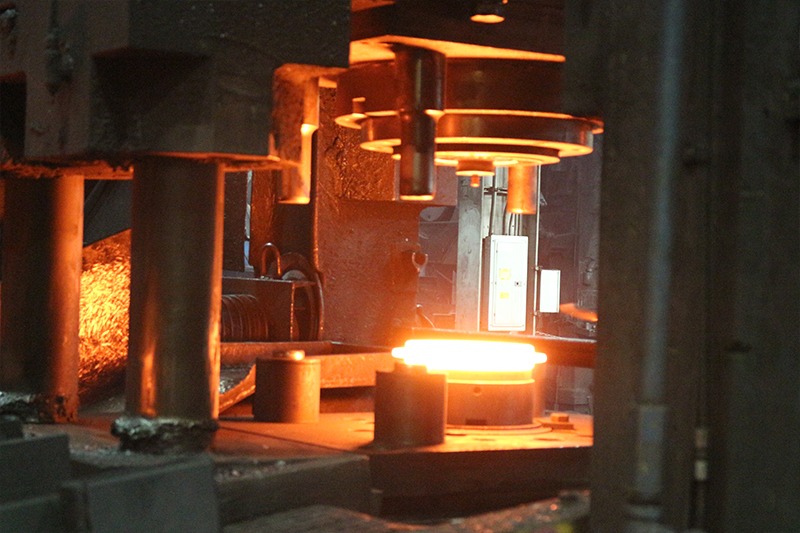
This visibility allowed us to intervene earlier. Instead of waiting for final inspection to reveal a problem, adjustments could be made mid-process. Over time, scrap rates dropped, and rework became less common. More importantly, the performance of finished hardware became more predictable.
At Ningbo Shengfa Hardware, predictability matters as much as strength. Clients rely on our fasteners and components to behave consistently across large volumes. Smart processes helped us move closer to that expectation, not by rushing production, but by making it calmer and more controlled.
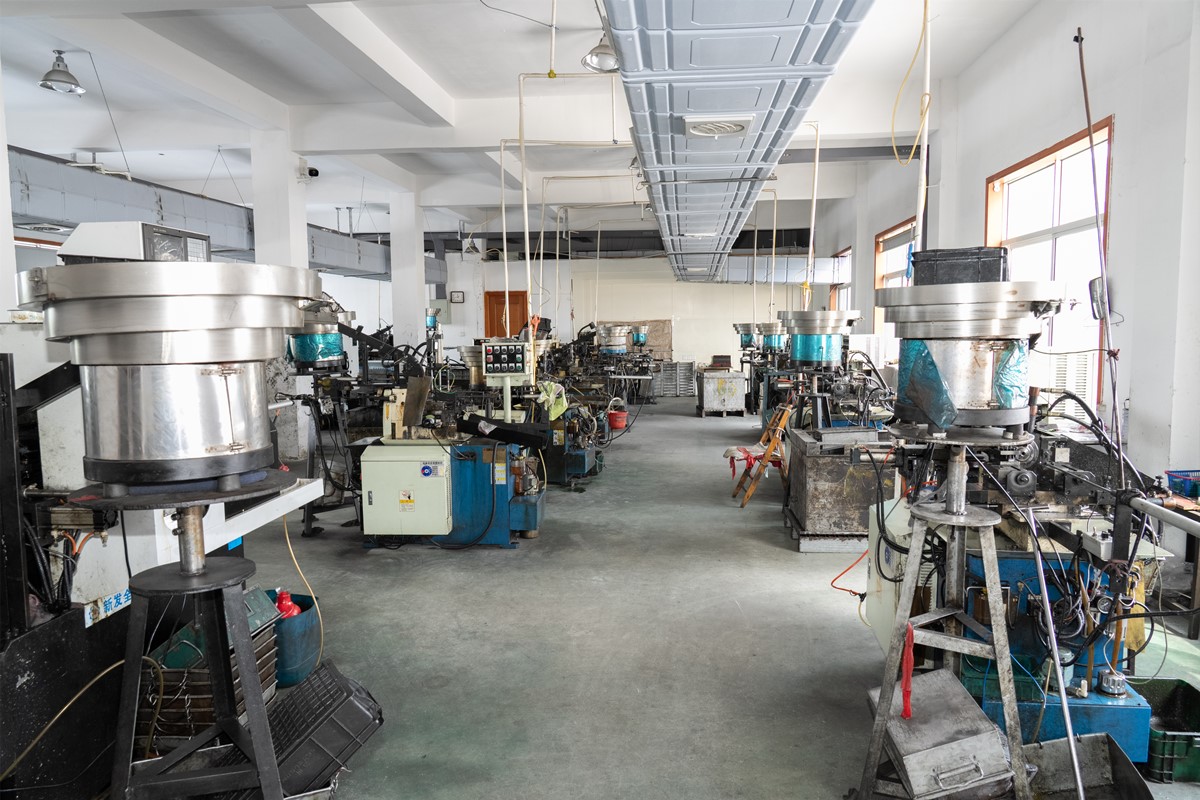
People remember what stands out. Machines remember everything. That difference matters in manufacturing. A minor deviation that seems insignificant today may explain a failure months later. Traditional quality control often captures only snapshots—pass or fail, acceptable or rejected.
As we connected inspection data with production records, quality systems became less about judgment and more about learning. We could trace trends instead of isolated incidents. A change in hardness, a shift in dimensions, or an unusual wear pattern no longer appeared random.
This also changed accountability in a positive way. Quality was no longer the final checkpoint’s responsibility alone. Engineers, operators, and managers worked from the same information. Discussions became more constructive because they were based on shared facts rather than assumptions.
For international customers, this approach brought reassurance. When questions arose, we could explain not just what standard a product met, but how it was made and monitored along the way. At Ningbo Shengfa Hardware, transparency supported by data became part of how we communicate reliability, not just claim it.
There is often concern that smart manufacturing removes people from the process. Our experience suggests the opposite. Technology reduced routine checking and repetitive recording, giving operators more space to think and react meaningfully. Instead of watching gauges constantly, they focus on process improvement and early warning signs.
Training also became more structured. New team members no longer rely solely on shadowing experienced workers. Systems provide reference points, while experienced staff add interpretation and judgment. This combination helps preserve knowledge even as teams evolve.
Smart manufacturing, for us, is not a finished transformation. It continues to develop as new challenges appear. What remains constant is our understanding of quality. It is not something discovered at the end of production. It is built step by step, supported by tools that help people work with greater clarity.
Technology did not redefine our values. It made them easier to uphold—consistently, at scale, and across borders.