In worldwide manufacturing, trust is not obtained through promotional wording or sleek pamphlets. It is achieved via systems—systems that guarantee each part operates identically on the thousandth batch as it did on the initial one. In the realm of industrial hardware, where bolts, fasteners, and forged parts need to withstand pressure, vibration, corrosion, and various unpredictable real-world conditions, quality systems serve as the unseen framework that binds everything cohesively. In this challenging environment, Ningbo Shengfa Hardware has established a reputation formed not by happenstance but by the framework of its quality standards.
Every dependable hardware product originates before any forging line warms up or any CNC machine begins machining. It starts with the unprocessed steel. Raw steel is where it all started. One of the main reasons for the size fluctuation, mechanical failure and long-term instability of hardware parts is material inconsistency. Therefore, the company 's future material inspection is regarded as the first and most important level in its quality system.
Rather than relying solely on supplier certification, our factory has made its own assessments on chemical composition, hardness measurements and microstructure standards. These measurement methods are not just technical means ; they represent the idea that real quality cannot be integrated later. Once steel is subjected to forging or machining with improper properties, no level of subsequent control can entirely rectify it. By ensuring quality is stabilized from the outset, the company guarantees that each subsequent process is based on a dependable foundation.
Thanks to this first discipline, the engineering team can predict the behavior of each steel batch during heat treatment, deformation, and surface finishing. This ability to predict performance provides a higher level of assurance in industries where customers need precise mechanical properties. It ensures that every product starts with the right material blueprint, reducing risk and preventing failure.
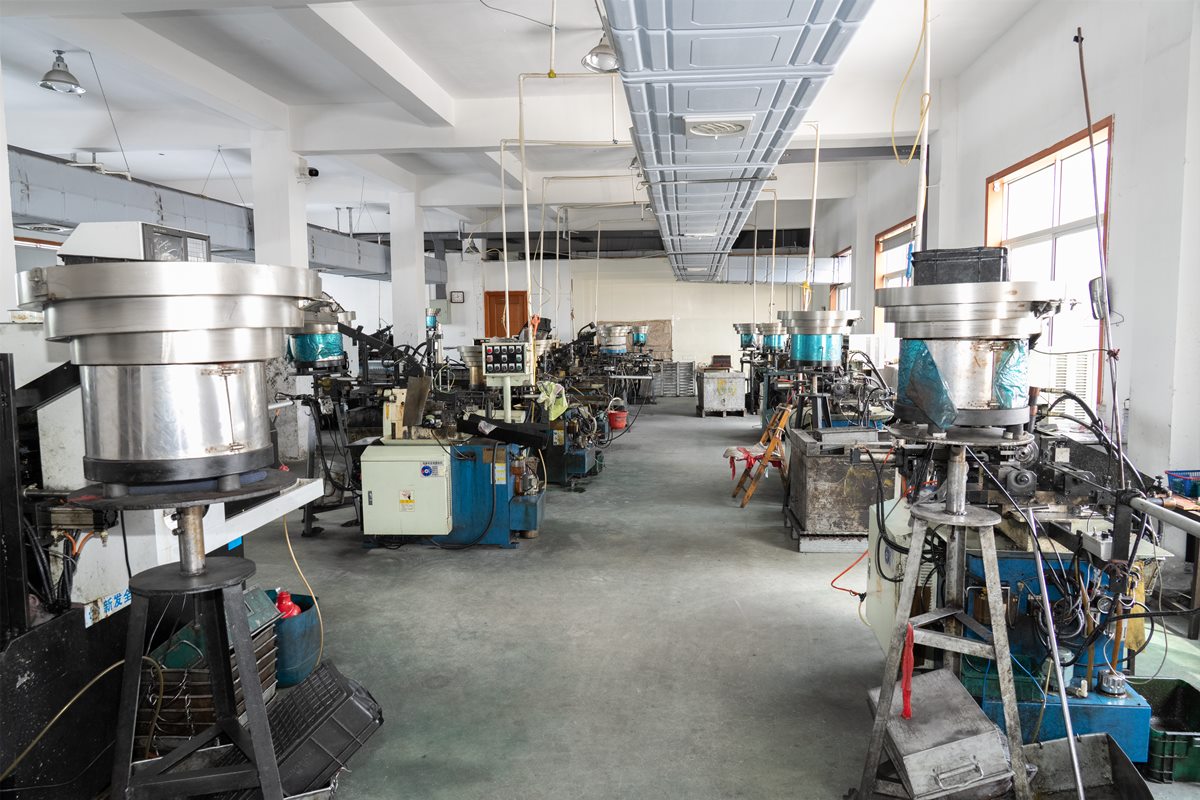
Modern production is often described as automation, but true precision depends on more than just machinery. It requires a controlled process - through the method of experience refinement, regular monitoring, and careful recording. Consistency becomes a science in this context.
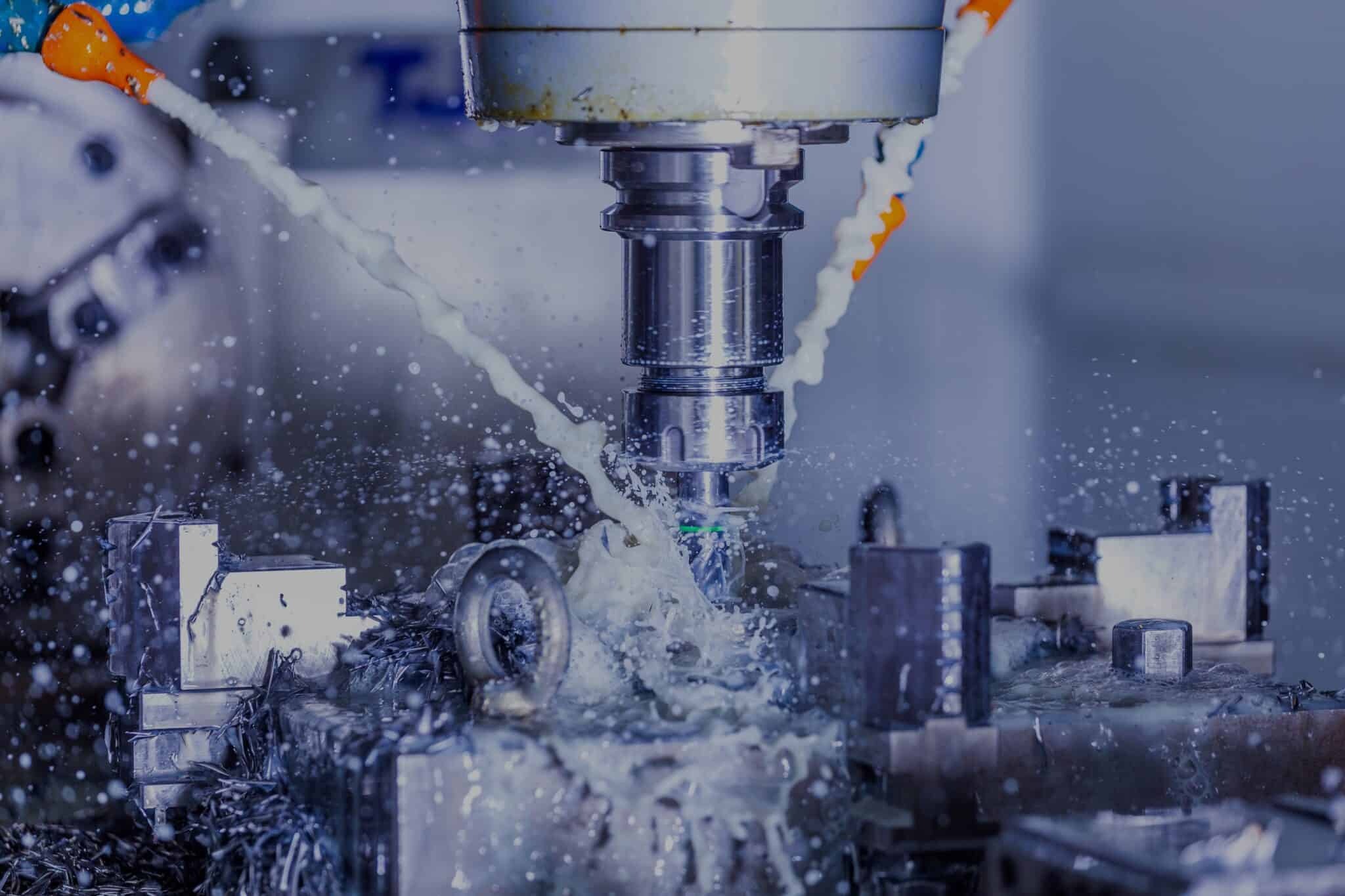
For precise shape and constant temperature, lines can be seen throughout the forging process. The machining center focuses on surface characteristics, dimensional changes and tool life. The heat treatment process is recorded and checked to ensure that the tensile strength and hardness remain within a predetermined range. These operations are not run separately, but are connected to each other, and these processes form a stable network throughout the factory.
At Ningbo Shengfa Hardware, a culture of mindfulness reinforces this chain. Employees grasp not only how a procedure operates but also why a variation is significant. A minor adjustment in forging temperature may not be noticeable visually, yet it impacts grain structure. A slight difference in thread profile might secure effectively initially, but it could jeopardize long-term dependability. When each team member grasps the implications of the figures, quality transforms into a collective obligation instead of just a task for one department.
This blend of technical framework and human diligence enables repeatability. Customers are concerned not just with the product's quality today but also with our factory's ability to consistently replicate that quality in the coming month, the following year, or during the next major order. By means of its managed and continually improved processes, the company has established a manufacturing setting where accuracy becomes foreseeable.
Inspection is frequently misperceived as the last phase of quality. In truth, it holds significance only when it validates a procedure that was already accurate. In our factory, verification systems are created not to “identify errors” but to confirm that the complete process—materials, forging, machining, heat treatment, and coating—has operated as planned.
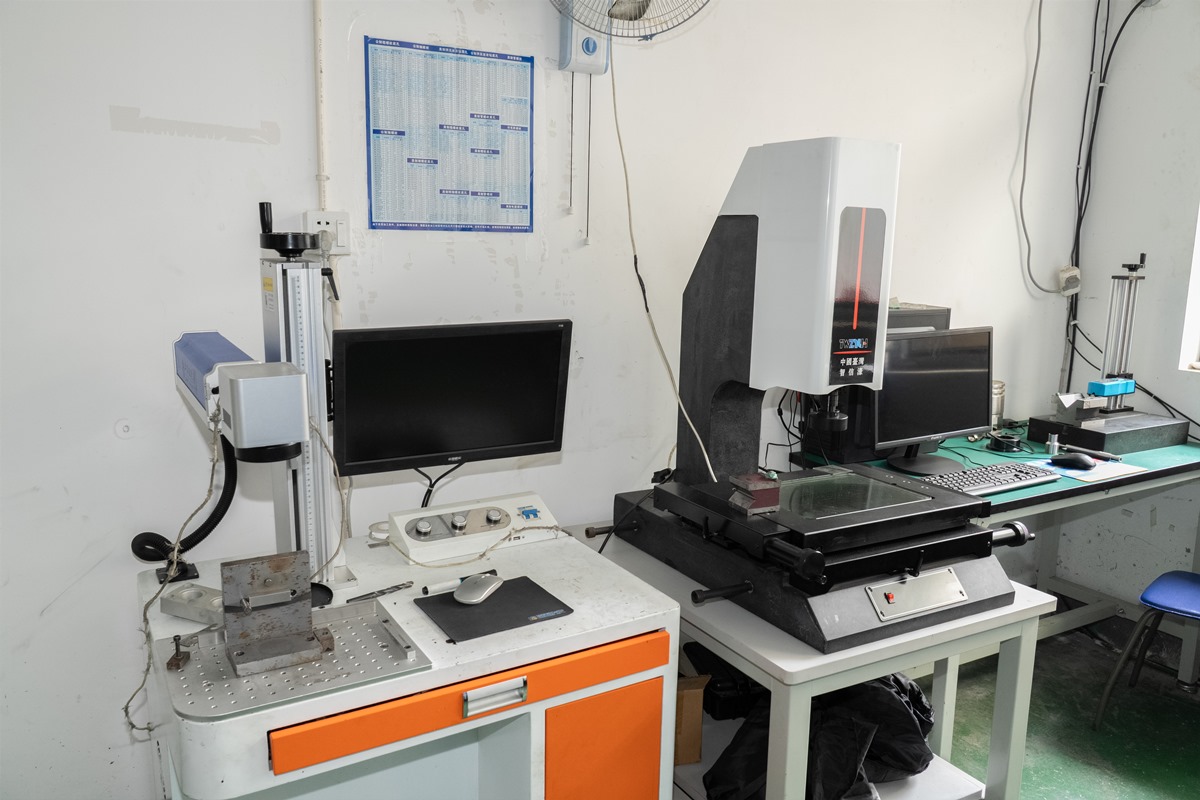
Automated measurement tools facilitate dimensional checks by minimizing human error. Mechanical tests assess how a component performs under stress, rather than solely confirming it meets a specified number. Surface and coating evaluations replicate corrosion and environmental exposure to guarantee dependability under actual conditions. Each outcome contributes to extensive data monitoring, enabling the company to recognize patterns, foresee variations, and resolve problems before they impact customers.
However, the verification system's perhaps most crucial function is transparency. Clients depending on hardware for heavy machinery, structural elements, or industrial uses seek more than just a product—they desire confidence supported by proof. They seek assurance that their supplier can clarify not just what cleared inspection but also the reasons for its approval, the manufacturing process, and its expected performance in the field. This openness is a key advantage of Ningbo Shengfa Hardware and a reason why international clients rely on our factory’s quality systems.
In a swiftly changing manufacturing landscape, quality standards are not fixed. Innovative materials, novel applications, and evolving customer needs necessitate different types of precision. Therefore, the organization regards quality as an evolving practice rather than a static result. The upgrade of the equipment is to repair defects, increase tolerance and improve reliability, rather than follow the trend. The analysis of production data is intended to improve methods and prevent future inconsistencies, not to report targets. Continuous training ensures that the knowledge of technicians is passed on from generation to generation.
Despite the growing demand in the global hardware market, this proactive strategy ensures that the quality process of our factory remains robust. Consumers' trust in producers who make future plans is higher than that of producers who rely on previous results. Through continuous improvement methods, Ningbo Shengfa Hardware will develop itself into a long-term partner that can undertake new engineering problems, not just a supplier.
Quality systems may remain unnoticed externally, but they play a crucial role in deciding if a hardware manufacturer is just passable or genuinely reliable. Within our factory, assurance is crafted well before a product arrives in a customer’s possession—from the raw steel it starts with, to the forging processes that mold it, to the validation systems that ensure its quality. By means of regulated methods, meticulous implementation, and a mindset that prioritizes enhancement alongside achievement, the organization consistently provides hardware solutions that international clients can rely on without doubt.