For a long time, we believed that strict final inspection was the strongest proof of quality. If every bolt passed dimensional checks, surface inspection, and mechanical testing before shipment, then the job was done. At least, that was the assumption we carried for years.
Reality corrected us slowly, and sometimes uncomfortably.
Final testing can tell you what a product looks like at the end of the line. What it cannot tell you—at least not clearly—is why something went right or wrong, or whether the same result will happen again tomorrow, next week, or next month. That realization didn’t come from theory or consultants. It came from repeated, ordinary production days where results looked acceptable, yet problems still found their way into the field.
Final testing has a psychological comfort. You can point to reports, numbers, and stamped approvals. Customers feel reassured by it too. In export manufacturing especially, inspection reports are often treated as the ultimate proof of reliability.
But over time, we noticed something subtle. Products that passed final testing didn’t always behave the same once they were installed or used. Small deviations—nothing dramatic—started to show up. Slight differences in torque performance. Coatings that aged faster in certain environments. Fit issues that appeared only after repeated assembly.
Each issue, taken alone, seemed minor. Collectively, they raised a more uncomfortable question: if final testing says everything is fine, why are these variations still happening?
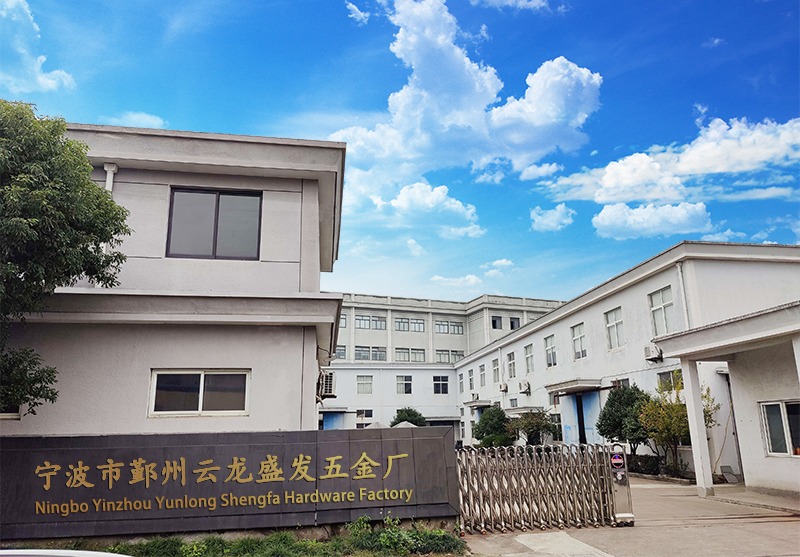
At NINGBO SHENGFA HARDWARE, that question pushed us to look backward along the production chain instead of doubling down on inspection at the end.
Process control doesn’t produce impressive reports at first glance. There’s no single document that says “this batch is perfect.” Instead, it’s a collection of small disciplines: how raw materials are verified, how forging temperatures are monitored, how machining parameters are set and kept, and how operators react when something feels slightly off.
In forging, for example, we learned that a narrow temperature window matters more than any hardness test at the end. A forged part can pass mechanical testing and still carry internal stress patterns that only reveal themselves later. Once we tightened temperature control and stopped chasing speed at that stage, downstream consistency improved almost quietly.
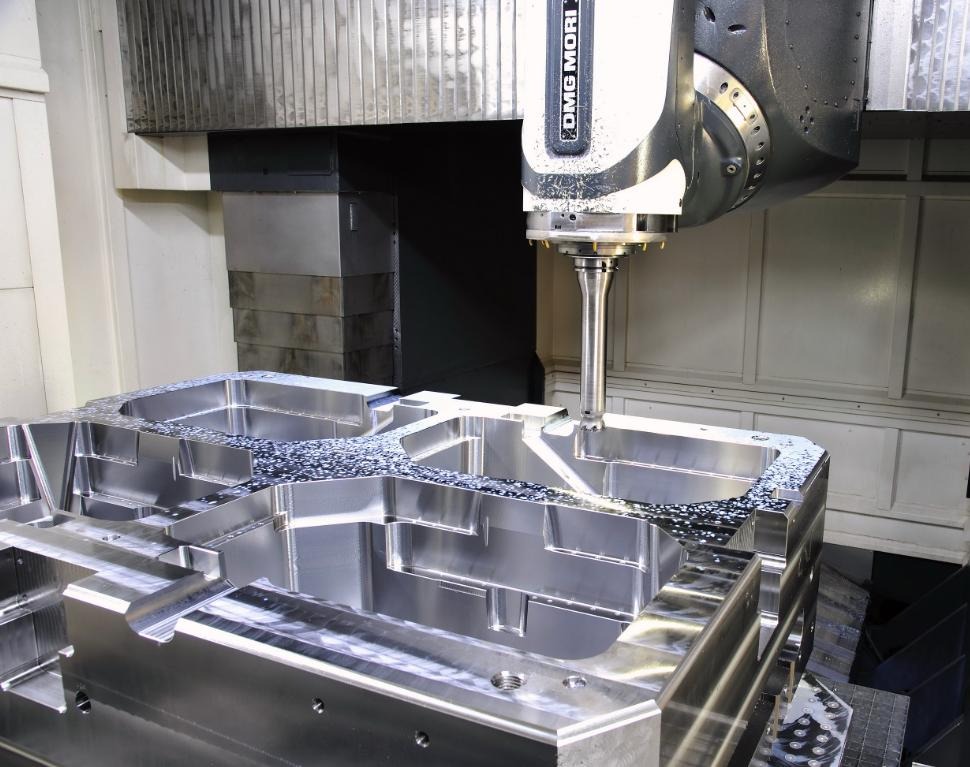
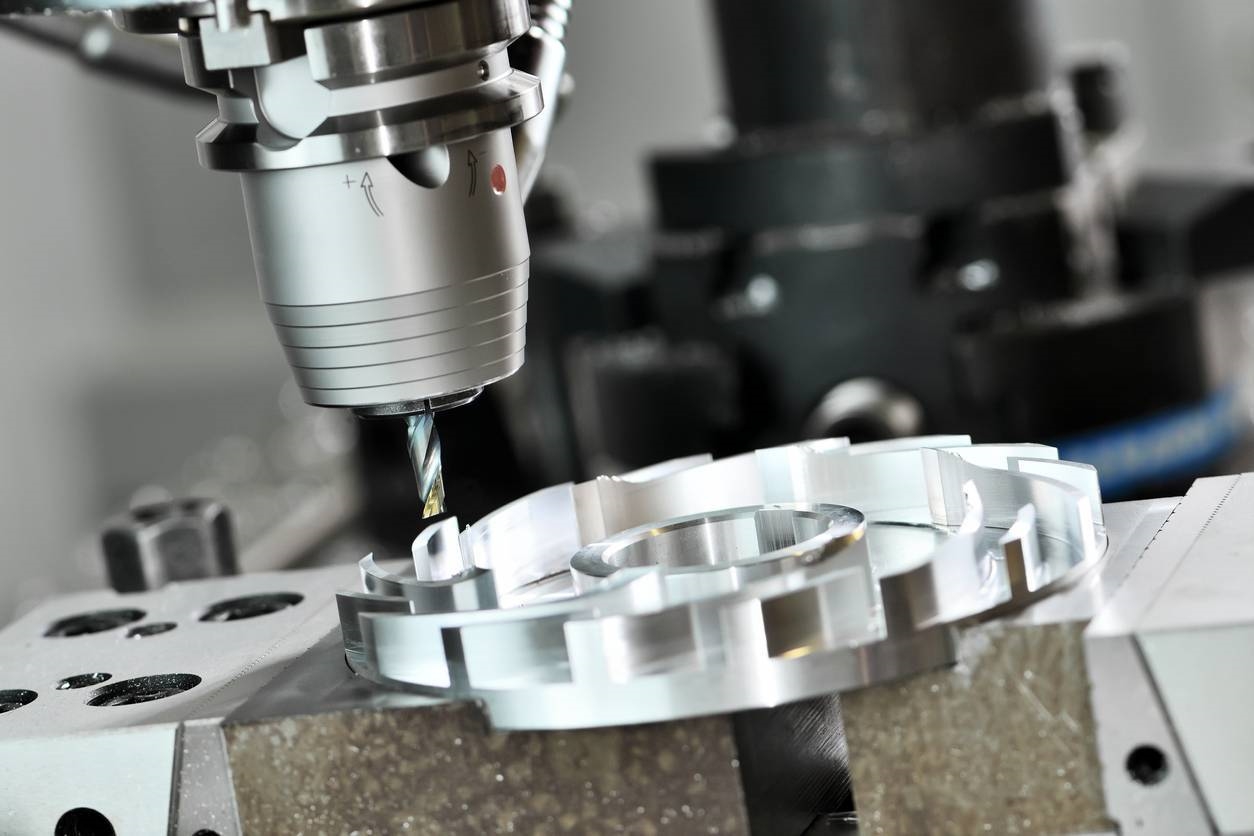
The same pattern appeared in CNC machining. Tool wear doesn’t announce itself loudly. Dimensional checks may still pass, but surface behavior and long-term fit can drift. Process control here meant tracking tool life more conservatively and accepting slightly higher tooling costs in exchange for stability. It wasn’t an easy decision at first, especially when spreadsheets suggested otherwise.
Investment casting brought its own lessons. Minor variations in mold preparation or cooling time rarely cause immediate rejection, but they quietly shape the final structure of the part. Final inspection can’t reverse that.
One reason many factories lean heavily on final testing is that it feels efficient. Problems are caught once, at the end, instead of monitored constantly. In practice, though, fixing problems late is often the most expensive option.
Scrap increases without obvious warning. Rework becomes normal rather than exceptional. Engineers spend time explaining results instead of improving processes. And perhaps most damaging, teams start to believe that inspection will “save” them, even if upstream discipline slips.
We went through that phase ourselves. It wasn’t dramatic, but it was draining. The factory felt busy, yet progress felt shallow. Only when we shifted attention toward upstream control did that change.
At NINGBO SHENGFA HARDWARE, we gradually reduced the symbolic importance of final testing—not by eliminating it, but by treating it as confirmation, not protection.
One misconception about process control is that it’s purely technical. Sensors, charts, and software help, but they don’t replace judgment. Some of our most meaningful improvements came from listening to operators who noticed patterns long before data confirmed them.
An experienced forging operator once mentioned that a certain batch “felt different” during handling, even though parameters were within limits. That comment might have been dismissed years ago. Instead, it triggered a closer look at material consistency and supplier variation. Nothing dramatic was found, but adjustments were made—and similar comments stopped appearing.
That kind of feedback doesn’t show up in final inspection reports. It lives inside the process itself.
This is one reason we believe process control creates more honest quality. It reflects how work actually happens, not just how results look at the end.
Most international buyers never visit a factory floor. They don’t see temperature charts or machining logs. Yet they often sense when a supplier relies more on inspection than on control.
The signs are indirect: inconsistent lead times, occasional unexplained deviations, or repeated “one-time issues” that somehow keep happening. Over time, trust erodes quietly.
When process control is strong, communication changes. Conversations with customers become calmer, more predictable. Problems still occur—no factory is immune—but explanations are clearer, and solutions stick.
This is where long-term partnerships are built. Not through claims of “100% inspection,” but through habits that reduce surprises.
At NINGBO SHENGFA HARDWARE, we noticed that once process control matured, customer discussions shifted away from complaints and toward planning. That shift mattered more than any certificate on the wall.
None of this means final testing is unnecessary. On the contrary, it remains essential. But its role is different than many expect.
Final testing should validate a process that is already under control, not compensate for one that isn’t. When testing starts to feel like a safety net, something upstream usually needs attention.
The factories that struggle most are often the ones with the thickest inspection reports. The factories that improve steadily tend to talk less about inspection and more about daily discipline.
That distinction isn’t obvious at first, especially in export manufacturing where documentation carries weight. But over time, results speak clearly.
If we had to summarize the lesson in one sentence, it would be this: quality is built long before the product reaches the inspection table.
It’s built in decisions that feel small at the time. In whether a parameter is questioned or ignored. In whether feedback is acted on or politely acknowledged and forgotten. In whether speed is treated as a fixed demand or a variable that must respect stability.
Process control doesn’t offer quick wins. It offers fewer regrets.
That’s why, even as testing methods evolve and standards tighten, we continue to invest more energy upstream. Because the strongest quality signal isn’t what you measure at the end—it’s how predictable your process feels every single day.