When a metal component arrives at a customer's factory, the first things people usually check are its dimensions, appearance, and quantity. If everything looks correct, the parts move into storage or assembly. But there is another question that becomes important when something goes wrong: where did the material come from, and can its production history be identified?
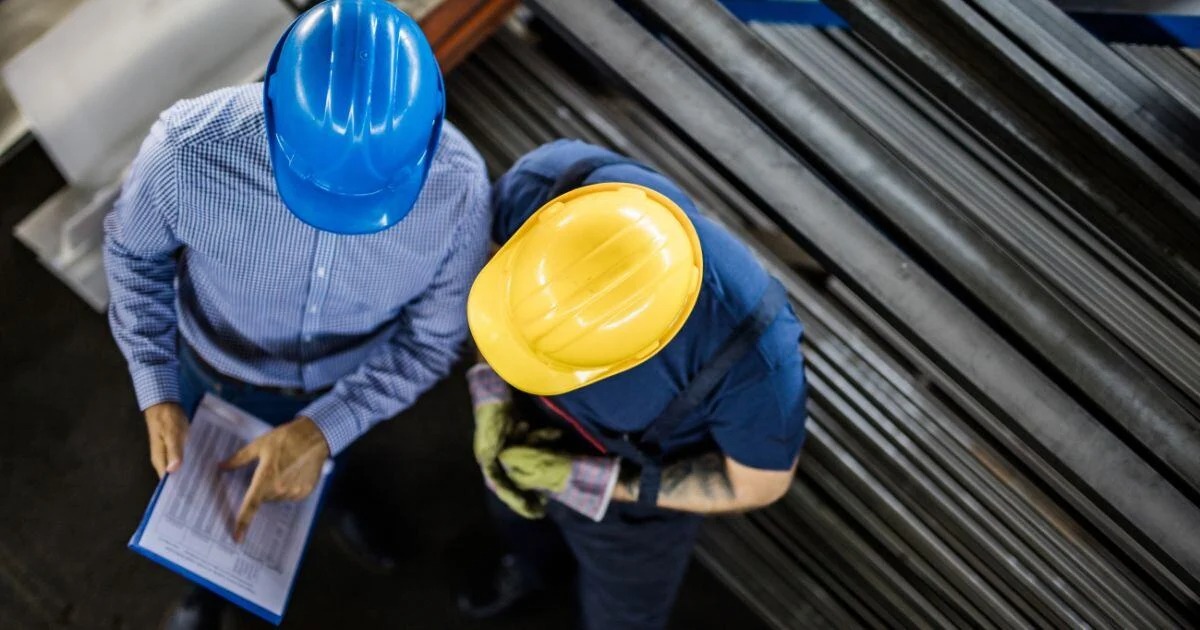
This is the purpose of material traceability. It connects a finished component with information about the raw material, manufacturing process, and inspection records behind it. For ordinary hardware orders, this information may seem like additional paperwork. For automotive, machinery, construction, and other industrial applications, however, it can make a real difference when investigating quality issues or managing long-term supply.
A manufacturing project usually begins with a material specification. It may identify carbon steel, stainless steel, aluminum alloy, brass, or another metal, together with a particular grade or applicable standard.
The challenge is making sure the material actually used in production matches that specification. A purchase order may clearly state the required grade, but the factory still needs a way to connect incoming material with the parts eventually manufactured from it.
This is where batch identification becomes useful. Material suppliers normally provide identifying information for their deliveries, and manufacturers can use internal records to associate incoming material with a particular production order.
Without this connection, it may be difficult to determine which components were made from a particular material batch. If a material-related problem appears later, the investigation becomes much more complicated.
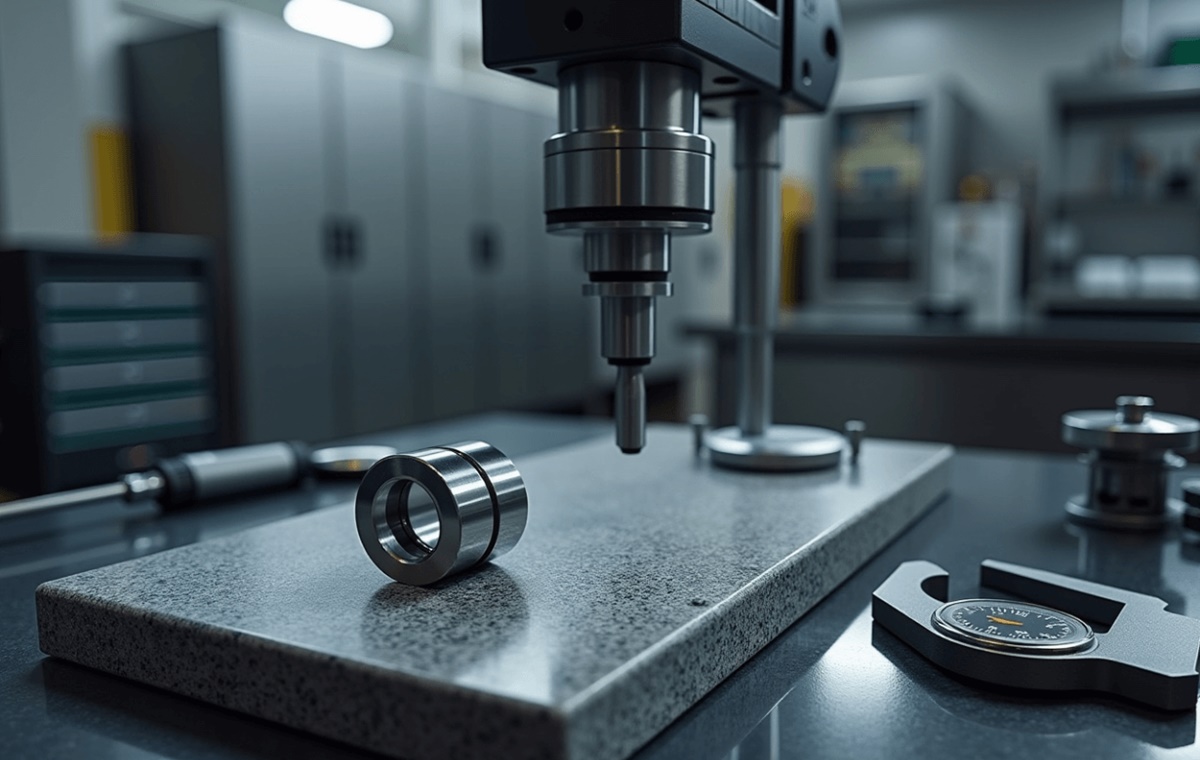
Industrial metal components generally require material qualification certificates. Depending on the project and applicable requirements, they may include chemical composition, mechanical properties, material grade and other test information.
For example, buyers who order stainless steel parts may need to confirm that the materials provided meet the specified grade. Projects involving structural steel parts may require mechanical properties information as part of their procurement documents.
However, obtaining a certificate does not automatically prove that each finished component is manufactured from the material described therein. The manufacturer also needs an effective record-keeping process to link the certificate to the actual production batch.
This distinction is important. A document that cannot be linked to the delivered parts has limited value when a customer needs to investigate a specific order.
Buyers should therefore clarify what documentation is required before production begins. Some projects only need a standard material certificate, while others require more detailed batch-level records or independent testing.
The tracking method of materials can change according to different manufacturing methods.
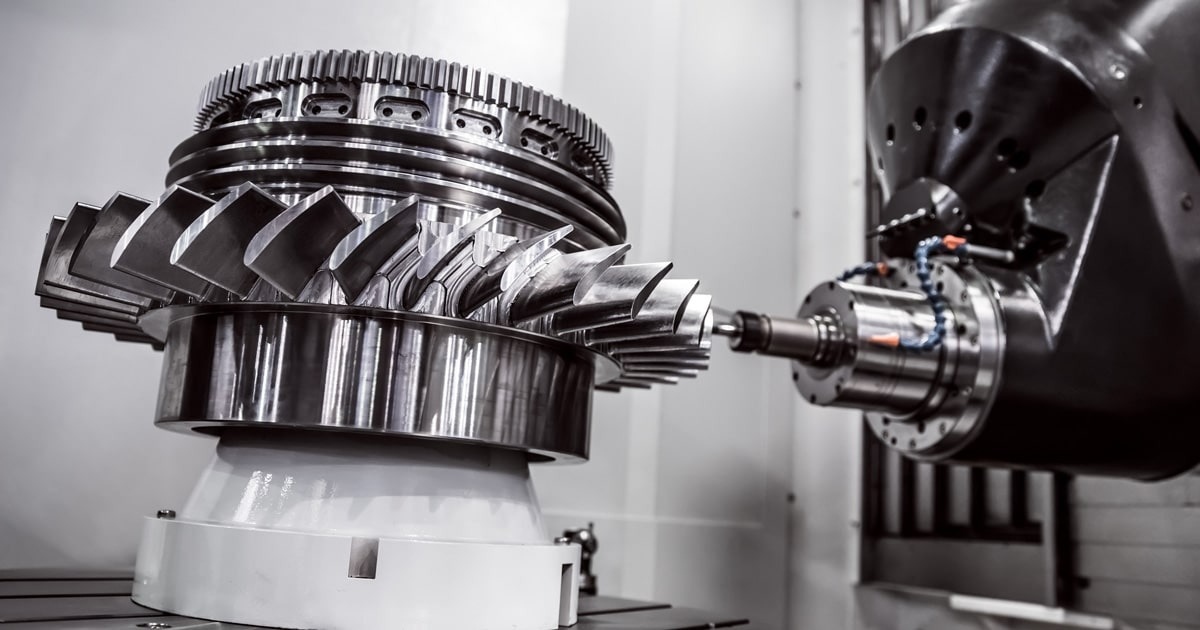
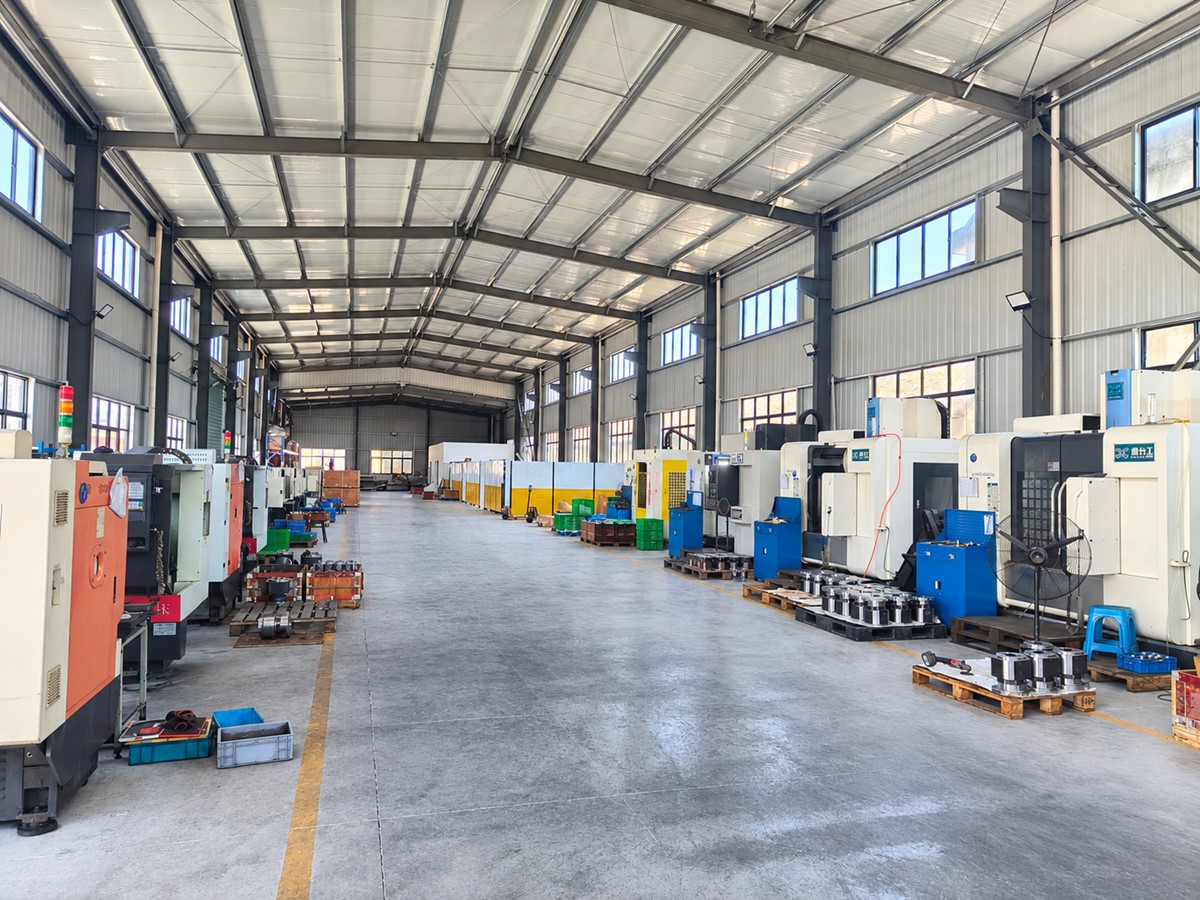
In CNC machining, material identification may start from the incoming bar, plate or block. If several grades are stored in the same facility, a clear label and storage arrangement helps to prevent material mixing. Then, the production record can link the selected inventory with the processing order.
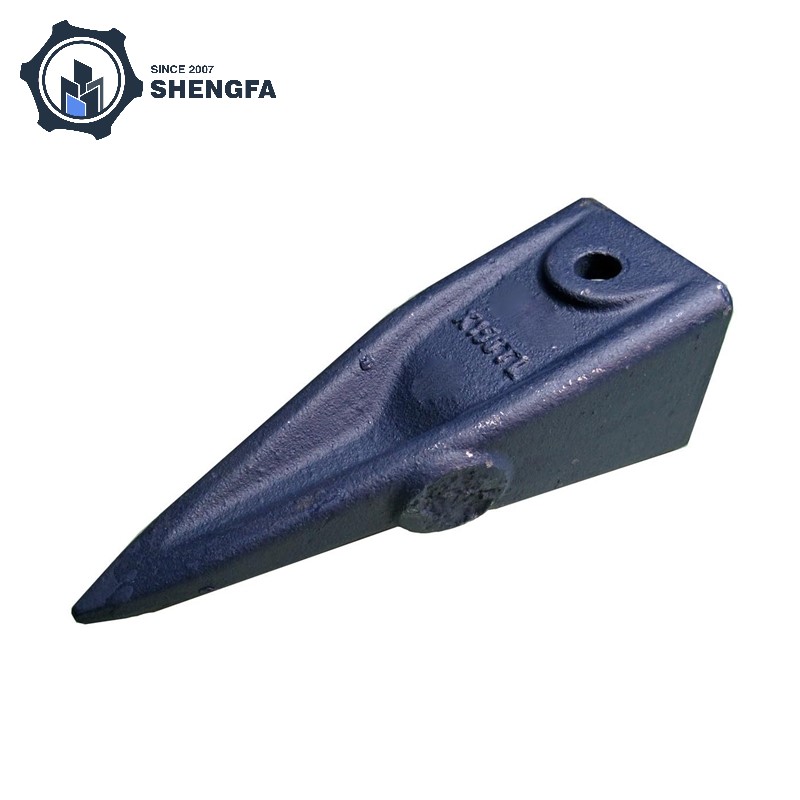
Investment casting involves additional stages. The original metal material is melted and poured into the mold, so the manufacturer may need to maintain a record of the melting batches associated with the resulting casting parts. Relevant inspection information should be retained if specific chemical composition requirements are applicable.
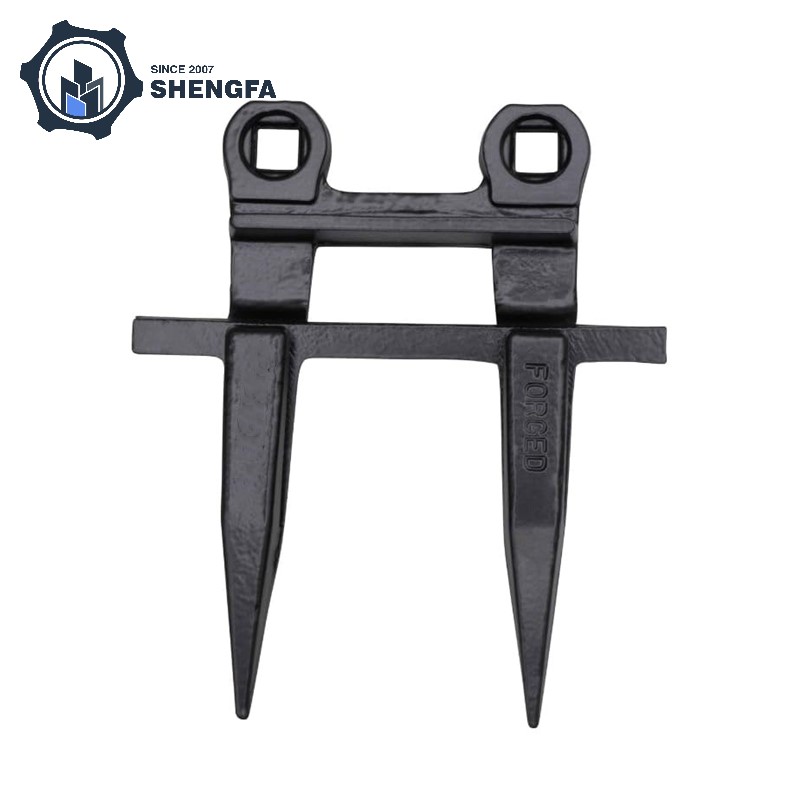
Forging also needs to pay attention to the identification of materials. Steel bars or billets are prepared and formed under pressure, and the relationship between incoming materials and production batches should be kept clear throughout the process.
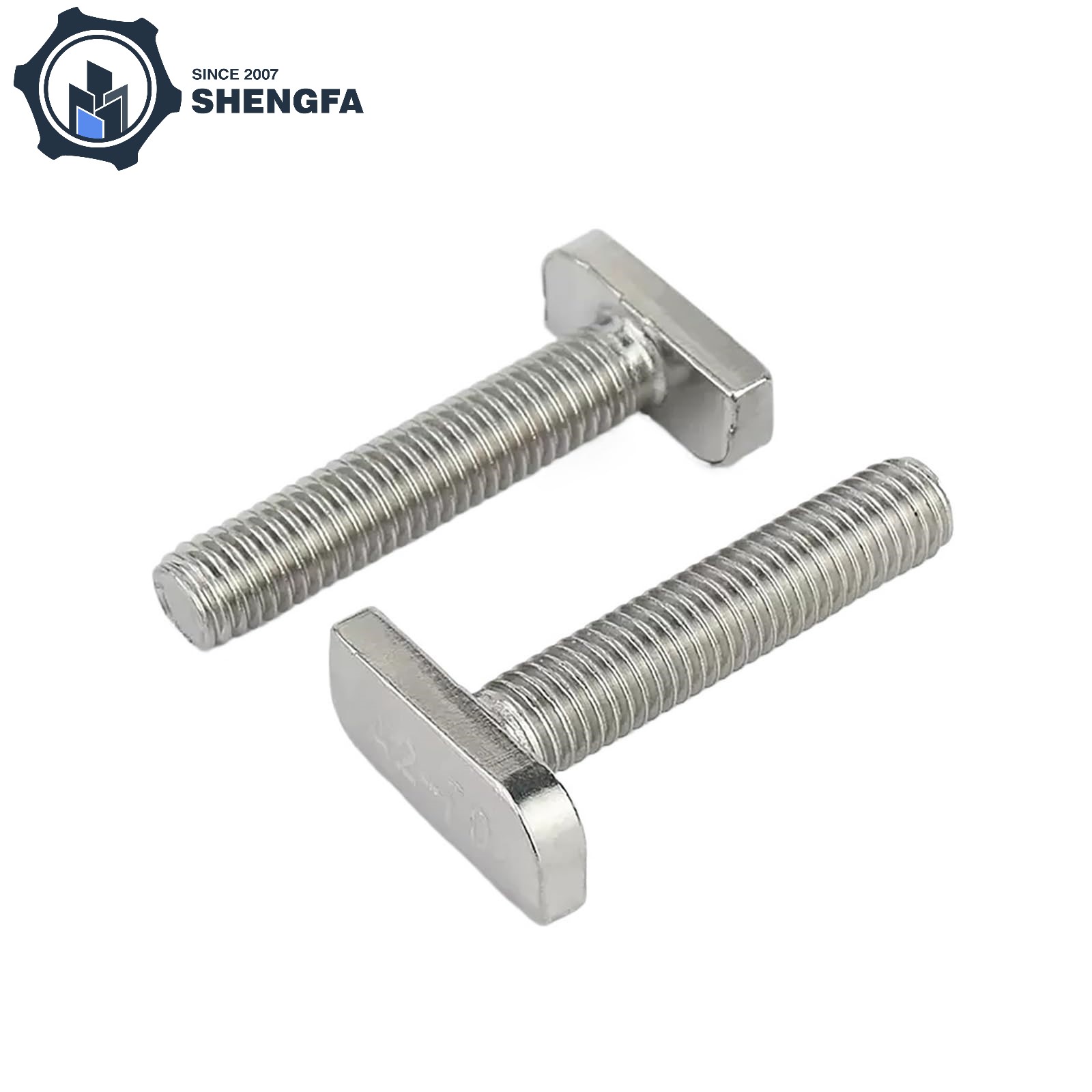
For fasteners, traceability becomes particularly important when specifying strength grades and mechanical properties. One bolt may look the same as the other, but its material and manufacturing history may be different.
The filing system need not be too complicated. Importantly, this information is still accurate, organized and accessible when needed.
Imagine that a customer found that a number of parts failed in the mechanical test. The immediate concerns are obvious : the affected parts must be identified, and the reasons for the failure need to be investigated.
If there is no traceability, manufacturers may need to check a much larger number of inventory and production records. It may also be difficult to determine whether the problem is related to raw materials, processing conditions, heat treatment, or another production stage.
With appropriate records, the investigation can be more targeted. Manufacturers may be able to identify relevant material batches, review their certificates, check production dates, and check order-related inspection results.
This does not mean that traceability can prevent every defect. It provides a more reliable way to understand what 's going on and determine which products may be affected.
For overseas buyers, this can also make communication between the supplier, purchasing department, and quality team much more efficient.
Not every metal component requires the same level of documentation. A general-purpose bracket may have simpler requirements than a safety-related automotive component or a pressure-bearing industrial part.
Before placing an order, buyers should consider asking the supplier about several points:
Whether incoming materials are identified by grade and batch.
Whether material certificates can be provided when required.
Whether production orders can be linked to the original material records.
Whether inspection results are retained for the relevant batch.
Whether records can be retrieved if a problem occurs after delivery.
It is also useful to agree on document requirements in the purchase order. If a buyer needs a specific certificate format, test report, or batch identification method, this should be discussed before manufacturing starts rather than requested after the goods have been shipped.
At Ningbo Shengfa Hardware Factory, material requirements and production information is an important part of custom metal component orders audit. Clear documentation is expected to help both parties understand what needs to be controlled and recorded throughout the manufacturing process.
The traceability of materials is not simply to save files in folders. Its true value comes from the information that connects the entire manufacturing process, from raw materials to finished products.
For manufacturers, a well-organized system can make quality surveys easier to manage and help identify the source of production problems. For buyers, it provides greater visibility into the materials used in their products and makes supplier communication more straightforward.
Ningbo Shengfa Hardware Company cooperates with customers, engaged in CNC machining, investment casting, forging, die casting and other metal component projects. The documentation required for each order depends on materials, applications, and customer quality expectations.
When discussing new projects, the purchaser should explain its material certification and traceability requirements outside the technical drawings. Ningbo Shengfa Hardware encourages customers to establish these expectations early, so documentation and production arrangements can be considered together.
A finished metal part may be small, but the information behind it can be important long after delivery. Knowing where the material came from, how it was processed, and which records support its quality gives buyers a stronger foundation for managing their products and suppliers.
-