When people look at a finished bolt, they see a simple piece of hardware. A threaded shaft, a defined head shape, perhaps a protective coating. In appearance, it is straightforward. In function, it is critical. But behind every reliable bolt is not simplicity. It is control.
In export manufacturing, we have learned that structural reliability does not begin at final inspection. It begins long before threading, long before heat treatment, long before surface treatment. It begins at process design. It lives in discipline. And it survives through consistency.
Over the years, serving industrial customers across different markets has made one truth very clear to us: if the process is stable, the fastener will be stable. If the process is unstable, no amount of inspection can compensate.
A bolt’s performance starts with material selection. Steel grade, chemical composition, and cleanliness directly influence strength and fatigue resistance. If incoming raw material is inconsistent, downstream control becomes reactive rather than preventive.
We learned early that strong documentation alone is not enough. Material traceability must be matched by process discipline.
During forging, temperature control and deformation speed are critical. If heating is uneven, grain flow becomes irregular. If forging pressure fluctuates, dimensional deviation increases. Small variations at this stage can later affect thread precision or tensile performance.
In heavy-duty applications, especially where bolts secure structural frames or machinery bases, internal integrity matters more than surface appearance. Forging is not simply shaping metal. It is aligning grain structure to support mechanical strength.
At NINGBO SHENGFA HARDWARE, forging parameters are not frequently adjusted unless necessary. Stability reduces variability. By limiting unnecessary changes, we preserve consistent head dimensions, shank straightness, and mechanical properties.
Some components may use casting instead of forging depending on design complexity. In those cases, mold control and cooling consistency become equally important. Shrinkage prediction, surface finish management, and dimensional compensation require precise calibration. Again, it is not about speed—it is about repeatability.
Reliable bolts do not emerge from aggressive production. They emerge from controlled deformation and predictable metallurgy.
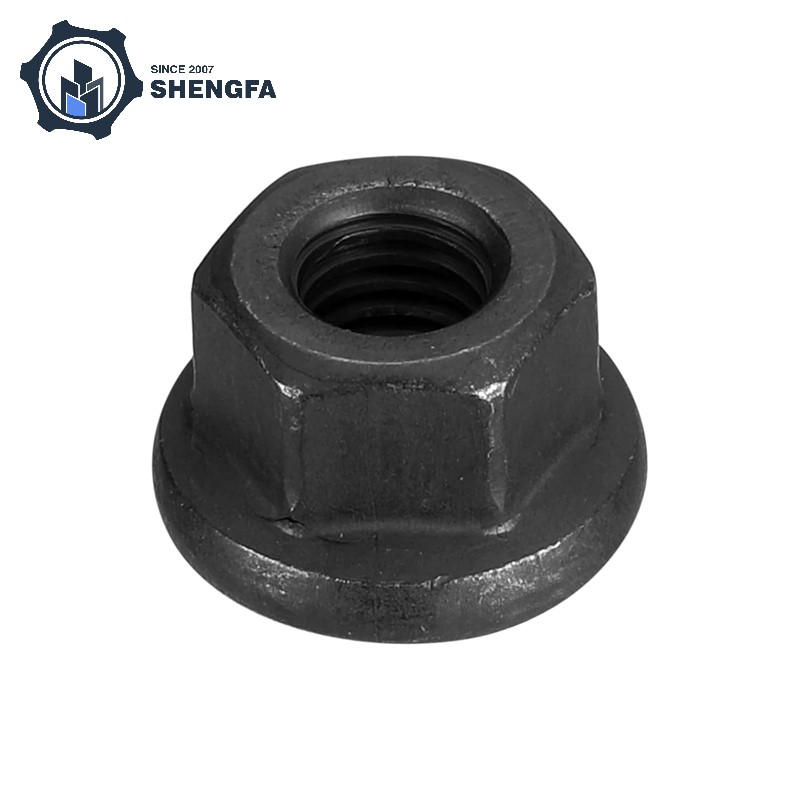
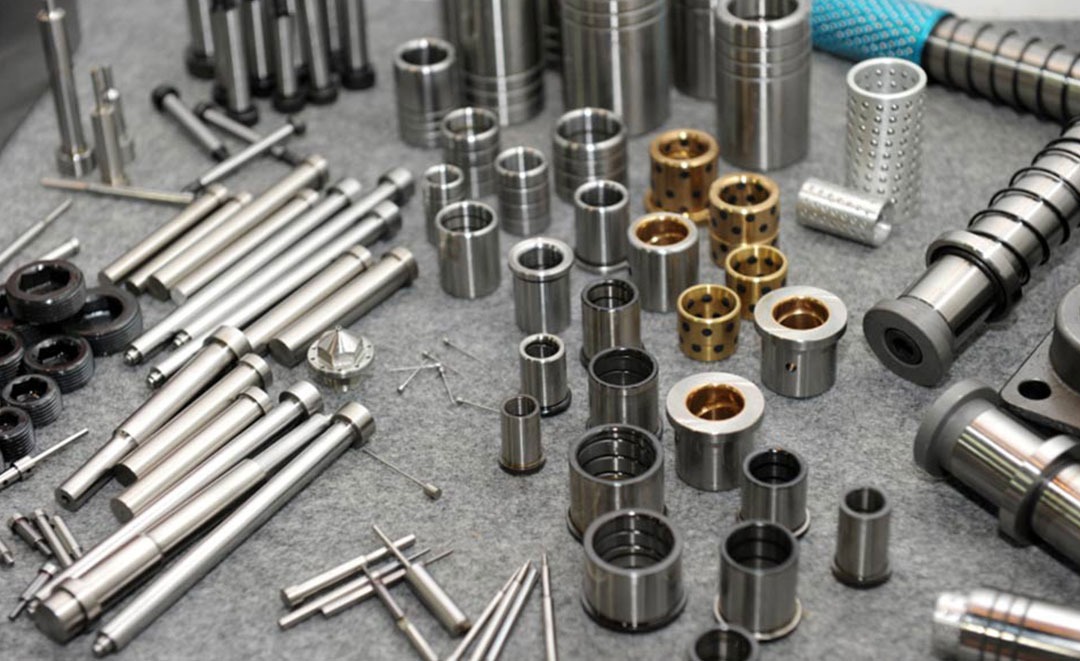
After forming, machining defines functionality. CNC machining ensures dimensional accuracy, especially for special fasteners or customized hardware. Whether producing high-strength hex bolts, custom nuts, or precision shafts, maintaining tolerance consistency is essential.
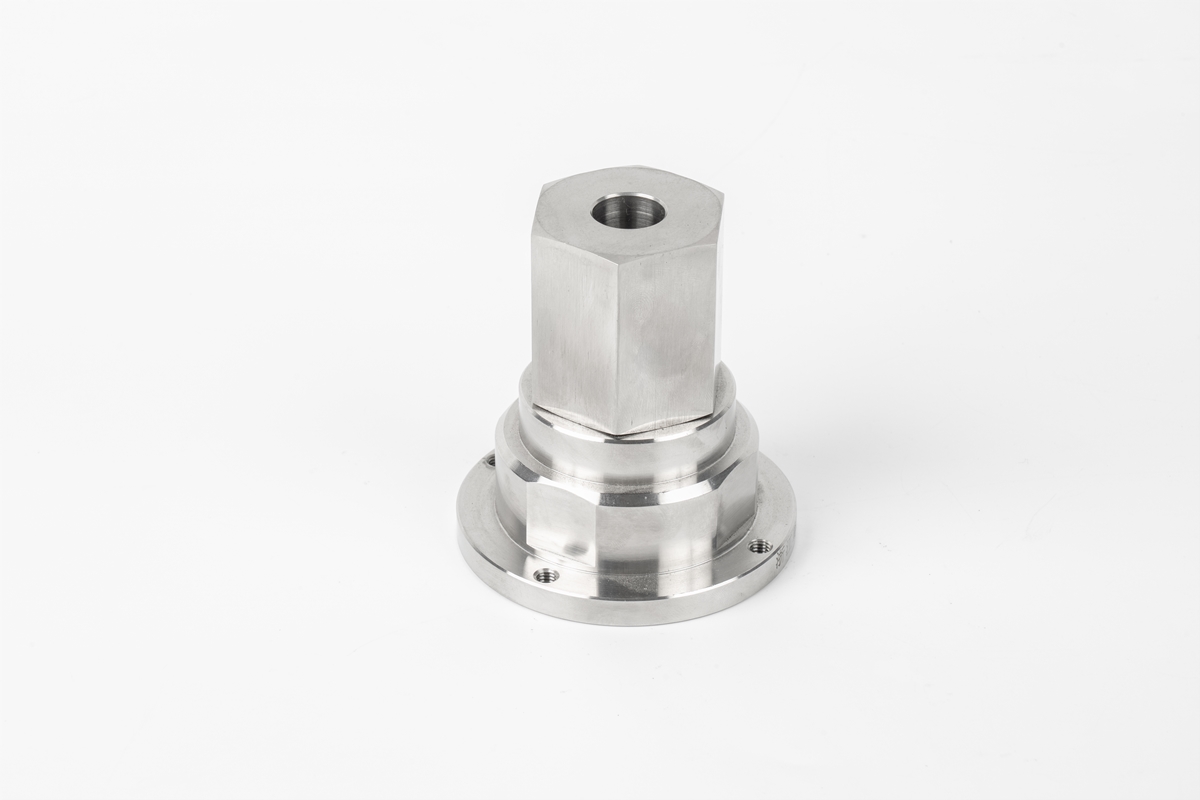
Thread quality is particularly sensitive. A bolt and nut must engage smoothly, distribute load evenly, and resist stripping under torque. Thread angle, pitch accuracy, and surface roughness all affect performance.
If tool wear is not monitored, thread geometry gradually shifts. If cutting parameters fluctuate, surface finish changes. These variations may remain invisible during visual inspection, but they influence assembly reliability.
Through experience, we realized that consistent tooling schedules matter more than maximizing tool life. Replacing cutting tools slightly earlier than necessary can reduce unexpected dimensional drift. It is a small decision, but it protects long-term stability.
Heat treatment introduces another layer of control. Hardness must meet specification without causing brittleness. Temperature curves, holding time, and cooling rates must be monitored carefully. Over-hardening increases fracture risk. Under-hardening reduces load capacity.
Surface treatment—whether zinc plating, galvanizing, or other protective coatings—also affects performance. Coating thickness must remain within controlled limits. Excessive thickness may interfere with thread engagement. Insufficient coating compromises corrosion resistance.
At NINGBO SHENGFA HARDWARE, process checkpoints are integrated into production rather than concentrated at the end. Dimensional verification, hardness testing, and thread gauge inspection occur at stable intervals. This approach reduces reliance on final inspection as a safety net.
When machining, heat treatment, and surface finishing are aligned, the bolt becomes more than a shaped component. It becomes a predictable mechanical connector.
Customers often evaluate bolts based on mechanical grade or certification. Those are important. But in long-term export cooperation, performance consistency matters even more than single-batch compliance.
A bolt that passes testing once is acceptable. A bolt that performs identically across thousands of pieces, across multiple shipments—that is reliable.
We have seen how uncontrolled adjustments create risk. Small production changes, even when well-intended, can introduce unintended variability. Adjusting forging pressure to increase output may shift head geometry. Modifying machining speed may alter tolerance stability. Compressing heat treatment cycles may affect hardness distribution.
Experience taught us restraint. Fewer adjustments often lead to better hardware performance. When a process works, it should be protected. Improvement should be systematic, not impulsive.
At NINGBO SHENGFA HARDWARE, we document baseline parameters carefully. Any modification is evaluated for downstream impact. This discipline slows experimentation, but it strengthens trust.
In global markets, repeat orders depend on quiet confidence. Buyers assembling structural frames, industrial equipment, or transportation components need assurance that every fastener behaves as expected. They do not want surprises in torque performance, coating thickness, or dimensional fit.
Controlled processes reduce surprises. Over time, we have come to view bolts not as isolated products but as the outcome of interconnected systems—material control, forging stability, machining precision, heat treatment balance, and surface protection alignment. Each stage reinforces the next.
Behind every reliable bolt is not a single inspection report. It is a chain of disciplined decisions.
Final testing remains essential. Tensile testing, hardness verification, and dimensional inspection confirm compliance. But testing alone cannot create reliability. It can only detect deviation.
Real reliability is built upstream. When forging parameters remain consistent, internal structure stabilizes. When CNC machining tolerances are monitored continuously, dimensional drift decreases. When heat treatment cycles are standardized, mechanical performance becomes predictable. When surface treatment thickness is controlled carefully, corrosion resistance remains uniform.
The more stable the process, the less dramatic the inspection results. This is perhaps the most important lesson export manufacturing has taught us. Customers may never see the production floor. They may never observe forging temperature charts or machining logs. But they experience the outcome—smooth assembly, stable torque, long service life.
A bolt appears simple. Its performance is not. At NINGBO SHENGFA HARDWARE, our understanding of reliability evolved from experience. We learned that strong hardware does not result from aggressive expansion or constant adjustment. It results from disciplined repetition.
Behind every reliable bolt is not just steel and thread geometry. It is controlled forging. It is precise CNC machining. It is balanced heat treatment. It is measured surface treatment. It is protected tolerance. And above all, it is process stability maintained day after day. In the end, reliability is quiet. It does not demand attention. It simply performs.
That is what controlled manufacturing makes possible.