
If you deal with metal parts long enough, you eventually realize that corrosion is not something you can ignore or “handle later.” It doesn’t fail all at once, which actually makes it worse. It starts small, barely visible in many cases, and then slowly spreads until performance drops or parts simply don’t hold up anymore. For manufacturers, especially those supplying outdoor or load-bearing components, this becomes a constant concern, not just a technical detail. That’s usually where conversations about surface treatment begin, and sooner or later, Dacromet coating comes up as one of the options people start considering more seriously.
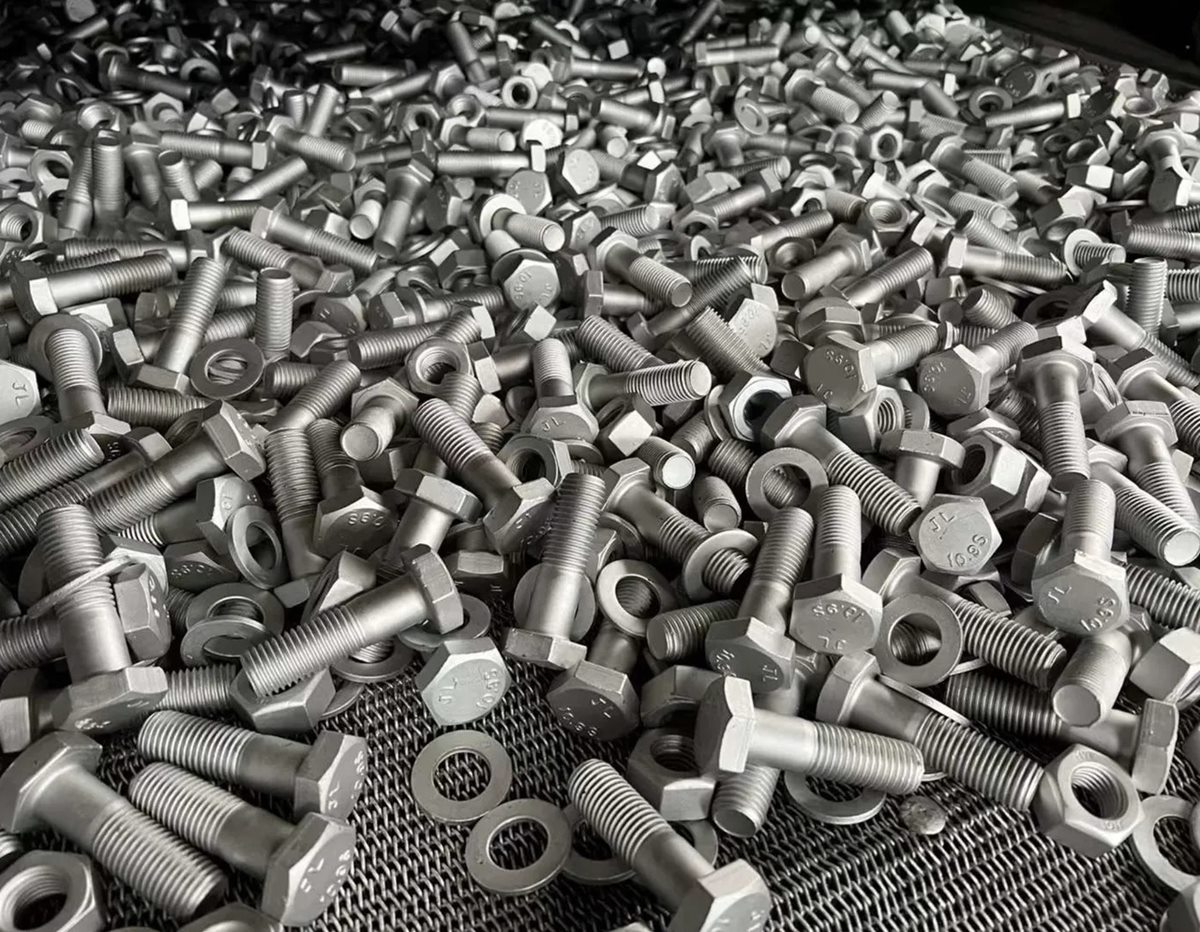
Now, to keep things simple, Dacromet coating is basically a zinc-aluminum flake coating system, but describing it like that doesn’t really explain why people choose it. The coating itself is applied in a liquid form, usually through a dip-spin process, and then baked at high temperature so it forms a bonded layer on the metal surface. It’s not like electroplating where you get that bright, shiny finish. In fact, Dacromet looks relatively dull, more of a matte gray, and if someone is expecting something decorative, this is usually not it. But appearance is not really the point here, and in most cases where Dacromet is specified, nobody is choosing it for how it looks anyway.
What makes it different is the way it protects the metal over time, and this part is often easier to understand from experience than from theory. The coating forms a kind of layered structure made of overlapping zinc and aluminum flakes. Because of that structure, moisture and oxygen don’t travel straight through to the base metal. Instead, they get slowed down, almost like having to move through a maze rather than a straight path. At the same time, the zinc in the coating acts as a sacrificial material, meaning it will corrode first before the steel underneath does. So even if the coating gets slightly damaged, protection doesn’t just disappear immediately, which is something that tends to happen with simpler coatings.
In actual use, this combination tends to perform better than people initially expect, especially in environments where standard zinc plating starts to show its limits. For example, in salt spray conditions or outdoor exposure, Dacromet-coated parts often last significantly longer before any red rust appears. It’s not unusual to see performance in the range of several hundred hours or more in testing, depending on thickness and system, and while lab numbers don’t always translate perfectly to real life, the general trend does hold. Parts simply last longer, and that alone solves a lot of downstream problems.
Another thing that often gets overlooked at first, but becomes important later, is the issue of hydrogen embrittlement. With electroplating, especially on high-strength fasteners, there’s always a risk that hydrogen gets introduced during the process, which can lead to delayed cracking under stress. It doesn’t happen every time, but when it does, it’s a serious failure. Dacromet coating avoids that problem entirely because it doesn’t rely on the same kind of chemical reactions during application. For industries like automotive or heavy equipment, that alone can be enough reason to switch, even if the cost is higher.
Speaking of cost, that’s usually where hesitation comes in. Dacromet is not the cheapest option, and if a product is used indoors or in a relatively mild environment, it may not make sense to use it. Zinc plating still has its place, and in many cases, it does the job just fine. But once the environment becomes more aggressive—humidity, salt, temperature changes, or long service life expectations—the calculation starts to shift a bit. The upfront cost difference becomes less important compared to maintenance, replacements, or even potential failures in the field.
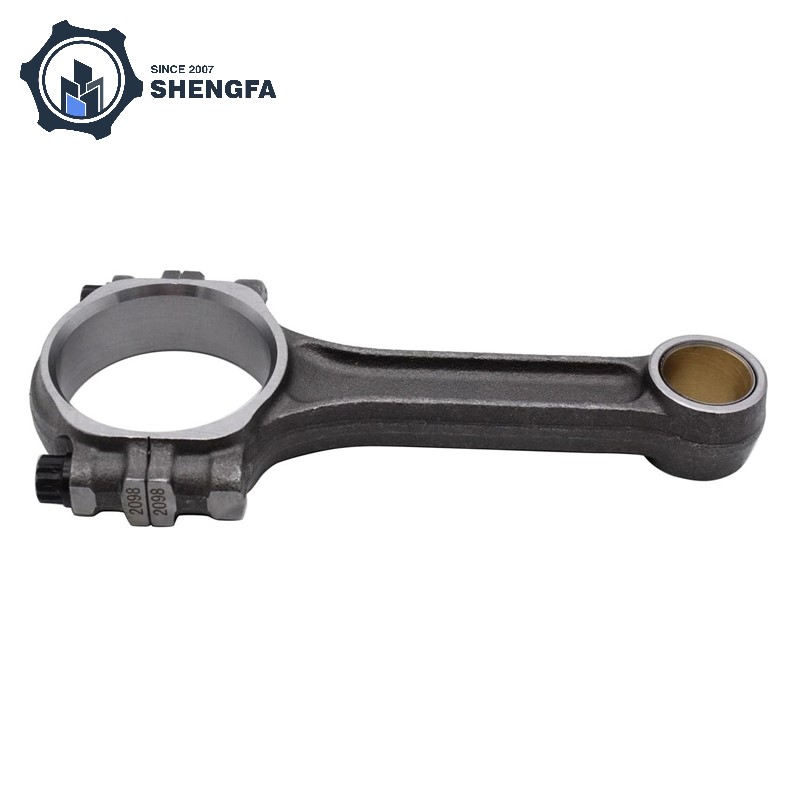
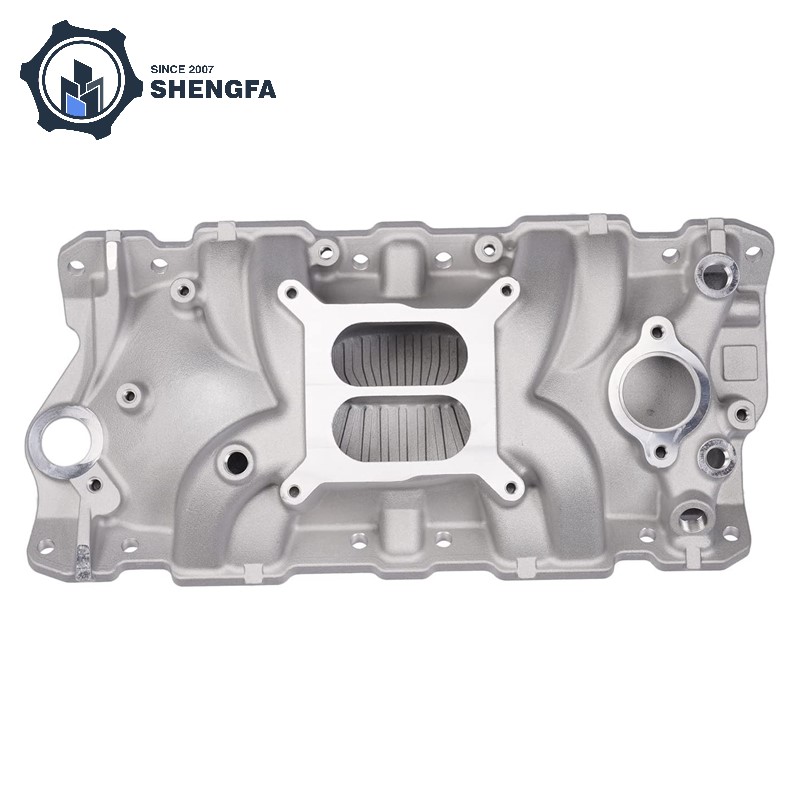
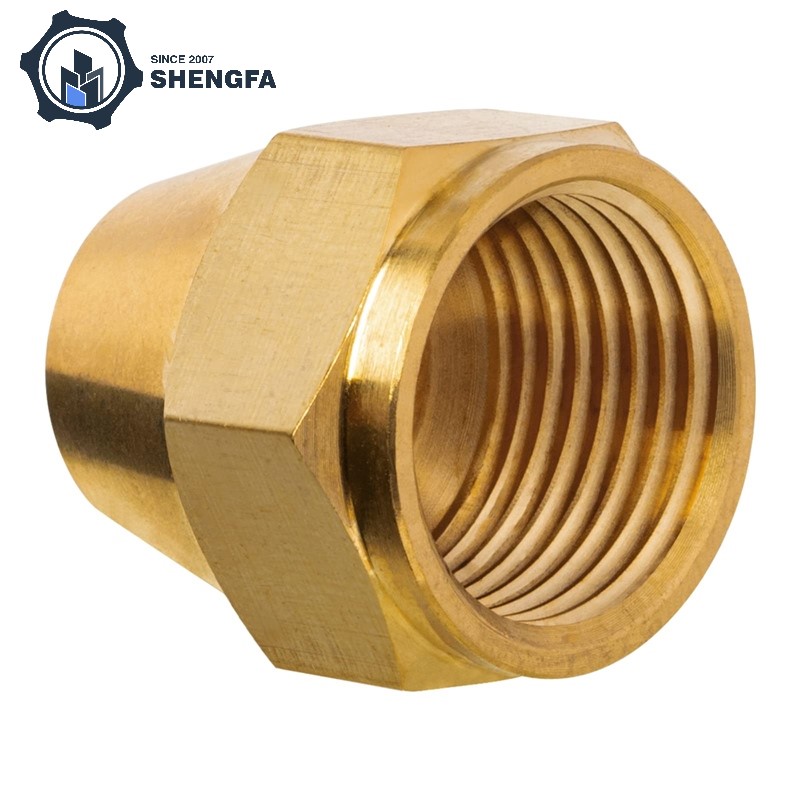
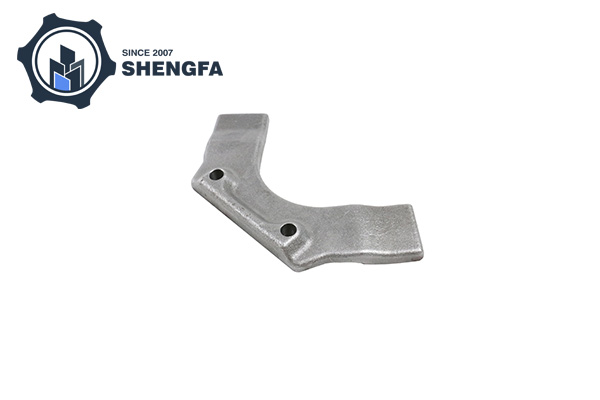
You’ll typically see Dacromet used in places where failure is not really acceptable, or at least not frequent. Fasteners are a common example, especially high-strength bolts that are exposed to weather or mechanical stress. Automotive components are another big area, particularly parts underneath the vehicle where moisture, salt, and debris are constantly present. It also shows up in construction hardware and power equipment, where long-term durability matters more than initial appearance. These are not decorative applications, they’re functional ones, and that distinction matters quite a bit.
There’s also been a gradual shift over the years driven by environmental and regulatory pressure, although this doesn’t always get discussed in detail. Traditional plating processes can involve substances that are becoming more restricted, and companies are slowly moving toward alternatives that are easier to manage from a compliance standpoint. Many Dacromet systems today are formulated to be chromium-free, which helps in that regard. It’s not necessarily the only reason companies switch, but it does remove one more complication from the decision.
At the end of the day, Dacromet coating is not some universal solution that replaces everything else, and it’s probably not meant to be. It sits somewhere in that category of “use it when it actually matters.” If the goal is simply to reduce cost or improve appearance, there are other options. But if the requirement is long-term corrosion resistance, stable performance, and fewer unexpected issues over time, then it becomes a much more reasonable choice. A lot of engineers and buyers don’t start with Dacromet, but after running into the limits of simpler coatings, they often end up coming back to it.
So in a way, Dacromet is less about being the first option, and more about being the one that works when other solutions stop being reliable enough.