When people evaluate hardware quality, they often look at strength ratings, material grades, or certification documents. These are important, but they do not always explain how long a component will actually perform in real conditions.From our experience, product life is influenced by something less visible: machining stability.
A bolt or nut may meet all specified requirements when it leaves the factory. It may pass tensile tests, hardness checks, and dimensional inspection. Yet over time, small inconsistencies in machining can affect how that fastener behaves under load, vibration, and environmental exposure.
We did not fully understand this connection in the beginning. It became clearer only after years of working with repeat orders, field feedback, and long-term cooperation with international customers.
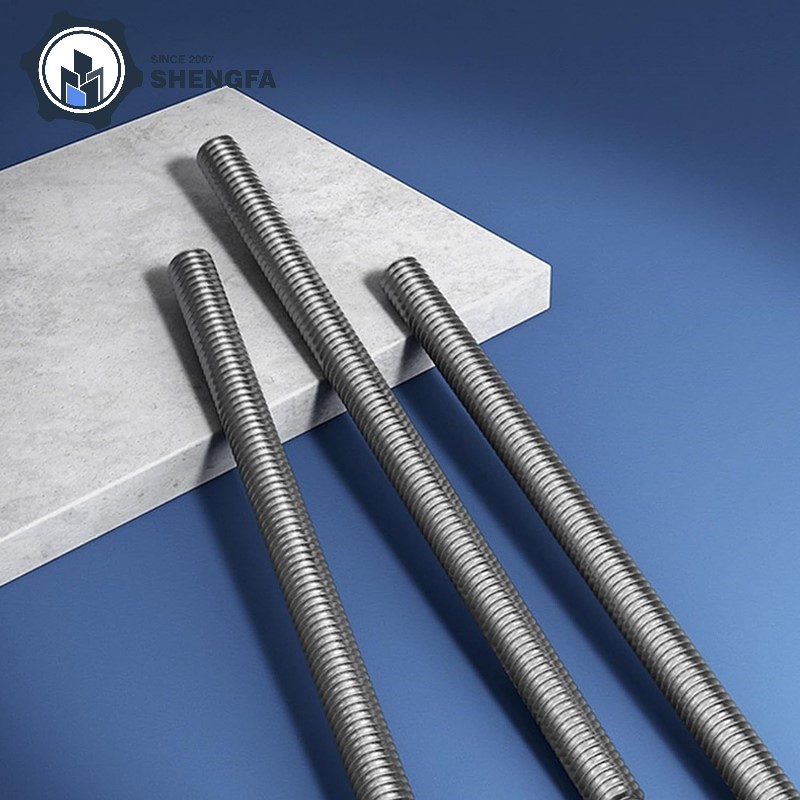
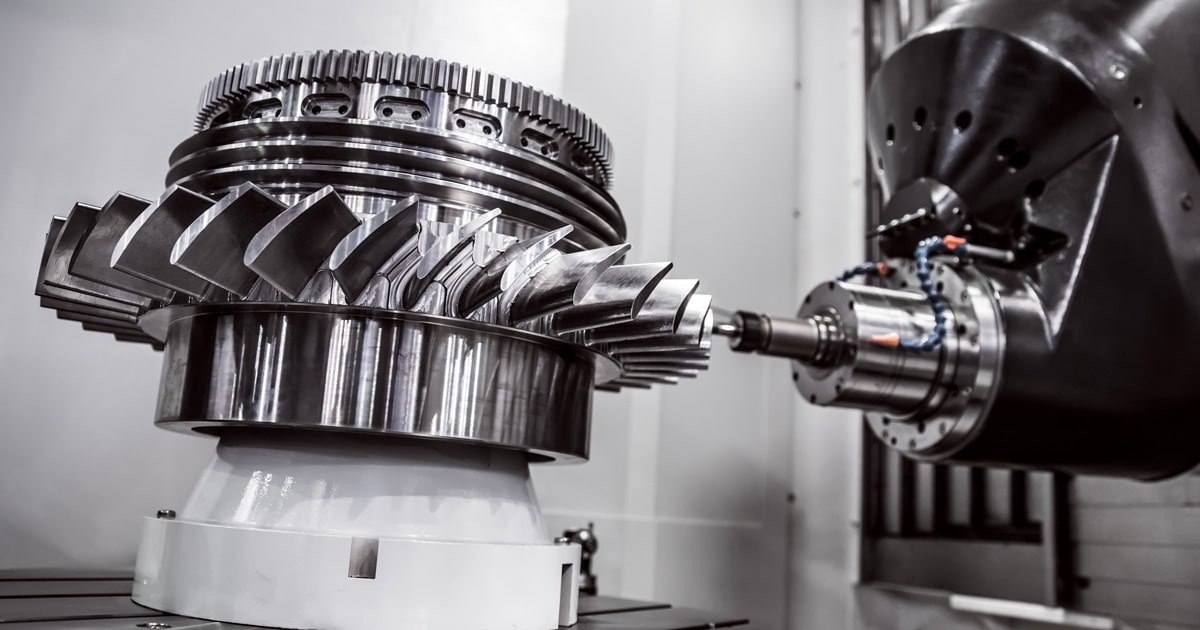
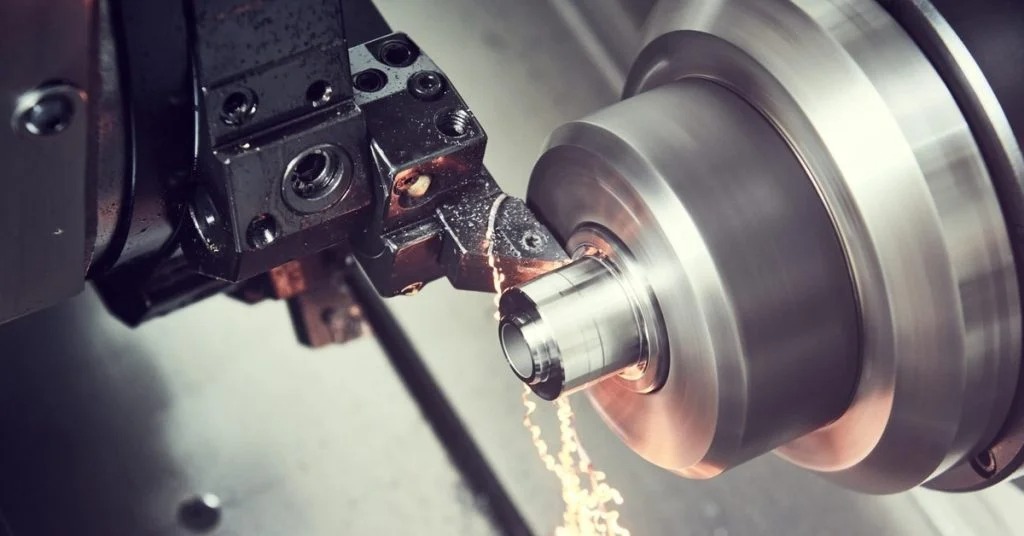
CNC machining is usually seen as a finishing step, where dimensions are brought into tolerance and threads are formed. In reality, it also influences how a component responds to stress over time. Thread geometry is one example. A bolt and nut must engage smoothly and distribute load evenly across the contact surfaces. If thread pitch, angle, or surface finish varies slightly from part to part, the load may not be shared uniformly.
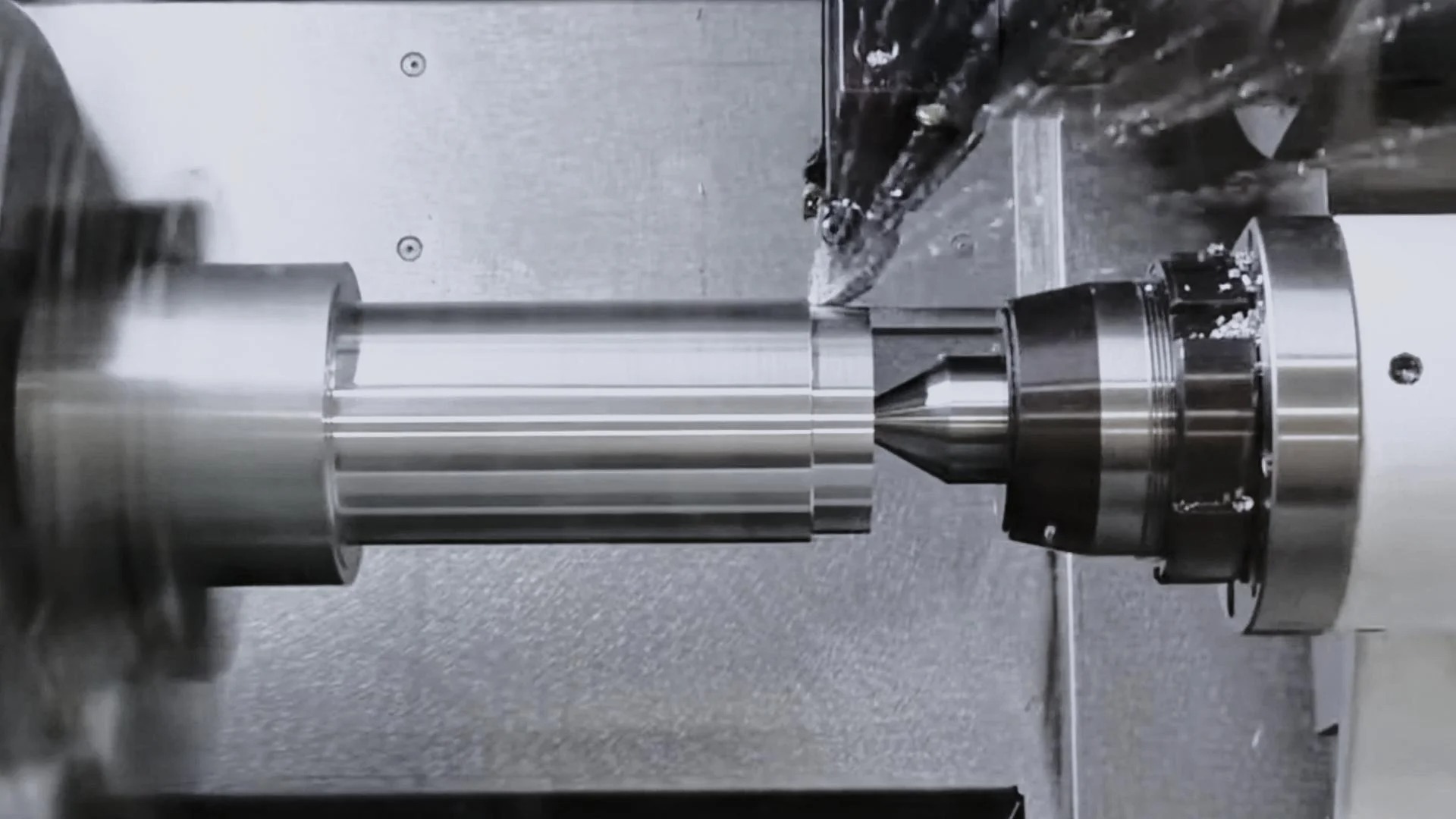
At first, this may not cause visible issues. Assembly may still be possible. But under repeated stress or vibration, uneven load distribution can accelerate wear or loosening. We have seen situations where fasteners that passed inspection performed differently in actual use. The differences were not dramatic, but they were consistent enough to affect long-term reliability.
Looking back, these variations often traced back to machining stability. Small fluctuations in cutting parameters, tool wear, or clamping conditions created subtle differences in thread quality.
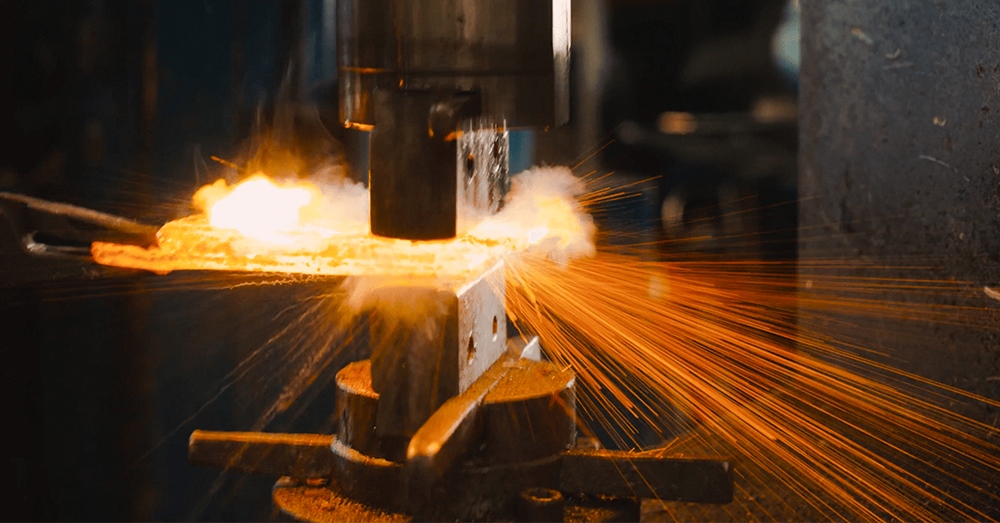
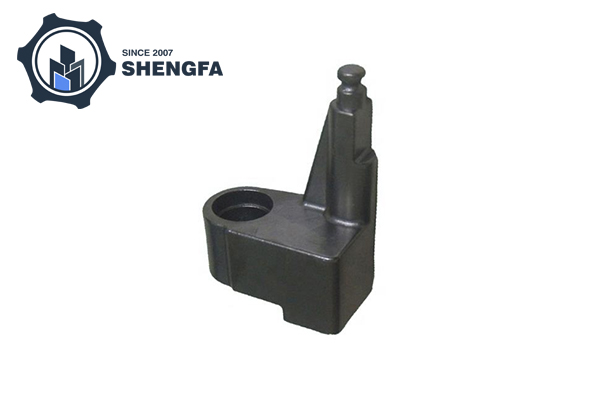
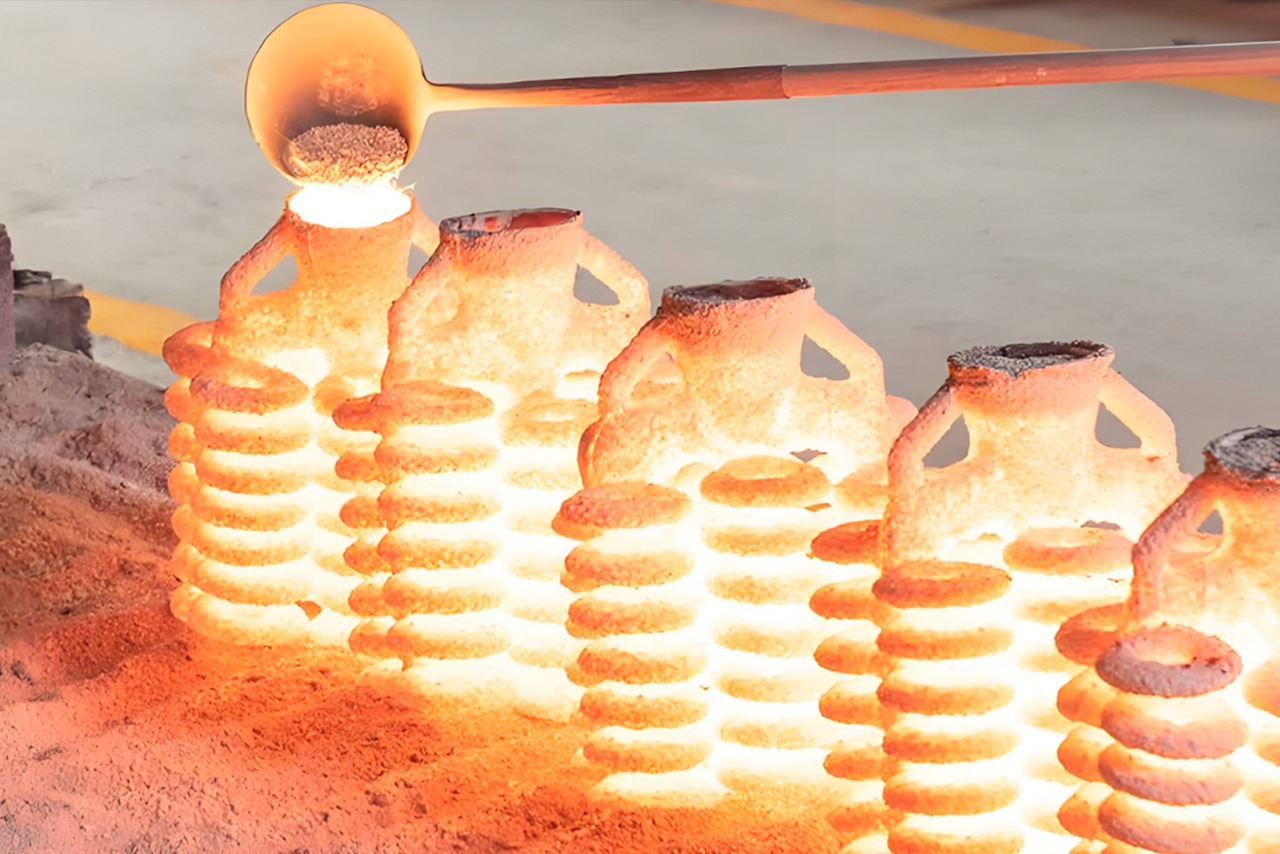
Forging and casting also play a role here. If the initial blank is inconsistent, machining has to compensate. That compensation can introduce variation in how material is removed, which then affects final geometry.
One of the most practical lessons we learned is how tool wear affects product life, not just dimensional accuracy. Cutting tools do not stop working suddenly. Instead, they change gradually. Edges become less sharp, surface finish begins to shift, and cutting forces increase slightly.
If tool wear is not controlled, these gradual changes can influence the surface condition of machined parts. For fasteners, surface quality matters more than it might seem. It affects friction during assembly and can influence how coatings adhere during surface treatment.
We used to focus mainly on whether parts were within tolerance. Over time, we started paying more attention to how stable the process was across an entire batch. Replacing tools earlier than strictly necessary reduced variation in surface finish and thread quality. It also made machining results more predictable.
Heat treatment adds another layer to this relationship. If machining introduces uneven stress or surface irregularities, heat treatment may amplify those effects. Distortion can become more noticeable, and hardness distribution may become less uniform.
Surface treatment is also affected. Coatings adhere differently depending on surface condition. If machining results vary, coating thickness and consistency may also vary, which can influence corrosion resistance over time.
At NINGBO SHENGFA HARDWARE, these connections became clearer as we worked with customers who required consistent performance over long service periods. They were not only concerned with whether a bolt met specifications, but whether it behaved the same way after months or years of use.
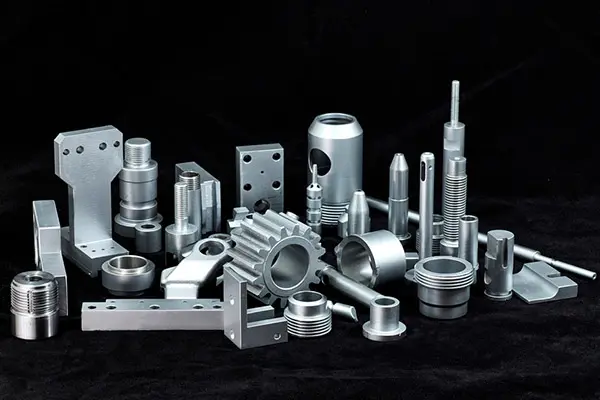
It is possible to produce very precise components even with an unstable process, at least in the short term. Skilled operators can adjust parameters, compensate for variation, and bring parts back into tolerance. But this approach is difficult to sustain.
Frequent adjustments introduce new variables. Each change, even when made carefully, creates a slightly different condition. Over time, these differences accumulate. We noticed that when machining processes were constantly being “optimized,” results became less predictable, not more.
For products like bolts, nuts, and structural fasteners, this stability translates directly into more consistent performance. Assembly becomes smoother. Torque behavior becomes more predictable. Long-term reliability improves.
At NINGBO SHENGFA HARDWARE, we began to see machining not just as a way to achieve dimensions, but as a process that influences how parts perform over time. The relationship between machining stability and product life is not always obvious in short-term testing. But it becomes clear through experience.
Customers often evaluate hardware based on test reports or certifications. These are necessary, but they represent only a snapshot. Product life is a longer story. It includes how a fastener behaves after repeated use, how it responds to environmental conditions, and how consistently it performs across different batches. These factors are shaped by the manufacturing process, especially machining stability.
A bolt that is produced under stable conditions tends to have more uniform thread geometry, smoother surface finish, and more predictable interaction with coatings and heat treatment. These characteristics support longer service life.
On the other hand, a bolt produced under variable conditions may still meet specifications, but its performance may vary slightly. Over time, those differences can become more noticeable. From our perspective, the goal is not just to meet requirements once, but to maintain the same level of quality over time. That requires discipline.
At NINGBO SHENGFA HARDWARE, machining stability is treated as part of a larger system that includes forging, casting, heat treatment, and surface finishing. Each stage contributes to how the final product behaves in real use. When these processes are aligned and controlled, product life becomes more predictable.
In export manufacturing, customers rarely evaluate a supplier based on a single shipment. What matters is how products perform over time. If bolts and nuts behave consistently across multiple orders, trust builds naturally. If performance varies, even slightly, customers begin to notice.
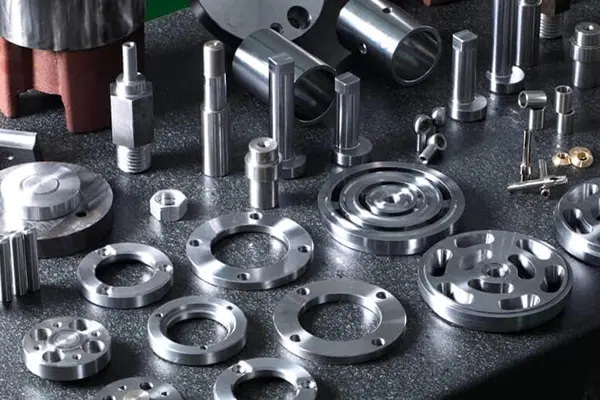
Machining stability plays a quiet role in this process. It does not attract attention when everything works as expected. But it becomes visible when variation appears. Over the years, we have come to value stability more than short-term precision gains. A process that produces consistent results day after day is more valuable than one that occasionally produces perfect results but lacks repeatability. This way of thinking has influenced how we manage our production.
At NINGBO SHENGFA HARDWARE, we continue to refine machining processes not by making them more complex, but by making them more stable. The goal is not to chase perfection in isolated cases, but to build reliability over time. Because in the end, product life is not defined by one measurement. It is defined by how consistently a product performs in the real world. And that consistency begins with machining stability.