At a glance, choosing between aluminum rings and steel rings doesn’t seem complicated.
Most people start with a few basic ideas. Aluminum is lighter, easier to machine, and better for applications where weight matters. Steel is stronger, more durable, and usually preferred for heavy-duty use. These points are not wrong, and in many cases, they are enough to make a decision.
But once production actually begins, the differences between aluminum and steel don’t just stay at the material level. They start to show up in machining behavior, surface treatment, consistency across batches, and even how the parts feel during assembly.
We didn’t fully realize this at the beginning. It became clearer over time, especially when both types of rings were produced under similar conditions and sent to customers who used them side by side.
At NINGBO SHENGFA HARDWARE, comparing aluminum and steel rings in real production situations helped us understand that the practical differences are not always the ones you see on paper.
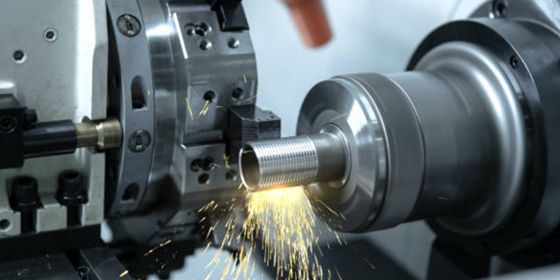
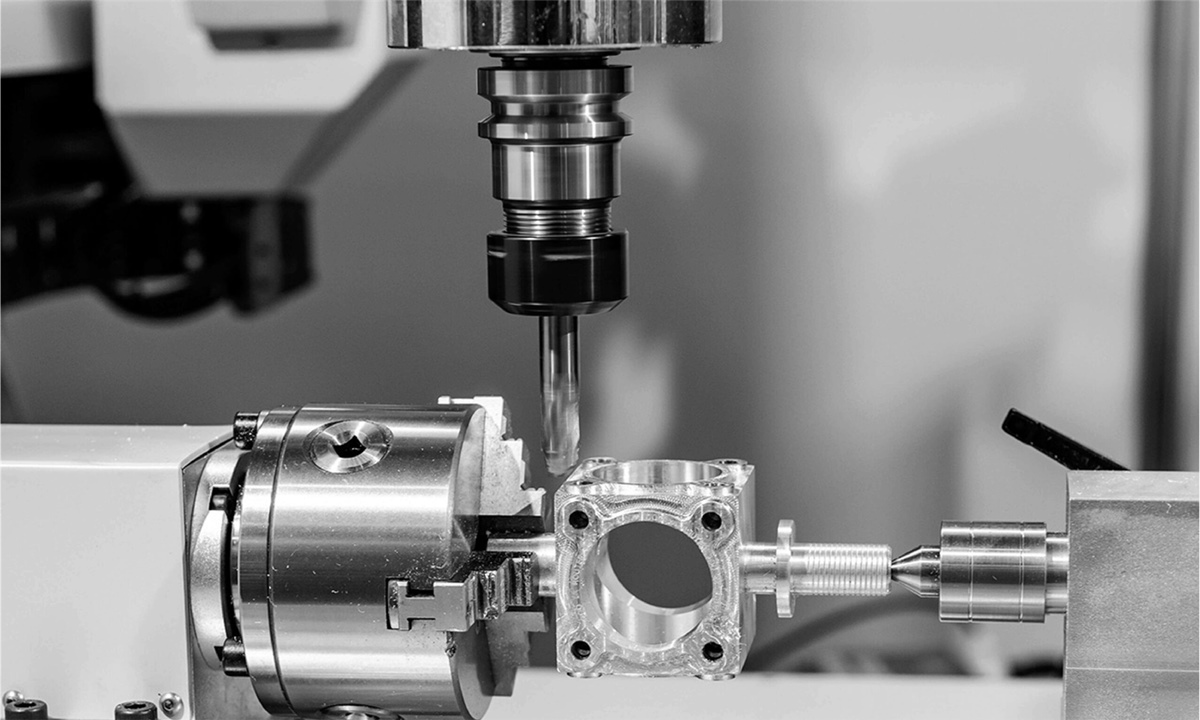
CNC machining is usually where the first clear difference appears.
Aluminum is often described as easy to machine, and that is generally true. Cutting forces are lower, and material removal is faster. Tools last longer under the same conditions, and the process tends to run smoothly if parameters are set correctly.
Steel behaves differently. It requires more force, generates more heat, and puts more stress on tools. Tool wear becomes more noticeable, and machining stability depends more heavily on proper setup.
But what surprised us was not just the difference in difficulty, but the difference in consistency.
With aluminum rings, the process can be fast, but it is also more sensitive. Small changes in tool condition or cutting parameters can affect surface finish or tolerance. Built-up edge, for example, may appear without much warning and change the result slightly from one batch to another.
Steel rings, on the other hand, tend to behave more steadily once the process is stable. They are harder to machine, but less sensitive to small fluctuations. If the setup is correct, the results are often more predictable over longer production runs.
At NINGBO SHENGFA HARDWARE, we’ve seen cases where aluminum machining looked smooth at first but required more frequent adjustments to maintain consistency, while steel machining, although slower, stayed more stable once dialed in.
Surface treatment is another area where aluminum and steel rings begin to separate in practical terms.
For aluminum, anodizing is one of the most common choices. It provides corrosion resistance and a clean appearance, but it also introduces variables. Color consistency, surface preparation, and coating thickness all need to be controlled carefully.
Even when machining results are consistent, anodizing can reveal differences. Slight variations in material composition or surface condition can lead to visible color shifts between batches. For applications where appearance matters, this becomes an issue quickly.
Steel rings usually go through different surface treatments—plating, black oxide, or other protective coatings. These processes also require control, but they tend to be less sensitive to small material variations compared with anodizing.
That doesn’t mean steel is easier overall. Plating thickness can still affect fit, especially for precision assemblies. But visually, steel finishes are often more forgiving.
We’ve had customers who switched from aluminum to steel rings not because of strength, but because they wanted more consistent surface appearance across shipments.
At NINGBO SHENGFA HARDWARE, this kind of feedback made us realize that surface treatment is not just a finishing step—it often defines how consistent the final product appears.
Weight and strength are usually the first reasons for choosing between aluminum and steel, but they are not always the deciding factors in real applications.
Aluminum rings are lighter, which makes them easier to handle and suitable for applications where reducing weight matters. In some cases, this also simplifies assembly, especially when parts need to be installed manually or repeatedly.
Steel rings, being heavier and stronger, are better suited for high-load environments. They maintain their shape under stress and are less likely to deform over time.
But in production and use, other factors start to matter just as much.
Aluminum’s lower strength means it is more sensitive to deformation if tolerances are not controlled carefully. Even small changes in machining or handling can affect how the ring fits in its application.
Steel is more forgiving in that sense. It can handle minor variations without changing performance as noticeably.
However, this doesn’t automatically make steel the better choice. In some applications, the extra weight and machining cost are not justified, and aluminum remains the more practical option.
At NINGBO SHENGFA HARDWARE, we’ve seen that the decision is rarely about one factor alone. It’s about how material behavior, machining stability, and surface treatment all come together in the final use.
One of the most noticeable differences between aluminum and steel rings shows up over multiple production batches.
With aluminum, maintaining consistent appearance and feel requires careful control at every step—material selection, CNC machining, and anodizing all need to stay aligned. Small variations in any stage can show up in the final product.
With steel, consistency often depends more on machining stability and coating control. Once those are stable, results tend to stay closer from batch to batch.
This doesn’t mean one is better than the other. It simply means the type of control required is different.
We’ve had long-term customers using both aluminum and steel rings for different applications, and their expectations are not the same. For aluminum, they pay more attention to appearance and finish. For steel, they focus more on durability and fit under load.
At NINGBO SHENGFA HARDWARE, working with both materials over time has made one thing clear. The real difference is not just in the material itself, but in how the entire production process needs to adapt to it.
In the end, selecting between aluminum and steel rings is not just a design decision. It is also a production decision.
On paper, the comparison looks simple. In practice, it depends on how each material behaves during machining, how surface treatment affects the result, and how consistent the process can remain over time.
Aluminum offers speed and weight advantages, but requires tighter control to maintain consistency. Steel offers stability and strength, but comes with higher machining demands.
At NINGBO SHENGFA HARDWARE, we’ve learned that the best choice is the one that fits not only the application, but also the production conditions behind it.
Because once production starts, the differences between aluminum and steel are no longer theoretical. They show up in every batch, every surface finish, and every assembly step. And that’s where the real comparison happens.