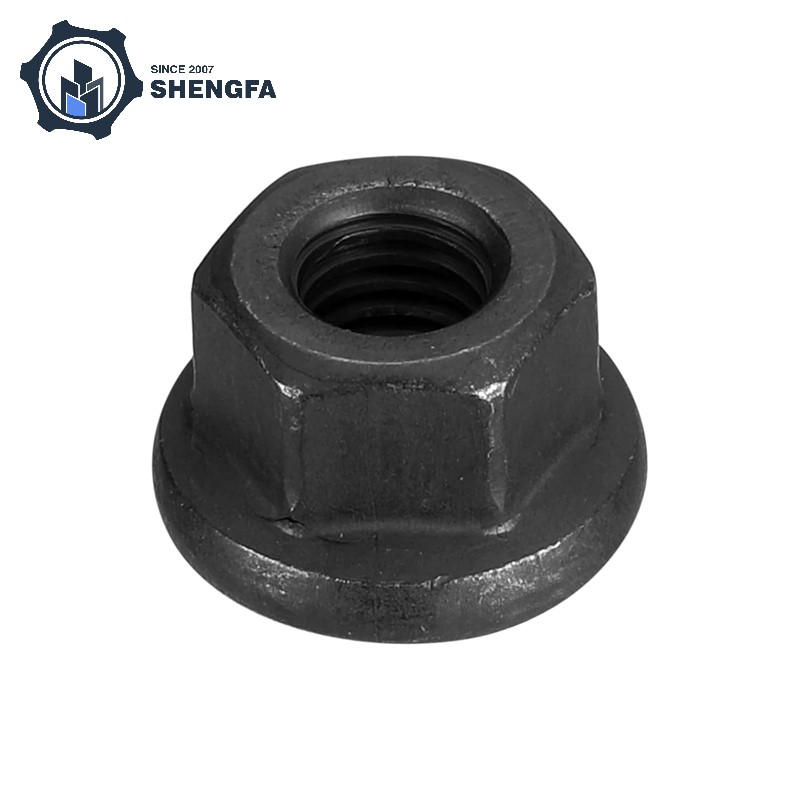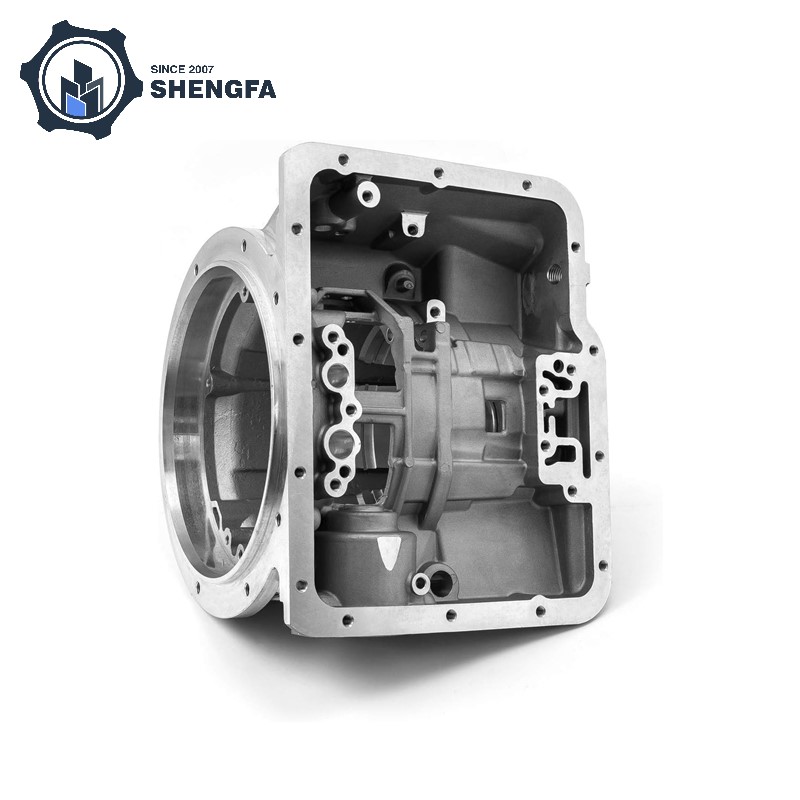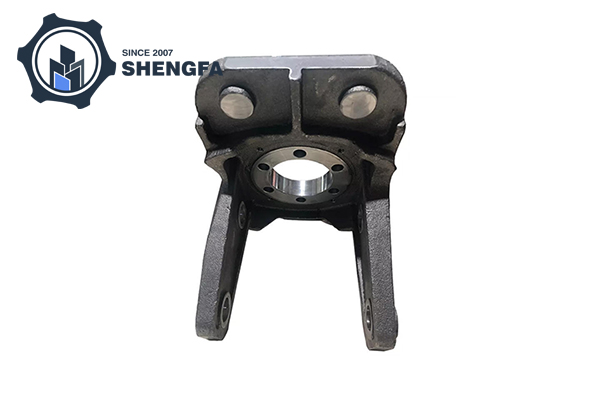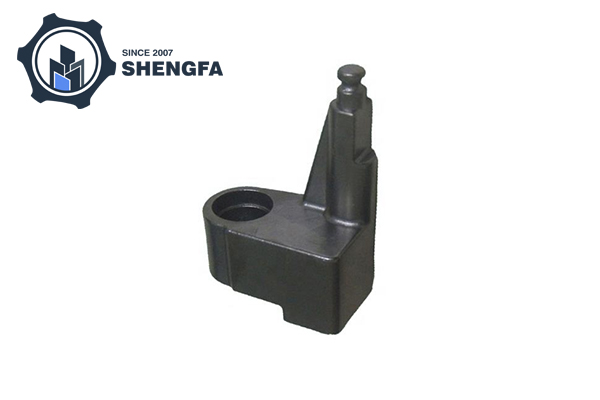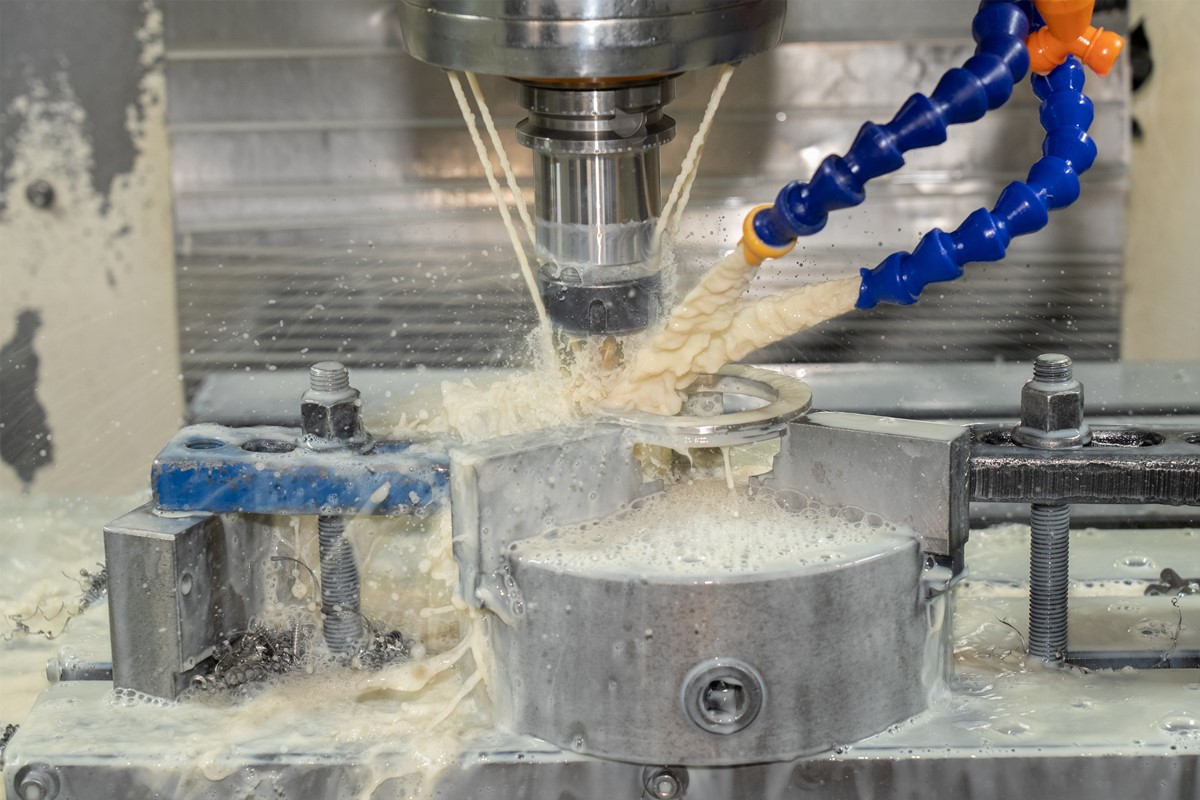
Summary: Hot forging is a process that involves shaping metal using heat and pressure, resulting in parts that are strong, durable, and precise. This method plays a crucial role in manufacturing parts for various industries. In this article, we explore the process of hot forging, the types of parts produced, its advantages, and common applications. We will also answer some frequently asked questions to provide a deeper understanding of this manufacturing technique.
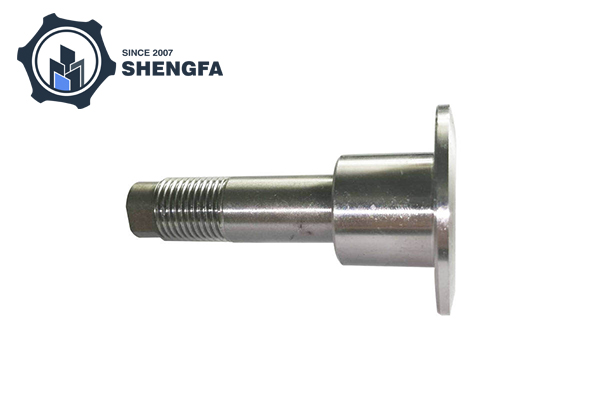
Table of Contents:
Hot forging is a metalworking process where metal is heated to a high temperature, above its recrystallization point, and then shaped using compressive forces. The heat makes the metal more malleable, allowing it to be deformed into the desired shape without cracking. Hot forging is used to manufacture parts that require high strength and durability, such as automotive components, industrial machinery, and aerospace parts.
The process of hot forging typically involves the following steps:
At SHENGFA, we specialize in manufacturing high-quality hot forged parts that meet the highest standards of precision and durability.
Hot forging offers several benefits over other manufacturing methods:
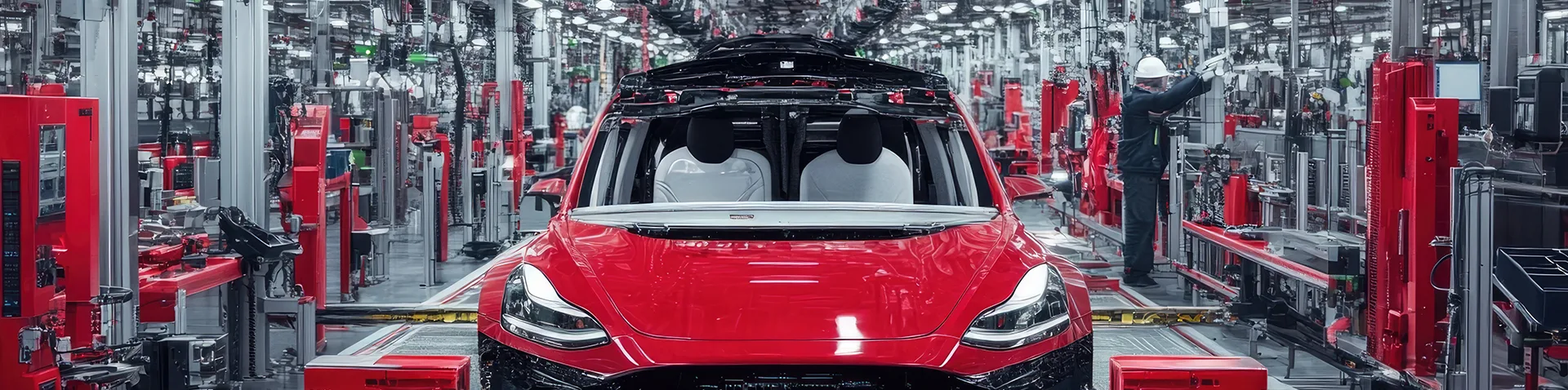
Hot forged parts are used across many industries where strength and precision are critical. Some common applications include:
| Industry | Applications |
|---|---|
| Automotive | Engine components, suspension parts, transmission gears |
| Aerospace | Landing gear, turbine blades, structural components |
| Oil & Gas | Valve bodies, fittings, drilling tools |
| Industrial Machinery | Gearboxes, bearings, shafts |
At SHENGFA, we provide hot forged parts that meet the stringent requirements of these industries, ensuring exceptional quality and performance in every product.
Hot forging can be performed on a wide variety of materials, including steel, aluminum, titanium, and copper alloys. The choice of material depends on the part's intended application and performance requirements.
In cold forging, the metal is shaped at room temperature, which can lead to higher tensile strength. However, hot forging allows for more complex shapes and is more suitable for materials that become too hard to shape at lower temperatures.
The tolerances for hot forged parts can vary depending on the complexity of the part and the material used. Generally, hot forged parts have tighter tolerances than cast or stamped parts but may require additional finishing processes for precise dimensions.
Hot forging can be more expensive than casting or stamping due to the cost of equipment and energy used during the heating process. However, it is often more cost-effective in the long run due to the strength, precision, and reduced need for post-processing.
Yes, SHENGFA specializes in producing custom hot forged parts tailored to your specific needs. Whether you require standard or highly complex designs, we can provide you with the best solutions for your application.
If you're looking for high-quality hot forged parts for your manufacturing needs, SHENGFA is here to help. Contact us today to discuss your requirements, and our team will provide you with the best solutions to suit your project.