At first glance, aluminum parts and steel parts are often compared in simple terms. Aluminum is lighter, easier to machine, and widely used in applications where weight matters. Steel is stronger, more rigid, and generally seen as more stable under stress. These comparisons are useful, but they don’t fully explain what happens in actual production.
Over time, especially when producing both aluminum and steel components in parallel, a pattern starts to appear. Aluminum parts tend to show variation more quickly. Not necessarily defects, and not always outside tolerance, but small differences that become noticeable earlier than with steel.
This is something we didn’t fully recognize at the beginning. It became clearer through repeated production, especially when customers started comparing batches over time rather than just checking individual shipments.
At NINGBO SHENGFA HARDWARE, working with both materials across CNC machining, forging, and finishing processes made this difference more visible. It’s not about one material being better than the other. It’s about how each material responds to change.
One of the main reasons aluminum shows variation earlier is how it reacts during CNC machining. Aluminum is softer than steel. Cutting forces are lower, and machining is generally smoother. This makes it efficient to process, but also more sensitive. Small changes in tool condition, cutting speed, or feed rate can influence the result more quickly.
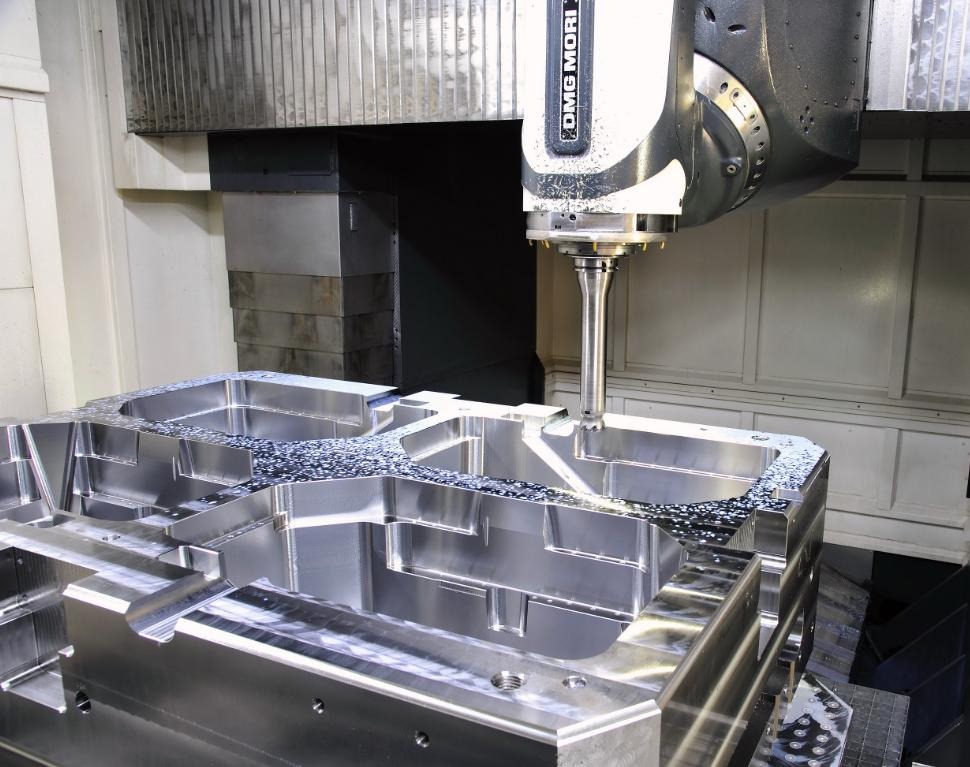
For example, tool wear behaves differently. When machining steel, tool wear builds gradually, but the material itself resists change. The cutting process remains relatively stable until wear reaches a certain point.
With aluminum, the effect appears sooner. A slightly worn tool may already start affecting surface finish or edge quality. Built-up edge can form without much warning, and once it does, it changes how the material is cut. The part is still within tolerance. Measurements still pass. But the surface may feel different, and that difference carries into assembly or later processing.
We’ve seen cases where aluminum parts from the same machine, produced within a short time frame, already showed slight variation in finish or feel. Steel parts under similar conditions tended to remain more uniform for longer periods. At NINGBO SHENGFA HARDWARE, this is why aluminum machining requires closer monitoring, even when everything appears to be running normally.
Another reason aluminum parts show variation faster is the way surface treatment interacts with the material. Aluminum parts are often anodized. This process improves corrosion resistance and appearance, but it also makes differences more visible. Anodizing does not hide inconsistencies. In many cases, it highlights them.
If the base surface from CNC machining is not fully consistent, anodizing will reflect that. Slight differences in surface texture, material composition, or preparation can lead to variations in color or finish.
Even when all process parameters are controlled, aluminum itself can respond differently from batch to batch. Two sets of parts, both meeting specification, may come out of anodizing with slightly different shades or surface feel.
Steel behaves differently in this area. Surface treatments such as plating or coating are generally less sensitive to small base material variations. They still require control, but the visual and functional differences are often less pronounced.
We’ve had situations where aluminum parts required additional attention after finishing, not because they failed, but because they didn’t match previous batches closely enough in appearance. At NINGBO SHENGFA HARDWARE, this is why surface treatment is not treated as a separate step. It is part of the overall consistency control, especially for aluminum products.
Material itself is another factor that contributes to this difference. Aluminum, whether from forging or casting, tends to have more variation in internal structure compared with steel. These variations are usually within acceptable limits, but they influence how the material behaves during machining and finishing.
For example, slight differences in density or grain structure can affect cutting response. One batch may produce a smoother finish under the same conditions, while another may require adjustment. These differences are not always visible at the raw material stage. They become noticeable only after machining or surface treatment.
Steel, in many cases, provides more consistent behavior. Its structure is generally more stable across batches, which helps maintain uniformity during production. This doesn’t mean aluminum is unreliable. It simply means that it reacts more visibly to variation.
At NINGBO SHENGFA HARDWARE, we’ve learned that controlling aluminum production is less about eliminating variation completely, and more about managing how it shows up throughout the process.
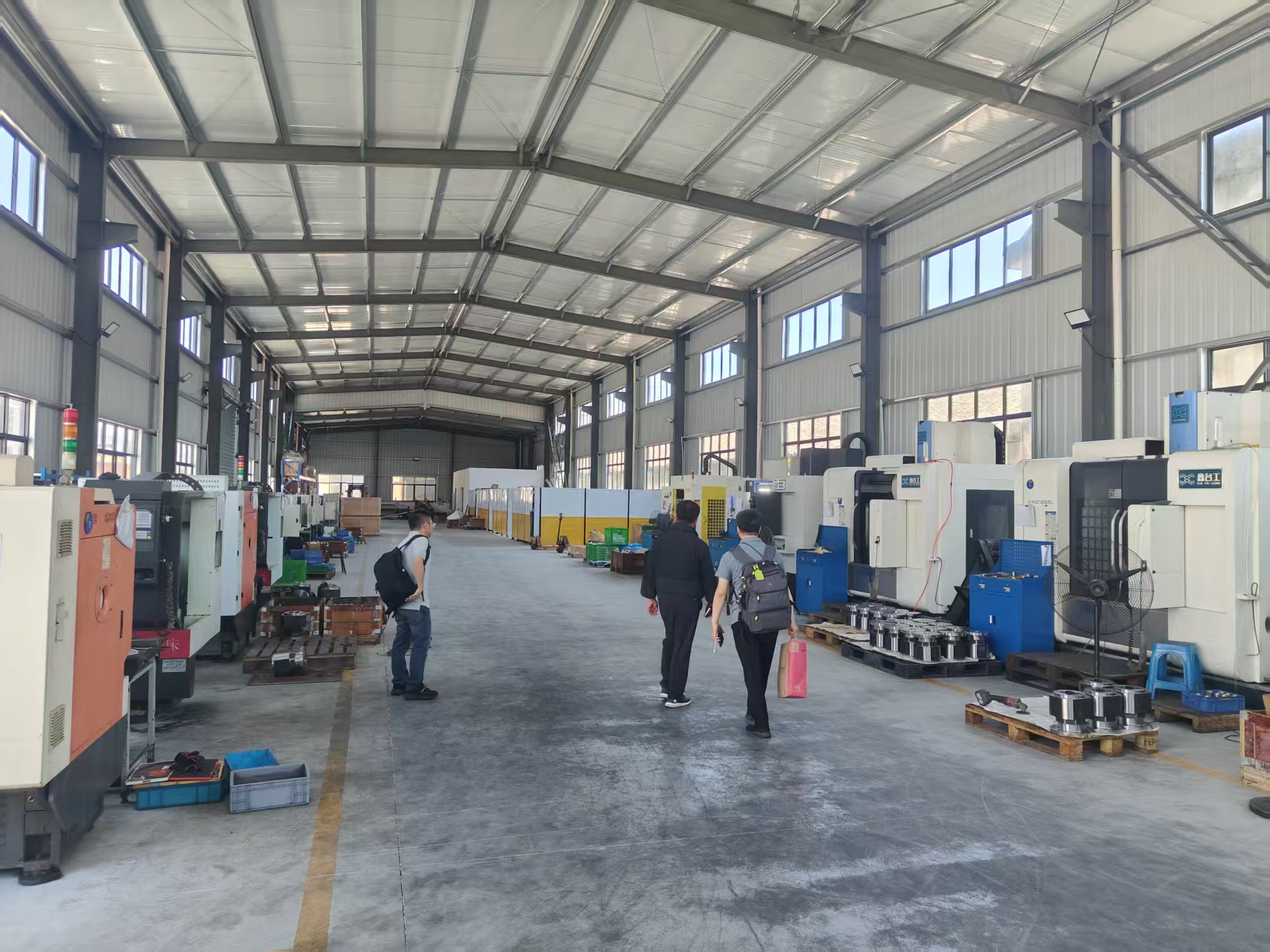
Another important point is how these differences appear in actual use. Customers don’t measure internal structure or machining parameters. What they notice is how parts behave. Do they assemble the same way? Do they look consistent? Do they feel the same during operation?
With aluminum parts, these differences tend to appear sooner. A slight change in surface condition may affect friction. A small variation in anodizing may affect appearance. Even when everything is within tolerance, the experience changes.
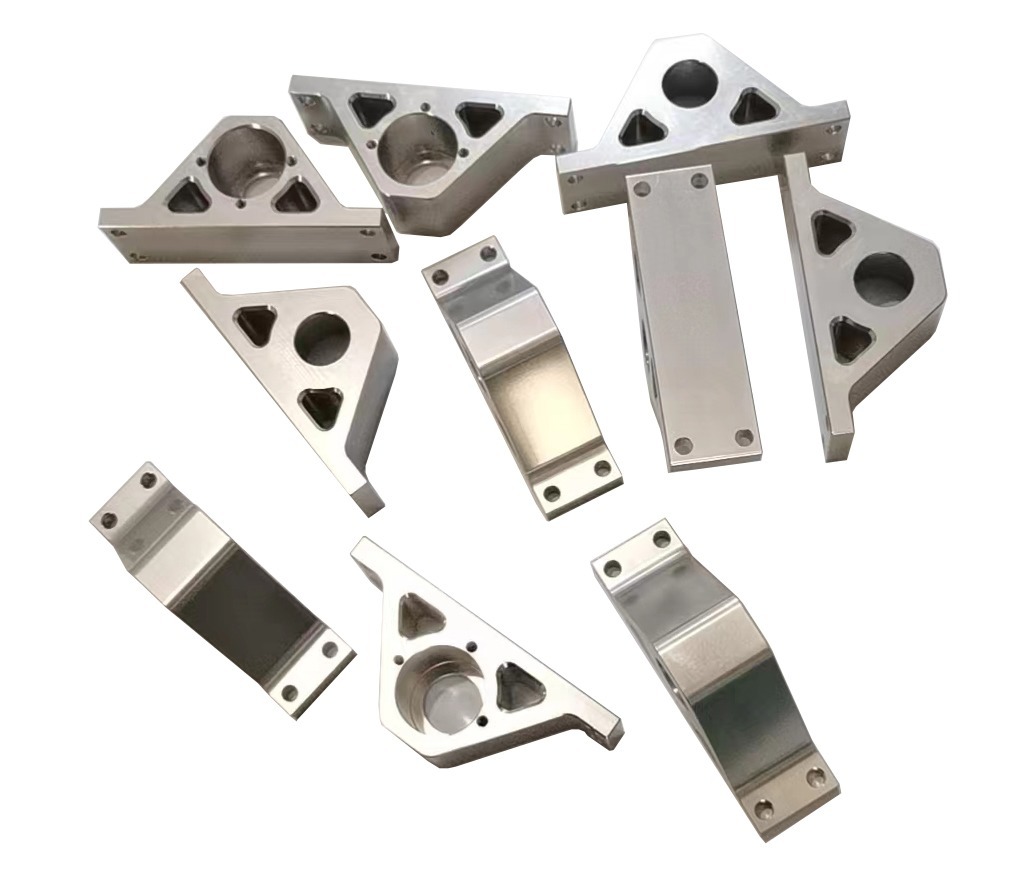
Steel parts, on the other hand, often maintain a more uniform feel over time. Changes still happen, but they are less noticeable in early stages. We’ve had feedback where customers described aluminum batches as “slightly different” without pointing to a specific issue. That kind of feedback is harder to trace, but it reflects real variation.
At NINGBO SHENGFA HARDWARE, this is why we focus more on repeatability when working with aluminum. The goal is not just to meet specification once, but to maintain the same result across multiple batches.
After working with both materials over time, one thing becomes clear. Aluminum does not tolerate uncontrolled variation as quietly as steel does. It responds faster, and the result becomes visible sooner.
This doesn’t make aluminum a worse material. In many applications, it is the better choice. But it does require a different approach.
Instead of focusing only on speed or efficiency, the process needs to stay stable. CNC machining conditions, tool management, material input, and surface treatment all need to be aligned.
At NINGBO SHENGFA HARDWARE, we’ve found that keeping aluminum production stable requires more attention to small details. Not because the material is difficult, but because it reflects changes more clearly. In the end, the difference between aluminum and steel is not just about strength or weight. It is about how each material reacts to variation. Steel tends to absorb it. Aluminum tends to show it.
And once you see that pattern in real production, it changes how you approach the process from start to finish.