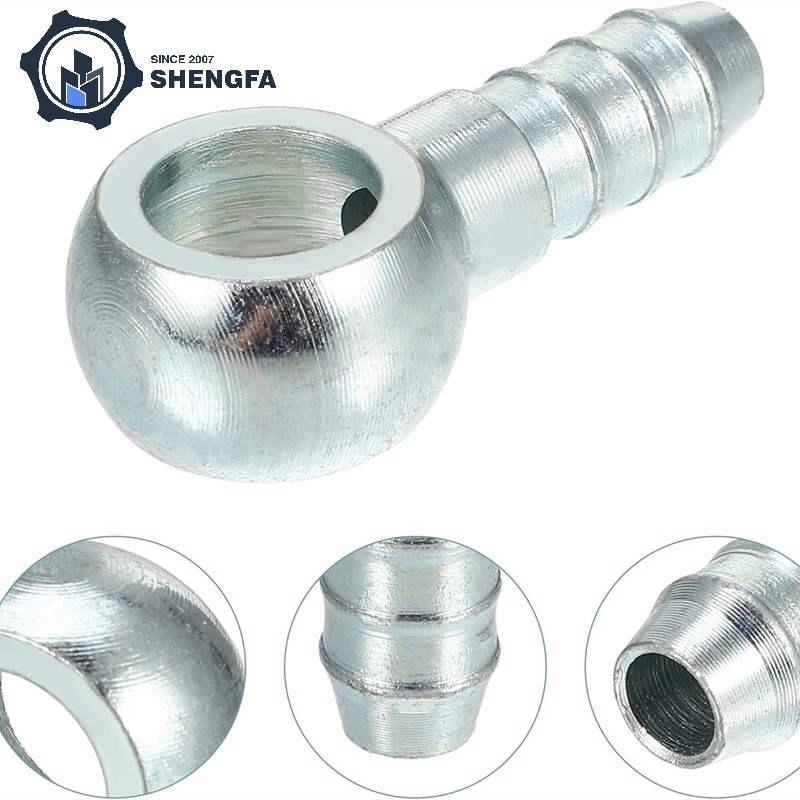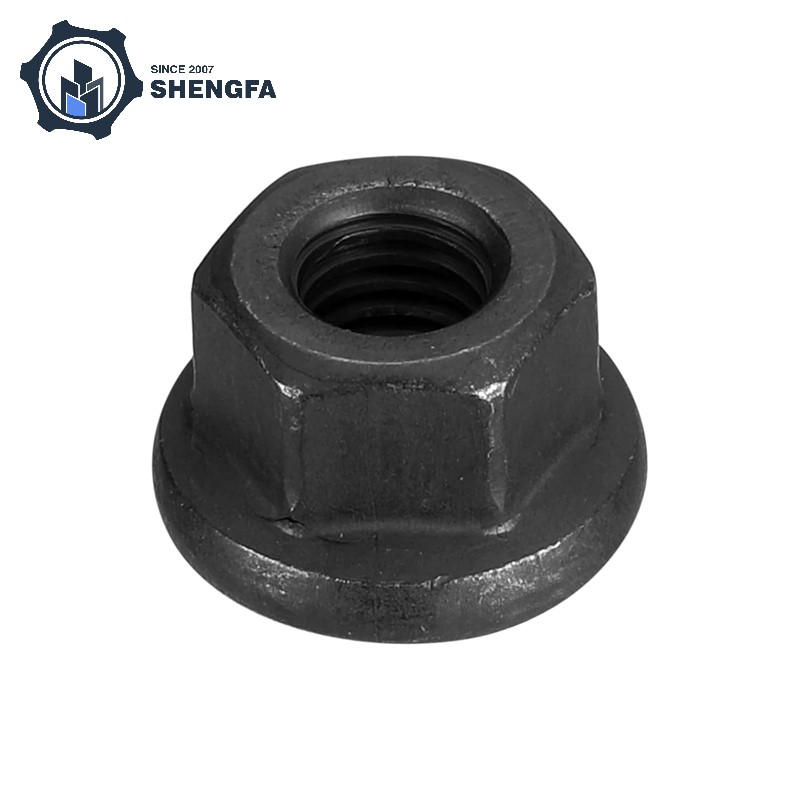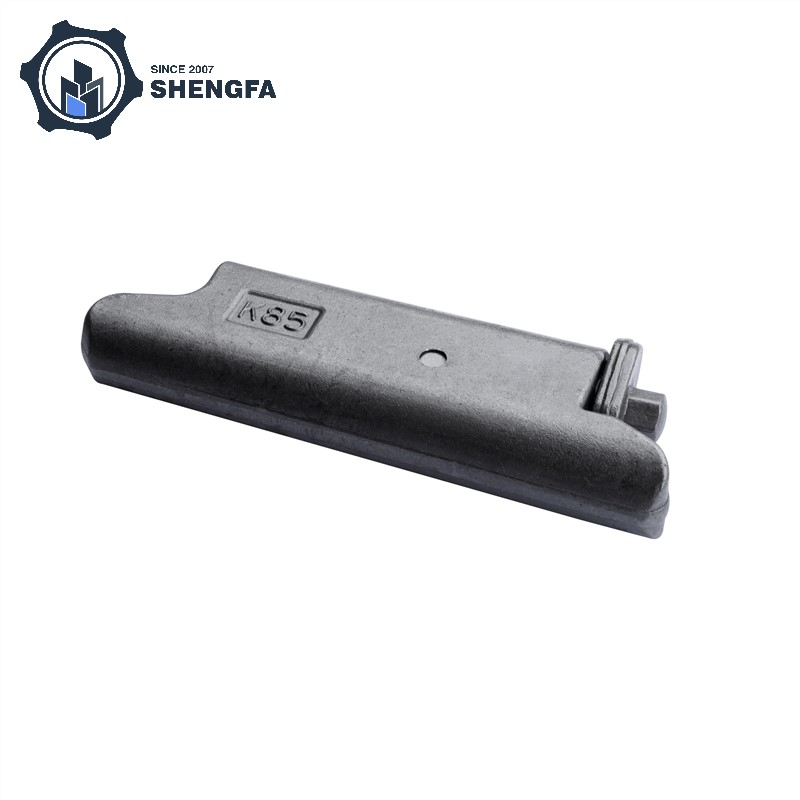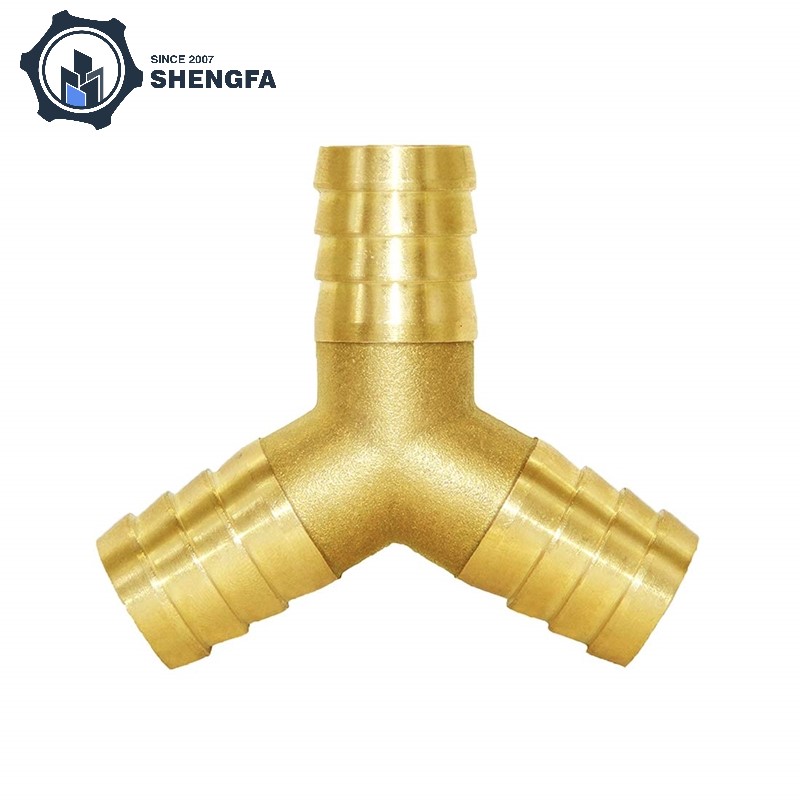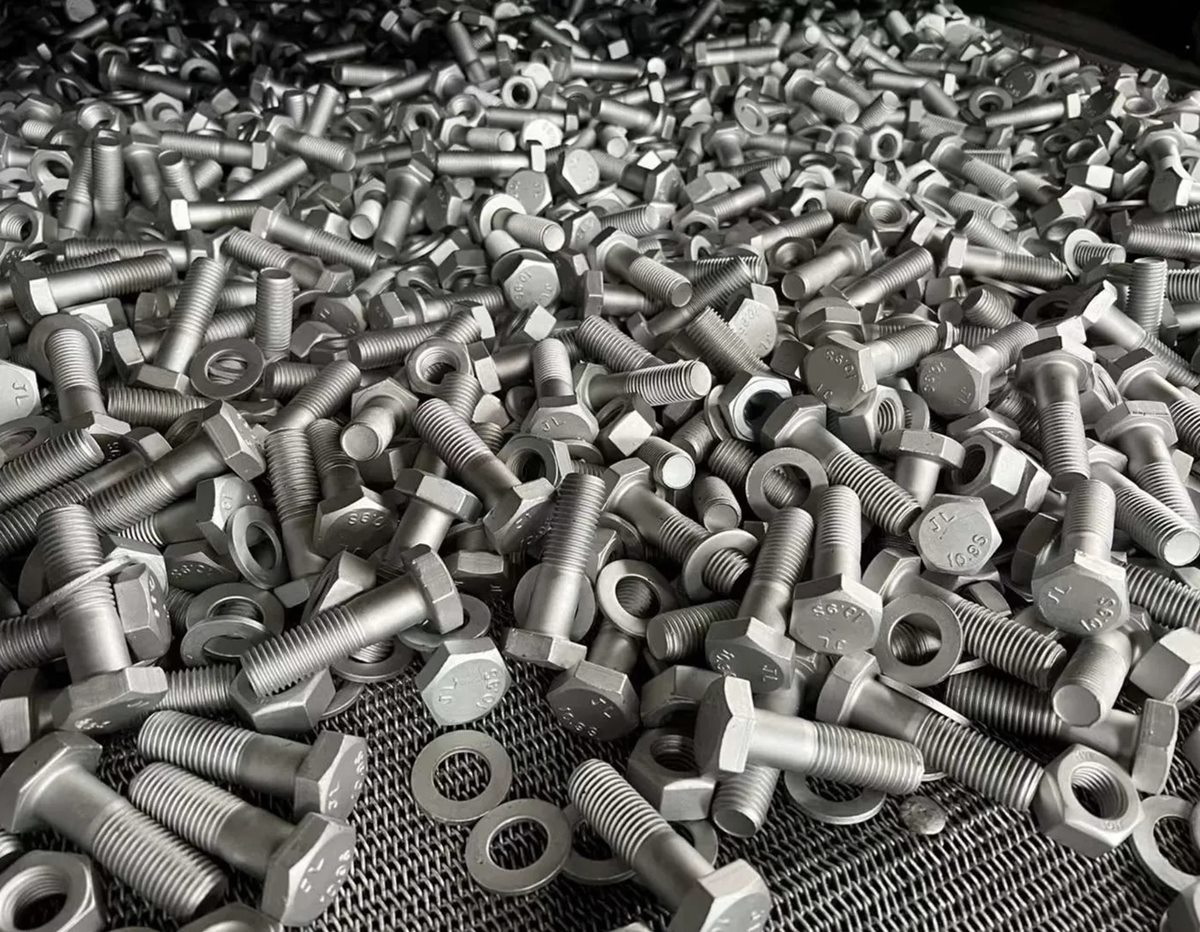
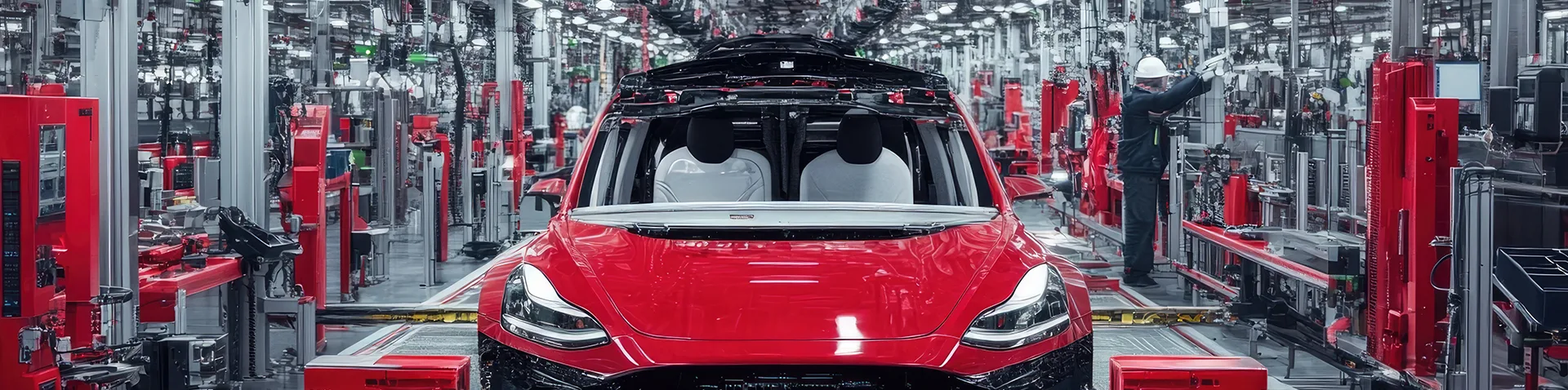
A finished fastener usually does not look like something that has gone through a complicated manufacturing process. A bolt is still a bolt when it reaches the customer, and a nut still looks like a relatively simple metal part. What is easy to miss is how much happens between the raw material and that finished component. There are forming decisions, machining work, thread control, surface treatment, inspection, and quite a few small judgments made along the way.
For high-volume hardware production, getting one good part is not the difficult part. The harder job is making the next several thousand pieces behave in much the same way. That is where manufacturing experience starts to matter. At NINGBO SHENGFA HARDWARE, we have found that a reliable fastener is usually the result of a process that has been kept stable for a long time, rather than a single operation that looks impressive on paper.
For many bolts and other fasteners, the production story begins with a steel wire or bar that needs to be prepared for forming. Before the material reaches a forging machine, there are already decisions to make about material condition, dimensions, and how the production route should be arranged. These details may seem ordinary, but they can influence what happens later.
Forging is one of those processes that can look quite straightforward from a distance. The material is heated or otherwise prepared, placed into tooling, and formed under pressure. In reality, the material has to move in a controlled way. If the forming conditions change too much, the shape of the blank can vary, and that creates more work for the following operations.
A forged blank does not need to be the finished product. It simply needs to provide a stable starting point for everything that comes after it.
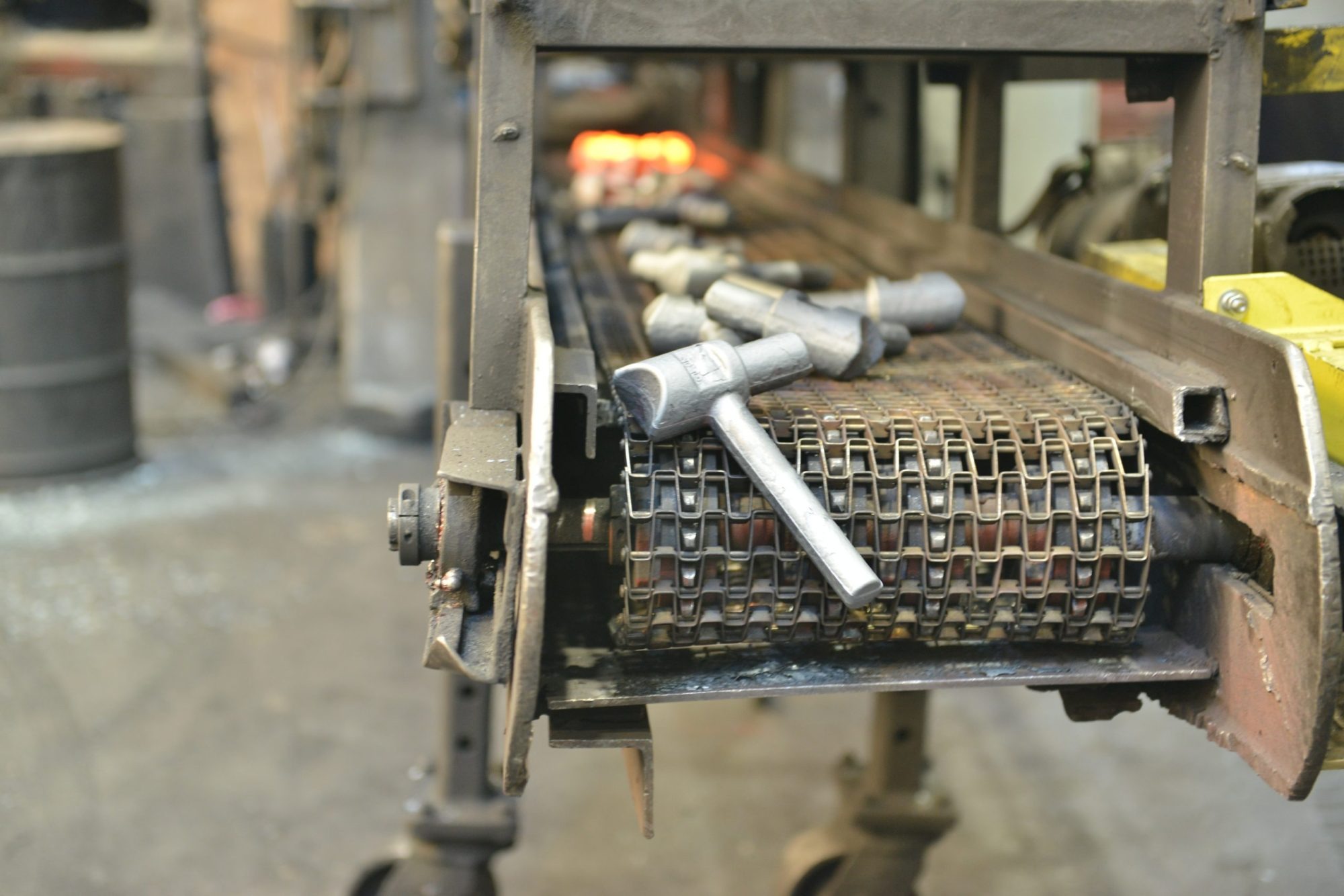
This is particularly important for bolts. The head, shaft, and overall geometry have to be formed in a way that supports later threading and finishing. If the initial shape is inconsistent, CNC machining may need to remove different amounts of material from different pieces. That makes the next operation harder to keep stable.
Material temperature is another factor that cannot be ignored. When metal behaves differently from one production run to another, the forming result can change even though the tooling has not changed. Experienced operators learn to watch these differences. Sometimes a production run looks normal at first, but small changes in material flow begin to appear after the machine has been running for some time. Catching those changes early is much easier than trying to correct hundreds of finished pieces later.
Not every fastener needs forging, of course. Depending on the shape, volume, material, and application, casting or investment casting may make more sense. These processes are useful when a component has geometry that would be difficult or inefficient to create through conventional forming. They have their own challenges, particularly around material flow, cooling, and dimensional stability.
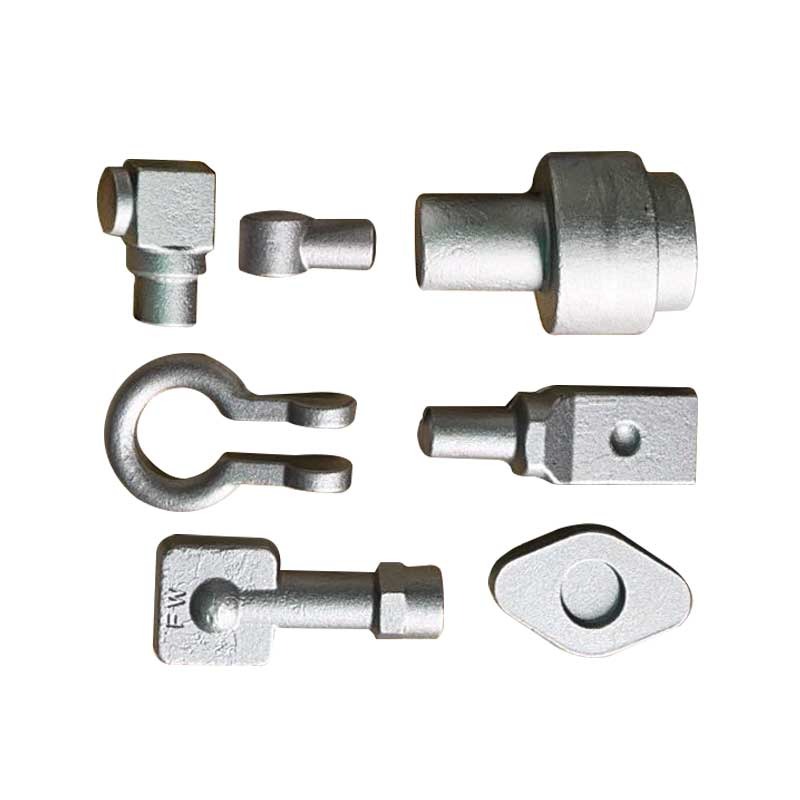
The manufacturing route can therefore change from product to product, but the basic idea stays the same. The first process needs to give the second process a reasonably stable starting point. If that relationship is ignored, problems tend to move down the line.
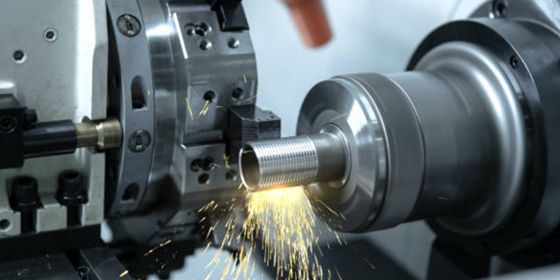
Once the basic form has been created, machining starts to bring the component closer to its final dimensions. This is where CNC machining becomes especially useful. Modern equipment can handle tight tolerances and repeat complicated operations with a high degree of accuracy, but the machine is not working in isolation.
Tool condition matters. Material condition matters. Cutting parameters matter. Even the way a part is positioned can affect the result.
One thing that can be misleading in CNC production is a very good first piece. If the first part comes out perfectly, it is tempting to assume that the process is already under control. But a production run is different. As the tool continues cutting, wear gradually develops. It may not be obvious immediately. A surface can become slightly rougher, a dimension can move toward the tolerance limit, or a thread-related measurement can begin to shift.
These changes are usually gradual, which is exactly why they can be overlooked.
At NINGBO SHENGFA HARDWARE, the focus is not simply on getting a machine to produce an accurate part. The bigger concern is whether the same setup can continue producing acceptable parts without constant intervention. In some cases, running a little more conservatively makes more sense than trying to reduce every possible second from the cycle time.
That approach is especially useful when producing fasteners in large quantities. A small difference repeated across a thousand pieces is no longer a small difference.
Threading deserves particular attention because it directly affects how a bolt and nut work together. A thread can meet a dimensional requirement and still feel different during assembly if the process is not stable. The relationship between thread profile, pitch, surface condition, and tolerance affects how smoothly the parts engage.
This is something customers often notice without necessarily describing it in technical language. They may simply say that one batch “feels better” during assembly. That kind of feedback can be useful. It tells the manufacturer that the numbers alone may not explain everything happening with the finished fastener.
Machining also has to work with the result of the earlier forging or casting process. If the incoming blanks are inconsistent, CNC machining has less room to operate efficiently. The machine can correct certain differences, but it cannot solve every problem created upstream.
This is why the production route needs to be considered as a whole. Forging and machining should not be treated as completely separate jobs. The quality of one affects the working conditions of the other.
After forming and machining, the fastener is still not ready to ship. Surface treatment is often the stage where appearance and protection are added, but it also has a practical effect on the final component.
Bolts and nuts may require plating, coating, or another surface treatment depending on where they will be used. Corrosion resistance is an obvious concern, particularly when the hardware is exposed to moisture or outdoor conditions. But the surface also affects friction and assembly behavior, so coating thickness and consistency cannot simply be treated as cosmetic issues.
The condition of the surface before treatment matters as well. If machining leaves inconsistent marks or if cleaning is not properly controlled, the final coating may show those differences. A surface treatment process cannot magically turn an unstable machined surface into a completely uniform one.
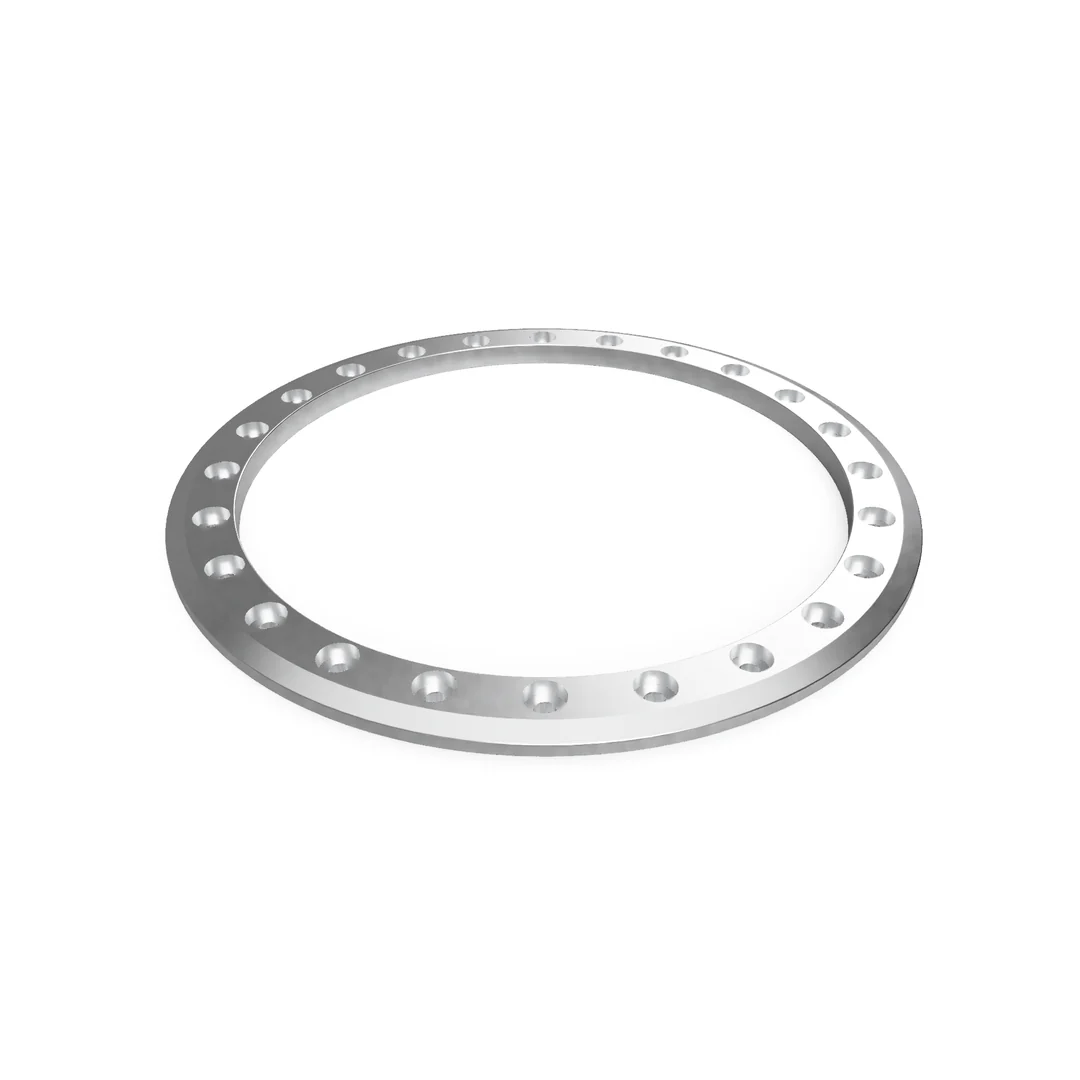
Aluminum components have their own finishing requirements. Anodizing, for example, can produce an attractive and durable surface, but it can also make differences between batches more noticeable. The condition of the aluminum before anodizing, the preparation process, and the treatment itself all influence the final appearance.
This is one reason final inspection should not be viewed as the only quality checkpoint. Inspection is important, but by the time a problem reaches the final stage, much of the manufacturing work has already been completed. It is better to understand where variation is coming from while production is still underway.
At NINGBO SHENGFA HARDWARE, final inspection is therefore part of a larger process rather than the entire quality system. Dimensions, threads, appearance, and surface condition all need to be checked, but the information from those checks is also useful for understanding the production process itself.
A good result should not be treated as luck. If a batch comes out particularly stable, it is worth understanding why. Was the material more consistent? Did the tooling remain in good condition? Were the machine settings left unchanged? Did the surface treatment run smoothly? Those questions can help make the next order more predictable.
That is really the value of experience in fastener manufacturing. The factory gradually learns which details are worth watching and which changes are unnecessary. Not every problem needs a complicated solution. Sometimes the best improvement is simply keeping a process from moving around too much.
From a forged blank to a finished fastener, there are many opportunities for variation to enter the process. The purpose of good manufacturing is not to pretend that variation can be completely eliminated. It is to keep it within a range that does not affect the customer's work.
A finished bolt may only take up a small space in a box. A nut may weigh almost nothing compared with the machine it is installed into. Yet these small components can determine whether an assembly fits smoothly, whether maintenance is straightforward, and whether a production line keeps moving without unnecessary interruptions.
That is why the journey from forged blank to finished fastener matters. The finished piece may look ordinary, but its reliability comes from all the ordinary decisions made before it reached the customer's hands.