Aluminum rings don’t usually look complicated. Compared with larger structural parts or heavy-duty fasteners, they seem simple at first glance. The geometry is clean, the weight is light, and machining them does not appear to be particularly difficult. For many people outside production, an aluminum ring is just a basic component that should be easy to make as long as the dimensions are correct.
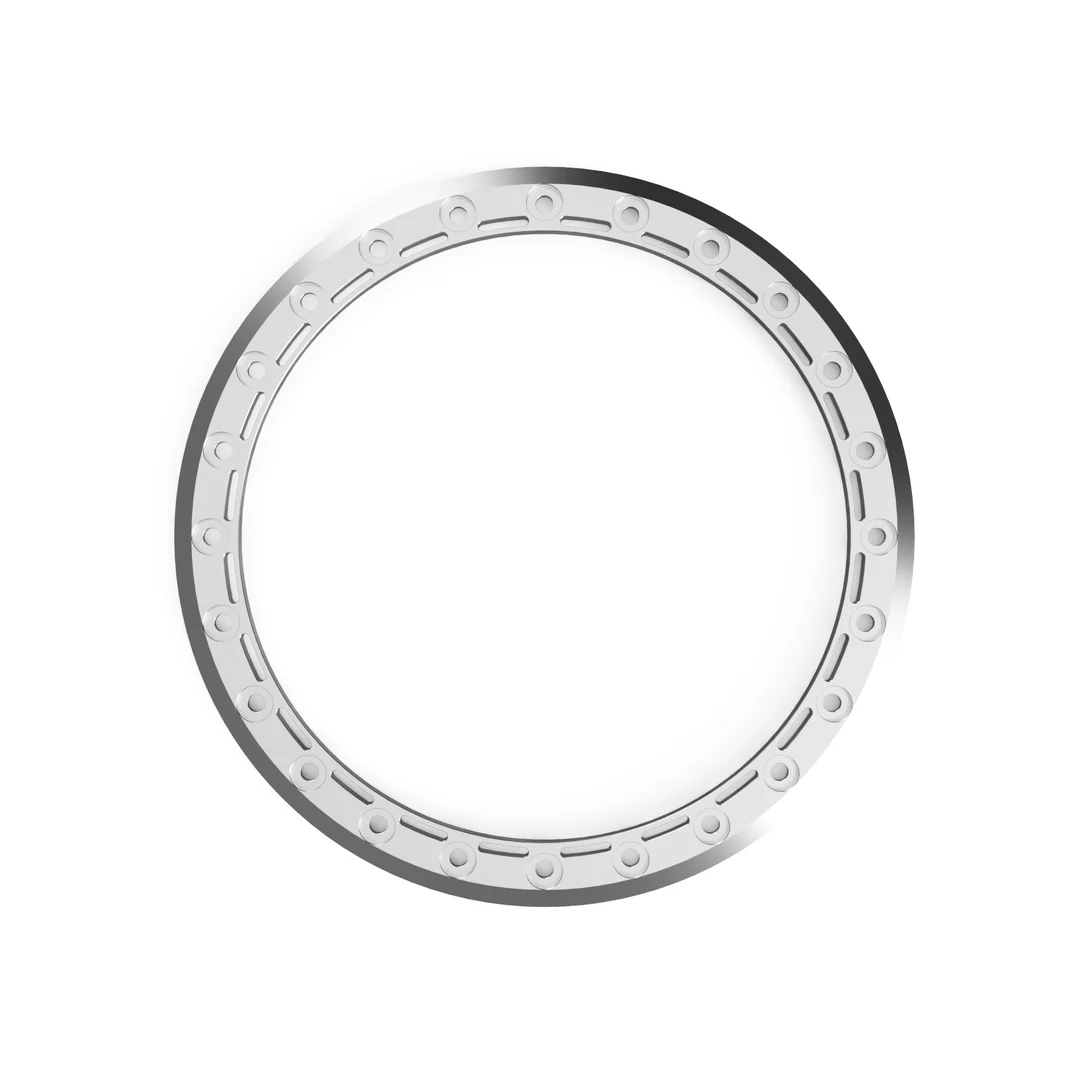
But once you start producing them in volume, especially for export customers who expect consistency across batches, the situation becomes more demanding than it seems. We’ve seen this shift happen gradually. What looked simple at the beginning turned into something that required careful control at almost every step—material, machining, and finishing all started to matter more than expected.
At NINGBO SHENGFA HARDWARE, aluminum rings became one of those products that quietly taught us how small variations can affect final results in ways that are not immediately obvious.
One of the first things we noticed is that aluminum does not behave as consistently as people assume. On paper, material specifications are clear. Whether the rings are made from forged blanks or casting, the grade is defined, and properties are listed. But in practice, there are always small differences between batches.
With forging, the internal structure tends to be more uniform, but even then, slight variations in density or grain flow can affect how the material responds during CNC machining. With casting, the variation can be a bit more visible, especially when dealing with porosity or uneven distribution inside the material.
These differences don’t always cause defects. Most of the time, they stay within acceptable limits. The challenge is that they influence how the aluminum ring reacts during cutting.
We’ve seen cases where two batches of material, both meeting the same specification, produced slightly different surface finishes under the same machining conditions. One batch cut cleanly, while another required minor adjustment to achieve the same result.
At NINGBO SHENGFA HARDWARE, this is where we started paying more attention not just to material specification, but to how the material actually behaves during production. It’s not always visible at the beginning, but it becomes clear once machining starts.
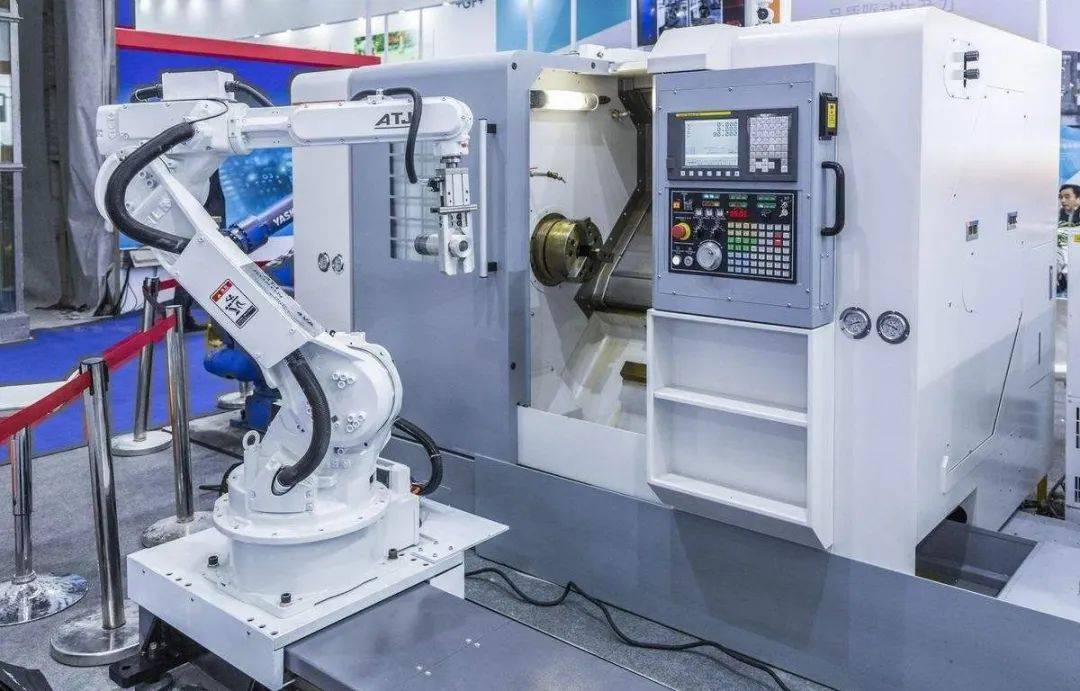
Aluminum is often considered easy to machine, and in many cases, that’s true. Cutting forces are lower, and tools can move faster compared with harder metals. But that doesn’t mean the process is forgiving.
In fact, aluminum can be quite sensitive to changes in CNC machining conditions. Small shifts in cutting speed, feed rate, or tool condition can lead to noticeable differences in surface quality. Built-up edge on tools, for example, is a common issue. It doesn’t happen all the time, but when it does, it changes the surface finish and sometimes even the effective tolerance.
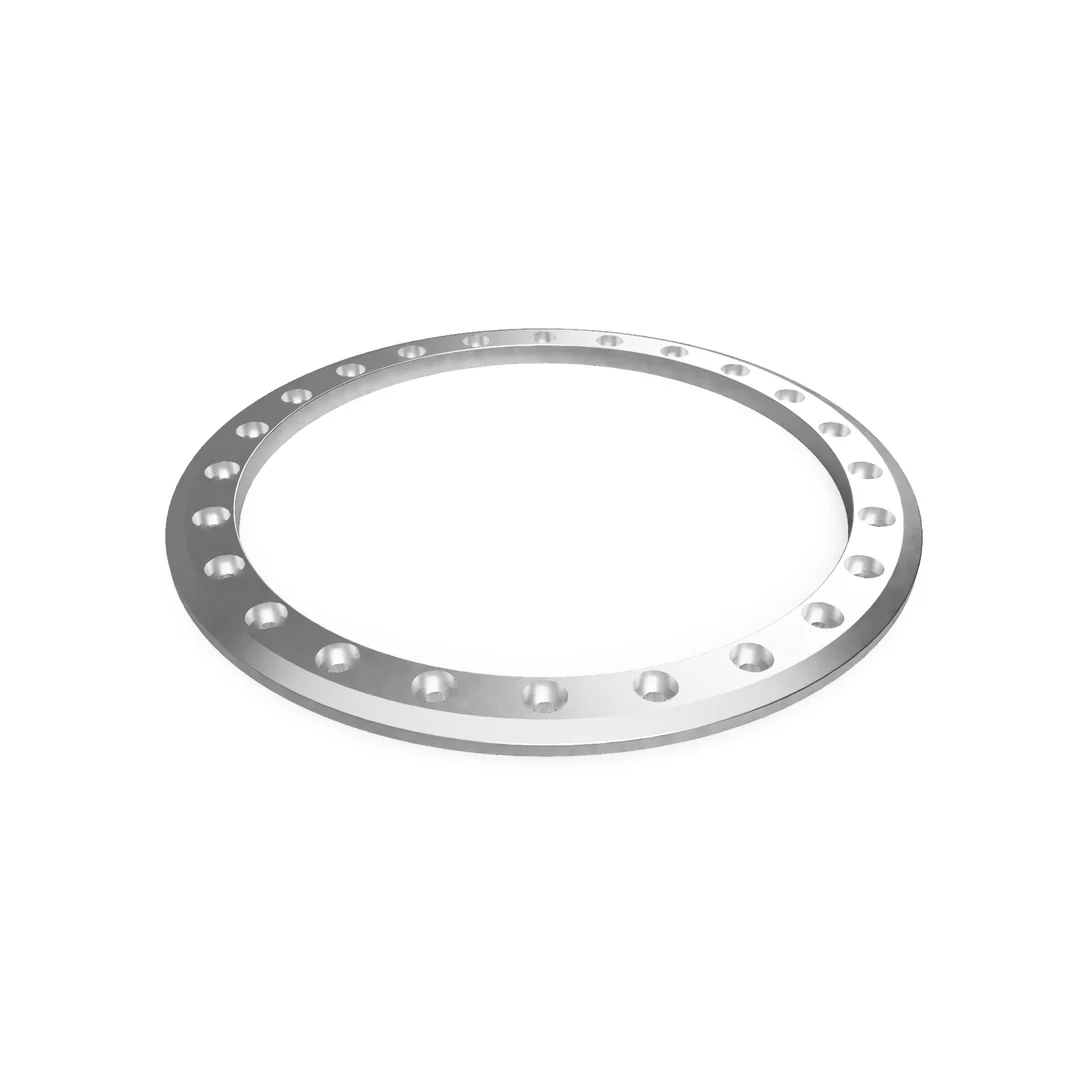
For aluminum rings, this becomes more important because the shape is continuous. Any inconsistency along the ring is easier to notice than on a more complex part.
We’ve found that trying to push machining speed too aggressively often leads to more variation, even if productivity improves in the short term. A slightly slower but more stable setup tends to produce more consistent results across batches.
This is something we adjusted over time at NINGBO SHENGFA HARDWARE. Instead of focusing only on efficiency, we started prioritizing repeatability. Once a machining setup proved stable, we avoided changing it unless necessary.
Another factor is tool management. Aluminum may not wear tools as quickly as harder materials, but tool condition still matters. A tool that is slightly worn can start affecting the finish without immediately failing. If not monitored, this creates variation between early and later parts in the same batch.
Surface Treatment Often Determines Final Consistency
For aluminum rings, surface treatment is not just a finishing step. In many cases, it defines how the final product looks and performs. Anodizing is one of the most common treatments. It improves corrosion resistance and gives the ring a clean, uniform appearance. But it also introduces another layer of variation.
Color consistency, for example, depends on several factors—material composition, surface preparation, and process control during anodizing. Even small differences can lead to visible variation between batches.
We’ve seen situations where machining results were consistent, but after anodizing, slight color differences appeared. From a functional perspective, the rings were fine. From a customer’s point of view, especially in applications where appearance matters, the difference was noticeable.
Surface thickness is another factor. While anodizing layers are usually controlled within a range, even small changes can affect fit, especially if the aluminum ring is part of an assembly.
At NINGBO SHENGFA HARDWARE, this is why we treat surface treatment as part of the main process rather than something separate. Communication between machining and finishing stages becomes important. If the base surface is not consistent, anodizing will not correct it—it will highlight it.
One thing that makes aluminum rings different from many other components is their geometry. Because they are circular and continuous, any variation—whether in dimension, surface finish, or coating—tends to stand out more clearly. There are no edges or breaks to hide inconsistencies.
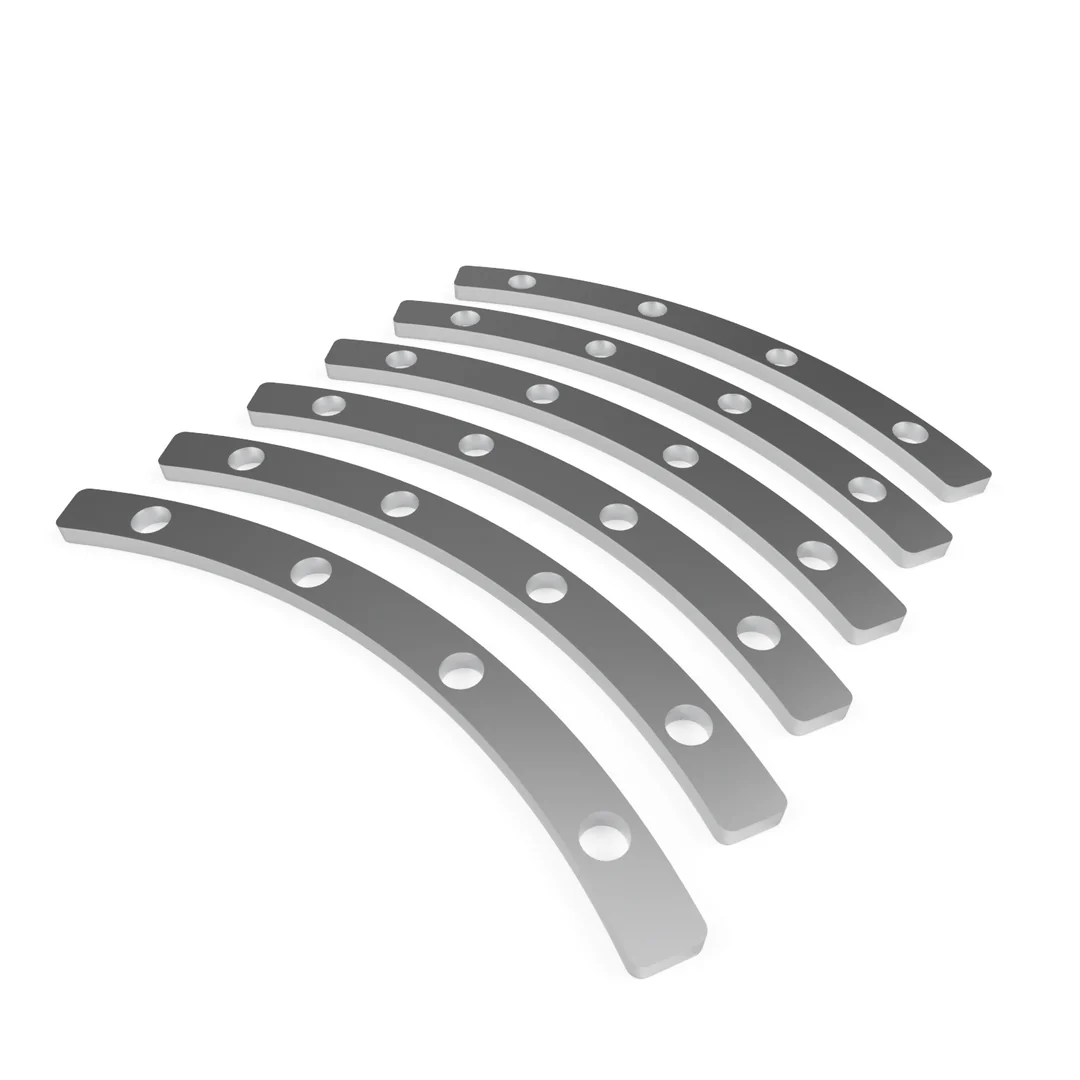
If tolerance shifts slightly, the ring may not sit evenly in its application. If the surface finish varies, the difference can be seen when the ring rotates or reflects light. If anodizing is not uniform, the color difference becomes more noticeable across the full circumference.
This makes aluminum rings less forgiving than they appear. We’ve had customers point out differences that would likely go unnoticed on other types of parts. Not defects, but inconsistencies that become visible because of the shape.
That’s when you realize that control needs to be tighter—not necessarily in terms of absolute tolerance, but in terms of consistency across the entire ring.
Process Control Is What Keeps Results Predictable
After working with aluminum rings over time, one thing becomes clear.
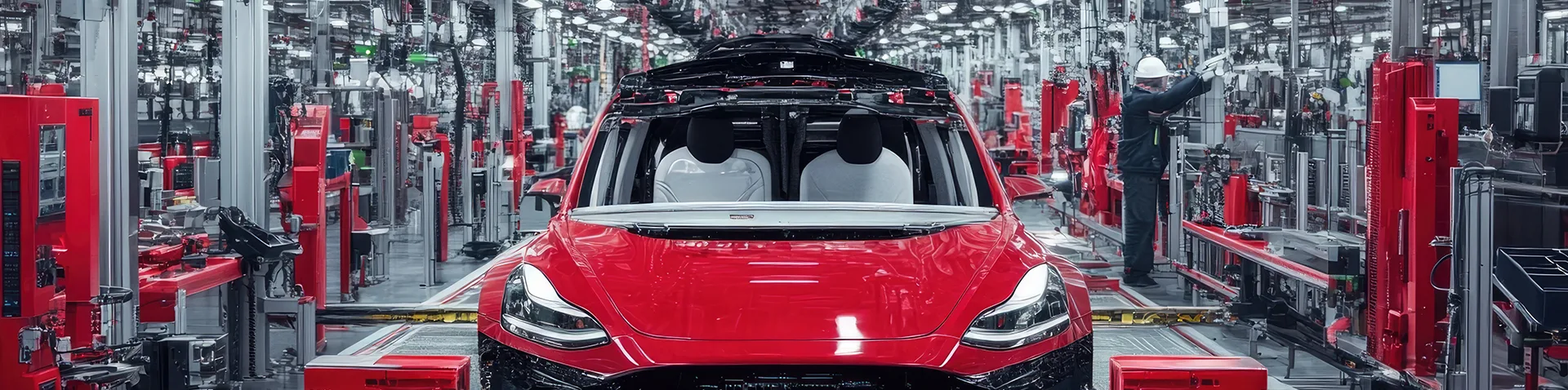
The difficulty is not in making one good part. It’s in making the same part again and again without noticeable variation. Material, CNC machining, and surface treatment all play a role, and they are closely connected. A small change in one step can carry through to the final result.
At NINGBO SHENGFA HARDWARE, we’ve learned that controlling the process is more important than pushing any single step to its limit. Stable material input, consistent machining conditions, and controlled anodizing together create predictable results.
This doesn’t always look impressive on paper. Tolerance may not be the tightest possible, and cycle time may not be the shortest. But the outcome is reliable. And for customers who use aluminum rings in real applications, that reliability matters more than isolated improvements.
Because in the end, what they expect is not just a ring that meets specification once, but a ring that behaves the same way every time they receive it.