In manufacturing, adjustment often feels like progress. When something doesn’t look quite right, the instinct is to tweak a parameter, speed up a cycle, or fine-tune a setting. On the surface, this makes sense. Hardware production is complex, and flexibility seems like a strength.
For a long time, we thought the same way.
Over the years, however, experience taught us a less intuitive lesson: in many cases, fewer adjustments—not more—lead to better hardware performance. The most reliable products we’ve shipped did not come from constantly changing processes, but from resisting the urge to change them too often.
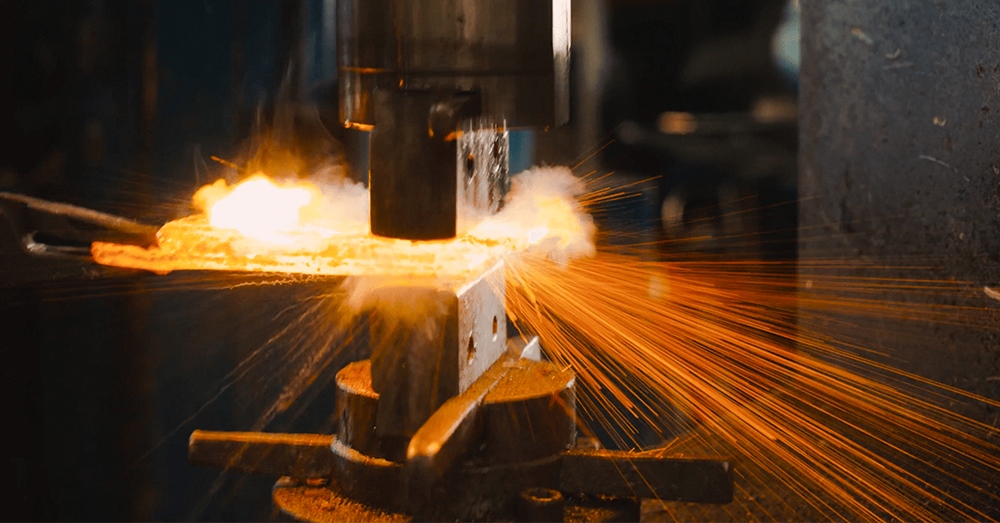
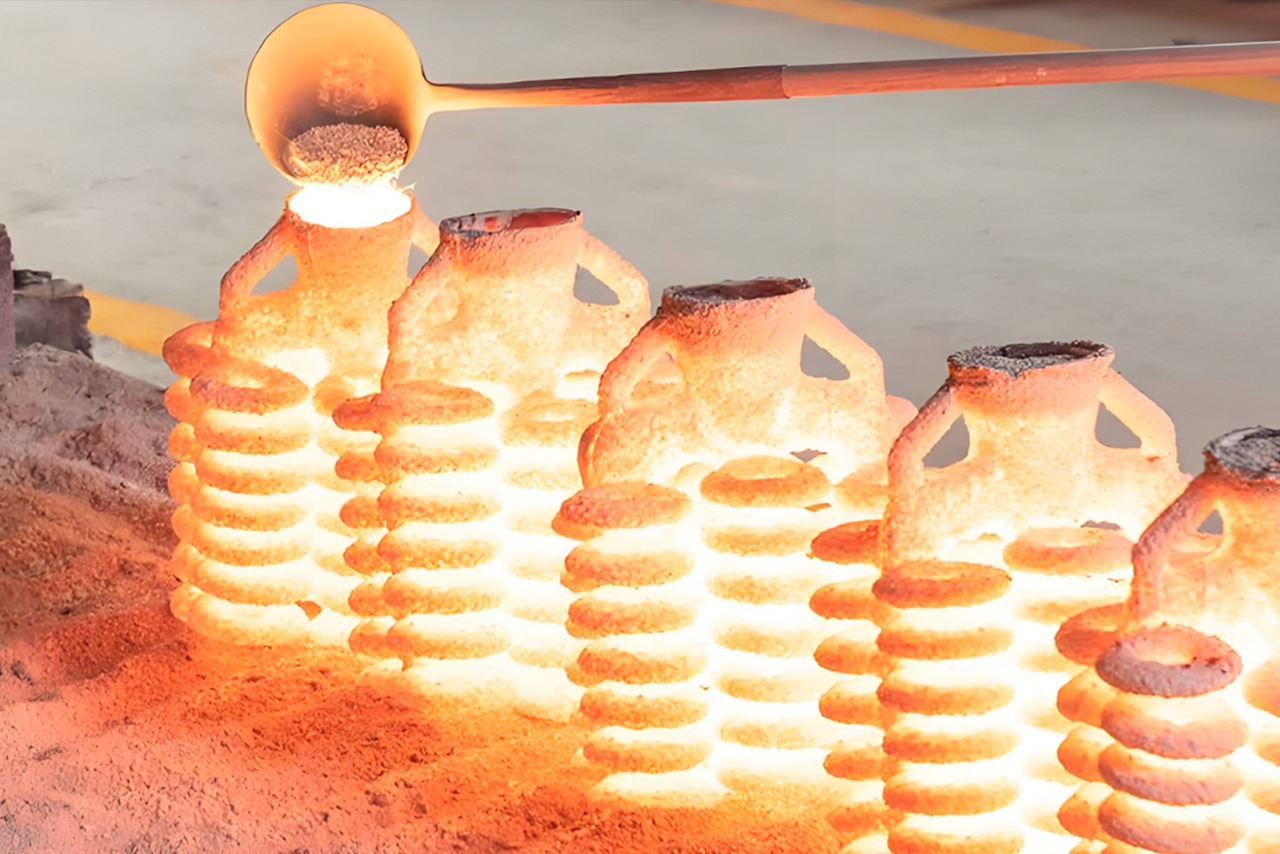
In the early stages of production, adjustments feel helpful. A forging temperature is nudged slightly higher to improve flow. A machining feed rate is altered to save time. A surface treatment duration is shortened to increase output. Each change appears reasonable on its own.
The problem is not any single adjustment. The problem is accumulation.
When adjustments are frequent, even if they are small, the process stops being predictable. Two batches produced a week apart may follow slightly different paths, even though they share the same drawing and specification. Final inspection might still pass, but performance in real-world use begins to vary.
We learned this lesson the hard way. Products that met dimensional and mechanical requirements did not always behave the same during installation or long-term use. The reason wasn’t obvious until we traced production histories and realized how often “minor” changes had been made along the way.
Hardware performance is rarely about achieving the best possible result once. It’s about staying within a narrow, reliable range over time.
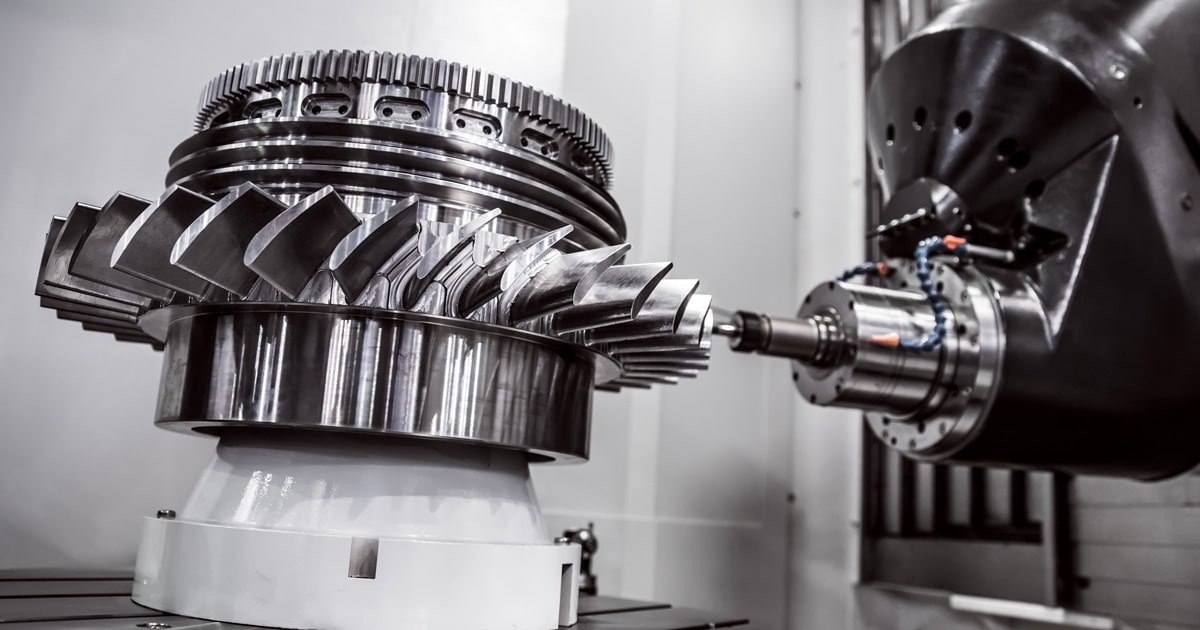
When forging parameters remain stable, grain structure becomes more consistent. When CNC machining settings are fixed and respected, surface finish and fit stabilize. When surface treatment conditions are not constantly adjusted, corrosion resistance becomes more predictable.

At NINGBO SHENGFA HARDWARE, we noticed that as adjustments decreased, performance variation narrowed almost quietly. There was no dramatic breakthrough. Instead, issues simply stopped appearing as often.
This stability made final inspection less stressful. Instead of catching problems, inspection began confirming what we already expected.
Reducing adjustments is not easy. It requires discipline, especially when production pressure increases.
There are moments when changing a parameter seems like the fastest way to solve a short-term issue. Maybe output is behind schedule, or a batch shows borderline results. Making an adjustment feels proactive. Doing nothing feels risky.
Yet many of the strongest improvements we made came from choosing not to adjust immediately. Instead, we focused on understanding whether the issue was truly systemic or simply noise. Often, holding the process steady revealed that variation corrected itself once upstream conditions stabilized.
This approach demanded patience from engineers and operators alike. It also required trust—trust that a proven process would perform if given the chance.

One of the less obvious dangers of frequent adjustment is that it can hide real problems.
If a machining issue appears and parameters are adjusted to compensate, the underlying cause—tool wear, material inconsistency, or fixture alignment—may remain unaddressed. The product passes inspection, but the process becomes fragile.
We encountered this pattern repeatedly before recognizing it for what it was. Once we stopped adjusting as the first response, root causes became easier to identify. Problems didn’t disappear overnight, but they became clearer and more manageable.
At NINGBO SHENGFA HARDWARE, this shift changed how our teams approached troubleshooting. The first question became, “Has anything changed?” rather than, “What should we adjust next?”
Frequent adjustments also complicate communication. When each shift or operator applies slightly different settings, it becomes difficult to know what “normal” really is.
By limiting adjustments, we simplified internal conversations. Operators knew what to expect from the process. Engineers could analyze results against a stable baseline. Supervisors spent less time reconciling differences between batches.
This clarity extended beyond the factory floor. Customer discussions became more straightforward because results were easier to explain. Performance trends made sense over time instead of fluctuating unpredictably.
Hardware performance is ultimately judged in use, not on paper.
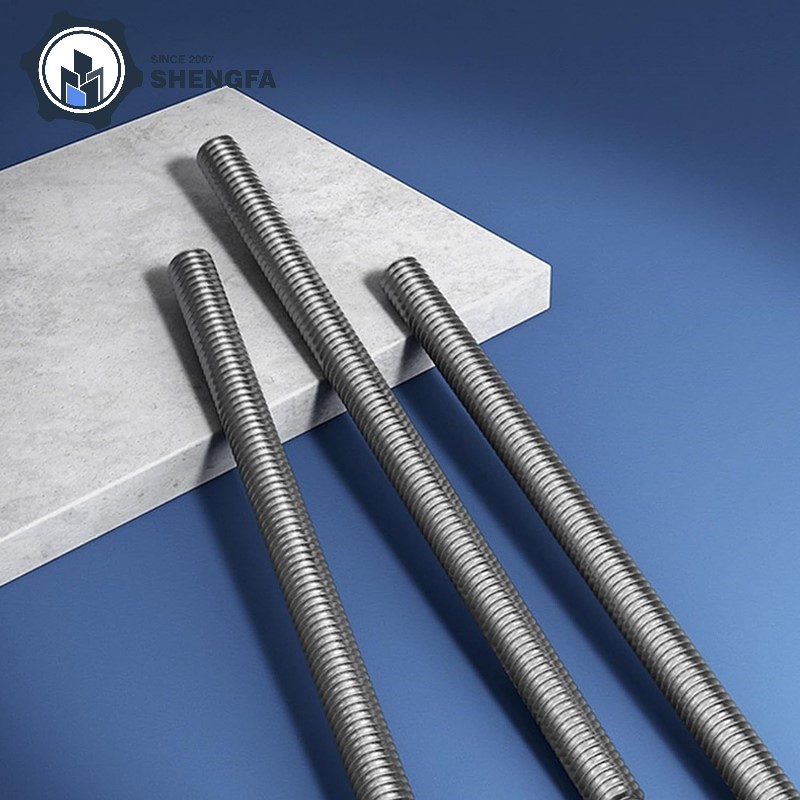
A bolt that performs perfectly in one batch but slightly differently in the next creates uncertainty for the customer. Even small inconsistencies can disrupt assembly lines or maintenance schedules. Over time, these disruptions matter more than headline specifications.
Fewer adjustments help ensure that performance today resembles performance tomorrow. This predictability builds confidence—not only in the product, but in the supplier behind it.
At NINGBO SHENGFA HARDWARE, repeat orders increased not because we claimed better performance, but because customers experienced fewer surprises.
None of this means adjustments should never happen. Manufacturing is not static, and improvements are necessary.
The difference lies in intent. Adjustments should be deliberate, documented, and evaluated over time—not made reactively to solve immediate discomfort. When a change is introduced, its impact should be observed across multiple batches, not judged by a single result.
This mindset slowed our pace of change, but it strengthened our outcomes. Improvements became durable instead of temporary.
As factories grow, complexity increases. More machines, more operators, more orders. In this environment, frequent adjustments become harder to manage and easier to misapply.
Stable processes scale better. They allow new team members to learn faster and reduce reliance on individual experience alone. They also make performance more transferable across production lines.
Looking back, many of our most dependable products owe their success not to constant refinement, but to long periods of intentional stability.

In manufacturing culture, action is often celebrated more than restraint. Adjusting feels like control. Holding steady feels passive.
Yet restraint, when guided by experience, can be a powerful advantage. It protects processes from drifting and keeps performance within a reliable range. Over time, it builds a reputation that cannot be achieved through inspection reports or marketing claims.
Better hardware performance is not always the result of doing more. Sometimes, it comes from choosing to do less—and doing it consistently.