When people talk about hardware quality, the conversation often turns quickly to materials, equipment, or inspection standards. Those elements matter, of course, but after years of manufacturing and exporting hardware, we’ve learned that reliability doesn’t come from any single factor. It comes from something less visible and far more demanding: consistency.
Consistent processes are not exciting. They don’t make good marketing slogans, and they rarely impress visitors during a short factory tour. Yet over time, they quietly decide whether a piece of hardware behaves the same way in different batches, different months, and different environments. For us, understanding this took years of trial, correction, and reflection.
In the early stages of our factory’s growth, improvement often meant change. New machines, adjusted parameters, faster cycles. Each change felt like progress. Sometimes it was. Other times, it introduced variability we didn’t immediately notice.
What we slowly realized is that consistency doesn’t mean doing everything perfectly. It means doing the same correct thing, repeatedly, even when no one is watching and even when the result already looks acceptable.
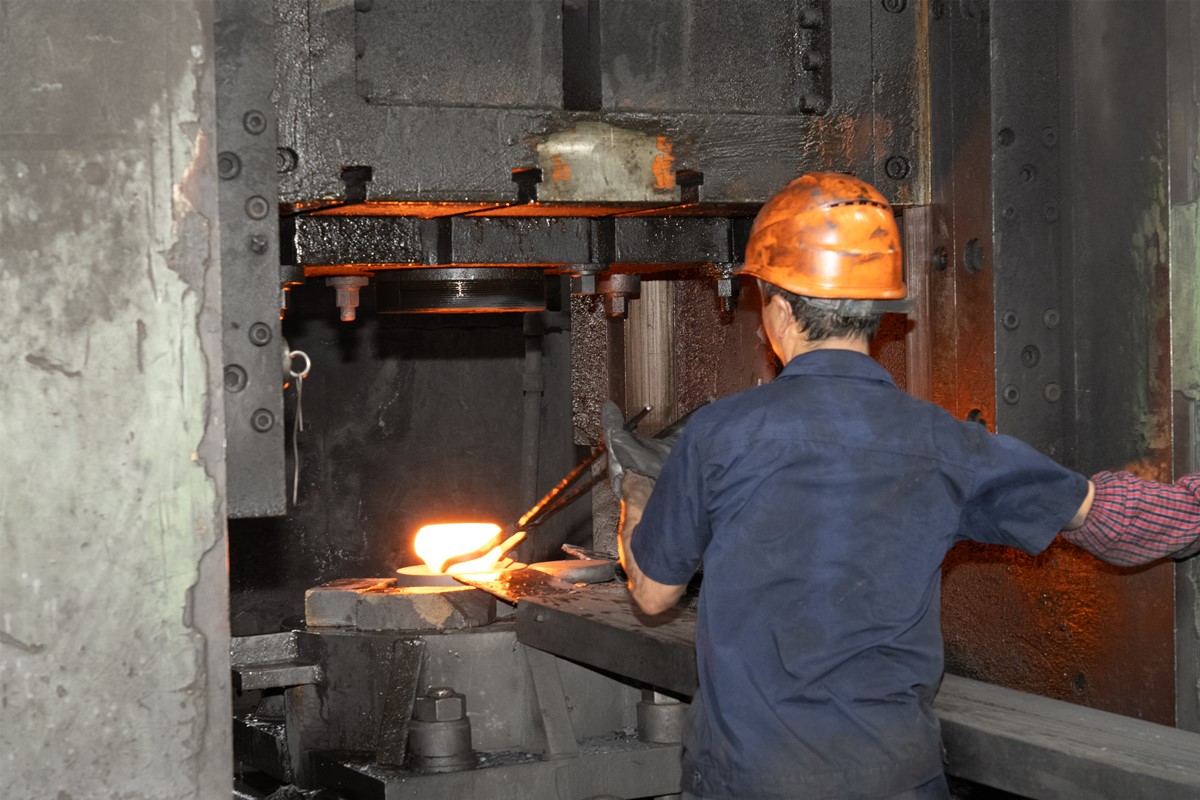
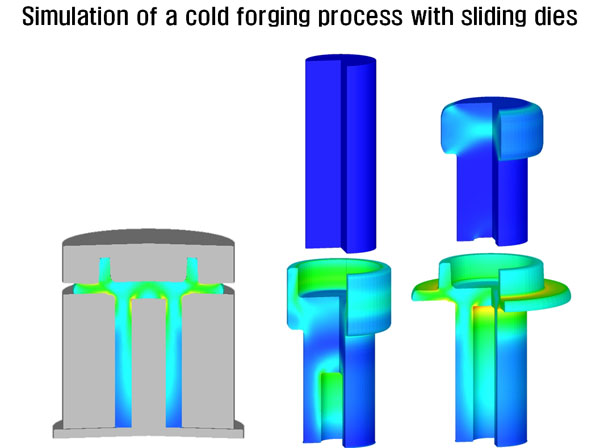
In forging, this lesson was especially clear. A small adjustment in heating time or deformation sequence might not affect the first batch noticeably. Final inspection would still pass. But when those adjustments were made inconsistently—sometimes applied, sometimes skipped—the long-term behavior of the hardware began to vary. Cracks didn’t appear immediately. They showed up later, in service, where inspection reports could no longer help.
Consistency required us to stop “optimizing” casually and start documenting what truly worked, then respecting those decisions day after day.
One of the less discussed benefits of consistent processes is how they simplify communication. When production is stable, explanations become easier, both internally and with customers.
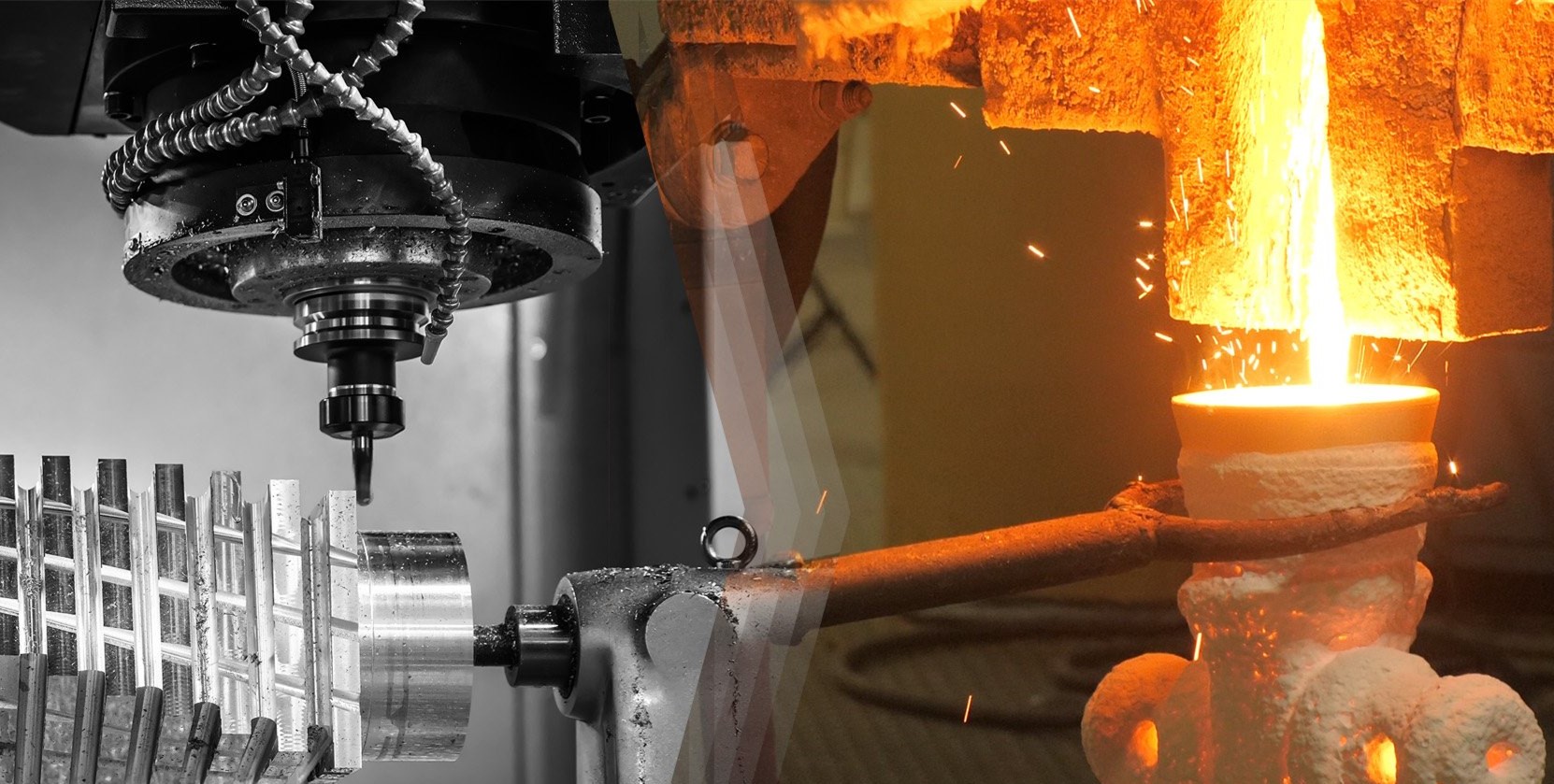
In CNC machining, for example, once cutting parameters, tool life, and inspection intervals were standardized and followed without exception, dimensional questions nearly disappeared. Not because problems never occurred, but because when they did, the cause was easier to trace. Variability narrowed, and with it, uncertainty.
At NINGBO SHENGFA HARDWARE, we noticed that as internal consistency improved, customer conversations shifted in tone. Fewer urgent emails. Fewer “just to double check” questions. Reliability, it turns out, is something people feel even if they can’t describe it technically.

Modern manufacturing technology helps, but it does not guarantee consistency. Automated equipment can repeat mistakes just as efficiently as it repeats good practices.
Investment casting taught us this lesson clearly. Even with controlled equipment, small human decisions—how molds are prepared, how long parts are allowed to cool, how borderline results are handled—can introduce variation. Consistency came not from more automation alone, but from agreeing on clear standards and holding ourselves to them even under schedule pressure.
That discipline was sometimes uncomfortable. It meant slowing down when output targets were tempting. It meant rejecting “almost acceptable” shortcuts. Over time, though, those decisions paid back in ways that spreadsheets don’t always capture immediately.
Reliability is often described as strength or durability, but in practice, it’s about predictability. Customers don’t just want hardware that works once; they want hardware that behaves the same way every time they use it.
Consistent processes make this possible. When raw material sourcing, forming methods, machining steps, and surface treatments are controlled in a stable way, the final product stops being a surprise. Performance curves tighten. Installation becomes smoother. Long-term wear becomes easier to anticipate.
This is where consistency shows its true value. Not in one impressive test result, but in hundreds of uneventful installations where nothing goes wrong.
Export-oriented factories face additional challenges. Lead times vary, shipping adds stress to products, and usage environments are often unknown. Under these conditions, variability becomes risky.
At NINGBO SHENGFA HARDWARE, exporting forced us to confront our weak points sooner than we might have otherwise. Products that seemed fine locally revealed issues when exposed to different climates or assembly standards. The solution wasn’t to test more aggressively at the end, but to make upstream processes less dependent on individual judgment or temporary fixes.

Consistency became our way of protecting ourselves from distance and uncertainty.
One of the most underestimated risks in manufacturing is how small deviations accumulate. A slight variation in forging, combined with minor machining drift and an inconsistent surface treatment, may each seem harmless. Together, they can significantly change product behavior.
Consistent processes act as barriers against this accumulation. They limit how much variation can enter the system at each step. Over time, this containment matters more than any single improvement project.
We didn’t learn this from theory. We learned it by watching how problems stopped compounding once variability was controlled early.
Many factories talk about reliability. Fewer build habits that support it consistently.
Habits show up in ordinary moments: how operators react to borderline results, how supervisors respond to delays, how engineers prioritize long-term stability over short-term output. These moments don’t appear in brochures, but they define outcomes.
At NINGBO SHENGFA HARDWARE, we now view consistency as a daily responsibility rather than a finished achievement. Processes are reviewed, but not constantly changed. Improvements are introduced carefully, with attention to how they affect repeatability, not just performance.

As equipment improves and customer expectations rise, the pressure to move faster will only increase. In that environment, consistency becomes even more valuable, not less.
Reliable hardware is not created by reacting quickly to problems at the end. It is created by preventing variability from entering the process in the first place. That requires patience, discipline, and a willingness to respect proven methods.
In the end, consistent processes don’t eliminate challenges. They make challenges manageable. And in manufacturing, that difference is often what separates dependable suppliers from temporary ones.