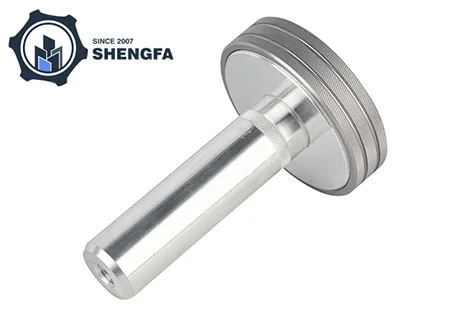
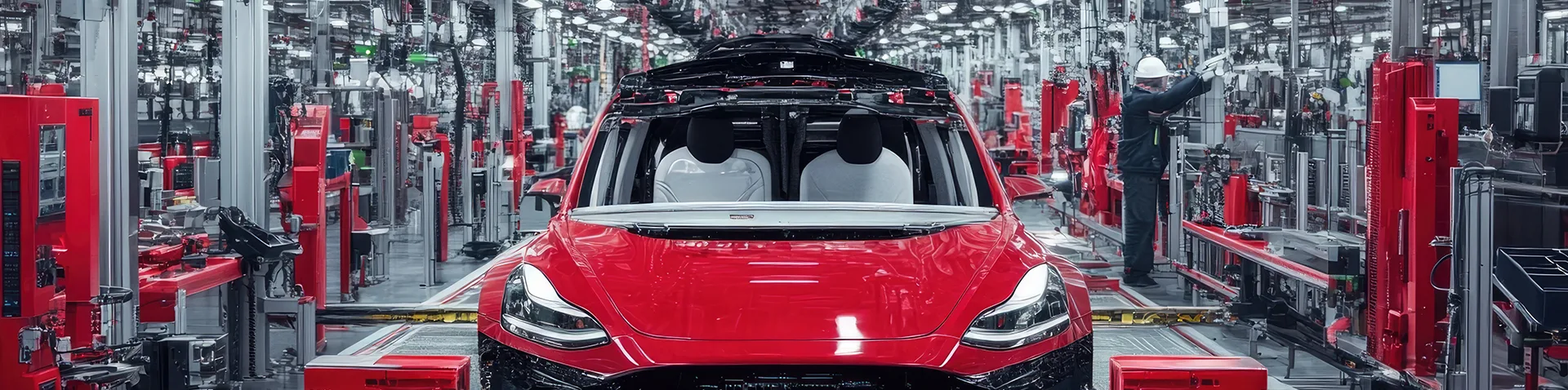
Aluminum bushings are not the kind of part that usually draws attention. They are small, simple in shape, and often hidden inside larger assemblies. Most of the time, people only notice them when something doesn’t work properly. Until then, they are just expected to do their job quietly.
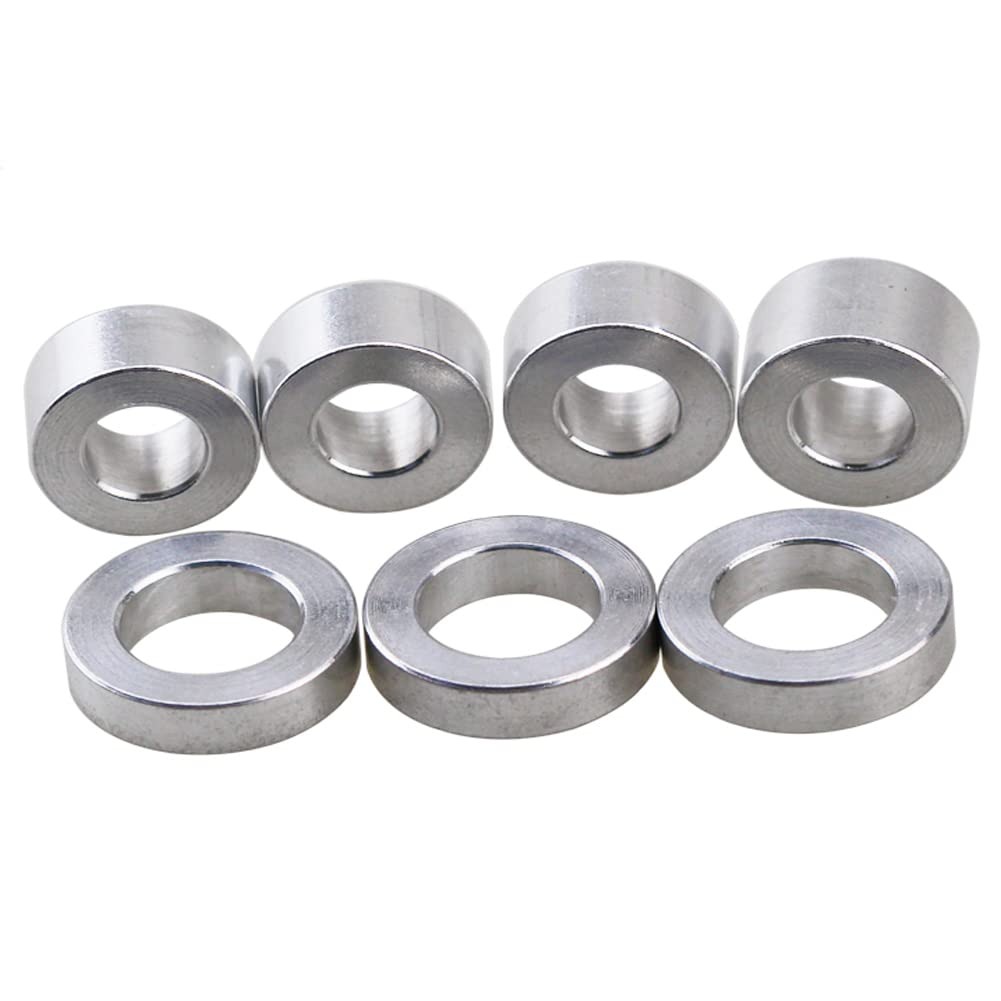
At first, it’s easy to assume they are straightforward to produce. The geometry is not complex, and aluminum as a material is generally considered easy to machine. As long as the dimensions are correct, everything should be fine.
But once production starts, especially in larger volumes, aluminum bushings begin to show a different side. Small variations that might not matter in bigger parts become more noticeable here. Fit, surface finish, and consistency all start to matter more than expected.
We didn’t fully see this at the beginning. It became clearer over time, especially when customers started using these bushings in applications where smooth movement and repeatability were important.
At NINGBO SHENGFA HARDWARE, aluminum bushings turned out to be one of those components where process control matters more than the size of the part suggests.
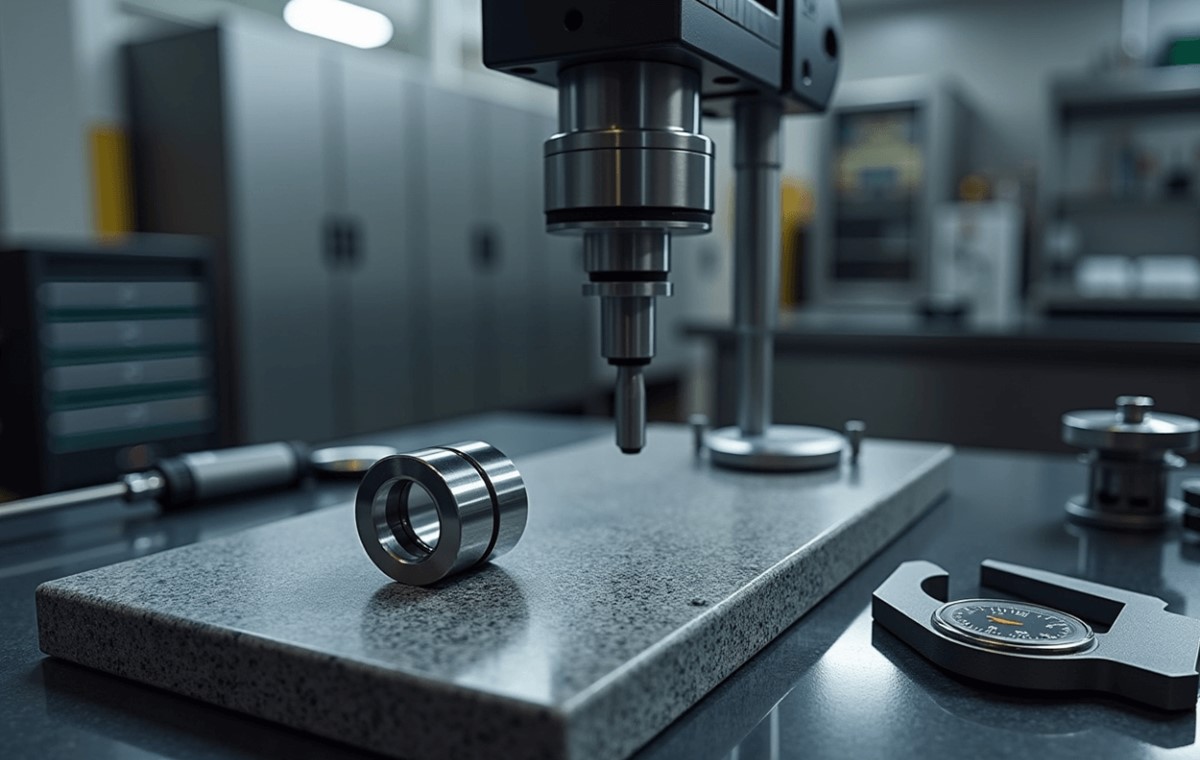
One of the first things we noticed is how sensitive aluminum bushings are to tolerance. They are usually used as interfaces—between shafts, housings, or moving parts—even a small dimensional change can affect performance. A slight deviation in inner diameter may not look significant on paper, but during assembly, it can change how smoothly parts move.
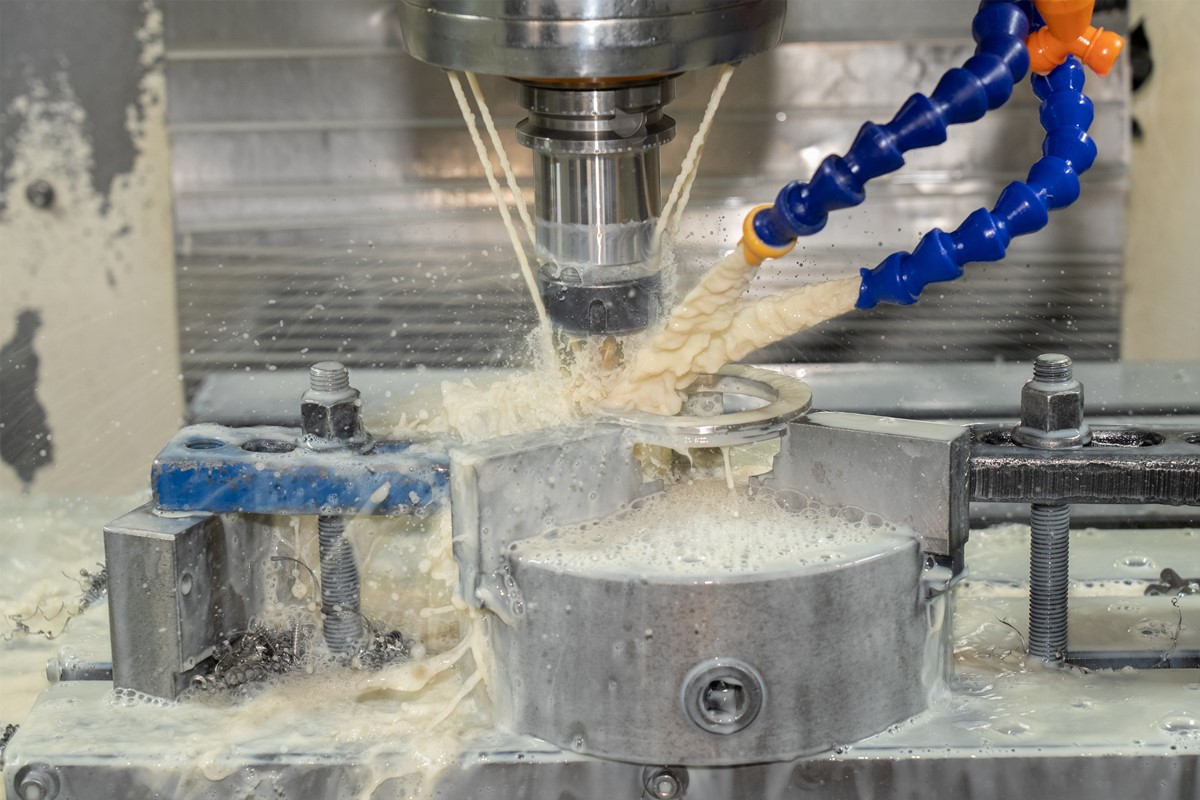
If the fit is too tight, friction increases. If it is too loose, stability decreases. Both situations are within possible tolerance ranges, but they lead to different results in actual use. CNC machining plays a key role here. Achieving the required tolerance is not the main challenge anymore. The challenge is keeping that tolerance consistent across the entire batch.
We’ve seen situations where early parts in a batch fit perfectly, but later ones feel slightly different. The difference is small, but noticeable, especially in applications that involve rotation or repeated movement. Tool condition is often part of the reason. As tools wear, even slightly, the effective cutting result shifts. It doesn’t create defects, but it changes the fit.
At NINGBO SHENGFA HARDWARE, this is why we monitor machining stability closely, not just final measurements. Keeping the process consistent is more important than hitting a single perfect value once.
For aluminum bushings, surface finish is not just about appearance. In many cases, it directly affects how the part functions. A smoother surface reduces friction and allows for more stable movement. A rougher surface may still pass inspection, but it changes how the bushing performs over time.
Aluminum is relatively soft compared with steel, which means surface condition becomes even more important. Small imperfections can influence wear behavior, especially when the bushing is used in contact with other moving parts.
CNC machining parameters have a strong influence here. Feed rate, cutting speed and tool geometry will affect the final finish. Even if the size is correct, the difference in surface quality will lead to different performance results. The surface treatment adds another layer.
Aluminum bushings often use anodic oxidation to improve wear resistance and corrosion protection. At the same time, the surface also changed slightly. The coating increases the thickness and changes the friction characteristics. If the anodic oxidation is inconsistent, the results will become unpredictable. One batch may feel smoother and the other slightly tighter, even if both conform to the specification.
We have seen that the processing results are stable, but the change of anodic oxidation will lead to the difference of assembly behavior. This is why we believe that surface treatment is part of a functional process, not just a finishing step.
At Ningbo Shengfa Hardware Factory, the coordination between machining and anodizing is something we are very concerned about, especially for surface-interacting parts such as bushings.
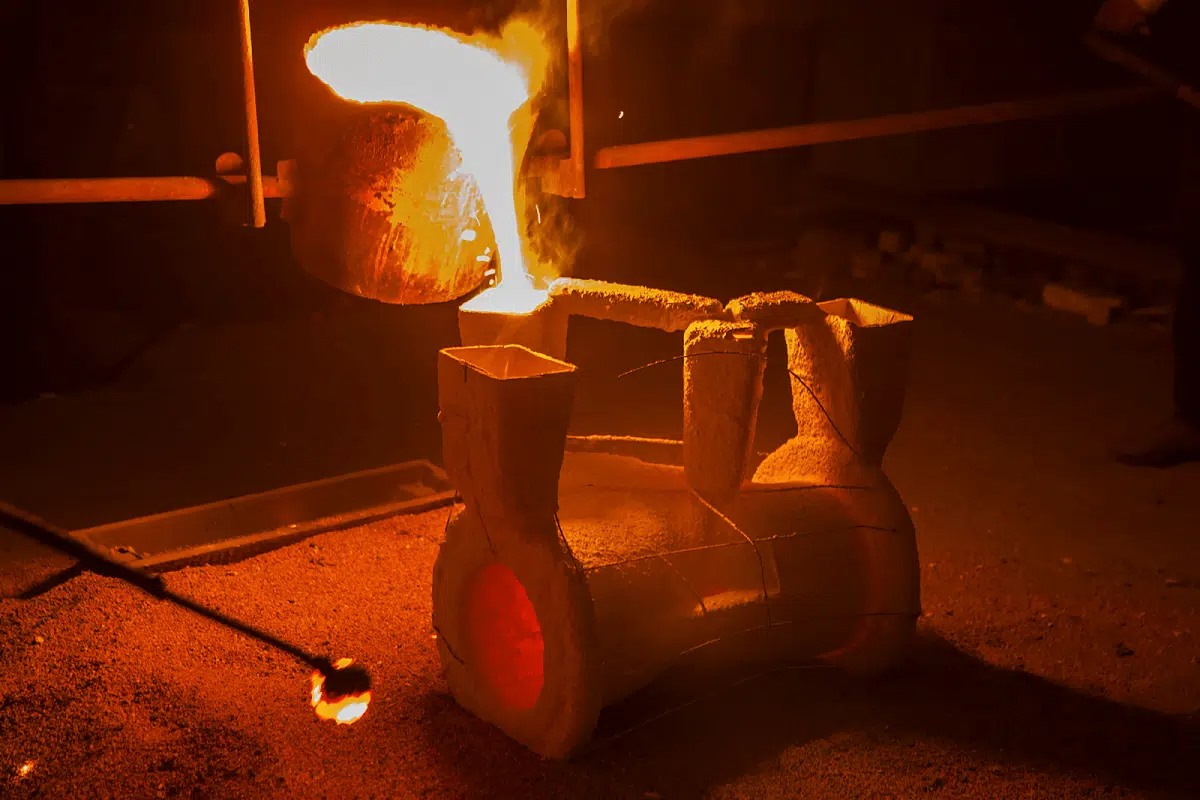
Aluminum bushing seems simple, but its performance depends not only on machining. The input of materials, whether from forging or casting, plays a role in the performance of parts in the production process. Even if the material meets the specifications, small structural differences will affect the cutting response and surface quality.
For example, casting may introduce slight internal changes. Forging tends to produce a more uniform structure, but still requires consistent control. These differences do not always produce visible defects, but affect the stability of the process. When material variation combines with machining variation, the effect becomes more noticeable.
We’ve seen this happen in batches where everything looked normal individually—material, machining, and surface treatment all within acceptable ranges—but the final consistency was not as strong as expected.
At NINGBO SHENGFA HARDWARE, this is where the focus shifted from individual steps to the connection between them. Instead of optimizing each stage separately, we started looking at how stable the entire process is from start to finish. Keeping material input consistent, maintaining stable CNC machining conditions, and controlling surface treatment together creates a more predictable result.
Another reason aluminum bushings require more attention is their size and role. Because they are small and often used in precision assemblies, there is less room to absorb variation. Larger components can sometimes tolerate minor differences without affecting overall performance. Bushings cannot.
They sit at critical contact points. Any variation in dimension or surface condition shows up directly in how the assembly behaves. Customers may not describe this in technical terms. They might simply say that one batch “feels smoother” or “runs better.” That kind of feedback is subjective, but it reflects real differences. We’ve learned to take that feedback seriously, even when inspection data looks fine.
At NINGBO SHENGFA HARDWARE, this has been one of the key lessons from working with aluminum bushings. Consistency is not just measured—it is experienced.
In the end, producing aluminum bushings is not about making one perfect part. It’s about making sure every part behaves the same way, across different batches and over time.
Tolerance, surface finish, material quality, and process control all contribute to this. None of them can be ignored, but none of them work alone either. We’ve found that focusing too much on one aspect—like achieving the tightest tolerance—doesn’t solve the problem if the rest of the process is not stable.
A slightly less aggressive setup that produces repeatable results is often more valuable than pushing for maximum performance in a single batch.
At NINGBO SHENGFA HARDWARE, this approach has helped improve long-term consistency, especially for components like aluminum bushings where small differences matter more. Because in real applications, what customers expect is not just precision once, but reliability every time.