When we first entered export manufacturing, discipline was not the word we used to describe our work. We talked more about speed, flexibility, and responsiveness. The goal was simple: meet customer requirements, ship on time, and solve problems as they appeared.
At that stage, discipline felt restrictive. It sounded like something that would slow us down or limit our ability to react. What we didn’t understand then was that discipline in manufacturing is not about rigidity. It is about creating habits that protect quality when pressure increases.
Years of exporting hardware taught us that discipline is not a concept you design once. It is something you practice every day, often in small, unremarkable decisions that never appear in reports.
One of the earliest lessons we learned was that discipline starts before a machine is turned on. It begins with how decisions are made upstream.
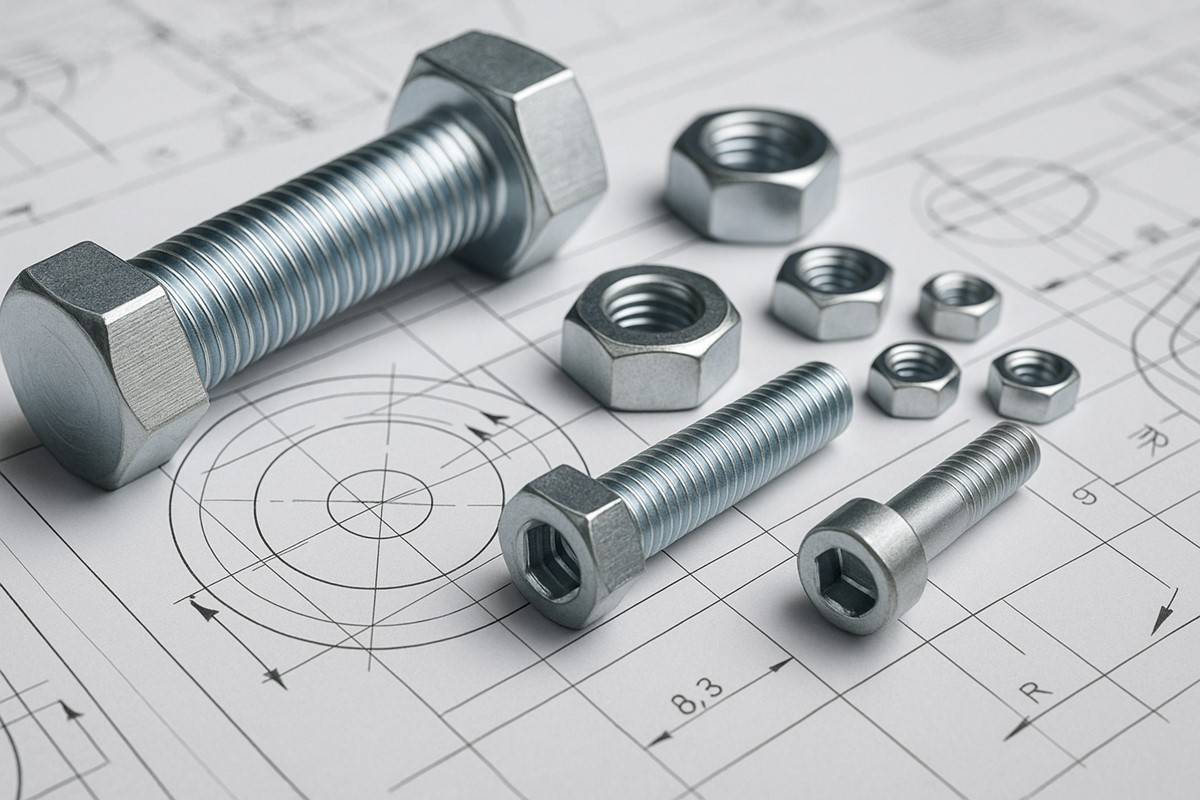
In export manufacturing, customers often focus on the final product: a bolt that fits correctly, a nut that threads smoothly, a surface that looks clean and durable. What they don’t see is how many opportunities there are to introduce variability long before those products take shape.
Material selection is one example. It is tempting to treat similar grades as interchangeable, especially when availability fluctuates. Early on, we allowed too much flexibility here. The results were subtle but real. Forging behavior changed slightly. Machining loads shifted. Tool wear patterns became harder to predict.
Once we tightened material discipline, downstream processes became calmer. Forging parameters stopped needing constant adjustment. CNC machining results stabilized without extra intervention. Nothing dramatic changed—except that fewer explanations were required.
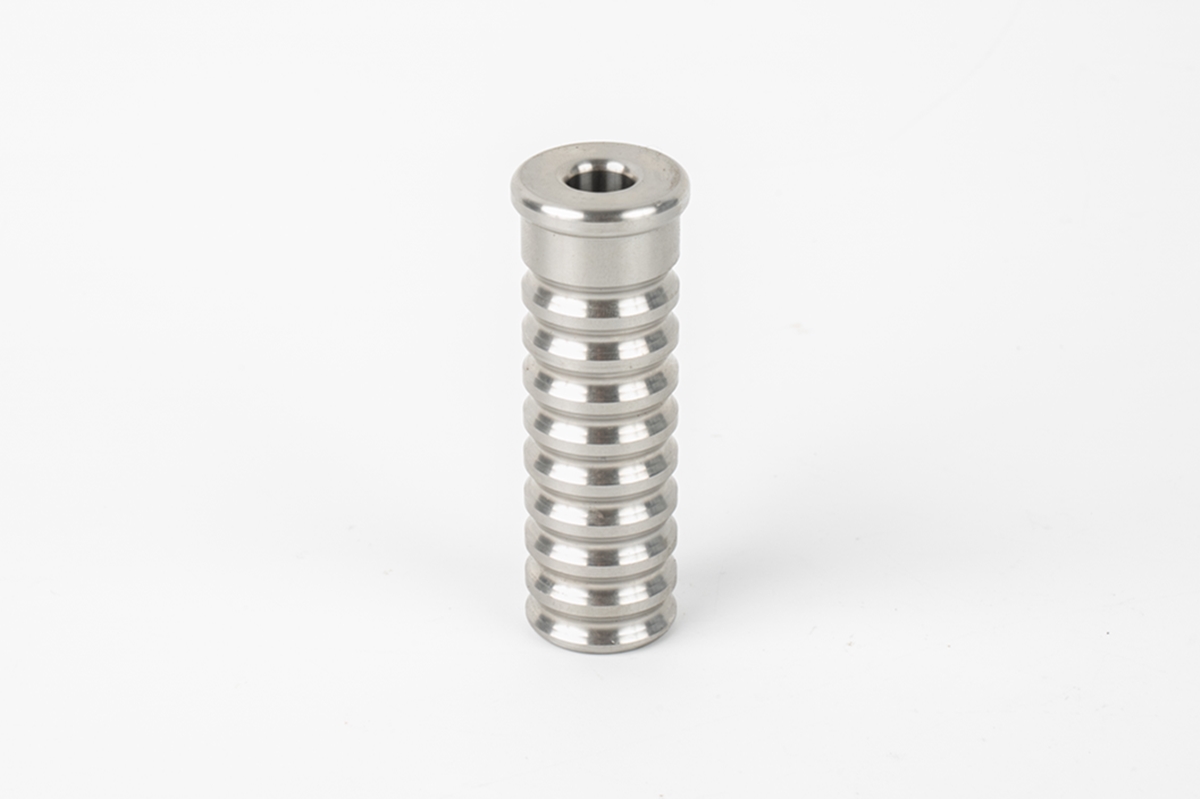
At NINGBO SHENGFA HARDWARE, this taught us that discipline is not about adding control everywhere. It is about deciding where flexibility helps and where it quietly creates risk.
Discipline is easy when production is light and schedules are comfortable. Its real test comes when orders overlap, lead times tighten, and priorities compete.
In those moments, the temptation to compromise appears quickly. Maybe a forging temperature range is widened slightly to maintain output. Maybe a CNC machining cycle is pushed faster to recover time. Maybe a casting process skips a stabilization step because results “look fine.”
Each compromise feels small. Each one can be justified.
What experience taught us is that these moments define a factory far more than its standard procedures. Discipline is not what you write down—it is what you protect when shortcuts are available.
We learned this lesson gradually. Early compromises rarely caused immediate failure. Bolts still passed inspection. Nuts still assembled correctly. Shipments still left the factory. The problem was not failure—it was drift.
Over time, small deviations accumulated. Performance variation increased. Engineers spent more time explaining results instead of improving processes. The factory stayed busy, but confidence quietly weakened.
When we began treating discipline as non-negotiable during high-pressure periods, the change was noticeable. Output didn’t collapse. In fact, planning improved. Problems became more predictable because processes were no longer shifting beneath them.
At NINGBO SHENGFA HARDWARE, discipline became our way of absorbing pressure instead of passing it downstream.
Experience alone does not guarantee reliability. Without discipline, experience remains personal—locked inside individuals rather than embedded in processes.
This became clear as our team grew. Skilled operators could produce excellent results through intuition, especially in forging and casting. But when those individuals were absent, results varied. The factory depended too much on who was present rather than how the process was designed.
Discipline helped us translate experience into repeatability. Proven methods were documented. Parameters that worked were protected. Adjustments were made deliberately, not casually.
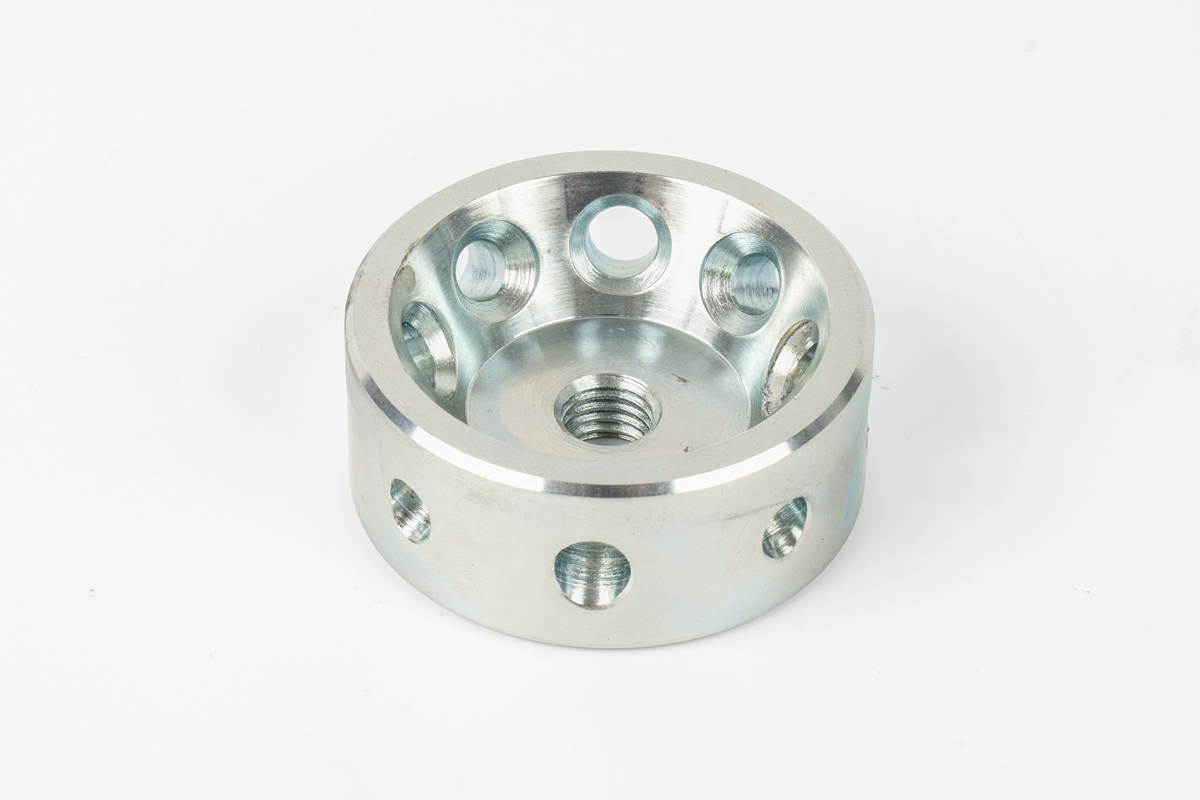
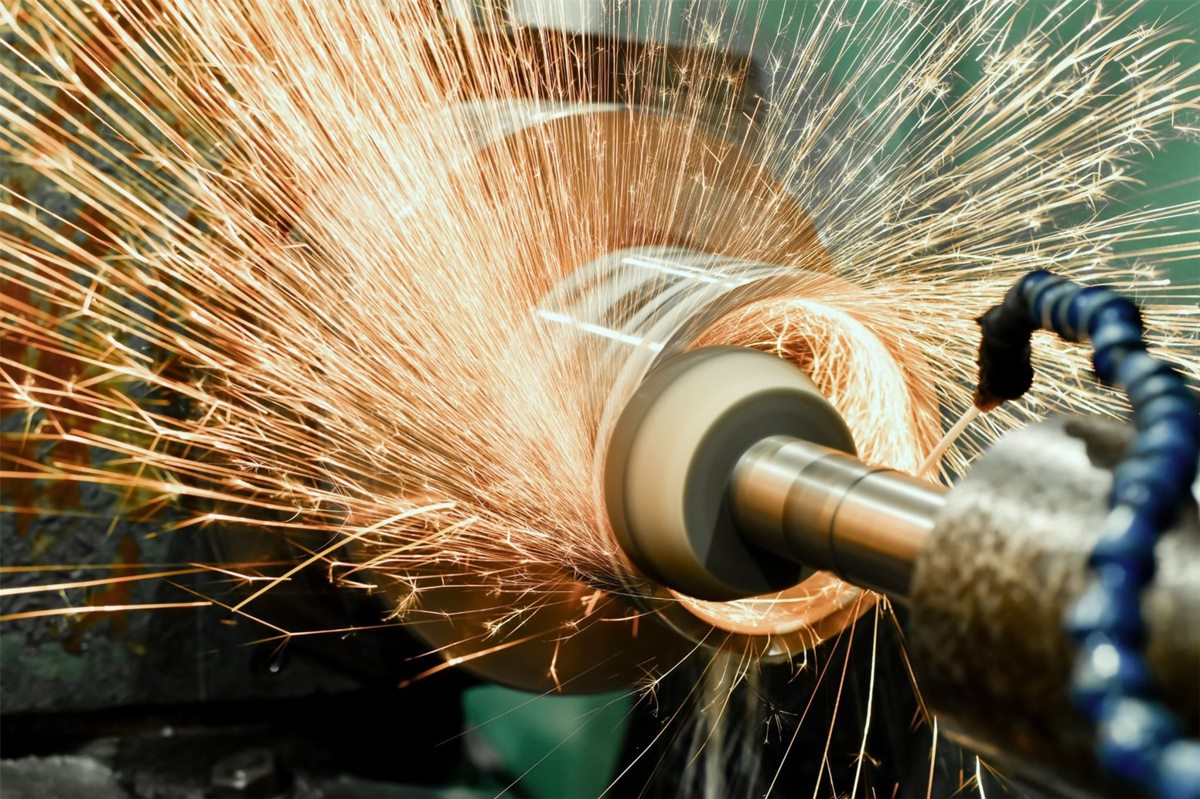
In CNC machining, this meant resisting the urge to constantly optimize feeds and speeds for marginal gains. Stable parameters produced more predictable bolt and nut performance over time, even if cycle times were not always the shortest possible.
In casting, discipline showed up in mold preparation and cooling control. These steps rarely draw attention, but they quietly shape internal structure and long-term durability. Once standardized, downstream variability dropped noticeably.
This discipline did not eliminate the need for skill. It allowed skill to scale.
Customers felt the difference even if they never visited the factory. Products behaved the same across batches. Installation became smoother. Repeat orders increased without long explanations.
At NINGBO SHENGFA HARDWARE, discipline transformed experience from something fragile into something transferable.
A common misunderstanding is that disciplined factories refuse change. In reality, discipline makes change safer.
When processes are stable, improvements can be evaluated clearly. When baselines are protected, the impact of a new forging method or machining strategy becomes visible instead of confusing.
We learned to ask different questions before making changes. Not “Can we do this?” but “What problem are we solving?” and “What stability are we risking?”
Sometimes the answer justified change. Other times, it revealed that impatience—not necessity—was driving the decision.
This mindset reduced unnecessary movement. It also built trust internally. Teams understood why certain requests were declined and why others were tested carefully.
Discipline, in this sense, became a shared language rather than a rulebook.
Looking back, discipline protected more than quality. It protected relationships.
Export manufacturing depends on trust built over time. Customers may never see your forging lines or machining centers, but they feel the results. Predictable performance reduces friction. Fewer surprises simplify planning. Reliability becomes assumed rather than questioned.
Discipline also protected our own growth. As volumes increased and product ranges expanded, stable habits prevented chaos. Decisions became calmer because processes were no longer fragile.
Years of export manufacturing taught us that discipline is not about control for its own sake. It is about respect—for materials, for processes, and for the people who rely on the results.
In the end, discipline is what allows a factory to grow without losing itself. It is quiet, often unnoticed, and absolutely essential.