Fasteners are rarely the focus when people talk about structural safety. Attention usually goes to beams, frames, or large components that are easy to see and impressive in scale. Bolts and nuts are small, standardized, and often taken for granted. They are expected to work quietly, without drawing attention.
Years of manufacturing and exporting hardware taught us that this quiet role is exactly what makes fasteners so critical. Structural safety does not depend on one dramatic element. It depends on whether thousands of small connections behave predictably under load, vibration, temperature change, and time.
From a factory perspective, understanding the role of fasteners in safety changes how you think about production, discipline, and responsibility.
One common misunderstanding about fasteners is that strength alone defines their performance. If a bolt meets tensile requirements and a nut passes torque testing, the assumption is that the structure is safe.
In reality, structural safety depends far more on consistency than on peak strength.
A fastener that performs extremely well in one batch but slightly differently in the next introduces uncertainty. When thousands of bolts are used across a structure, even small variations in preload behavior or surface friction can accumulate into real risk.
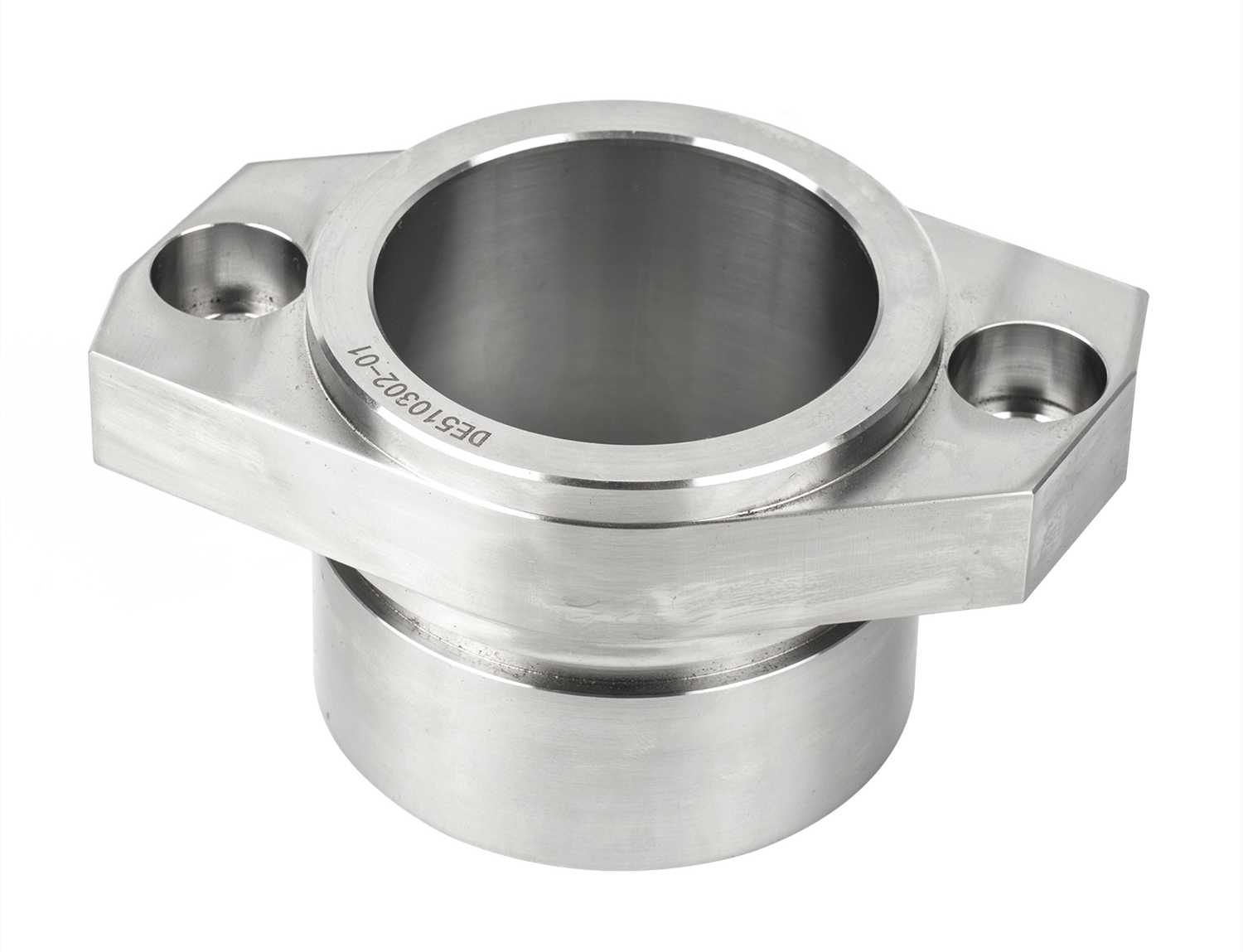
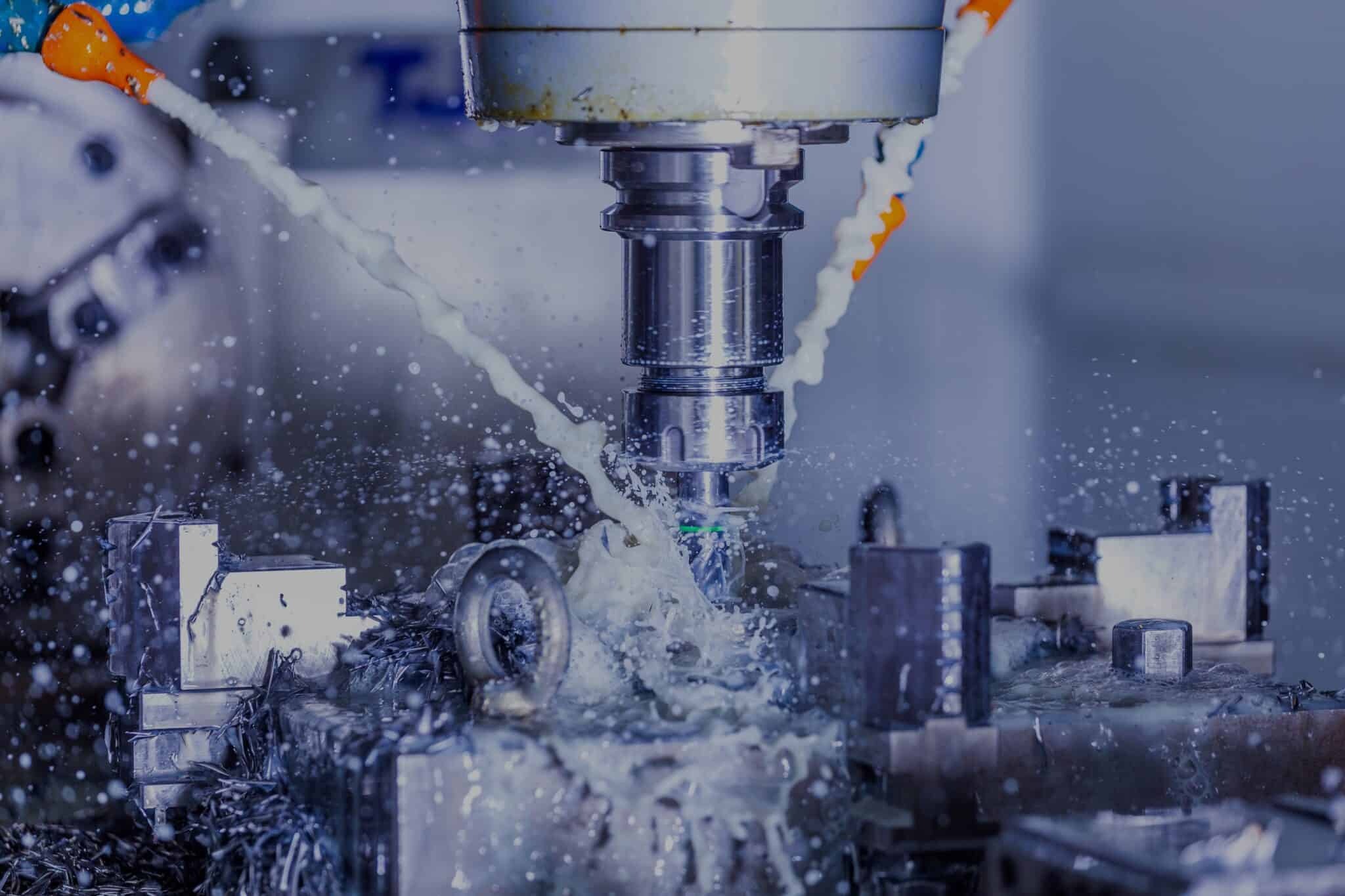
This is why consistency in forging, machining, and finishing matters so much. Forging determines grain flow and internal integrity. CNC machining defines dimensional accuracy and thread quality. Surface treatment influences friction, corrosion resistance, and long-term stability. Each step contributes quietly to how a fastener behaves once installed.
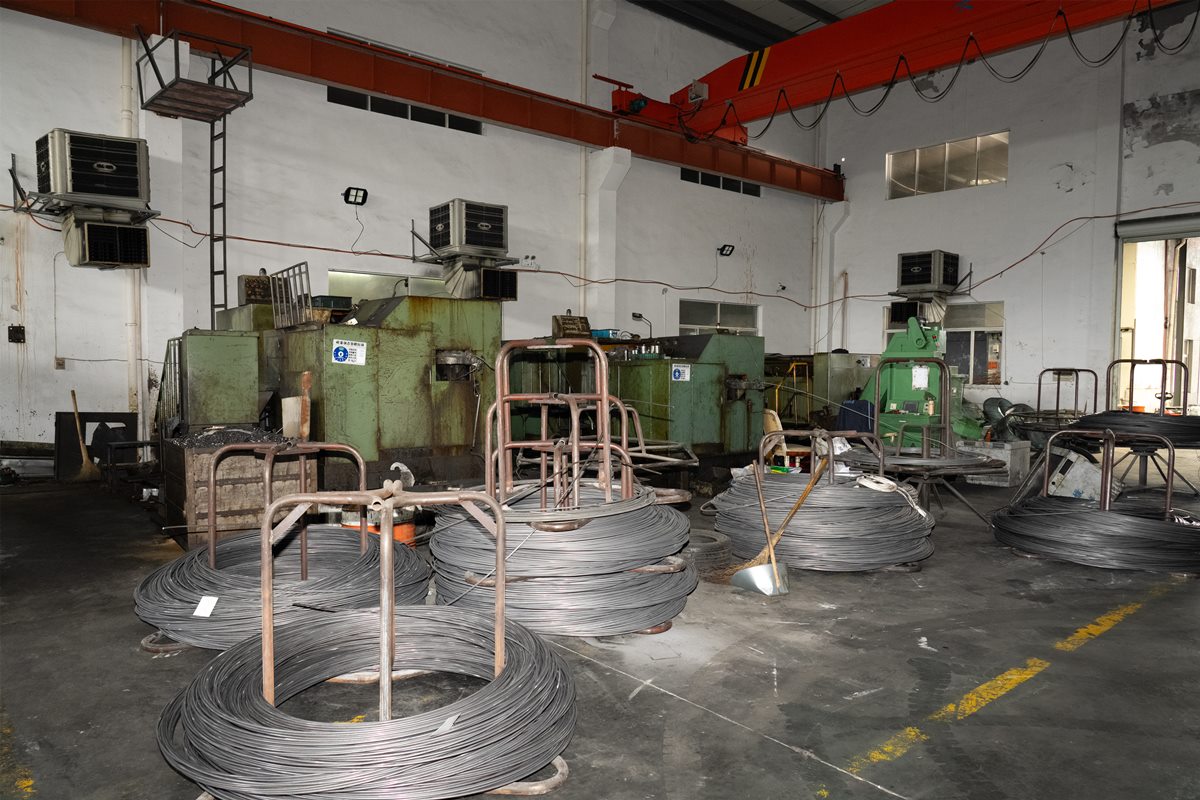
At NINGBO SHENGFA HARDWARE, we learned that chasing maximum values in testing means little if processes drift between batches. Structural safety is protected when fasteners behave the same way today, next month, and next year.
Unlike many components, fasteners remain under load for most of their service life. Once installed, they are rarely monitored. They are expected to hold without adjustment, often in environments that change constantly.
This reality shapes how experienced factories think about responsibility.
A bolt that passes inspection but was produced with unstable parameters may look identical to a reliable one. The difference only shows up after repeated stress cycles, exposure to moisture, or thermal expansion. At that point, responsibility cannot be shifted to inspection reports or certificates.
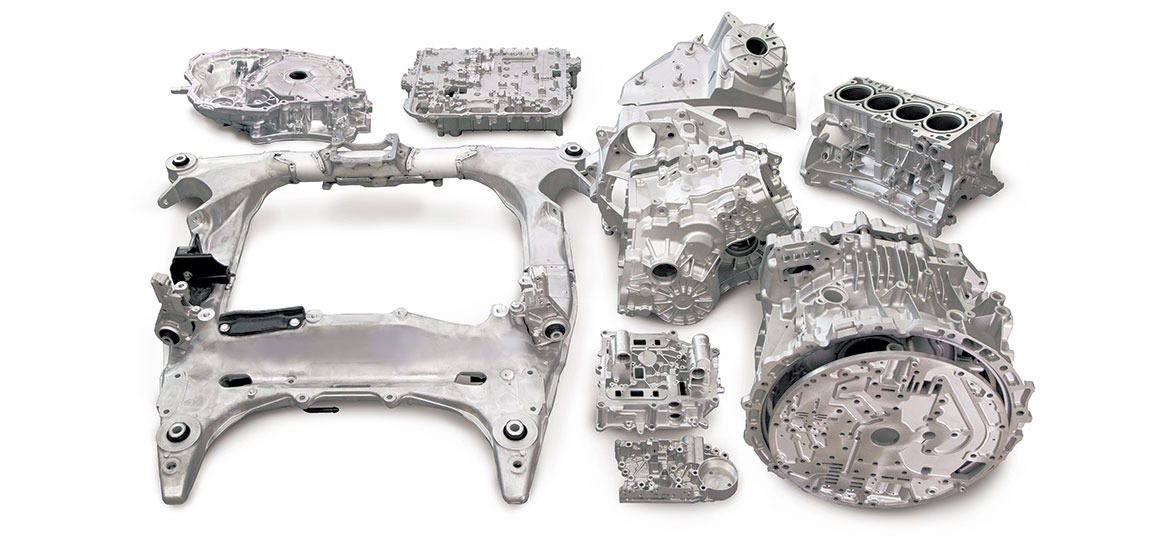
Casting quality, for example, affects internal structure even when surfaces appear flawless. Poor control during casting can introduce hidden weaknesses that no final test fully reveals. Similarly, aggressive machining shortcuts may meet dimensional requirements while compromising thread surface integrity.
Structural safety depends on how carefully these risks are managed upstream.
Export manufacturing makes this responsibility heavier. Once fasteners leave the factory, distance removes control. Problems cannot be corrected easily, and consequences may affect systems far larger than the fastener itself.
At NINGBO SHENGFA HARDWARE, this understanding pushed us to treat fasteners not as simple products, but as safety-critical components whose performance continues long after shipment.
Fasteners are unique because of their scale relative to the systems they support. A single nut or bolt may seem insignificant, but failure rarely occurs in isolation. When fasteners underperform, load paths shift, stress redistributes, and secondary failures can follow.
This is why structural engineers often say that connections define structures. Without reliable connections, even the strongest materials lose effectiveness.
From the factory floor, this translates into a different mindset. Production decisions that seem minor—such as tool wear tolerance in CNC machining or temperature control during forging—gain new importance when you consider their downstream effects.
We saw this clearly when working with clients whose applications involved vibration or dynamic loads. In these environments, fastener behavior under repeated stress mattered more than static strength. Stable thread geometry, controlled surface conditions, and predictable preload retention became essential.
Experience taught us that fasteners should not be optimized for appearance or short-term metrics. They should be built for long-term behavior within a system.
Fastener reliability does not come from a single advanced machine or a special test. It comes from disciplined processes that reduce variability.
Forging must follow controlled temperature and deformation patterns to ensure internal strength. CNC machining must maintain stable parameters to protect thread form and surface integrity. Casting processes must be consistent to avoid internal defects that compromise fatigue resistance.
When these processes are disciplined, final inspection becomes confirmation rather than defense.
At NINGBO SHENGFA HARDWARE, we found that disciplined processes reduced the need for explanations. Customers experienced fewer installation issues, fewer torque inconsistencies, and fewer long-term complaints. Structural safety improved not because products changed dramatically, but because variation was reduced quietly.
Trust in fasteners is rarely expressed directly. Customers don’t praise a bolt for working as expected. Instead, trust shows up when fasteners stop being discussed at all.
Predictable performance allows engineers to design with confidence. Installers follow standard procedures without hesitation. Maintenance teams encounter fewer surprises.
This trust is built slowly and lost quickly. A single unexplained failure can outweigh years of quiet success.
That is why experienced factories treat fastener production as a long-term responsibility rather than a transactional task. Each nut and bolt represents not just material and labor, but a promise of consistent behavior under real-world conditions.
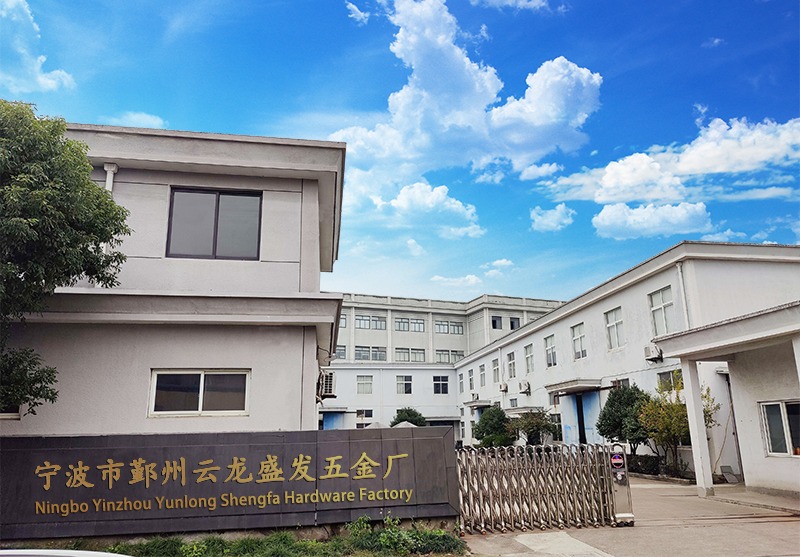
At NINGBO SHENGFA HARDWARE, we view structural safety as a shared outcome between design, manufacturing, and application. Our role is to ensure that fasteners do exactly what they are expected to do—nothing more, nothing less.
The best indicator of structural safety is silence. No emergency repairs. No unexpected loosening. No gradual loss of confidence.
Fasteners contribute to this silence when they are produced with respect for consistency, discipline, and long-term performance. Their small size hides their importance, but their role is foundational.
Years of manufacturing taught us that structures are only as reliable as their connections. Fasteners may not attract attention, but they carry responsibility far beyond their size.
In that quiet responsibility lies their true role in structural safety.