In export manufacturing, first orders are often easier than repeat orders. A new customer is curious. They want to test a supplier’s capability, pricing, and responsiveness. Expectations are cautious but open.
Repeat orders are different. They are not driven by curiosity. They are driven by trust.
Over the years, we learned that repeat orders are rarely earned through persuasion. They come when customers quietly decide that working with you creates fewer problems than working with someone else. That decision is usually made long before a second purchase order is issued.
In the early stages of exporting, it is tempting to focus on what can be promised. Short lead times, competitive pricing, flexible customization, and fast responses all sound convincing. We relied on these strengths as well.
What experience taught us is that promises attract first orders, but predictability earns the second.
Customers evaluate export manufacturers through everyday interactions. They notice whether delivery dates remain realistic. They notice whether product performance stays consistent across batches. They notice how often explanations are required.
A factory that performs well once but differently the next time creates hesitation. Even if quality is acceptable, inconsistency adds planning risk for the buyer. Repeat orders depend on whether that risk feels manageable.
At NINGBO SHENGFA HARDWARE, we saw that repeat orders increased when our processes became calmer. Fewer urgent adjustments. Fewer last-minute confirmations. Fewer surprises after delivery. Predictability reduced friction, and reduced friction encouraged continuity.
Export manufacturing involves distance, time zones, and limited visibility. Customers rarely see the factory floor. What they experience instead is communication.
Early on, we believed that fast responses were the key. Answering emails quickly and saying “yes” often felt like good service. Over time, we realized that speed alone was not enough.
Clear communication matters more than optimistic communication.
Customers value accurate updates over encouraging ones. They prefer realistic timelines to ambitious ones. They remember whether issues are explained early or after delays become unavoidable.
We learned that saying less—but saying it with confidence—built stronger relationships. When information is stable, customers can plan. When explanations keep changing, confidence erodes.
Repeat orders came more naturally once communication reflected what the factory could reliably deliver, not what we hoped to deliver.
At NINGBO SHENGFA HARDWARE, aligning communication with actual production behavior became a quiet advantage. Customers felt informed without being overwhelmed, and that balance encouraged long-term cooperation.
Export buyers rarely place repeat orders because of a single test report. They place them because products behave the same way in real use.
Hardware that installs smoothly, performs consistently, and requires fewer adjustments in the field reduces downstream costs. These benefits are not always quantified, but they are noticed.
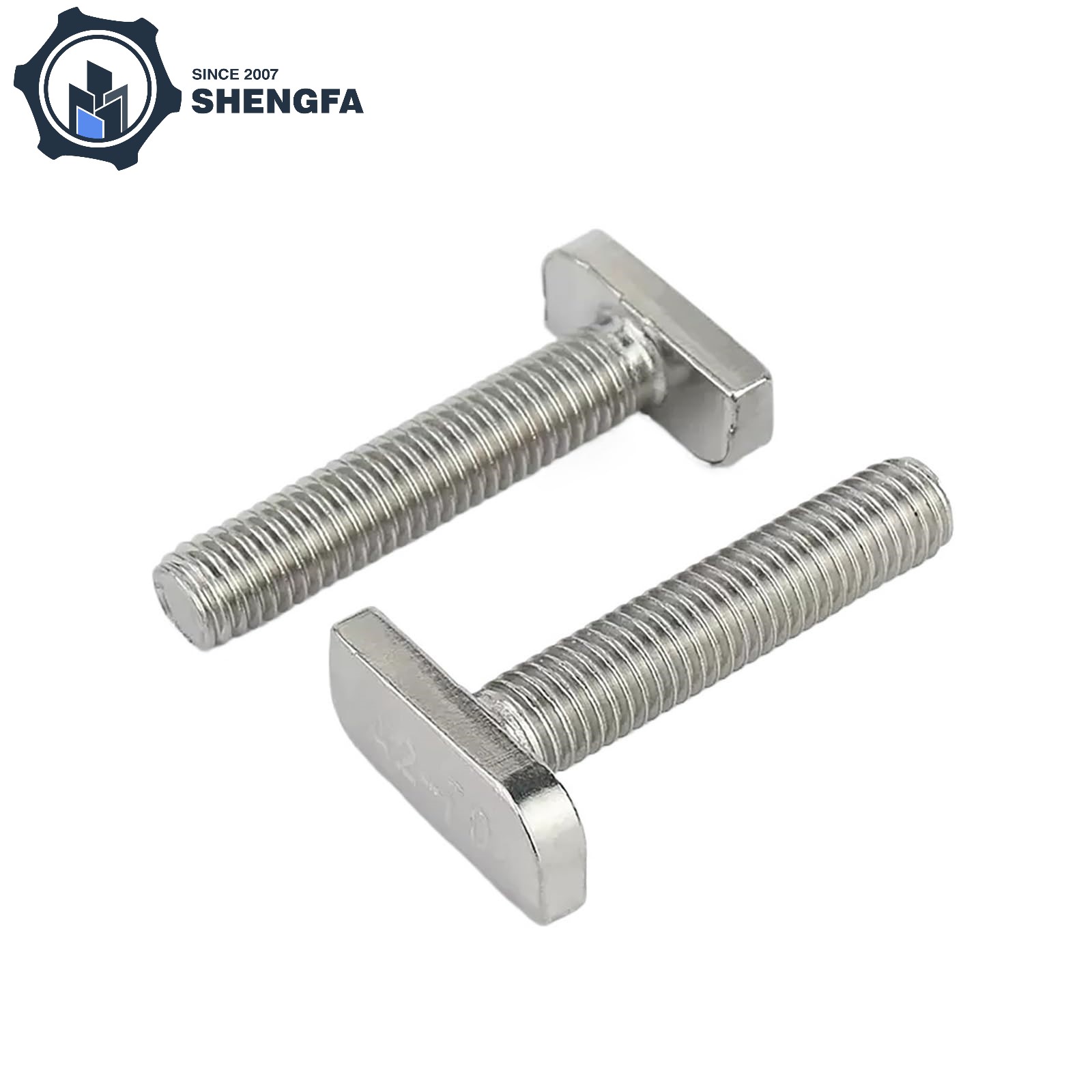
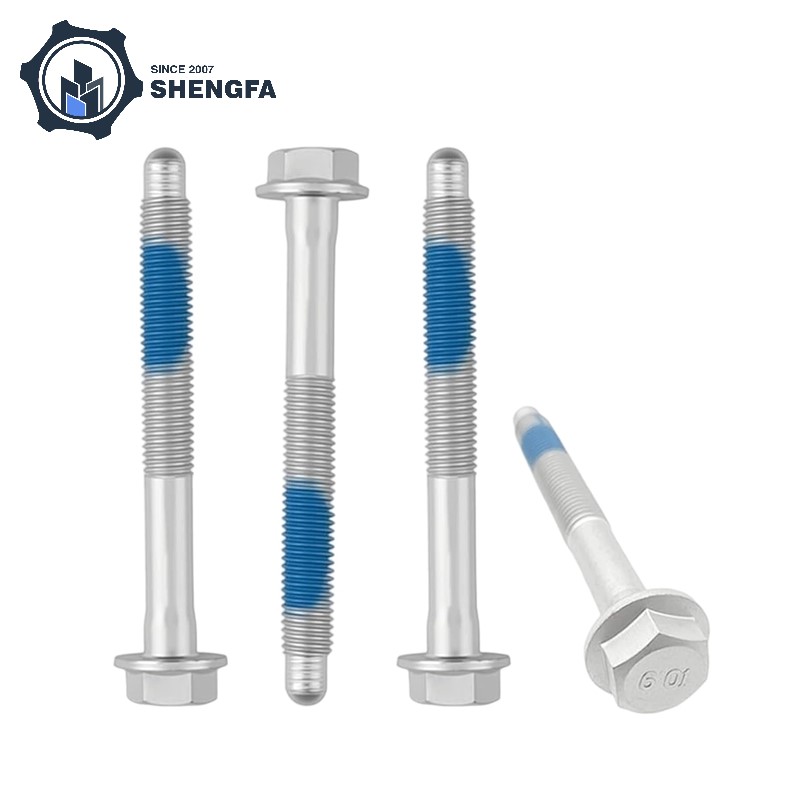
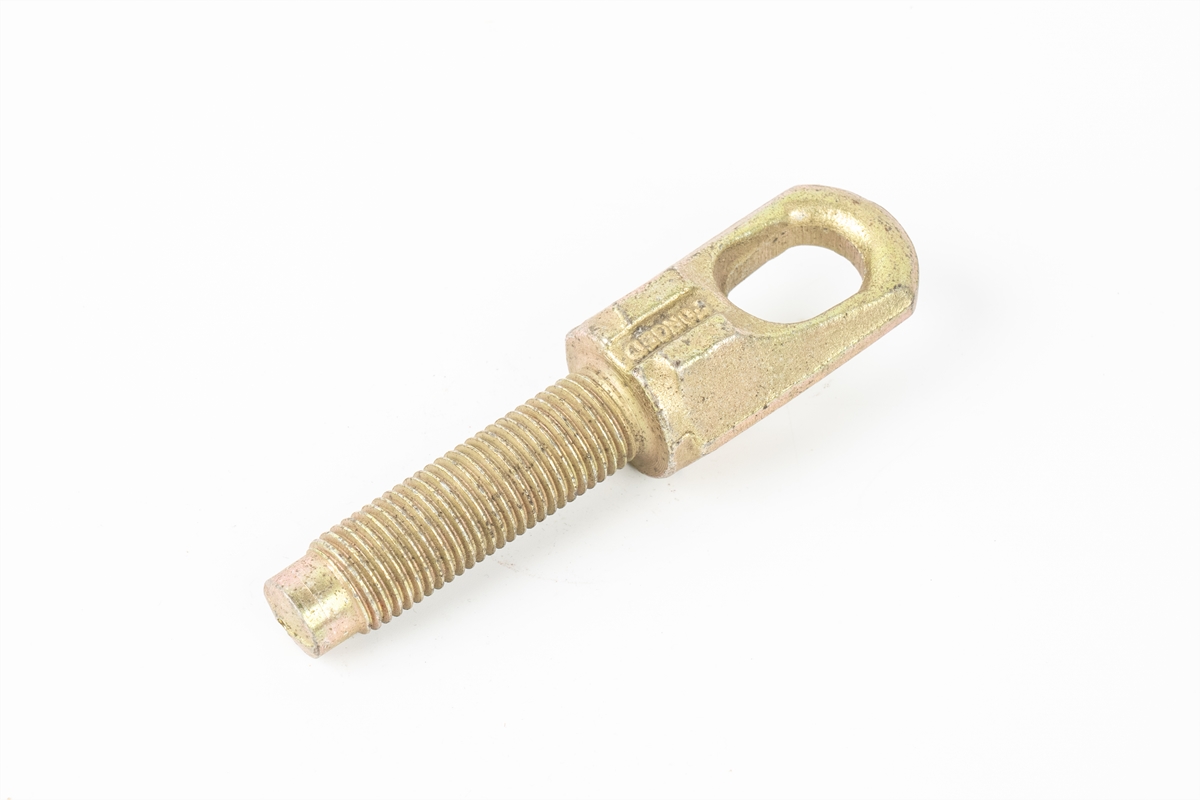
We saw this clearly with repeat fastener orders. Bolts and nuts that met specifications but behaved differently during installation caused friction. Even small variations in threading or surface condition slowed assembly lines.
Once processes stabilized, feedback changed. Customers stopped reporting minor issues. Communication shifted from troubleshooting to planning. That silence was meaningful.
Repeat orders often arrived without negotiation. The value was already understood.
Customers may never ask about internal processes, but repeat orders reflect their effectiveness.
Factories that rely heavily on inspection to catch issues often struggle with consistency. Those that protect stable forging, machining, and finishing processes tend to perform more predictably over time.
Discipline shows up in how changes are introduced, how deviations are handled, and how experience is embedded into routines rather than individuals.
At NINGBO SHENGFA HARDWARE, repeat orders increased as our reliance on last-minute corrections decreased. Products did not need to be “saved” before shipment. They arrived ready.
This reliability reduced customer involvement. When buyers no longer need to monitor closely, they reorder more confidently.
No export manufacturer avoids problems entirely. What differentiates experienced suppliers is how those problems are handled.
When issues arise, customers pay attention to tone as much as outcome. Calm explanations, early notice, and clear corrective actions build confidence. Defensive responses or shifting explanations do the opposite.
We learned that admitting uncertainty early often strengthened trust. Customers appreciated honesty over perfection.
Repeat orders often followed not flawless performance, but responsible behavior when challenges appeared.
Repeat orders are not won through campaigns or incentives. They are earned through accumulation—of consistent results, reliable communication, and disciplined decisions.
The absence of drama matters. When a supplier fades into the background of a customer’s operations, that supplier becomes difficult to replace.
Export manufacturing rewards patience. Trust compounds slowly, but once established, it becomes resilient.
At NINGBO SHENGFA HARDWARE, we came to understand that repeat orders are not a goal to chase. They are a result of doing many ordinary things correctly, day after day.
New customers bring opportunity. Repeat customers bring stability.
They allow better planning, deeper process understanding, and more meaningful collaboration. They also create space for improvement rather than constant explanation.
For export manufacturers, repeat orders are the clearest signal that trust has been earned. They reflect confidence built quietly, without slogans or persuasion.
In the end, repeat orders are not about being the cheapest or the fastest once. They are about being reliable every time.