When people talk about hardware quality, they often focus on the finished product. They look at the surface, check the dimensions, maybe review a test report, and then make a judgment.
From the outside, that seems reasonable. But from our perspective inside manufacturing, quality is rarely decided at the end. By the time a bolt or nut reaches final inspection, most of its characteristics have already been shaped.
Over the years, working with different international customers, we have gradually come to understand that reliable hardware is not the result of a single strong process. It is the outcome of many controlled steps, each one supporting the next. If one stage becomes unstable, the impact often carries forward. Managing every step—from material selection to surface finishing—is not about adding complexity. It is about reducing uncertainty.
Material Selection and Forming: Setting the Direction Early
The process begins with material selection, and this is where many long-term differences originate. Steel grade, chemical composition, and supplier consistency all influence how the material behaves later. Two batches of material may meet the same standard on paper, but in practice, they can respond differently during forging or machining.
We noticed this early when producing standard fasteners. Some batches of steel flowed more smoothly during forging, while others required adjustments. That difference might seem small, but it affects dimensional stability and internal structure.
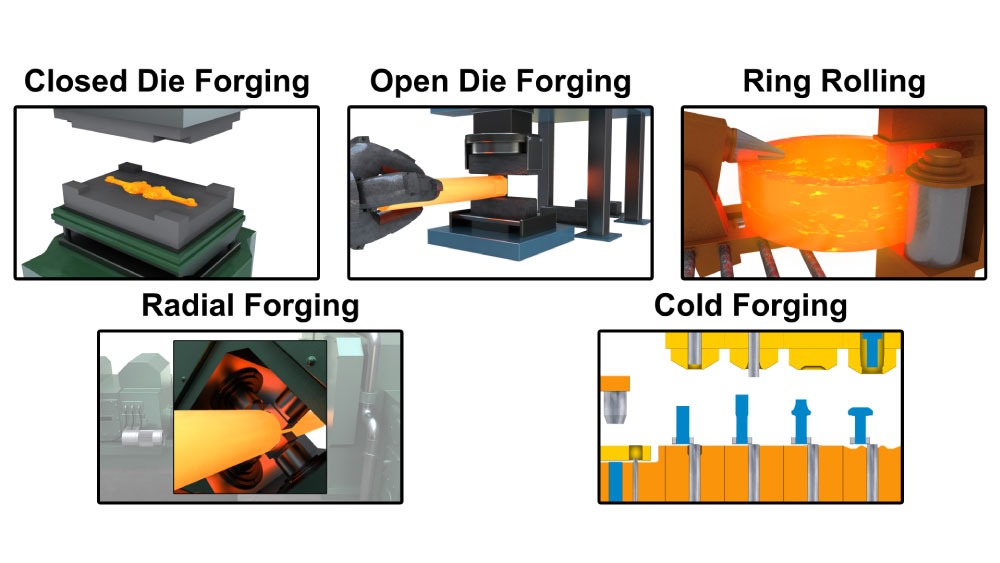
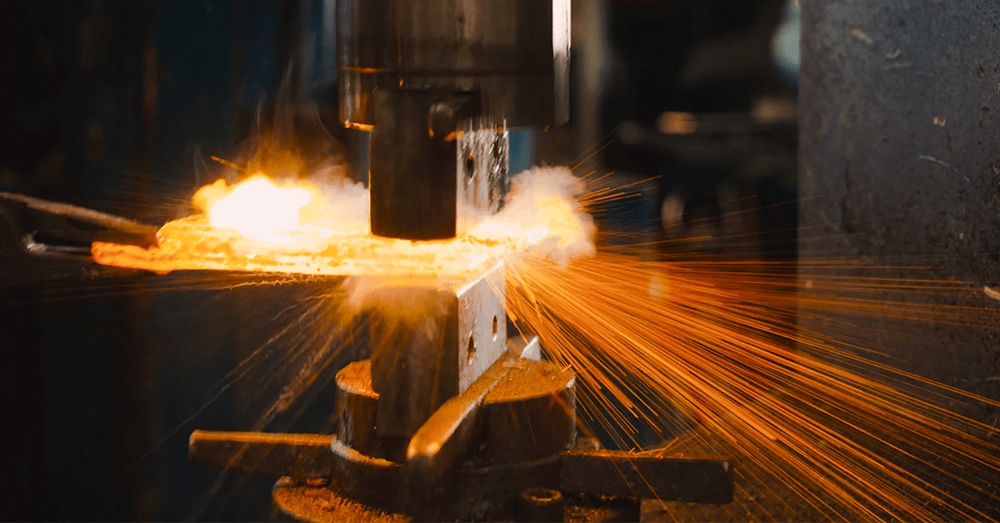
Forging itself is not just about shaping metal into a bolt or a rough fastener form. It defines grain flow, which directly affects strength and fatigue resistance. If temperature control is inconsistent, or if deformation is uneven, the internal structure may not be as stable as expected.
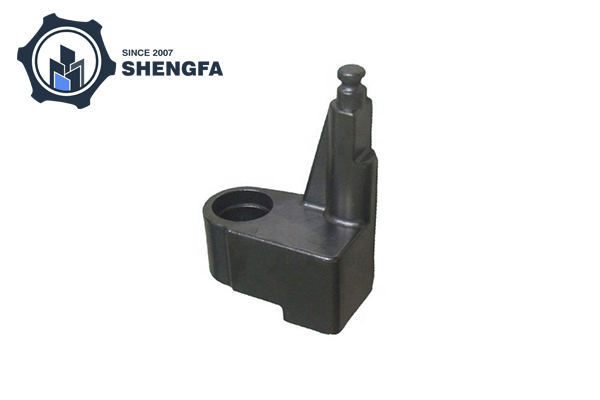
Casting introduces a different set of considerations. For more complex components, casting allows near-net shapes, but it requires careful control of mold conditions and cooling behavior. Small variations in shrinkage can later influence machining allowances.
At NINGBO SHENGFA HARDWARE, we try to keep forming conditions as stable as possible. Instead of frequently adjusting parameters to chase short-term efficiency, we focus on repeatable settings that produce consistent blanks.
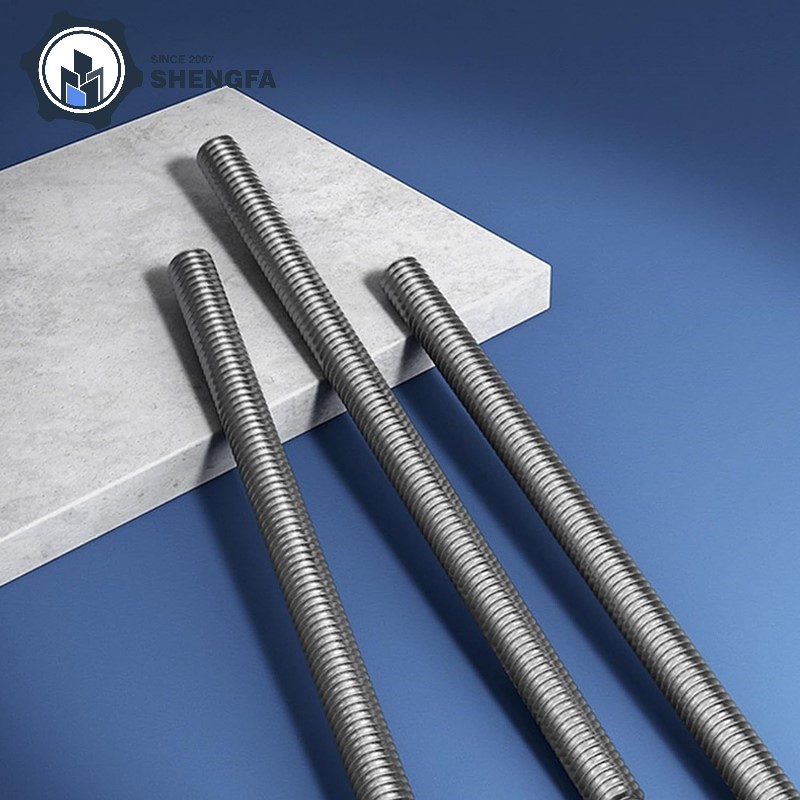
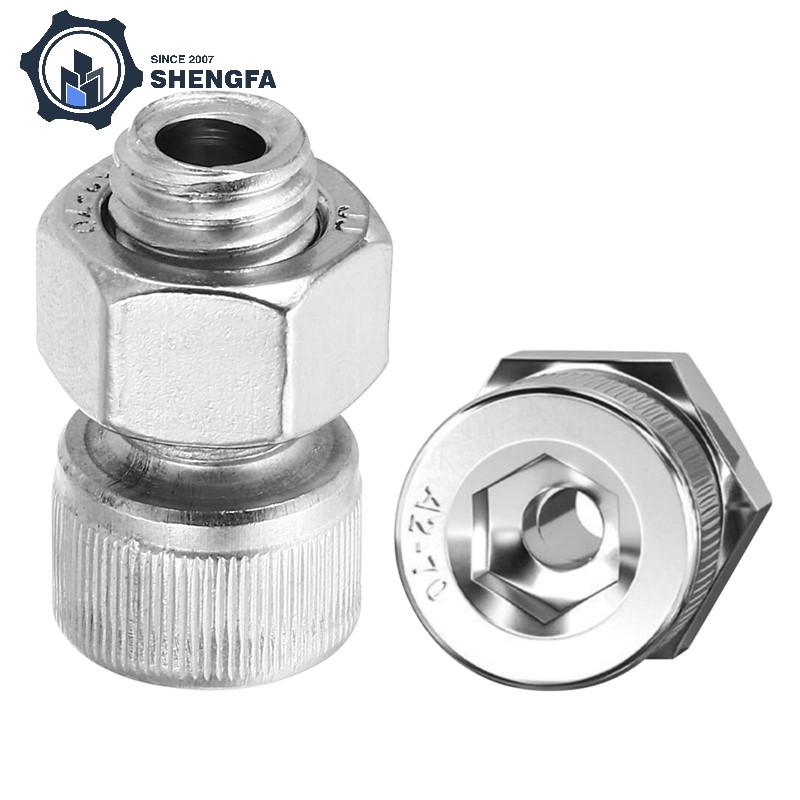
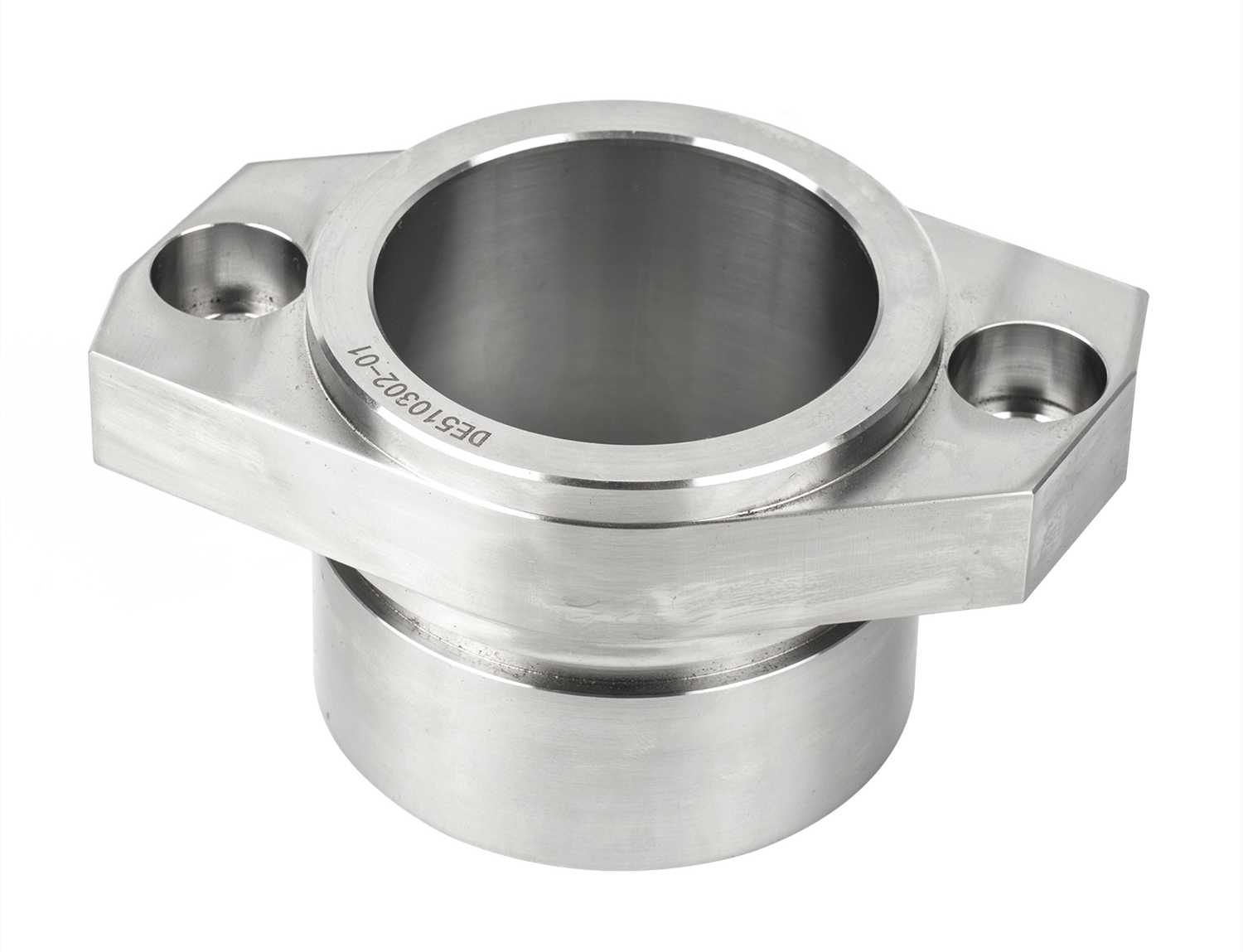
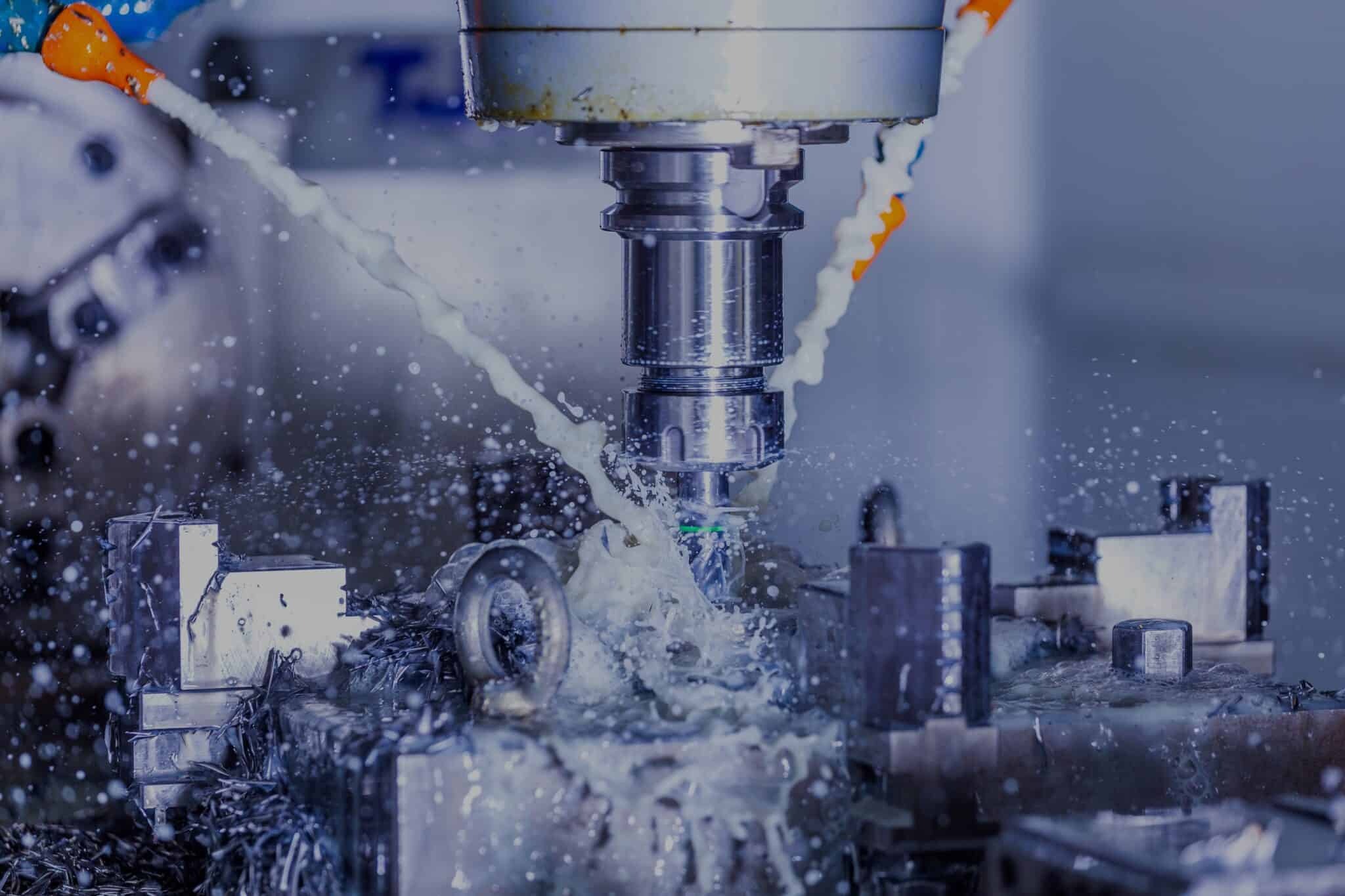
Once the part enters CNC machining, the goal shifts from shaping to refining. This is where dimensions are finalized, threads are created, and functional surfaces are defined. For bolts, nuts, and other fasteners, machining precision directly affects how components fit and perform in real assemblies.
In theory, CNC machining is highly controlled. Programs define tool paths, and machines follow them exactly. But in practice, there are still many variables. Tool wear is one of them. Cutting tools do not fail suddenly; they gradually lose sharpness. At first, the change is subtle. Over time, it can affect thread depth, surface finish, and dimensional accuracy.
We learned not to push tools to their limits. Replacing them slightly earlier reduces variation, even if it increases cost slightly. Another factor is how stable the incoming parts are. If forged or cast blanks vary too much, machining has to compensate. That often leads to frequent adjustments, which can introduce inconsistency. Tolerance control also depends on how often processes are interrupted. Frequent setup changes, program modifications, or parameter tuning can all affect repeatability.
At NINGBO SHENGFA HARDWARE, we try to reduce unnecessary changes once a stable machining process is established. When conditions remain steady, results become easier to predict. Over time, inspection data becomes less scattered, which is usually a good sign. CNC machining, in our experience, works best when it is allowed to run in a stable environment rather than being constantly optimized.
After machining, many hardware components still require additional processing before they are ready for use. Heat treatment is one of the most critical steps. It determines hardness, strength, and overall mechanical performance. For high-strength bolts, this step is especially important.
However, heat treatment is not just about reaching a target hardness value. The process must be controlled carefully to avoid unwanted side effects. If cooling is too fast, the material may become brittle. If it is too slow, the required strength may not be achieved.
We have also seen cases where heat treatment introduces slight dimensional changes. That is why machining allowances and tolerances need to consider what happens during this stage.
Surface treatment is another area where small details matter. Coatings such as zinc plating or other protective finishes are essential for corrosion resistance, especially in outdoor or industrial environments. But coating thickness must be balanced. If it is too thick, threads on bolts and nuts may not engage smoothly. If it is too thin, protection may not be sufficient. These finishing steps are sometimes treated as secondary processes, but in reality, they have a direct impact on how the fastener performs over time.
At NINGBO SHENGFA HARDWARE, we treat heat treatment and surface finishing as part of the same controlled chain. Each step is considered in relation to the others, rather than in isolation.
Looking back, one of the biggest changes in our thinking has been shifting focus from results to processes. Early on, it is easy to focus on inspection—checking dimensions, verifying hardness, reviewing reports. These are necessary steps, but they only show what has already happened.
Real control comes from managing the process itself. When material selection is stable, forming becomes predictable. When forming is consistent, CNC machining requires fewer adjustments. When machining is controlled, heat treatment and surface finishing become easier to manage. Each step reduces uncertainty for the next.
At NINGBO SHENGFA HARDWARE, this way of thinking developed gradually. It did not come from a single improvement, but from many small adjustments over time. Some changes were simple, like standardizing tool replacement intervals. Others involved rethinking how different processes connect.
What we found is that when the process becomes stable, the final product no longer depends on constant correction. It becomes naturally consistent.
For customers, this consistency shows up in practical ways. Bolts fit as expected. Nuts engage smoothly. Fasteners perform reliably under load. There are fewer surprises. And in export manufacturing, fewer surprises often matter more than anything else.
Managing every step does not mean making the process complicated. In fact, it often means the opposite. Clear parameters, stable routines, and fewer unnecessary changes tend to produce better results than constant adjustments. Over time, this creates a production environment where quality is not forced at the end, but built throughout the process.
From material selection to forging or casting, from CNC machining to heat treatment and surface finishing, each stage contributes to the final outcome. If one step becomes unstable, the effect rarely stays isolated. It usually carries forward. That is why we focus on the whole process rather than individual improvements.
At NINGBO SHENGFA HARDWARE, this approach has helped us work more effectively with international customers who value consistency over short-term performance. When every step is managed carefully, the final hardware reflects that discipline.
In the end, a reliable fastener is not just a product. It is the result of many controlled decisions, made step by step, long before the finished bolt or nut is ever inspected.