Precision CNC machining is often associated with advanced equipment. When people think about modern manufacturing, they imagine automated machining centers, digital control systems, and perfectly programmed cutting paths.
Machines are important, of course. But after many years working in hardware manufacturing, we have learned something simple: precision does not come from machines alone. It comes from discipline.
Even the most advanced CNC equipment will struggle if the process around it is unstable. On the other hand, when upstream production is controlled and machining parameters remain consistent, precision becomes much easier to maintain.
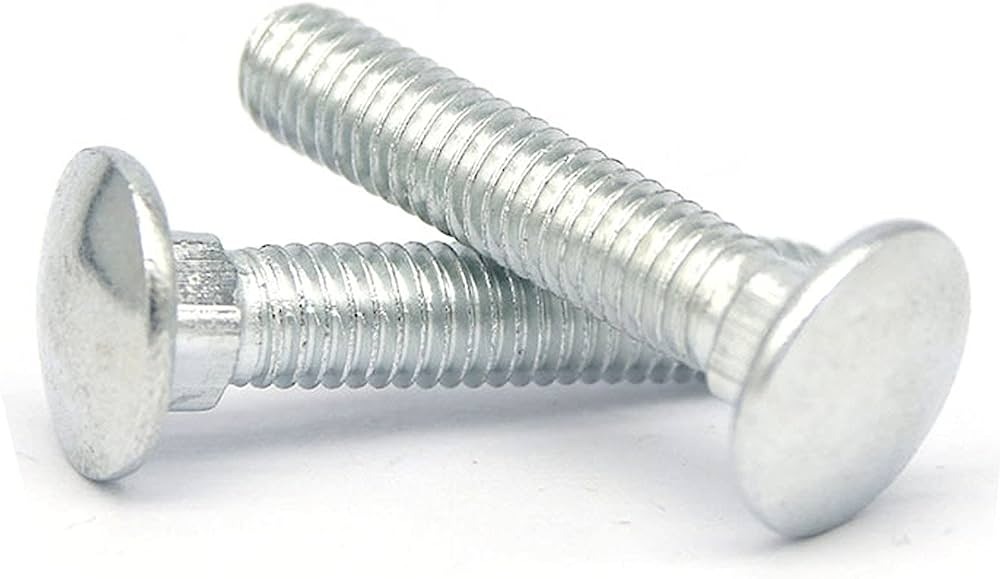
For industrial hardware like bolts, nuts, and structural fasteners, this discipline matters more than most people realize. These components may look small compared with the machines or structures they support, but their accuracy directly affects assembly performance and long-term reliability.
Over the years, our work with international customers has shown us that precision machining is not a single step in production. It is part of a chain of controlled processes.
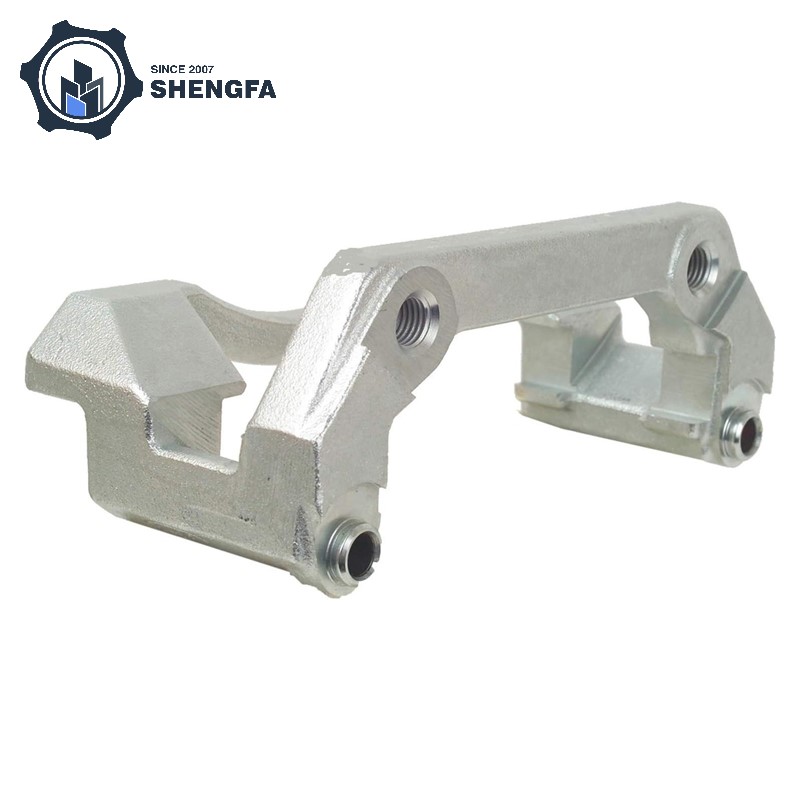
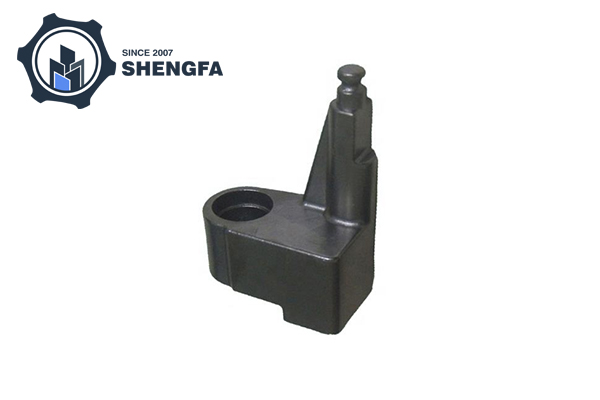
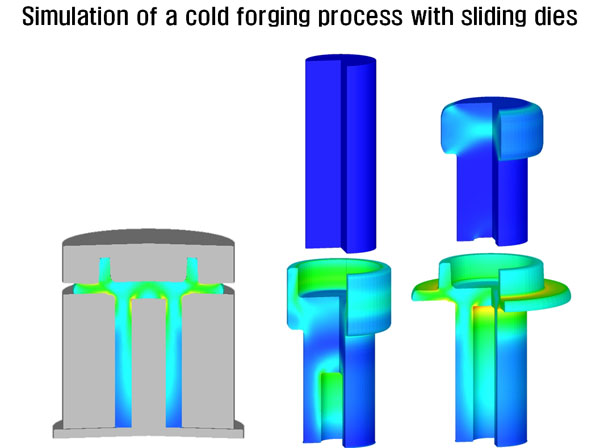
One thing many people misunderstand about CNC machining is when precision actually begins. It does not begin when the cutting tool touches the metal. In reality, it begins earlier, during forging or casting.
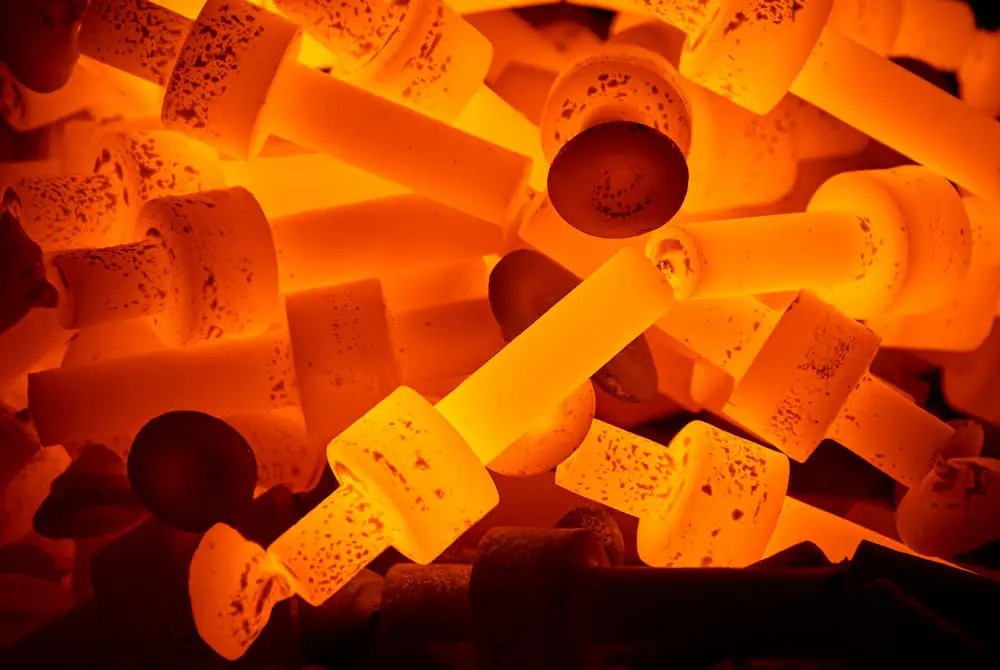
When raw material is formed into a blank component, the quality of that blank determines how predictable the machining stage will be. If the forged or cast part varies in shape, internal stress, or density, the machining process becomes much more difficult to control.
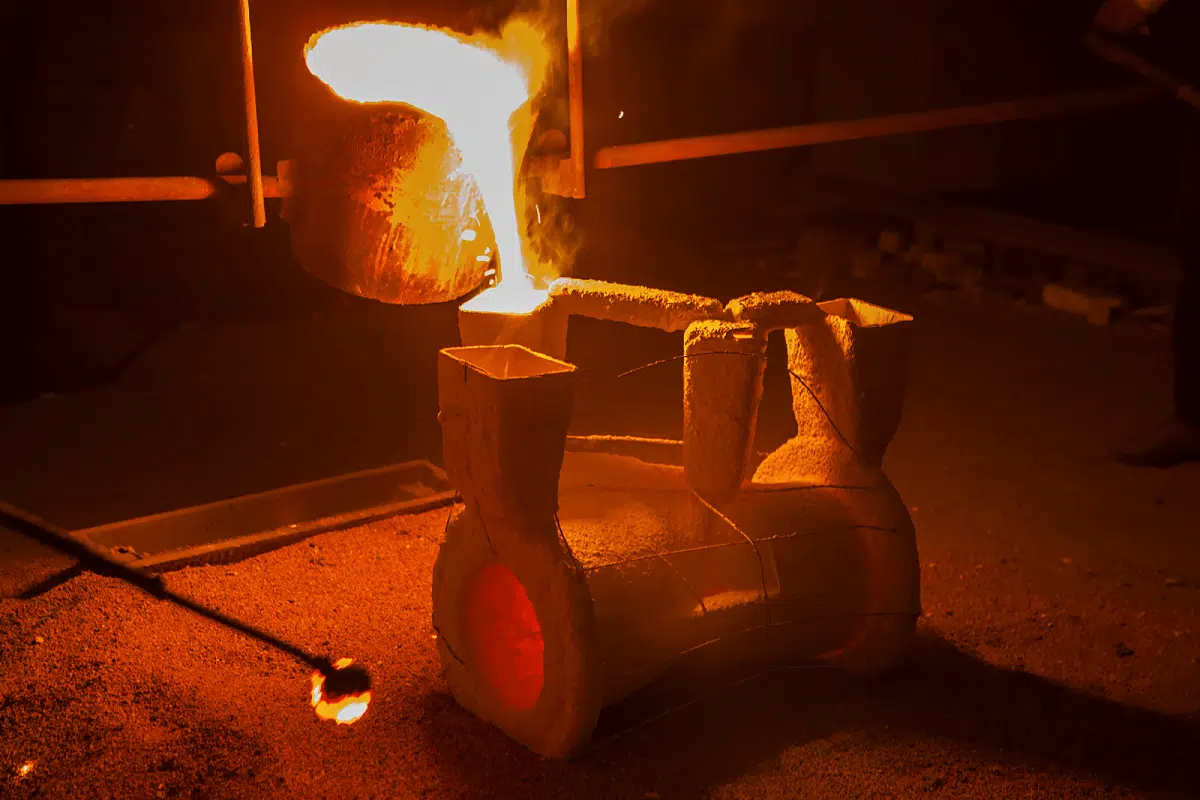
Forging, for example, requires careful temperature management. If the steel is heated unevenly or cooled too quickly, internal stresses may remain inside the material. During machining, those stresses can slowly release and cause the part to shift slightly. Even small movement can affect tolerance stability.
Casting presents its own challenges. Shrinkage during cooling must be predictable. If mold conditions change or cooling rates fluctuate, the resulting blank may not match the intended geometry. CNC machining can correct some of these variations, but not all of them. Because of this, we gradually realized that precision machining depends heavily on stable upstream processes.
At NINGBO SHENGFA HARDWARE, forging and casting operations are controlled carefully so that incoming blanks remain consistent from batch to batch. When raw parts arrive at the machining stage with predictable dimensions, CNC programs can remain stable without constant adjustment.
This stability simplifies everything. Operators spend less time correcting unexpected variation, and the final components—whether they are bolts, nuts, or specialized fasteners—stay within tolerance more reliably.
In other words, precision machining begins long before the machining center starts running.
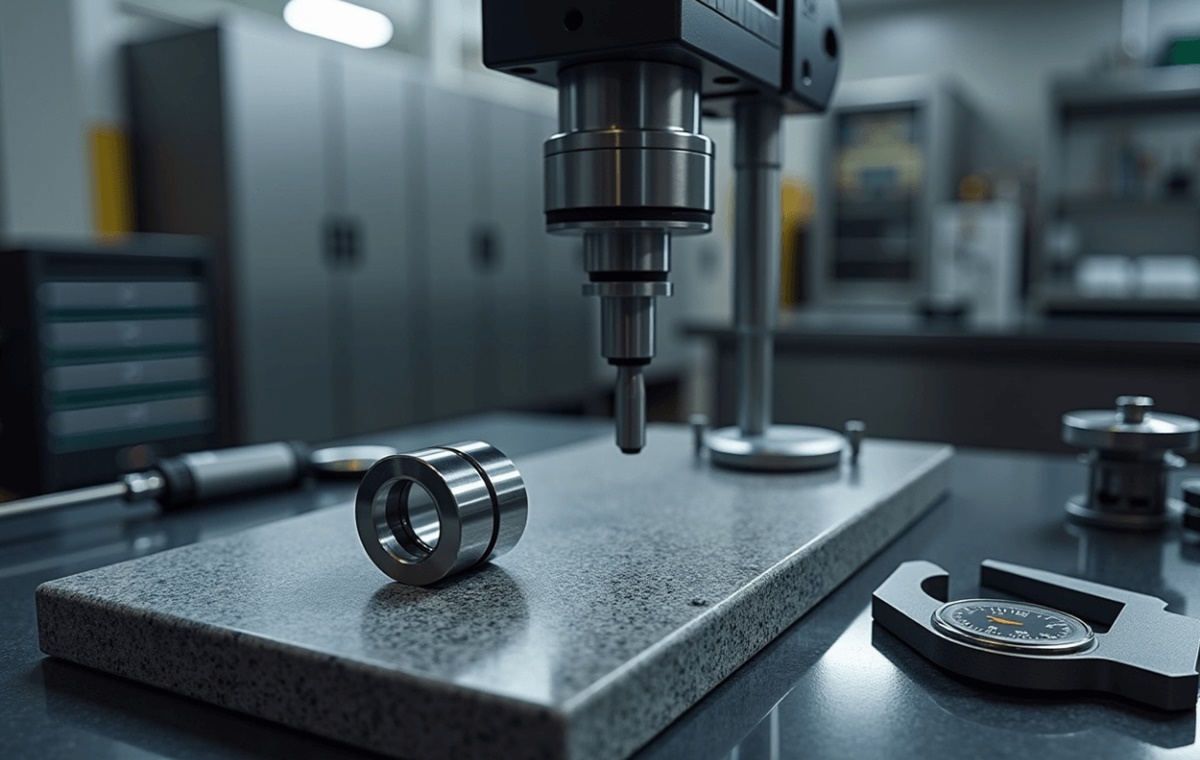
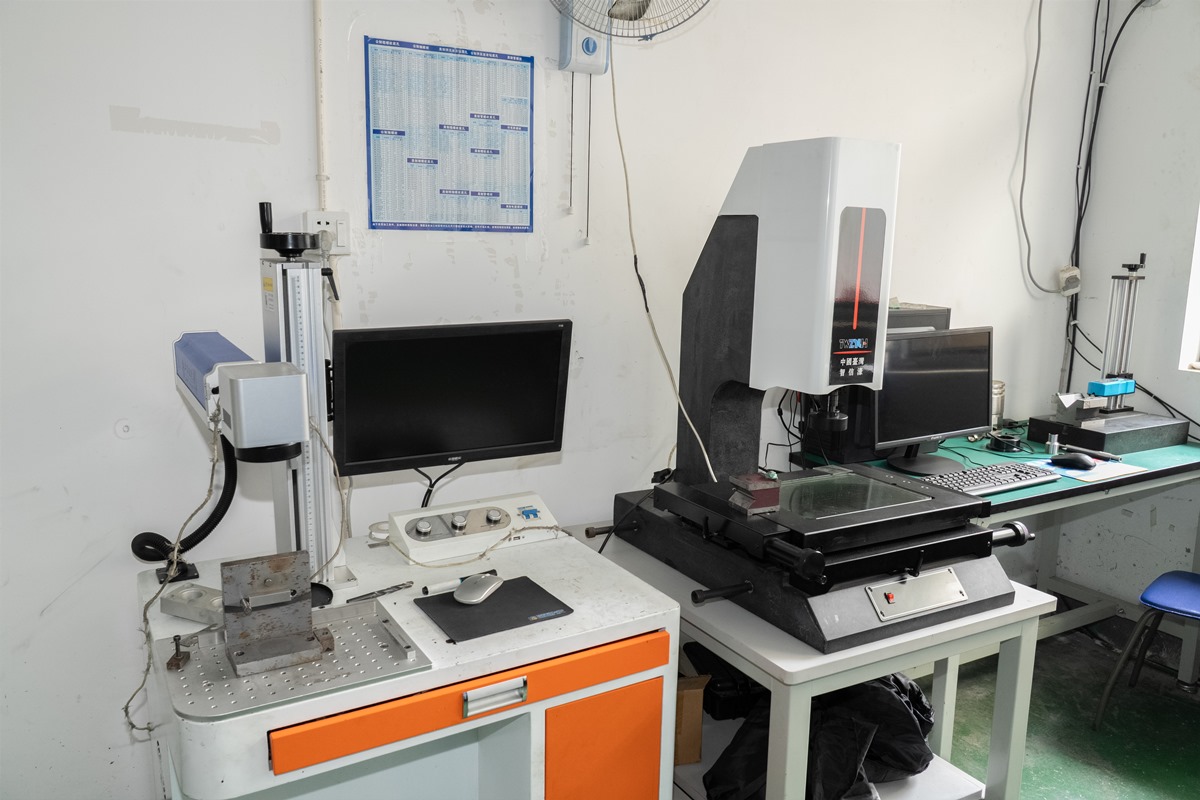
Once the workpiece reaches the CNC machining stage, maintaining tolerance control becomes the main focus. Precision machining involves many variables. Cutting speed, feed rate, clamping force, and tool condition all influence the final result. Even temperature inside the workshop can play a role in dimensional accuracy.
Among these factors, tool condition is especially important. Cutting tools gradually wear as they remove material. This wear happens slowly, which makes it easy to overlook.
At first, the difference may be almost invisible. But over hundreds or thousands of parts, the geometry of the cutting edge changes slightly. That small change can influence thread depth, surface finish, or dimensional tolerance.
In industries where fasteners are used in automated assembly lines, even a minor deviation in thread accuracy can cause problems. Bolts and nuts must engage smoothly and consistently. If thread geometry varies too much, assembly torque may increase or alignment may become difficult.
Because of this, we eventually adopted a more conservative tool replacement schedule. Instead of pushing tools to their maximum lifespan, we replace them slightly earlier. It may increase tooling cost a little, but it reduces the risk of dimensional drift.
Another key factor is fixture stability. During machining, the workpiece must remain completely secure. If a part shifts even slightly while being cut, the resulting dimension may fall outside tolerance. Well-designed fixtures help eliminate this risk. They hold the workpiece firmly without distorting its shape.
At NINGBO SHENGFA HARDWARE, machining programs are also standardized as much as possible. Once a stable program is proven to work reliably, we avoid unnecessary changes. Rewriting programs too frequently can introduce new variation.
Over time, this approach created a more predictable machining environment. Parts move through the CNC process smoothly, and inspection results remain stable across production batches.
Precision, we discovered, is not about constant optimization. It is about maintaining a process that works consistently.
For many hardware components, CNC machining is not the final step. After machining, parts often undergo heat treatment to achieve the required mechanical strength. Heat treatment changes the internal structure of the metal, improving hardness and durability.
However, this process can also cause slight dimensional changes. Parts may expand, contract, or warp slightly depending on temperature and cooling conditions. Because of this, machining tolerances must take heat treatment into account. If machining dimensions are too tight before heat treatment, distortion may push the final component outside acceptable limits.
Surface treatment is another important stage. Coatings such as zinc plating or other protective finishes help prevent corrosion, especially for hardware used in outdoor or industrial environments.
But coating thickness must be carefully controlled. If the coating becomes too thick, threads on bolts and nuts may become difficult to assemble. If it is too thin, corrosion resistance may be reduced. Balancing these factors requires coordination between machining, heat treatment, and finishing operations.
At NINGBO SHENGFA HARDWARE, these stages are treated as connected processes rather than separate departments. Machining tolerances are designed with heat treatment behavior in mind, and surface treatment parameters are monitored to maintain consistent coating thickness. This coordination ensures that finished fasteners perform reliably in real applications.
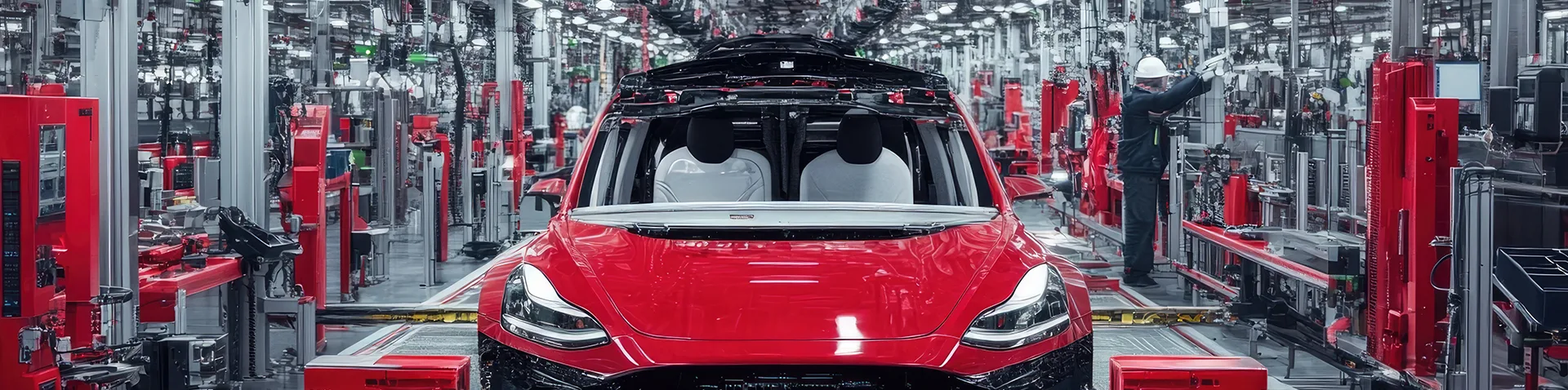
When people visit a factory, they often focus on the machines. CNC machining centers, automated equipment, and digital control systems are impressive to see. But over time, we have come to believe that discipline is more important than technology.
Machines can produce accurate parts, but only if the surrounding process is controlled carefully. Maintenance schedules must be followed. Tool wear must be monitored. Production parameters must remain stable. These routines may seem ordinary, but they are what make precision sustainable.
In the hardware industry, where bolts, nuts, and structural fasteners play critical roles in mechanical systems, reliability matters more than occasional perfection. Customers expect every batch to behave the same way as the previous one. That expectation can only be met through consistent manufacturing habits.
At NINGBO SHENGFA HARDWARE, precision CNC machining is treated as part of a broader manufacturing discipline. From forging and casting to machining, heat treatment, and surface finishing, each stage contributes to the final quality of the product. When these processes remain stable, precision becomes repeatable. And in export manufacturing, repeatability is what builds long-term trust.