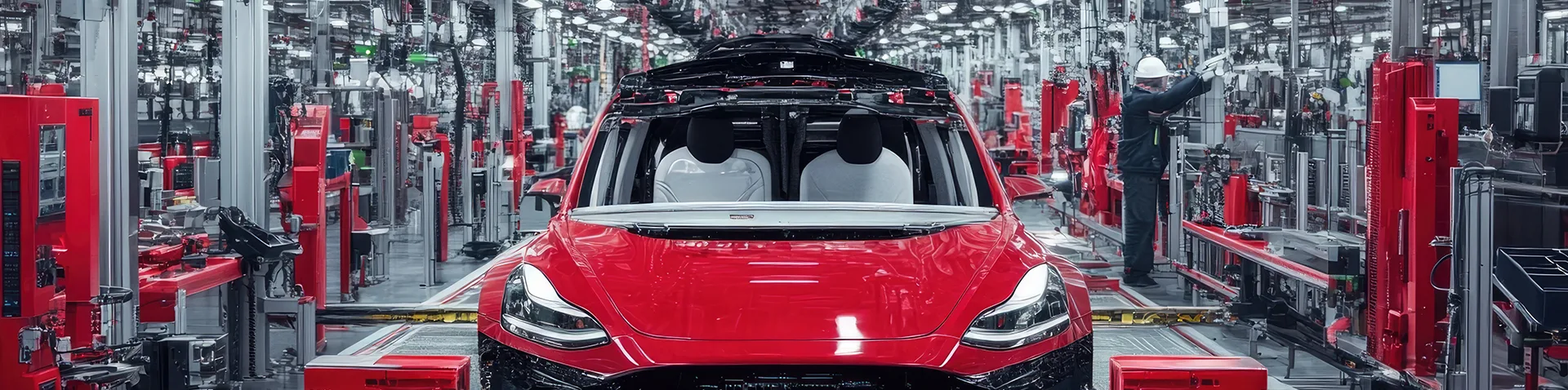
Entering international markets is often described as a milestone for a manufacturing company. Yet from our experience, exporting hardware is not simply about shipping products overseas. It is about operating at a level of consistency and discipline that can withstand distance, time zones, and long supply chains.
Many factories believe they are ready for export as soon as they receive their first overseas inquiry. They may already produce bolts, nuts, and structural fasteners for domestic customers, and technically their products can meet international standards. But true export readiness goes beyond capability.
It involves process stability, transparent communication, and the ability to maintain predictable results across repeated orders. Global buyers are not only purchasing hardware. They are purchasing confidence that future shipments will perform exactly like the first one.
Over time, serving international customers has taught us that export readiness is built through operational maturity rather than simple production capacity.
The most important characteristic of an export-ready hardware supplier is process stability. When products travel thousands of kilometers before reaching their final application, there is very little room for uncertainty.
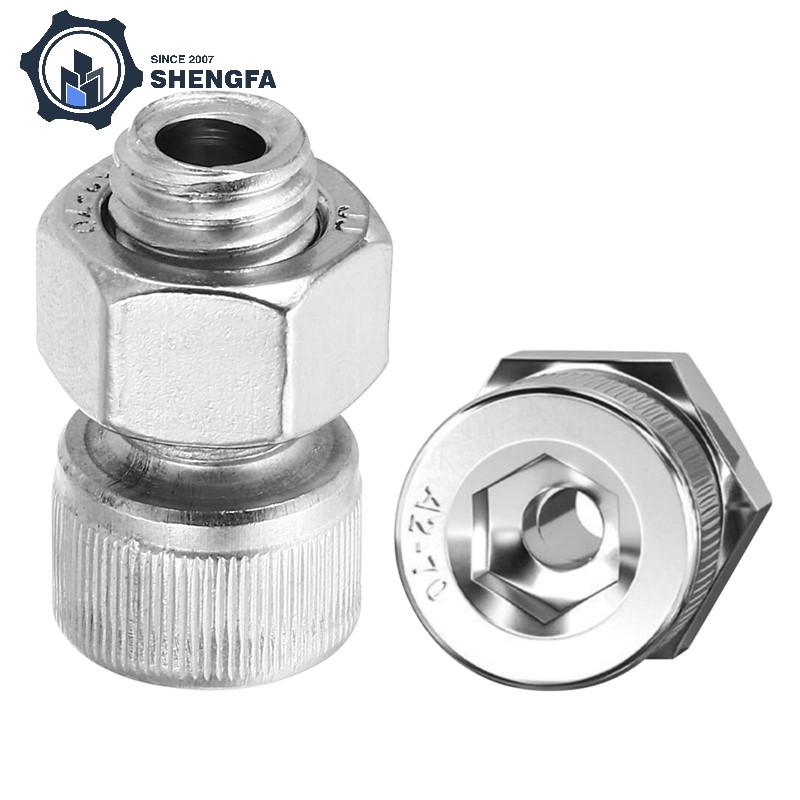
Fasteners such as bolts and nuts are often used in structural assemblies, industrial equipment, or heavy machinery. These components may appear small compared to the systems they support, but their reliability directly affects safety and long-term performance.
Stable manufacturing begins with raw material control and forming processes. Forging operations must maintain consistent temperature ranges, deformation pressures, and dimensional tolerances. If forging conditions fluctuate, variations in grain structure and head geometry can appear. These variations may not be obvious immediately, but they can influence thread quality or mechanical strength.
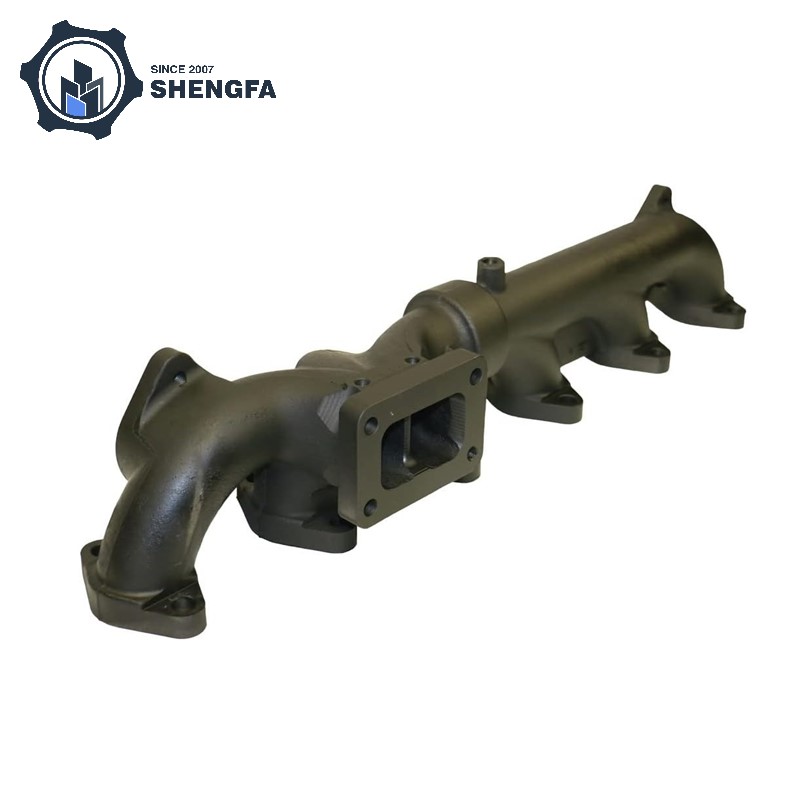
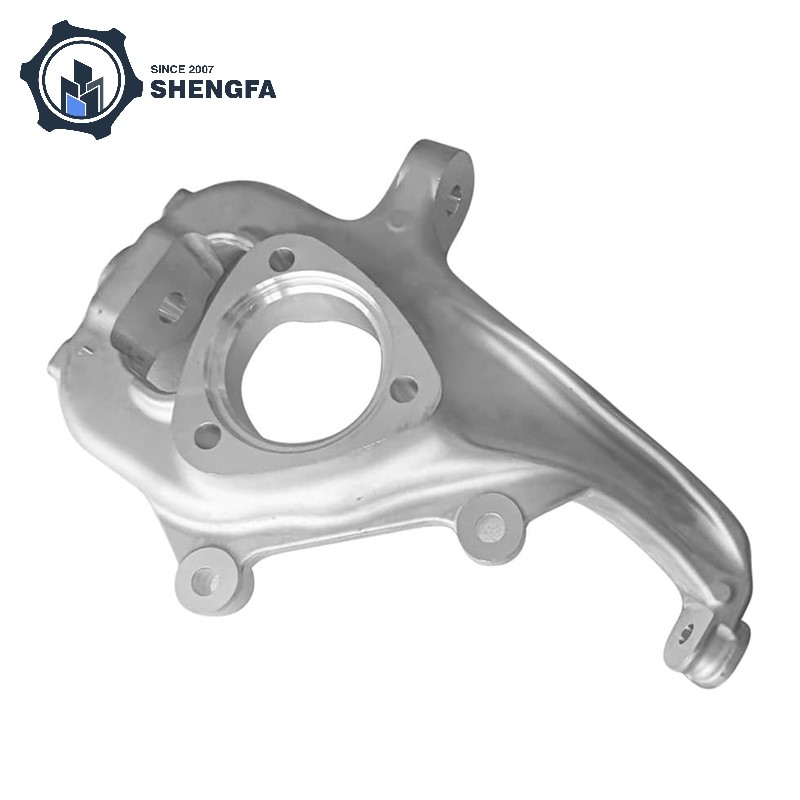
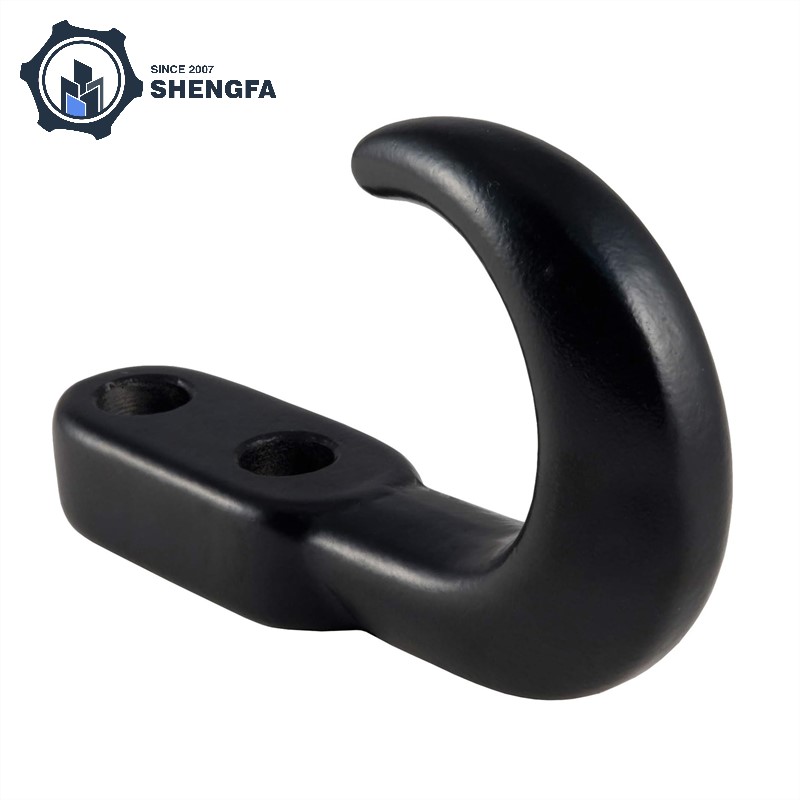
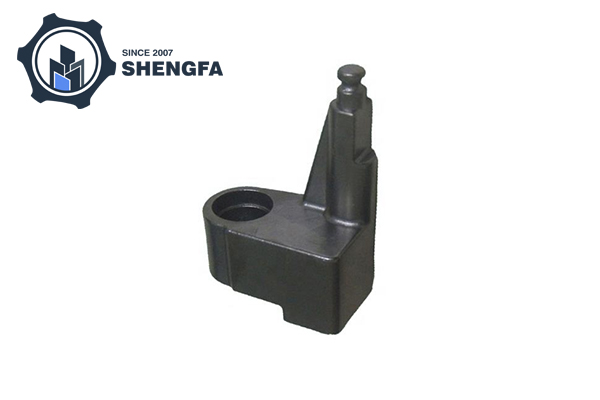
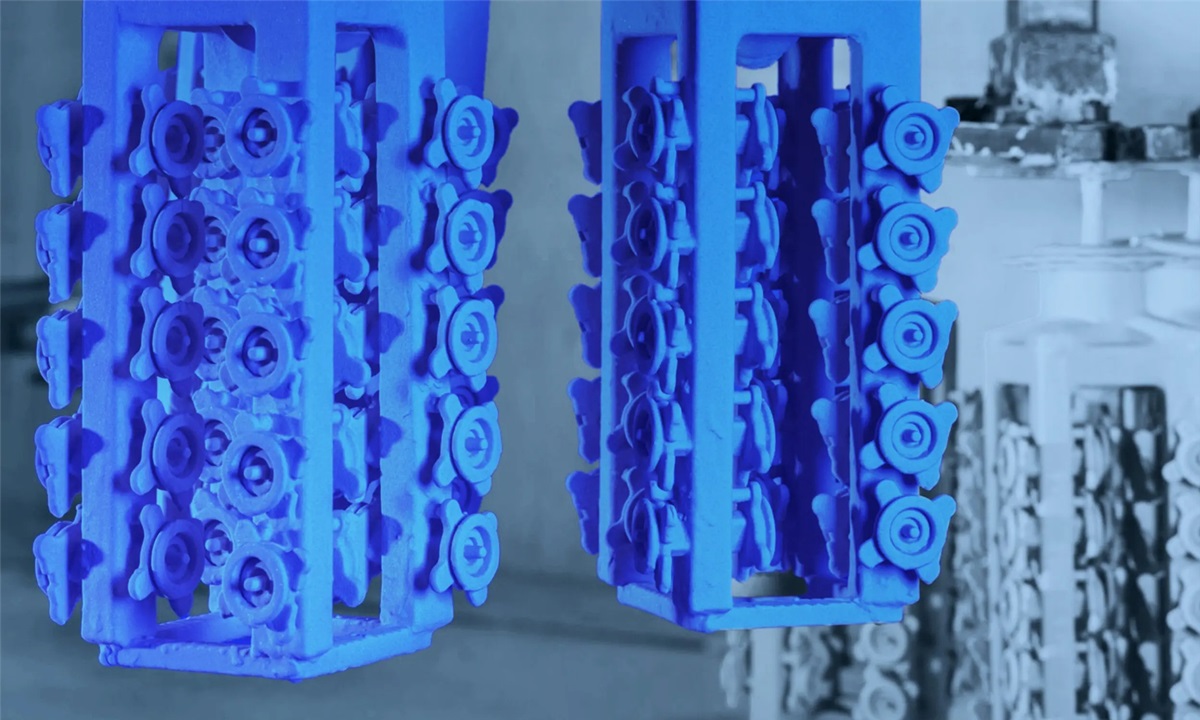
Casting processes require similar attention. When casting is used for complex components, mold stability and cooling control determine dimensional accuracy. Shrinkage behavior must be predictable so that subsequent machining can operate within defined tolerances.
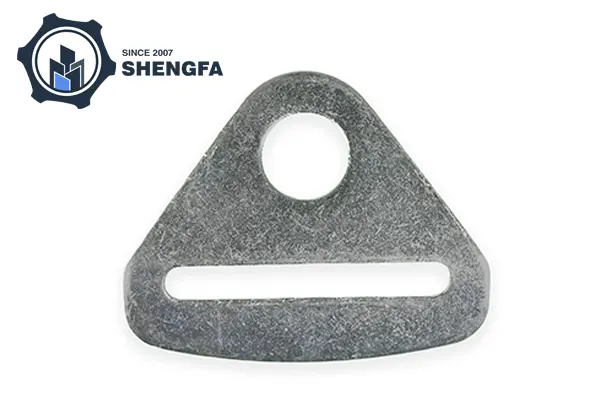
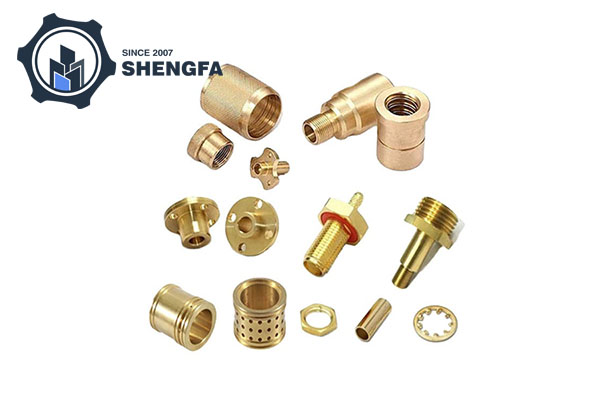
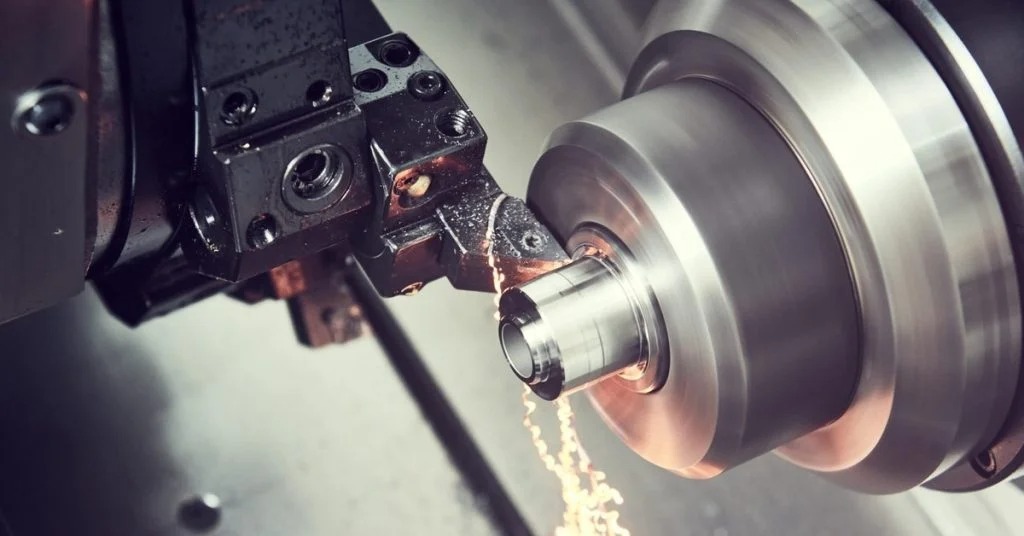
After forming, CNC machining refines each component to its final geometry. Thread accuracy, surface finish, and dimensional tolerance depend on controlled cutting parameters and consistent tooling management. Small variations in machining conditions can lead to subtle differences in thread engagement or torque performance.
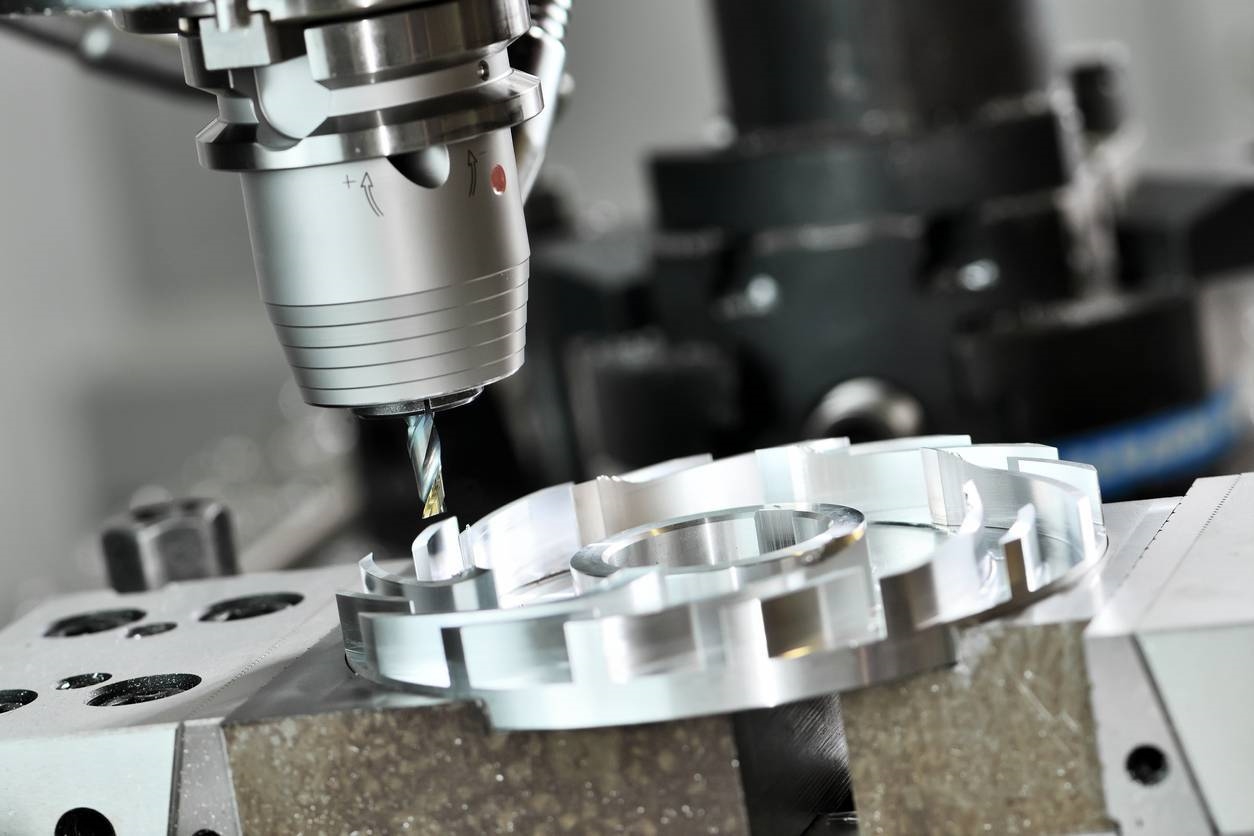
At NINGBO SHENGFA HARDWARE, we gradually realized that export markets are less forgiving of process instability. Domestic customers may sometimes adapt to small fluctuations, but international supply chains depend on repeatability. As a result, we began prioritizing stable baseline parameters rather than frequent adjustments.
When forging, casting, and CNC machining operate within controlled ranges, the entire production flow becomes calmer. Inspection results become predictable, and shipments deliver the same performance from batch to batch. This consistency forms the foundation of export readiness.
Many buyers initially focus on lead times when evaluating new suppliers. Fast responses and short production schedules can create a strong first impression. However, experienced international customers eventually focus on something more important: reliability under pressure.
Production speed alone does not guarantee export capability. In fact, excessive emphasis on speed can create hidden risks. When forging lines are pushed too aggressively, temperature uniformity may decline. When machining centers operate without sufficient maintenance intervals, tolerance stability becomes harder to maintain. When heat treatment cycles are shortened to accelerate output, hardness distribution may become inconsistent. These issues are rarely visible during early shipments. But over time, they introduce uncertainty.
Export-ready suppliers understand that disciplined scheduling protects long-term performance. Instead of constantly accelerating production, they design processes that maintain stable rhythms. Forging batches follow predictable sequences. CNC machining operations operate within validated programs. Heat treatment and surface treatment steps maintain standardized parameters.
Surface treatment deserves particular attention for export hardware. Coating thickness, corrosion resistance, and thread compatibility must be balanced carefully. Excessive coating can interfere with nut engagement, while insufficient coverage reduces environmental durability.
At NINGBO SHENGFA HARDWARE, our perspective gradually shifted from maximizing output speed to protecting process stability. Lead times remained competitive, but the focus moved toward consistency. A delivery schedule that is reliably met builds stronger trust than one that is occasionally faster but unpredictable. Export manufacturing rewards factories that understand this balance.
Another often overlooked aspect of export readiness is communication.
International cooperation introduces additional complexity beyond manufacturing itself. Technical drawings must be interpreted across languages. Standards may vary between industries or regions. Logistics schedules require coordination between multiple partners. In this environment, clear communication becomes essential.
Export-ready suppliers do not rely on optimistic promises. Instead, they provide realistic production timelines and transparent updates. If material sourcing requires additional time, customers are informed early. If machining capacity reaches its limit during peak demand, delivery expectations are adjusted responsibly.
We have found through experience that foreign buyers choose clarity rather than security. When communication accurately describes the actual production situation, customers can make appropriate plans.
Technical communication is also crucial. Accurate information is necessary to answer questions about coating requirements, heat treatment standards and tolerance ranges. Details of thread standards, mechanical grades or inspection techniques are often discussed.
From simple order confirmation to more in-depth technical cooperation, Ningbo Shengfa Hardware communication has gradually developed. Customers are increasingly talking about process capability, long-term reliability and manufacturing viability.
This shift indicates mutual trust. Buyers see the supplier not only as a manufacturer but also as a responsible production partner.
Export readiness, therefore, is not only about machines or capacity. It is about the ability to communicate manufacturing reality with confidence and clarity.
Looking back, becoming an export-ready hardware supplier did not happen through a single investment or certification. It emerged through gradual improvement in discipline.
Forging operations became more stable. CNC machining procedures became more standardized. Inspection systems became more integrated with production. Communication with international partners became more transparent.
These changes were not dramatic individually. But together they created a manufacturing environment that could support long-distance supply relationships.
Today, when we consider what defines export readiness, we no longer think primarily about equipment scale or production volume. We think about reliability.
Reliable processes create reliable products. Reliable communication builds reliable partnerships. Reliable delivery schedules strengthen long-term cooperation.
At NINGBO SHENGFA HARDWARE, these lessons continue to guide our daily decisions. From forging and casting to CNC machining and surface treatment, each stage contributes to the stability required for international supply chains.
Global markets are demanding, but they are also consistent in what they value. Suppliers who maintain disciplined processes, clear communication, and predictable performance gradually earn trust. Export readiness is therefore not a label. It is a continuous practice.
And like any reliable bolt or nut leaving the factory floor, it is built through careful control at every step.