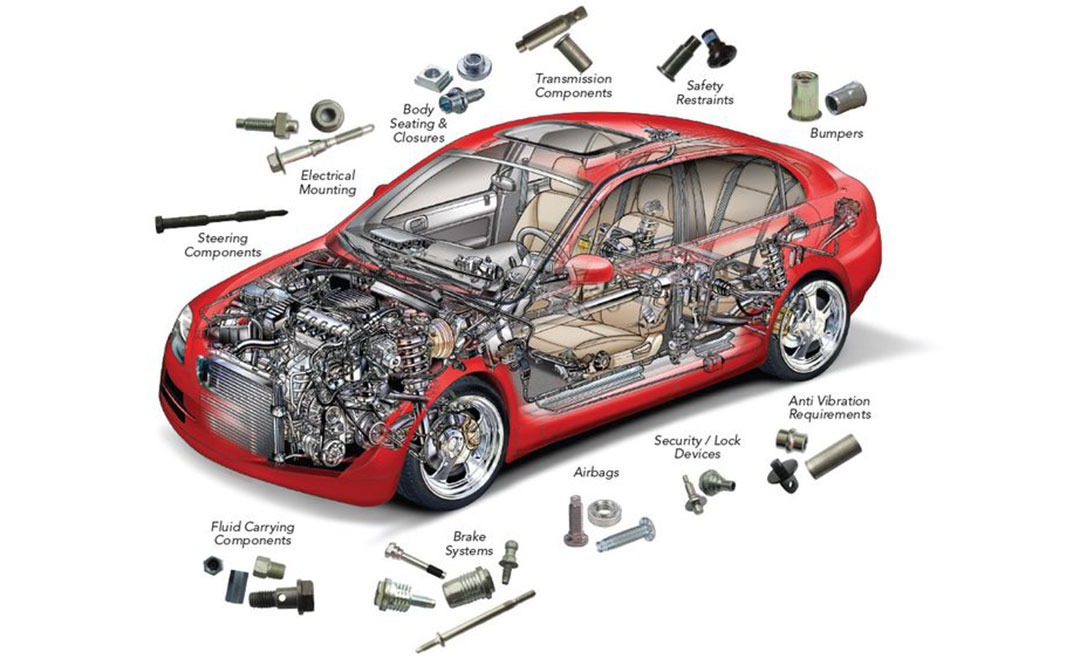
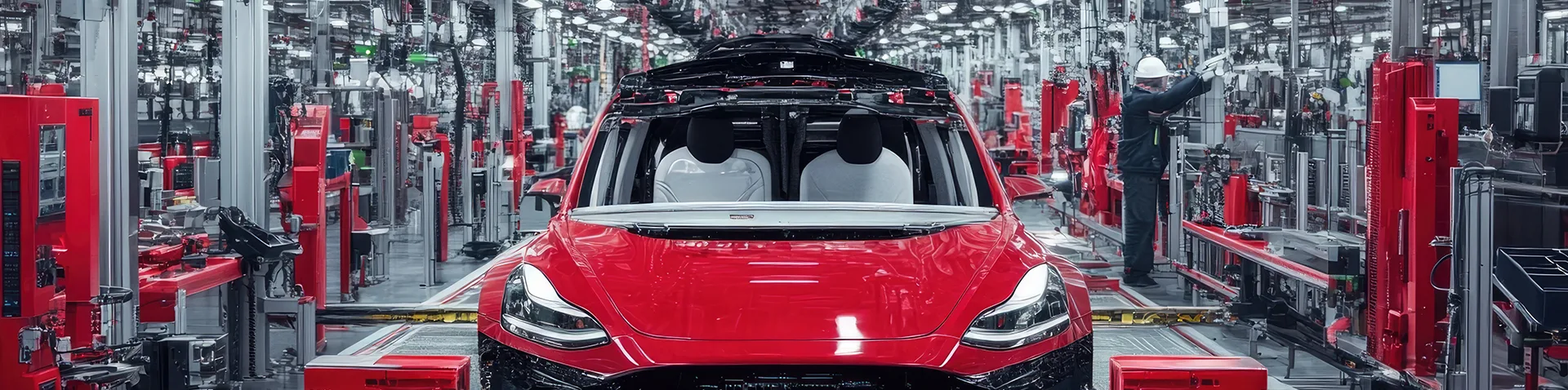
Precision in hardware manufacturing is rarely created in a single moment. It is built gradually, through a sequence of controlled steps. Each stage prepares the next. Each decision influences the final result.
In our experience, true dimensional accuracy does not begin at CNC machining. It begins much earlier, in material preparation, forging, and sometimes casting. When upstream processes are stable, downstream refinement becomes meaningful. When they are unstable, even the most advanced equipment struggles to compensate.

Over the years, we have learned that precision is less about technology alone and more about continuity between processes. It is not about pushing machines to their limits. It is about ensuring that every stage hands over predictable conditions to the next.
Every bolt, nut, or structural component begins as raw material. The earliest shaping operations—whether through forging or casting—set the structural integrity and dimensional baseline for everything that follows.
Forging is especially important for high-strength fasteners. The controlled deformation of heated metal improves grain structure and mechanical performance. But forging is not only about strength. It also determines how much machining allowance will be required later.

If a forged blank varies too much in shape or density, CNC machining must remove more material to correct inconsistencies. This increases time, tool wear, and risk of dimensional deviation. Stable forging reduces these downstream variables.
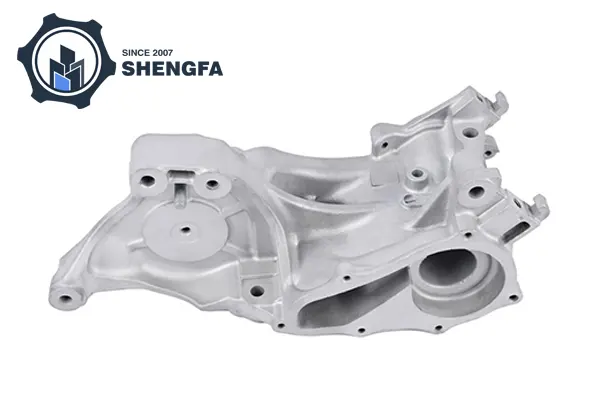
Casting plays a similar role for more complex geometries. Investment casting allows near-net shapes that minimize machining volume. However, casting precision must be carefully controlled. Shrinkage behavior, mold quality, and temperature stability all influence dimensional repeatability.
At NINGBO SHENGFA HARDWARE, we learned that improving forging and casting stability reduced overall process stress. Instead of relying on machining to “fix” upstream variation, we focused on delivering consistent semi-finished parts to the machining stage. That shift alone improved final precision more than any equipment upgrade.
Precision begins when the foundation is predictable.
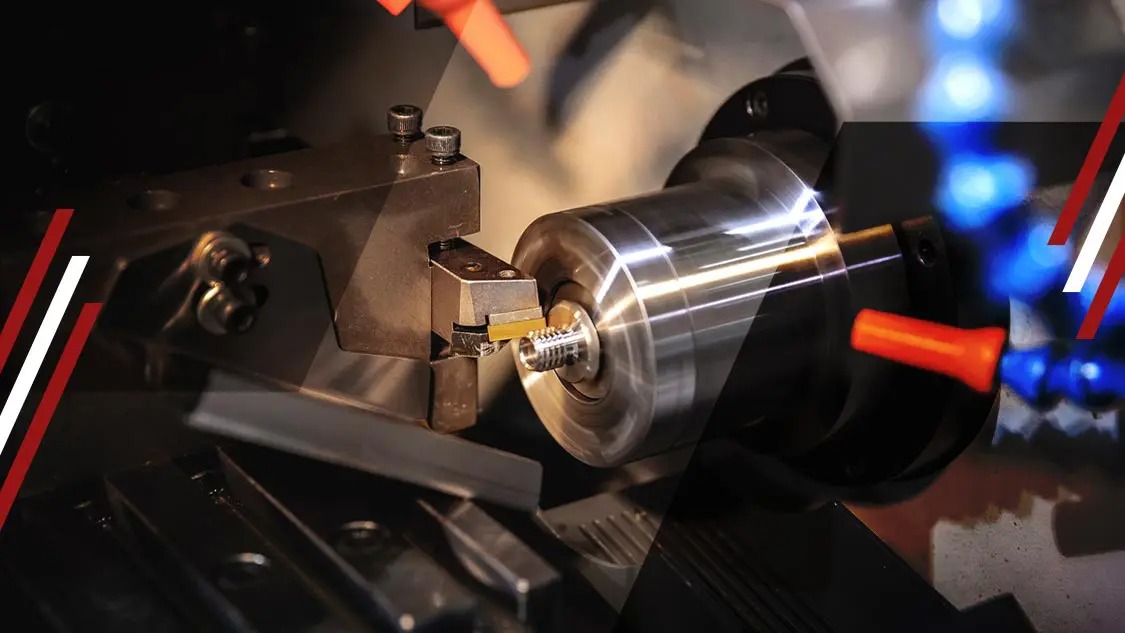
Once forged or cast parts move into CNC machining, the goal changes. Here, the task is no longer structural formation, but dimensional refinement.

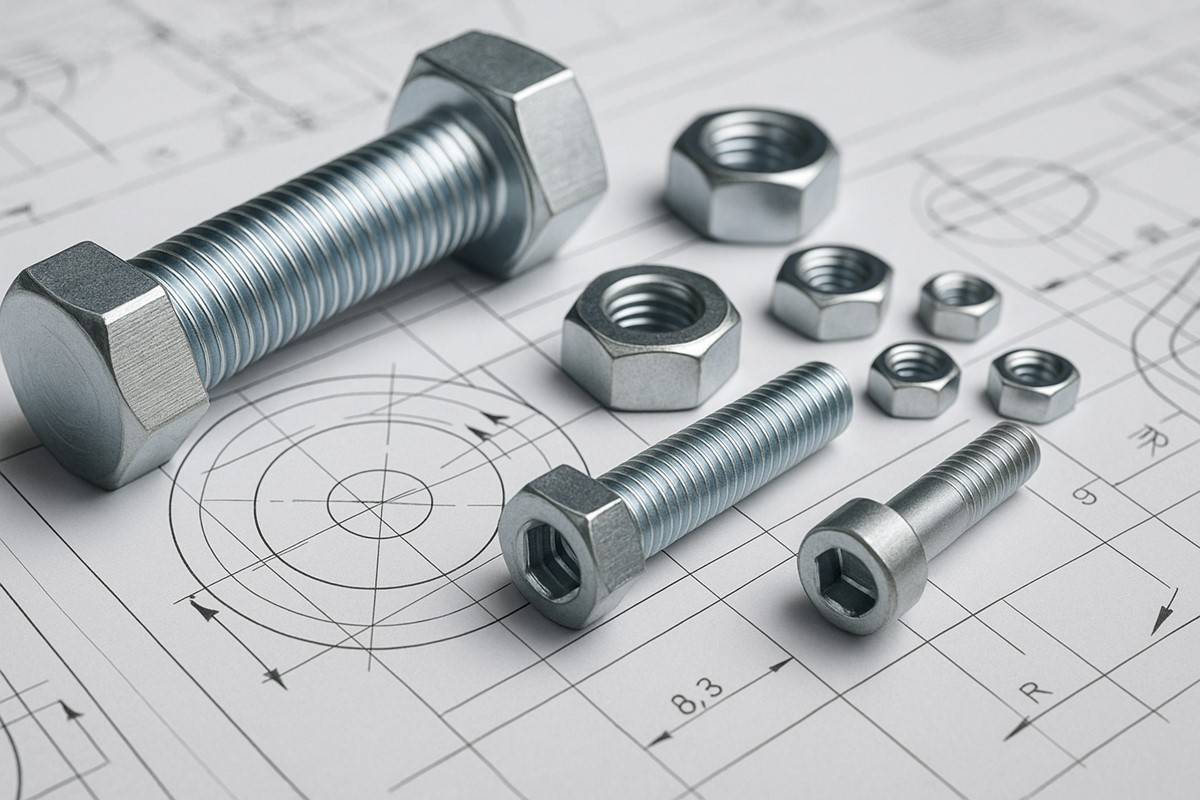
CNC machining provides tight tolerance control, thread accuracy, and surface consistency. For bolts and nuts, thread precision directly affects assembly efficiency and load distribution. Even minor deviations in pitch or concentricity can create installation resistance or long-term stress imbalance.
However, CNC machining performs best when incoming parts are stable. If blank geometry fluctuates, operators must adjust parameters more frequently. Increased adjustments introduce variability.
Over time, we reduced unnecessary parameter changes and standardized setups. Instead of chasing small variations through constant modification, we strengthened upstream stability and allowed machining to operate within narrower, controlled windows.
This approach reduced corrective machining and improved surface finish uniformity. It also lowered tool wear variability, which indirectly supported dimensional consistency across batches.
At NINGBO SHENGFA HARDWARE, CNC machining is not treated as an isolated precision island. It is viewed as one step in a connected chain. When forging and casting are disciplined, machining becomes efficient and repeatable rather than reactive.
Precision is not forced at the end. It is preserved through continuity.
Precision becomes meaningful only when it is repeatable. One accurate batch does not define a reliable supplier. Consistent accuracy across months and projects does.
The connection between forging, casting, and CNC machining determines that repeatability. Each stage must operate within defined boundaries, and communication between stages must be calm and structured.
We found that excessive internal adjustments often signal weak integration. When machining constantly compensates for forging variation, or when finishing corrects machining inconsistencies, overall stability declines. Hidden costs increase, and process confidence decreases.
Instead, we focused on step-by-step alignment. Forging parameters were tightened. Casting controls were clarified. Machining programs were stabilized rather than frequently edited.
As internal variation decreased, final inspection results became more predictable. Dimensional reports showed narrower distribution. Customer feedback became quieter, which in export manufacturing is often the strongest indicator of success.
The manufacturing of bolts and nuts may appear simple from the outside. Yet structural performance depends on the cumulative effect of small decisions made at each stage. Grain flow from forging affects strength. Machined thread accuracy affects assembly. Surface condition influences corrosion resistance.
When these factors are managed sequentially rather than independently, hardware reliability improves naturally.
At NINGBO SHENGFA HARDWARE, we no longer view forging, casting, and CNC machining as separate capabilities to advertise. We see them as linked responsibilities. Each step must protect the integrity of the next.
Precision is built step by step—not by intensity, but by discipline.
In modern hardware manufacturing, advanced machines are widely available. What differentiates experienced factories is not access to technology, but how well processes are integrated.
From forging to CNC machining, precision is constructed gradually. When upstream structure is stable, downstream accuracy becomes sustainable. When processes are aligned, bolts and nuts perform consistently in real-world structural applications.
True precision is not created at the final cut. It is carried forward from the first shaping operation to the last inspection.
And that continuity is what turns manufacturing capability into dependable hardware.