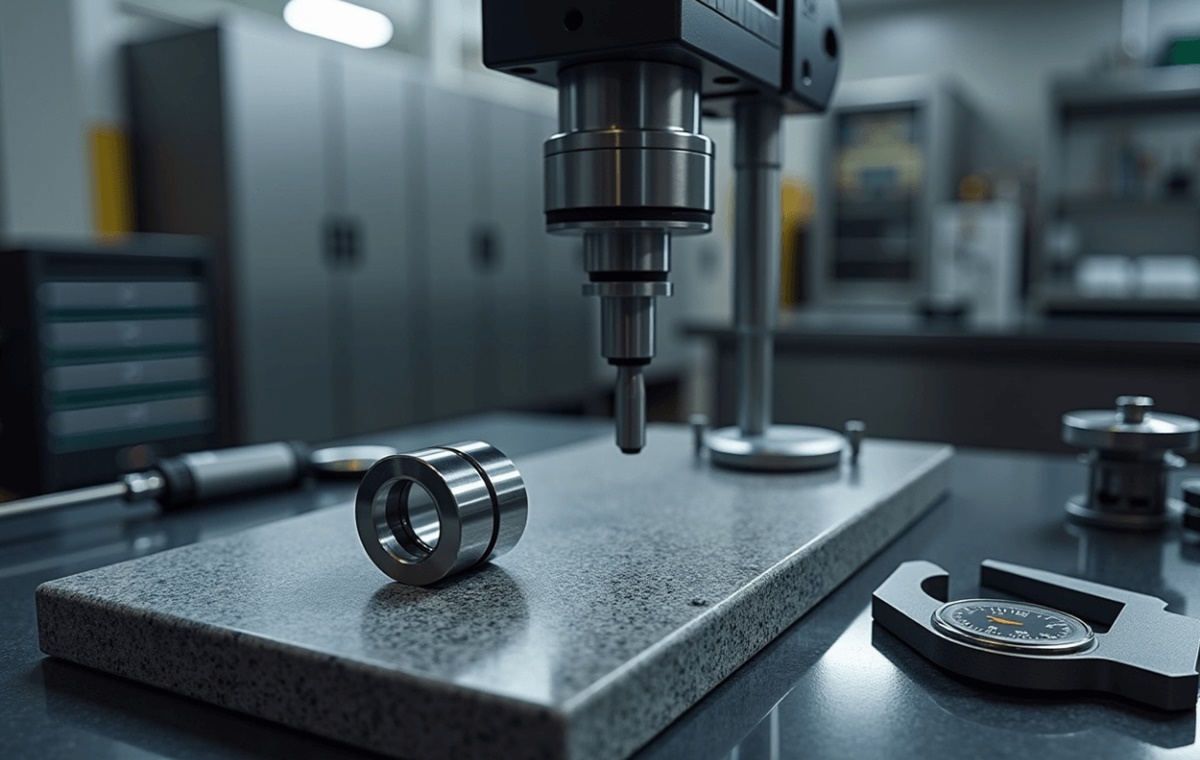
If you stay in production long enough, you start to notice that quality problems don’t always come from big mistakes. In many cases, nothing obvious goes wrong. Machines are running, parameters look normal, inspection results are still acceptable. And yet, something feels slightly off when the parts are used. It usually starts with small changes.
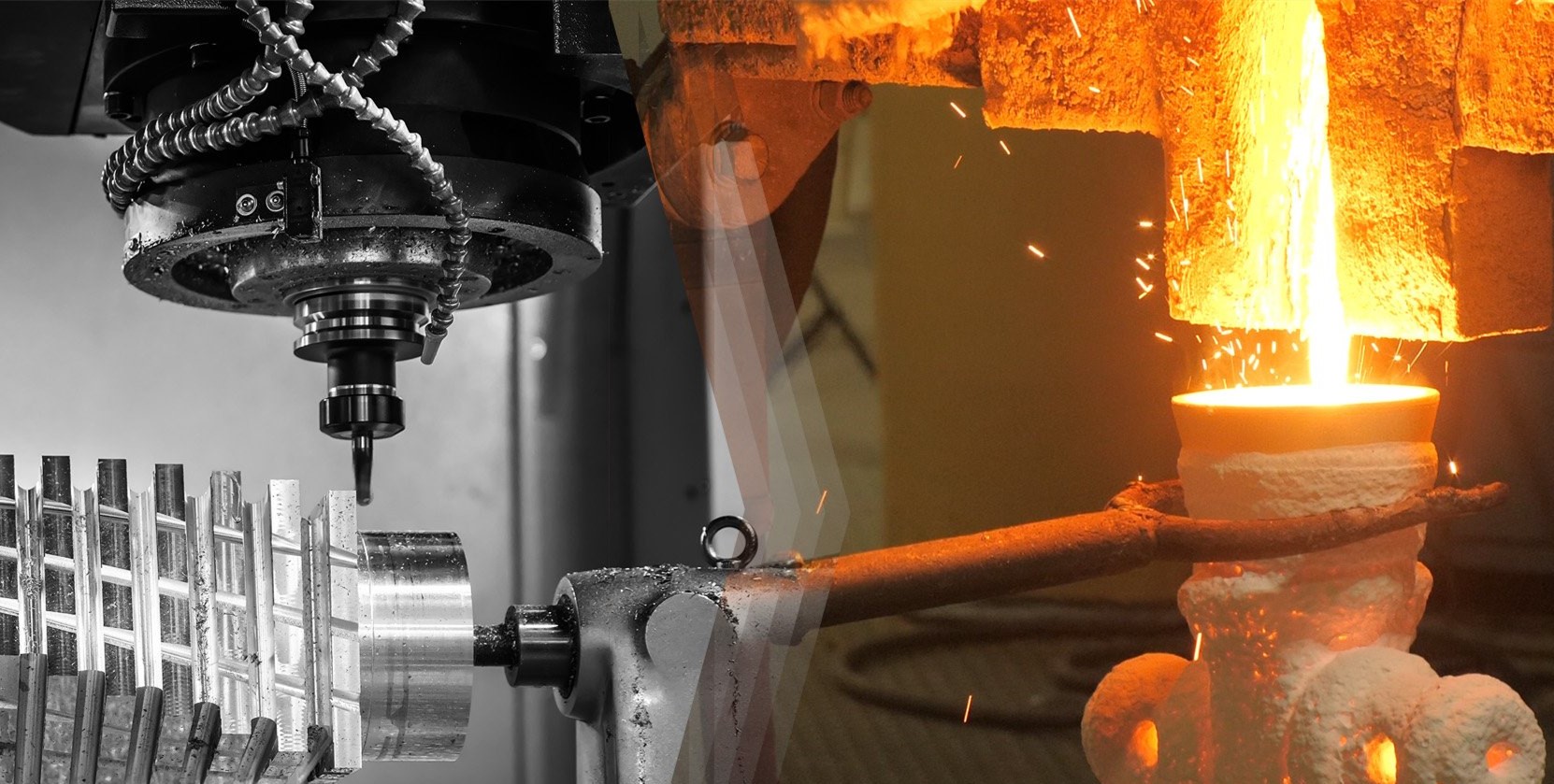
Not the kind that trigger alarms, but the kind that seem harmless at the time. A tool lasts a bit longer than usual. A new batch of raw material comes in from forging with slightly different behavior. Someone adjusts a setting during CNC machining just to keep things running smoothly. None of these decisions are wrong on their own. In fact, they often make sense in the moment. But when these small changes overlap, the result can be more noticeable than expected.
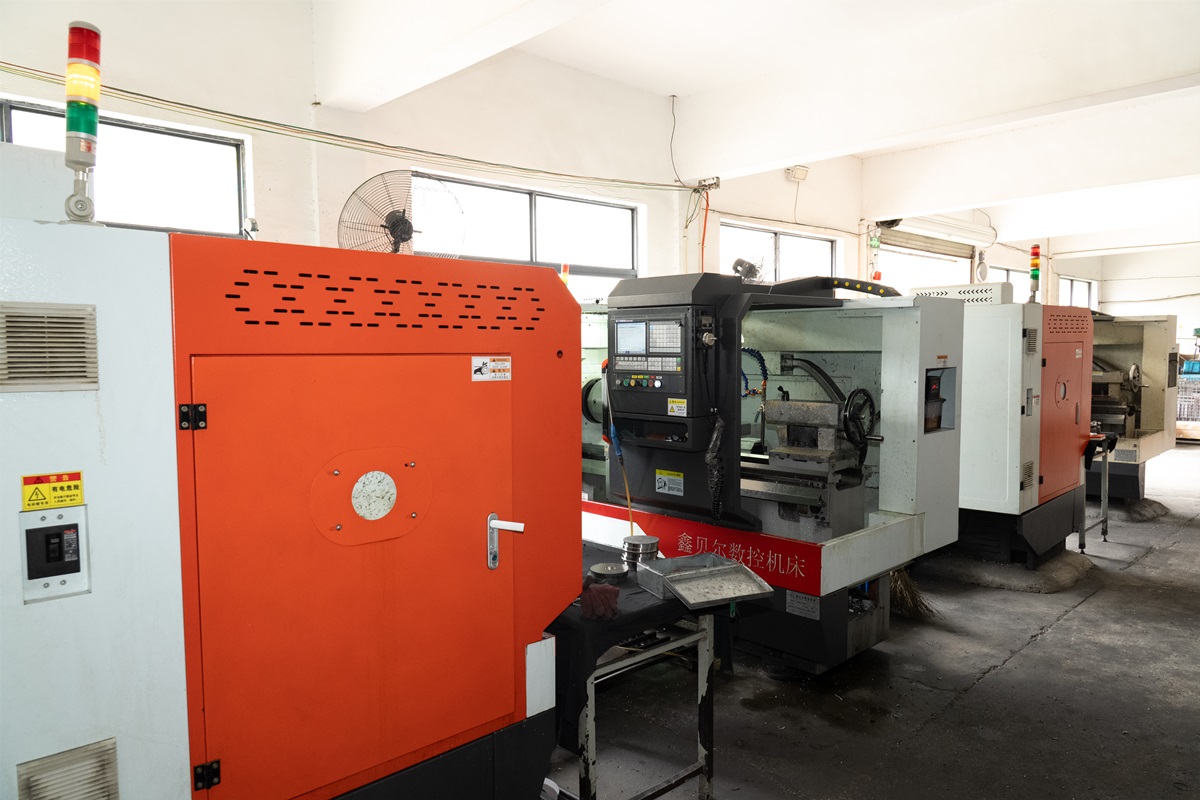
We’ve seen this happen more than once. A batch of bolts and nuts goes through production without any major issues. Tolerance is within range, surface treatment looks fine, and nothing stands out during inspection. Then the customer starts using the fasteners, and the feedback comes back—not as a complaint, but as a question. “Why does this batch feel slightly different?”
At NINGBO SHENGFA HARDWARE, questions like this made us look more carefully at what was happening inside the process rather than just at the final numbers. One thing we realized early on is that production is rarely static. Even when the setup looks the same, conditions are always moving a little.
In CNC machining, tools wear gradually. The change is not dramatic, but it affects cutting behavior. Surface finish might shift slightly. Thread precision might still be within tolerance, but the interaction between bolt and nut begins to feel different.
At the same time, material coming from forging or casting is not always identical. Even with the same specifications, there are small variations in structure and response to machining. Most of the time, these differences are manageable, but they do exist.
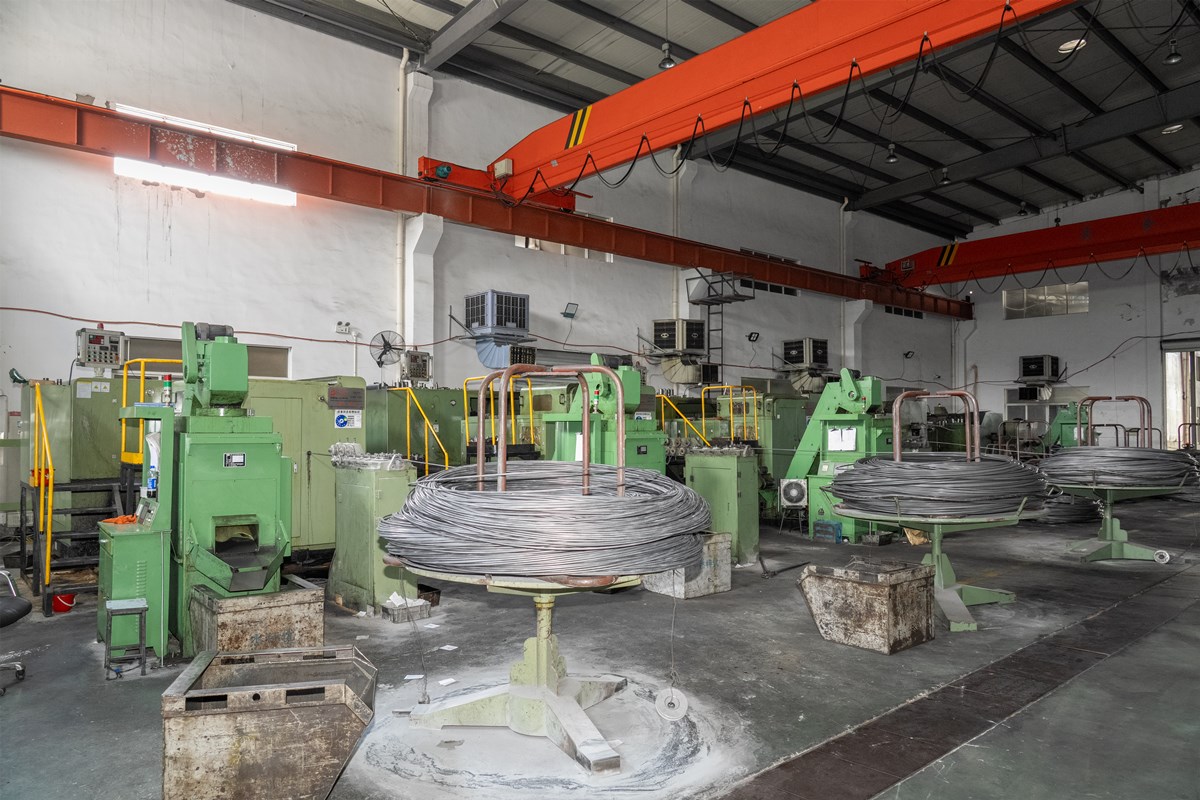
When both factors—tool condition and material variation—change at the same time, even slightly, the effect becomes more visible.
We’ve had situations where everything looked stable from the outside, but when we traced it back, we found that several small adjustments had been made across different stages. None of them were serious. Together, they were enough to shift the overall consistency.
At NINGBO SHENGFA HARDWARE, this is something we’ve learned to pay attention to, not just after problems appear, but during normal production. Another area where small changes matter more than expected is heat treatment.
Temperature settings may stay the same, but loading conditions inside the furnace can vary. Cooling speed might shift depending on how parts are arranged or how full the batch is. These are details that don’t always show up in basic records, but they influence material behavior.
The result is not usually a defect. Hardness may still pass inspection. Dimensions may remain stable. But under real use, especially when fasteners are tightened repeatedly or exposed to stress, these small differences start to show.
Surface treatment behaves in a similar way. A slight variation in coating thickness doesn’t sound like much, but for threaded fasteners, it changes friction. One batch may feel smoother, another slightly tighter, even if both meet specification.
Customers don’t measure coating thickness during assembly. They feel resistance. That’s where these small process changes become visible.
Over time, we began to see a pattern. Large quality issues are actually easier to control because they are obvious. They trigger action immediately. Small changes are different. They stay under the radar.
They don’t fail inspection. They don’t stop production. But they slowly move the result away from what it used to be. This is why consistency is harder to maintain than it first appears.
At NINGBO SHENGFA HARDWARE, we started focusing more on limiting unnecessary changes rather than constantly optimizing every step. It sounds simple, but in practice, it requires discipline.
For example, once a CNC machining setup proves stable, changing it “just to improve a little” can sometimes do more harm than good. The same applies to tool replacement timing. Extending tool life slightly may improve efficiency in the short term, but it can introduce variation if not controlled carefully.
We learned that stability often comes from doing fewer things, not more. Customers, of course, don’t see these internal decisions. What they experience is the result.
If a batch of bolts behaves the same as the previous one, everything runs smoothly. Assembly lines continue without interruption. There is no need to adjust torque, no need to separate batches, no need to double-check.
But if small differences appear, even within tolerance, they start to affect efficiency. Workers may not stop production, but they slow down slightly. Machines may not fail, but they require adjustment. These are not dramatic problems, but they accumulate.
We’ve had customers mention that one shipment “felt better” than another. Not better in quality, but more consistent. That kind of feedback is subtle, but it points directly to process stability.
At NINGBO SHENGFA HARDWARE, this is why we place so much attention on repeatability across batches. It’s not something you can fix at the end. It has to be controlled throughout the process.
Another thing worth mentioning is that chasing improvement can sometimes introduce instability. It’s natural to want to make things better—tighter tolerance, faster production, higher efficiency. But if each improvement comes with a small adjustment, the process becomes less predictable.
We’ve seen cases where frequent optimization actually increased variation. Each change was logical, but together they made the system harder to control.
Over time, we started being more selective. Not every improvement is worth implementing immediately. Sometimes, keeping a stable process is more valuable than making a small gain.
This way of thinking didn’t come from theory. It came from seeing how parts behave in real applications, especially for fasteners that need to perform consistently over large quantities.
In the end, small process changes are not necessarily a problem. They are part of production. The key is understanding how they interact. A single change may not matter. Several small changes at the same time usually do.
That’s why controlling the process is not just about setting parameters. It’s about keeping the whole system stable—CNC machining, forging, casting, heat treatment, surface treatment, all of it working together without unnecessary variation.
At NINGBO SHENGFA HARDWARE, this has become part of how we think about quality. Not just preventing defects, but preventing drift.
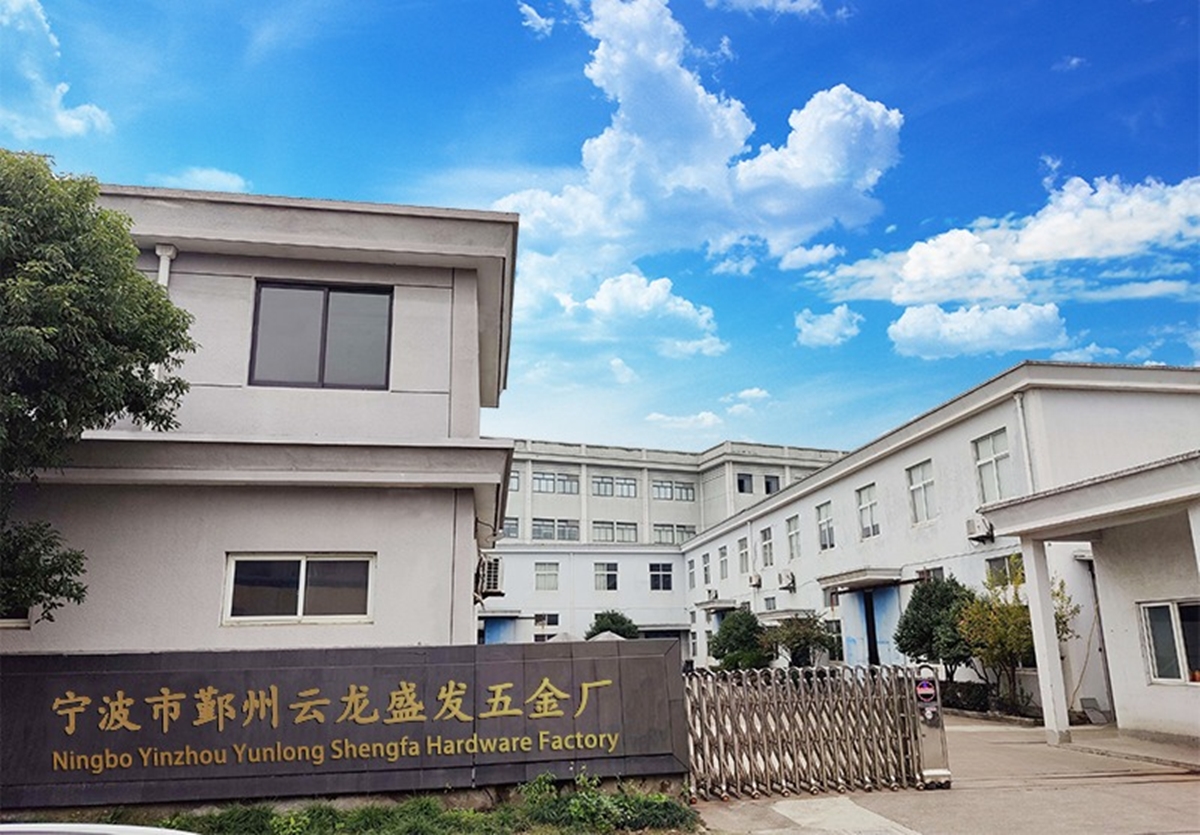
Because in real use, consistency is not created by one perfect step. It is protected by avoiding too many small changes at the same time.