When we first entered international markets, we believed competitiveness meant offering better pricing and faster responses. That was our understanding of export manufacturing: efficiency and flexibility.
Over time, global markets taught us something more demanding.
Serving customers across continents is not simply about shipping bolts, nuts, or structural components overseas. It is about understanding expectations that are rarely written down. It is about discipline, consistency, and long-term thinking. The lessons we learned did not come from theory. They came from mistakes, adjustments, and steady improvement.
Global markets do not reward short-term performance. They reward stability.
Customers from different regions have different industries, standards, and communication styles. Some prioritize cost control. Others focus on technical documentation. Some move quickly; others proceed cautiously.
At first, we tried to adapt aggressively to every difference. We adjusted processes frequently. We modified production flows to satisfy individual orders. While this flexibility helped us secure business, it also introduced instability.
We gradually realized that although markets vary, their core expectation is similar: reliable delivery and consistent performance.
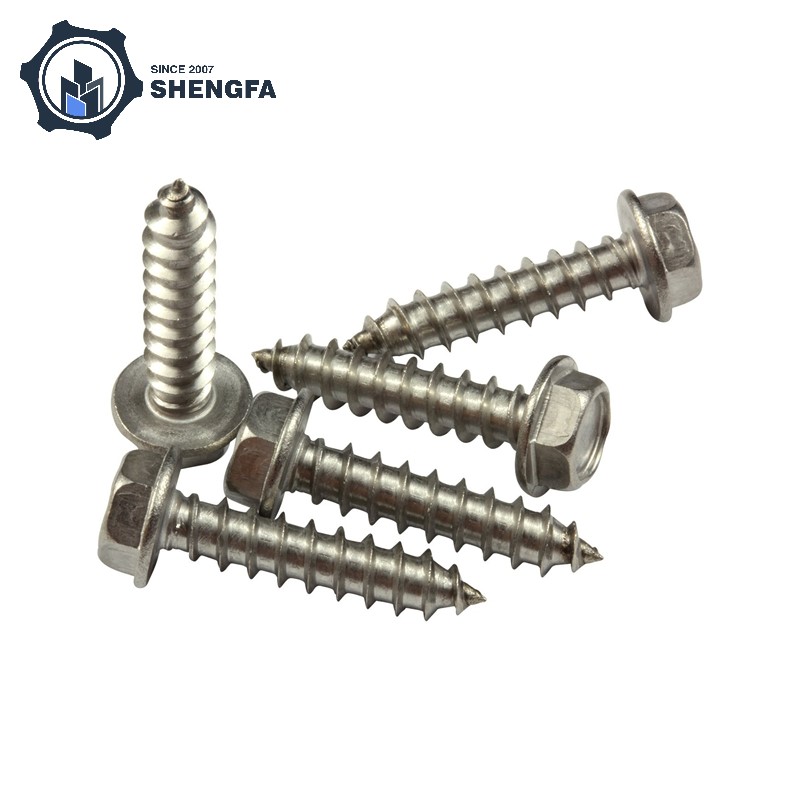
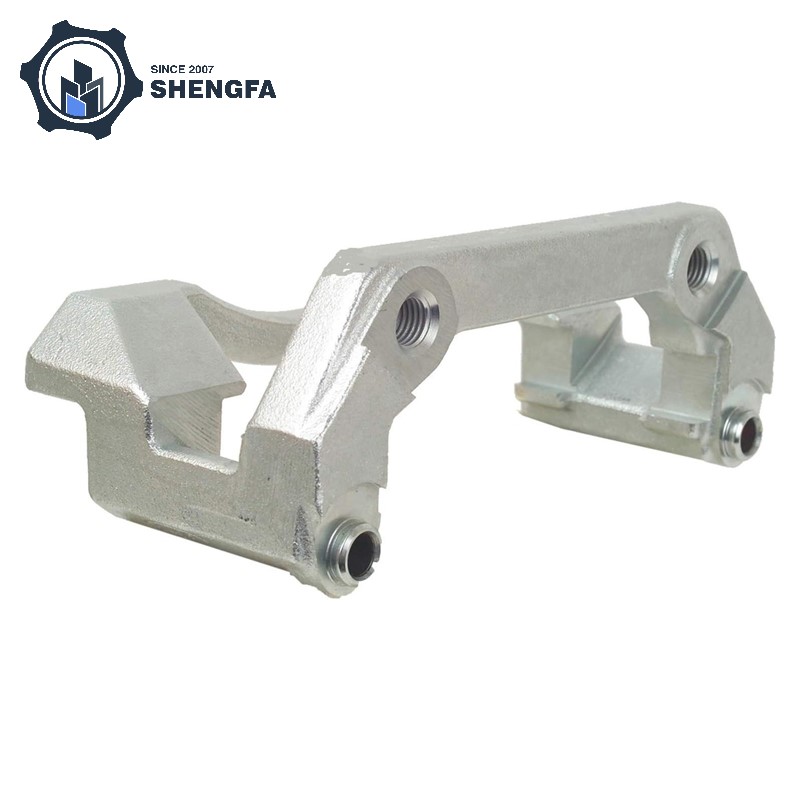
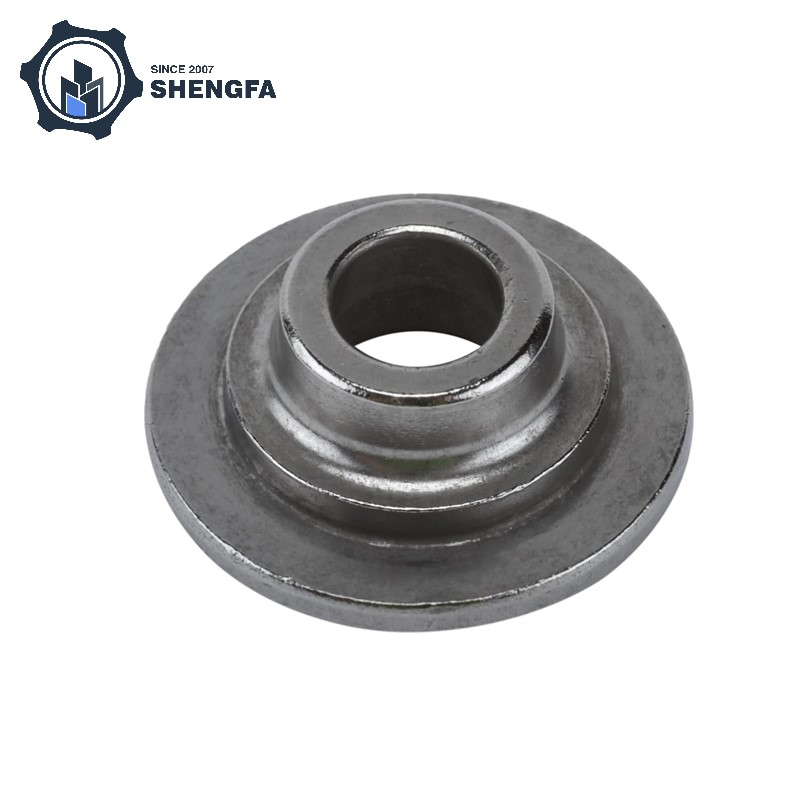
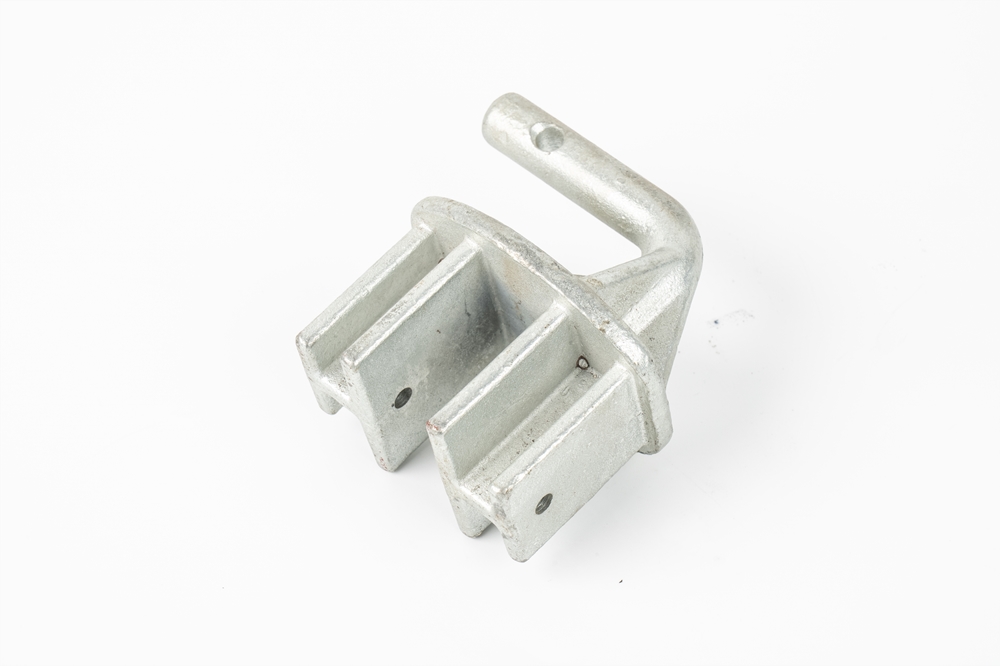
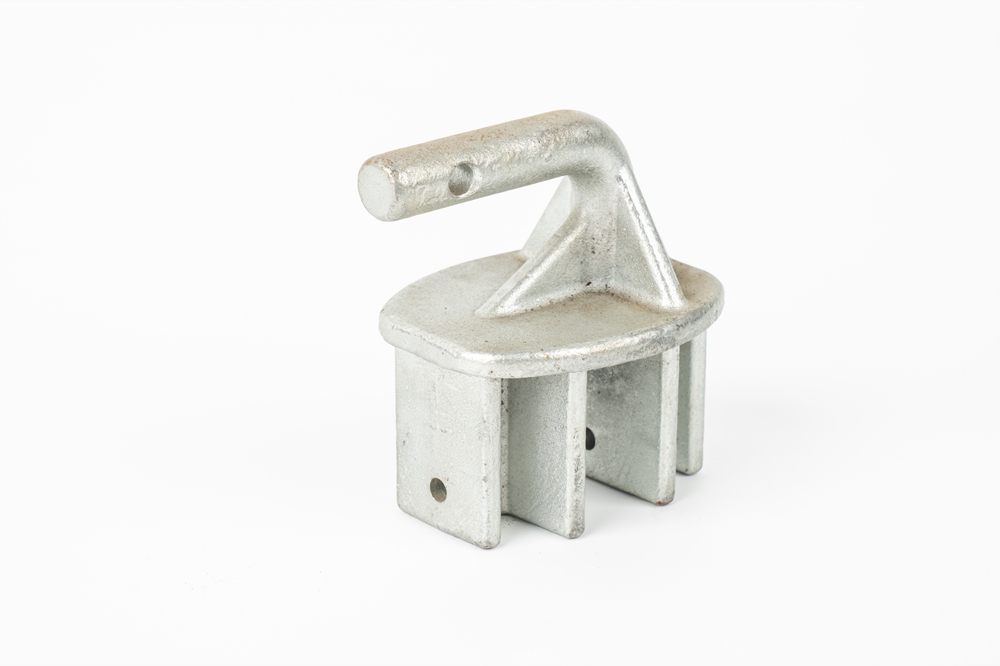
Whether we are producing forged structural bolts, precision-machined nuts, or cast components for heavy equipment, customers want predictability. They want to know that what they receive next month will behave like what they received last month.
This lesson changed how we manage production.
Instead of constantly altering forging parameters or CNC machining setups to chase small variations, we invested in stabilizing baseline processes. Casting shrinkage control, machining tolerances, and heat treatment consistency became priorities. When internal variability decreased, customer communication also became calmer.
At NINGBO SHENGFA HARDWARE, we learned that reliability travels well across borders. Technical standards may differ, but stability is universally valued.
Export markets often move quickly. Lead times matter. Logistics windows are tight. Many buyers evaluate suppliers based on how rapidly they respond to inquiries and how short their production schedules appear.
Early in our export journey, we believed speed itself created advantage. We compressed timelines wherever possible. Sometimes we succeeded. Sometimes we created unnecessary pressure on our own processes.
Global markets taught us that speed without control is fragile.
If forging batches are rushed without proper temperature consistency, dimensional variation increases. If CNC machining schedules are tightened beyond stable limits, tool wear becomes unpredictable. If inspection is compressed to save time, downstream risk increases.
Customers may not immediately notice these internal stresses, but they will eventually see the consequences in product variation or delayed shipments.
We learned that controlled speed earns more respect than aggressive speed.
Stable scheduling—where casting, machining, and finishing follow predictable rhythms—improves output more sustainably than sudden acceleration. When production flows smoothly, lead times become trustworthy rather than optimistic.
At NINGBO SHENGFA HARDWARE, our focus shifted from being “fast” to being “consistently on time.” That difference may seem subtle, but in export manufacturing, it defines long-term credibility.
Communication Reflects Manufacturing Maturity
Serving global markets also revealed something about communication.
Customers do not expect perfection. They expect clarity.
In the early years, we sometimes responded to challenges with too much reassurance. We believed positive tone would maintain confidence. However, experienced international buyers prefer transparent information over optimistic promises.
When there are material delays, machining adjustments, or specification clarifications, early explanation builds trust. Delayed disclosure damages it.
We learned to align communication with real production conditions. If forging capacity is fully scheduled, we say so. If casting tolerances require confirmation, we explain why. If CNC machining lead times depend on tooling preparation, we provide realistic timelines.
This honesty sometimes means declining unrealistic delivery requests. Paradoxically, it strengthens relationships.
Global markets reward suppliers who understand their own limits.
Over time, our conversations with customers became more technical and less promotional. Discussions shifted from price negotiation to process capability. Questions focused on tolerance control, grain structure, surface treatment, and inspection methods.
That evolution signaled growing trust.
At NINGBO SHENGFA HARDWARE, we realized that serving global markets is not about constant persuasion. It is about steady demonstration—through both product performance and responsible communication.
Different regions enforce different standards. Some projects require specific mechanical properties. Others demand detailed traceability. Documentation formats vary. Certification requirements evolve.
Initially, adapting to these variations felt complex. But we eventually understood that while external standards change, internal discipline should remain stable.
When forging parameters are controlled, when casting shrinkage is predictable, when CNC machining tolerances are consistent, adapting to different standards becomes manageable. Documentation may change, but underlying stability does not.
The most valuable lesson global markets taught us is that internal order reduces external complexity.
If processes are chaotic, every new requirement becomes overwhelming. If processes are disciplined, adjustments are incremental rather than disruptive.
Serving global markets forced us to become more structured—not because customers demanded perfection, but because variability becomes more visible at international scale.
Export manufacturing is not a short-term business. Projects may last years. Relationships may span decades. One shipment does not define success. Patterns do.
We learned to evaluate ourselves not by monthly order volume, but by repeat cooperation. When customers reorder bolts, nuts, and structural components without hesitation, it reflects accumulated trust.
That trust is built slowly—through stable forging, controlled casting, precise CNC machining, and calm communication.
Global markets have taught us patience. They have taught us that credibility compounds. They have shown us that disciplined manufacturing habits travel farther than aggressive sales strategies.
Today, when we look back at our journey, the lessons are clear. Reliability matters more than speed. Control matters more than ambition. Transparency matters more than reassurance.
Serving global markets shaped how we think about manufacturing itself.
At NINGBO SHENGFA HARDWARE, these lessons continue to guide our daily decisions. They influence how we schedule production, how we manage process variation, and how we communicate with partners around the world.
Global markets did not simply expand our business. They refined our mindset.
And that refinement, more than any machine or capacity upgrade, defines who we are today.