In manufacturing, it’s easy to assume that better equipment automatically leads to better products. Newer machines, faster systems, more advanced technology—these are often seen as the key to improving quality. And to some extent, that’s true. Equipment does matter.
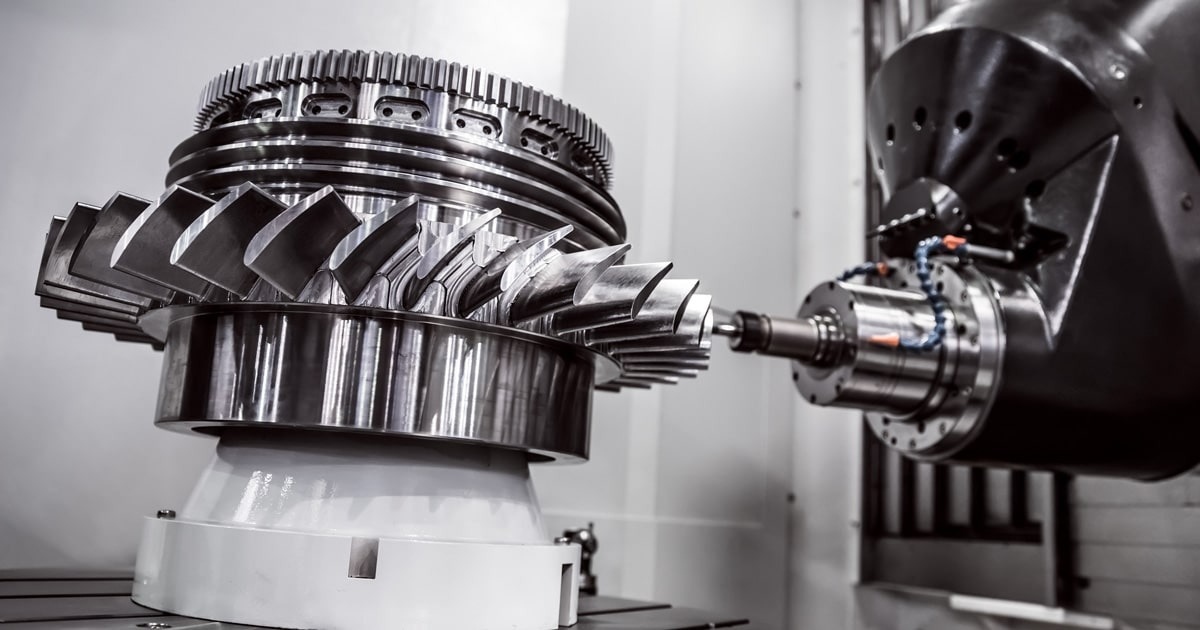
But after years of working in hardware production, our understanding has changed. We’ve seen factories with highly advanced CNC machining centers struggle with consistency. At the same time, we’ve seen more modest setups produce very reliable bolts, nuts, and other fasteners.
The difference, more often than not, comes down to something less visible: process discipline. Equipment creates possibilities. Discipline determines results.
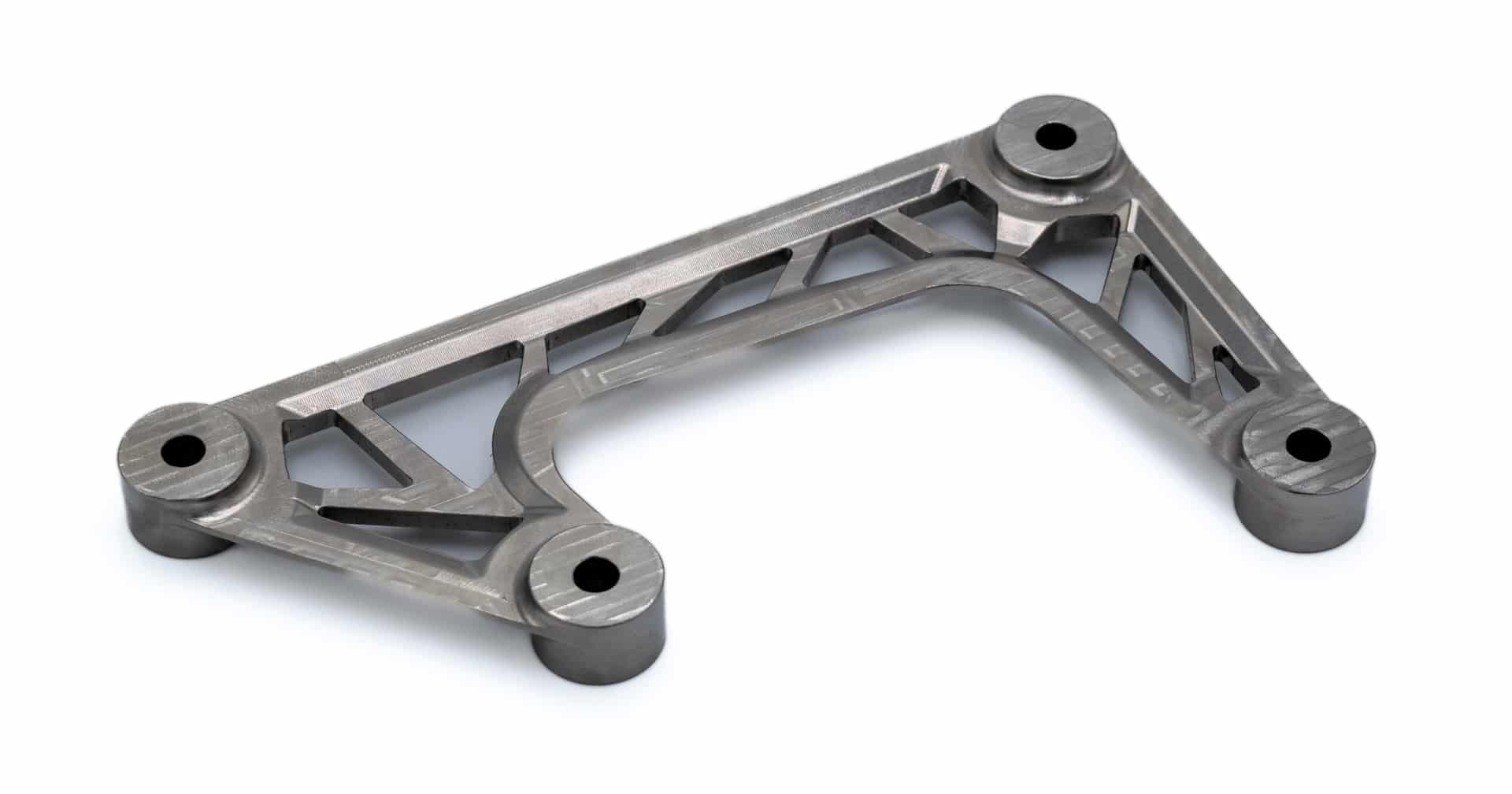
Modern CNC machining equipment is extremely capable. It can achieve tight tolerance, complex geometries, and high efficiency. But even the best machines depend on how they are used. We’ve seen situations where advanced machines produced inconsistent results simply because processes were not controlled carefully.
For example, frequent parameter adjustments can introduce variation. Operators may try to optimize cutting speed, feed rate, or tool paths to improve efficiency. But when these changes happen too often, the process becomes difficult to stabilize. Tool management is another area where discipline matters. Even with high-end machines, worn tools can affect surface finish, thread accuracy, and dimensional consistency. If replacement schedules are not controlled, variation increases.
Forging and casting stages also influence what happens later. If the initial blanks are inconsistent, CNC machining must compensate. That compensation introduces additional variables, regardless of how advanced the equipment is.
We’ve experienced this ourselves. At one point, we focused heavily on upgrading equipment, expecting immediate improvements. Instead, we found that results only improved when processes became more stable. At NINGBO SHENGFA HARDWARE, this realization shifted our priorities. Equipment remained important, but it was no longer the main focus.
Process discipline is not a single action. It is a way of working that applies to every stage of production. In CNC machining, it means maintaining stable setups. Once a process is proven to work, unnecessary adjustments are avoided. Tool replacement follows a consistent schedule instead of reacting to problems.
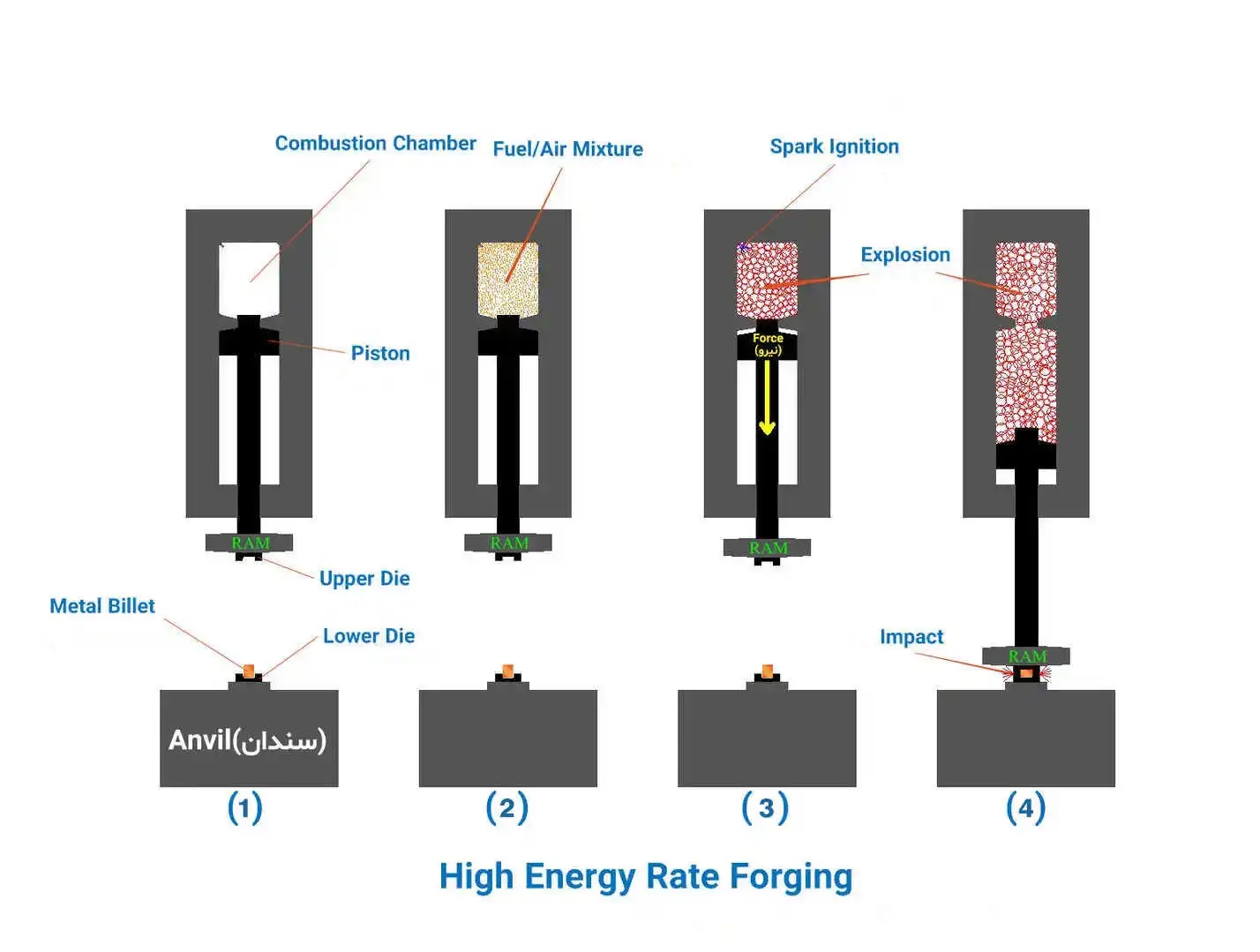
In forging, discipline shows up in temperature control and forming consistency. Instead of pushing for maximum speed, the focus is on maintaining stable material behavior. Casting requires similar attention. Mold conditions, cooling time, and material flow all need to remain consistent to reduce variation before machining begins.
Heat treatment and surface treatment also depend on discipline. Small changes in temperature, time, or coating thickness can affect final performance. Keeping these parameters stable is often more important than pushing for faster processing. We’ve noticed that when discipline is applied across all these steps, something changes. Not dramatically at first, but gradually. Over time, inspection results become more consistent. Assembly performance improves. Customer feedback becomes more stable.
At NINGBO SHENGFA HARDWARE, this kind of improvement didn’t come from one big change. It came from many small decisions—keeping processes steady instead of constantly adjusting them.
From a customer’s perspective, equipment is rarely the main concern. Buyers may ask about capabilities, but what they really care about is performance. Do the fasteners behave consistently? Do bolts and nuts fit the same way across batches? Does quality remain stable over time?
These questions are not answered by equipment specifications alone. We’ve worked with customers who never asked about machine models, but paid close attention to product consistency. If results remained stable across multiple orders, trust increased naturally.
On the other hand, even with advanced equipment, inconsistent results quickly became a concern. This is especially true in export manufacturing. Customers rely on suppliers not just for one order, but for ongoing production. Stability matters more than potential.
At NINGBO SHENGFA HARDWARE, we’ve learned that process discipline is one of the most important factors in meeting these expectations. It ensures that each step—from forging and casting to CNC machining, heat treatment, and surface finishing—contributes to a consistent outcome.
One practical advantage of disciplined processes is that they reduce the need for constant correction. When processes are unstable, operators spend more time adjusting parameters, checking results, and reacting to variation. This creates pressure and increases the chance of further inconsistency.
In a disciplined system, conditions are more predictable. Operators know what to expect. Inspection results fall within a narrower range. Production flows more smoothly. We’ve seen how this affects not only product quality, but also efficiency inside the factory.
Less time is spent fixing problems. More time is spent maintaining stable conditions. This applies to all types of fasteners—whether standard bolts and nuts or more specialized components. When processes are controlled, results become easier to manage.
This does not mean equipment is unimportant. Advanced machines bring advantages. They improve precision, increase efficiency, and allow more complex production. But these benefits are only fully realized when processes are disciplined.
Without discipline, advanced equipment can even amplify variation. Higher speed and greater capability make processes more sensitive to change. With discipline, the same equipment becomes much more effective.
At NINGBO SHENGFA HARDWARE, we continue to invest in both equipment and process improvement. But experience has taught us that discipline must come first. Because in the end, equipment provides the tools, but discipline determines how those tools are used.
Process discipline is not something that can be implemented once and forgotten. It is built through daily practice. Following established procedures, maintaining stable conditions, and avoiding unnecessary changes—these actions may seem simple, but they require consistency over time.
We’ve found that this approach leads to more reliable results than constantly searching for new optimizations. Over time, disciplined processes create a stable production environment. In that environment, quality is not something that needs to be forced at the end. It becomes a natural outcome.
At NINGBO SHENGFA HARDWARE, this way of working has helped us produce fasteners that perform consistently across different orders and applications. And for customers, that consistency is what matters most.