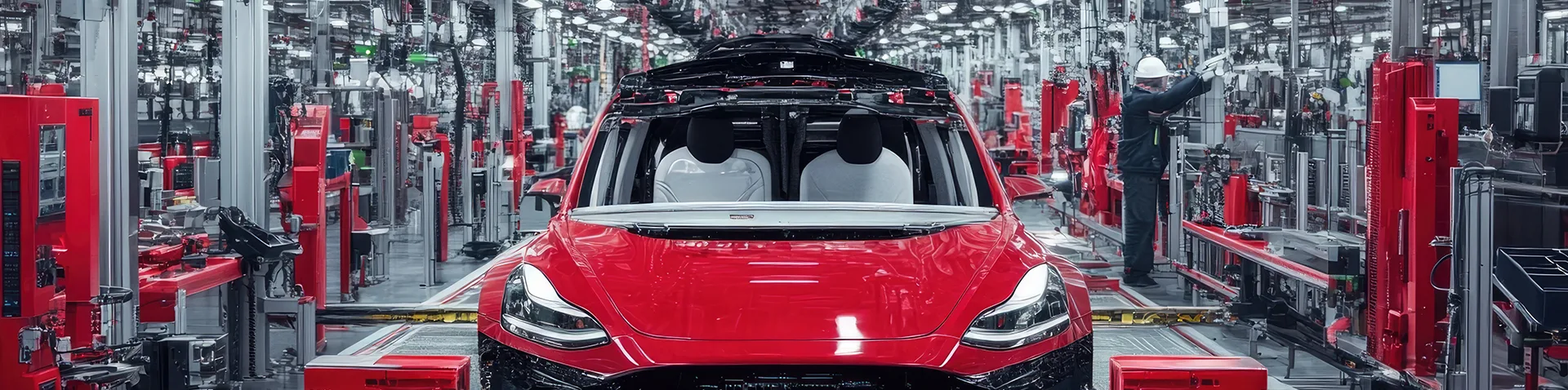
When people talk about thread accuracy, the conversation usually stays on paper. Pitch, diameter, tolerance—everything looks clear in drawings and standards. As long as a bolt and nut meet those numbers, they are considered acceptable. But once those parts move into real assembly, things feel different.
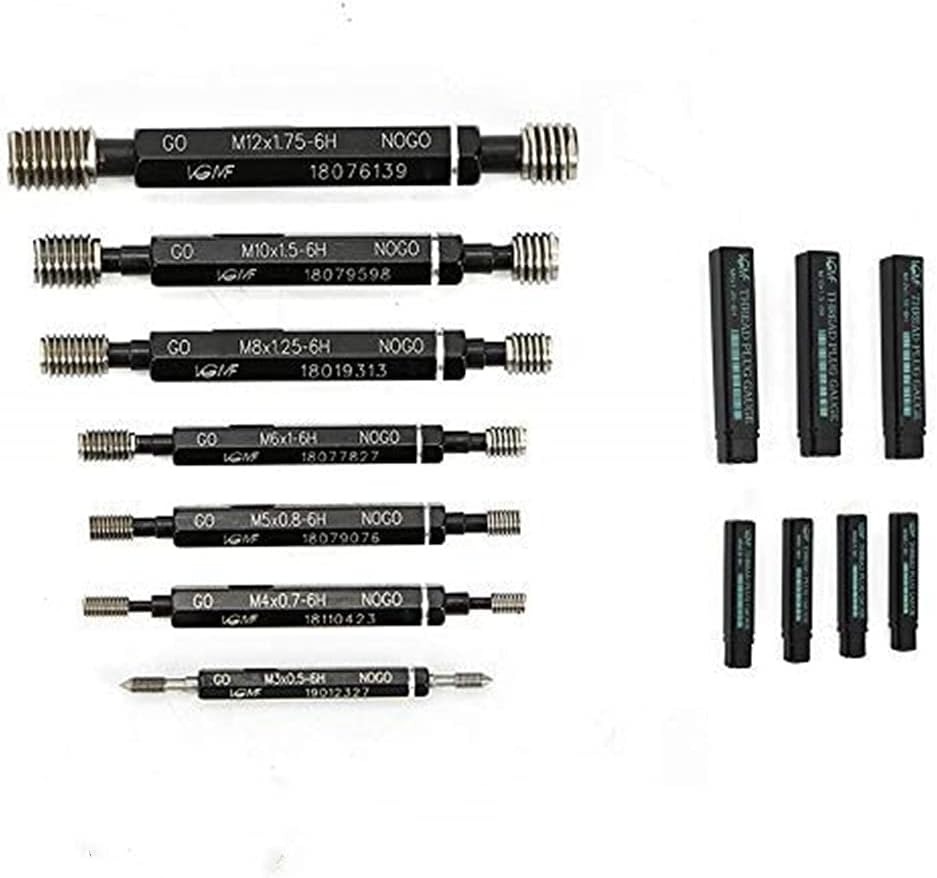
You can actually notice it by hand. Some bolts turn smoothly from the first contact, almost without resistance. Others need a bit more force, even though they technically meet the same specifications. Nothing looks wrong, yet the difference is there.
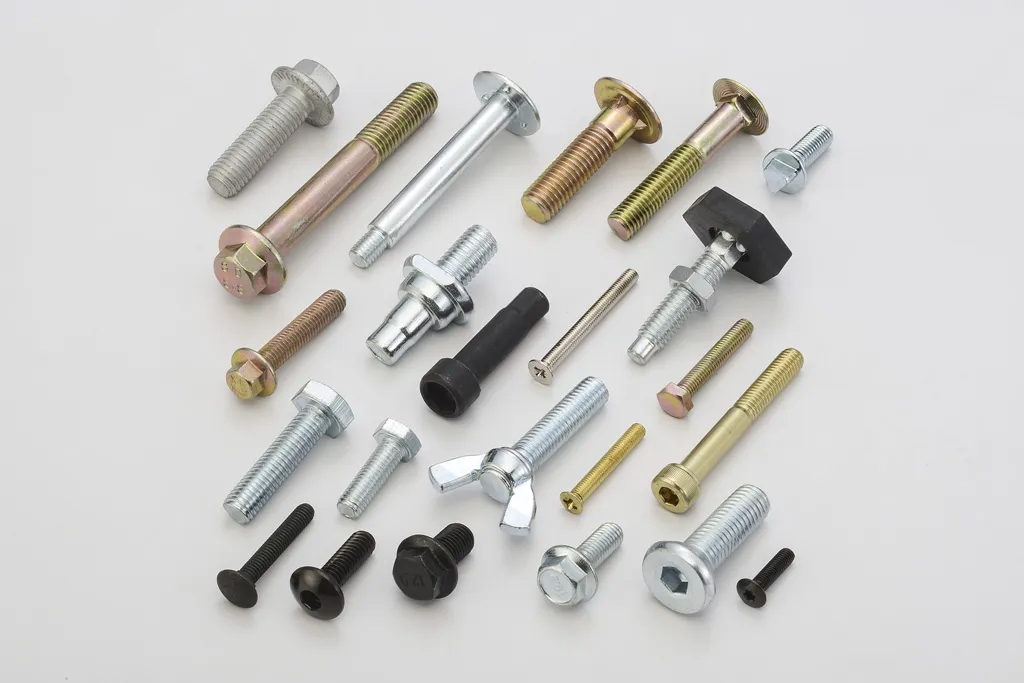
We didn’t pay enough attention to this early on. It became obvious only after working with customers who assemble large volumes every day. In those environments, small differences don’t stay small. They slow things down.
Over time, we started to see that thread accuracy is not just about meeting tolerance. It directly shapes how efficient assembly becomes.
On drawings, thread standards are very precise. As long as the profile falls within the allowed tolerance range, the part is considered qualified. From a quality control perspective, that makes sense. But real assembly doesn’t read drawings.
In practice, even slight variation inside that tolerance range can change how a fastener behaves. One bolt might engage cleanly with a nut, while another—still within spec—feels tighter or less consistent.
We’ve seen this happen in batches where all measurements passed inspection. Yet when parts reached the customer, feedback came back: assembly felt slower, or torque behavior was not as smooth as expected. That’s when we started looking beyond measurement results.
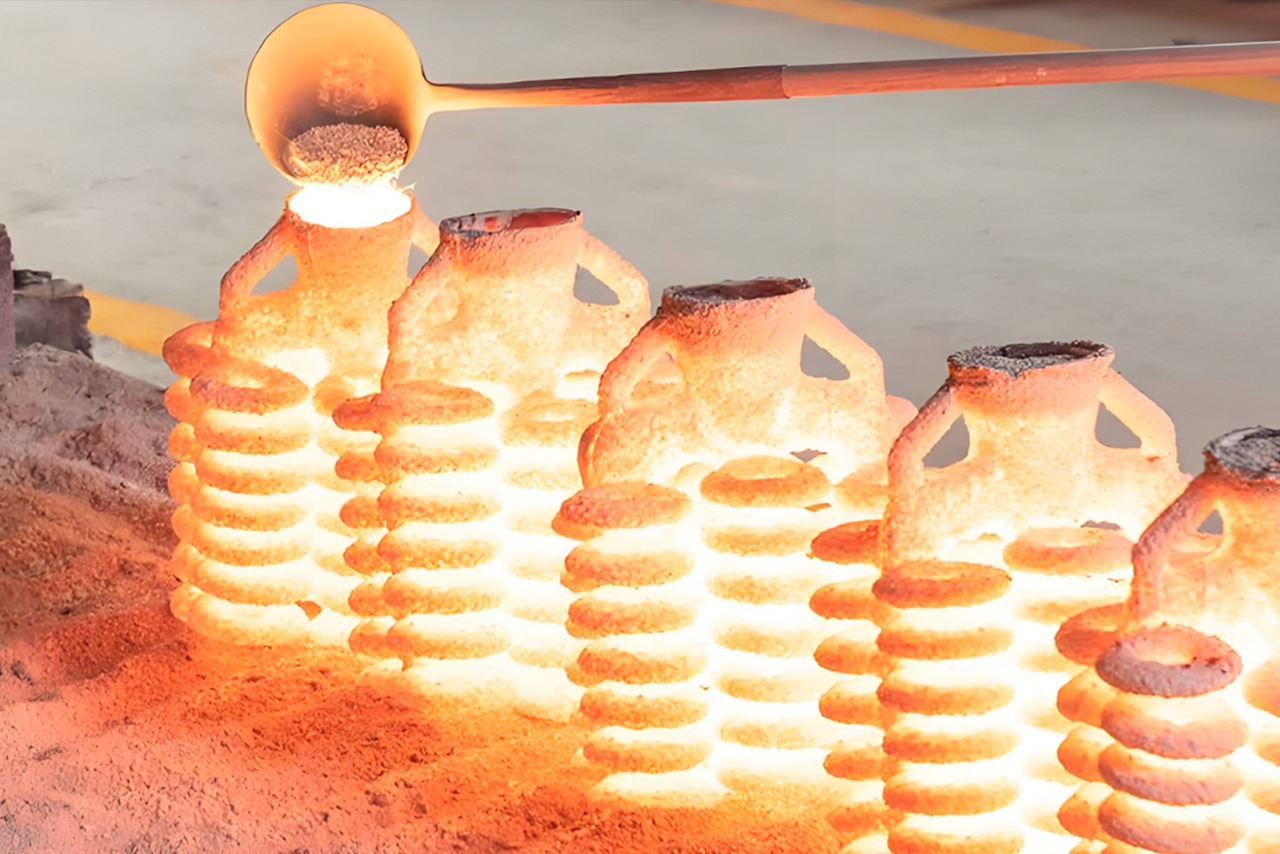
Surface condition plays a role. So does how uniform the thread profile is from piece to piece. Even the way material was formed earlier—whether through forging or casting—can influence how machining behaves later.
If a forged blank has slight variation, CNC machining has to compensate. That compensation doesn’t always show up in dimensions, but it can show up in how threads feel during assembly.
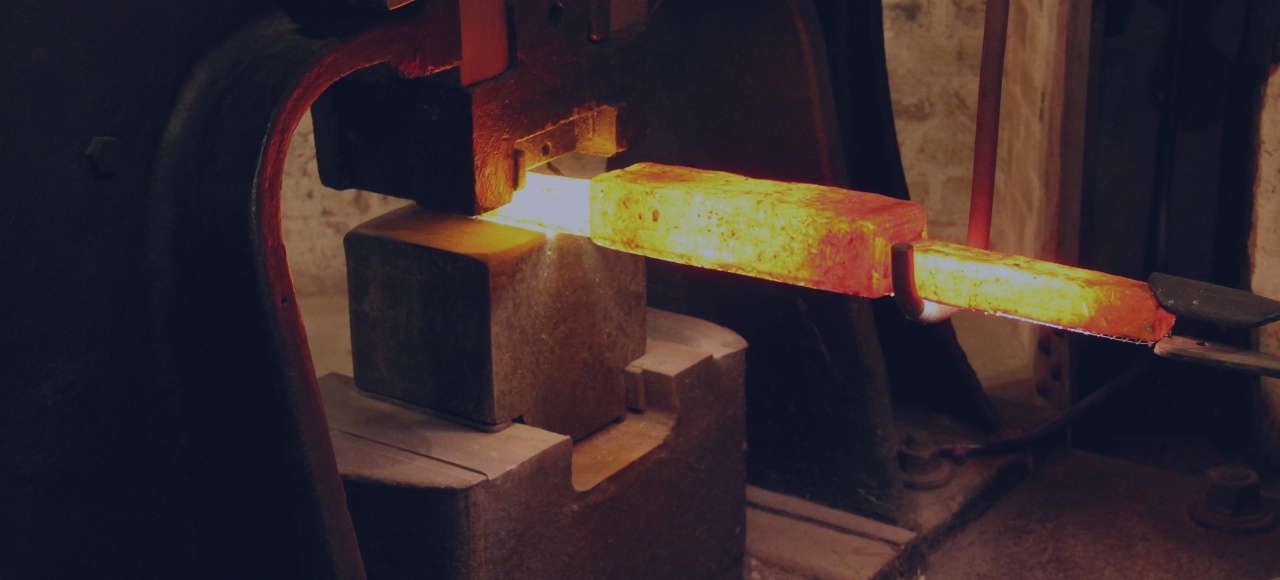
At NINGBO SHENGFA HARDWARE, we gradually changed how we evaluate thread quality. Instead of asking only “does it pass,” we began asking “does it behave the same every time?” That question is much harder to answer, but it reflects real use.
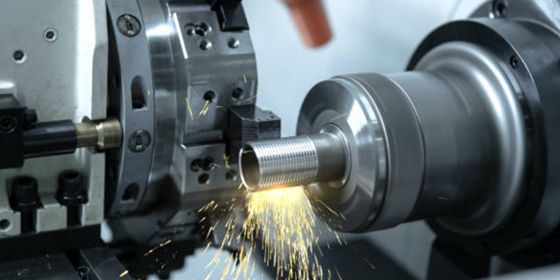
Once we started paying attention to consistency, machining stability became a bigger focus. CNC machining is precise, but only when conditions stay controlled. If too many variables change during production, the results begin to drift—even if each individual part still passes inspection. Tool wear is one of the most common examples. It doesn’t cause sudden failure. Instead, it changes things slowly.
At the start of a production run, threads tend to be clean and consistent. As tools wear, nothing dramatic happens, but the feel of the thread can shift slightly. It’s the kind of change you might not see immediately, but you can feel it when assembling. We’ve seen operators notice this before any measurement shows a problem.
Because of that, we moved away from pushing tools to their limits. Replacing them a bit earlier made results more stable. It’s a small adjustment, but over large volumes, it reduces variation.
Clamping is another factor that’s easy to underestimate. If a workpiece moves even slightly during CNC machining, thread alignment can change. Again, the part may still be within tolerance, but the assembly experience won’t be the same.
We also learned that frequent adjustments don’t always help. At one point, we tried to “fine-tune” machining parameters regularly, thinking it would improve precision. In reality, it introduced more variation. Once we reduced unnecessary changes and kept setups stable, results became more predictable.
At NINGBO SHENGFA HARDWARE, this shift—from constant adjustment to controlled stability—made a noticeable difference in thread consistency across batches.
Assembly efficiency is not just about speed. It’s about flow. When every bolt and nut behaves the same way, assembly moves naturally. Operators don’t need to pause, adjust, or question whether something is wrong. In automated systems, consistent behavior allows machines to run without interruption. But when thread behavior varies—even slightly—the process slows down.
We’ve heard this directly from customers. Not complaints about defects, but comments like: “Some pieces feel tighter than others,” or “Assembly is not as smooth as before.” These are not dramatic issues, but they matter over time.
Heat treatment and surface treatment also play a role here. Heat treatment can introduce small distortions if not controlled carefully. Surface coatings, especially if thickness varies, can change thread engagement.
For example, a slightly thicker coating might increase friction. A thinner one might reduce protection. Both can influence how the fastener performs during assembly. That’s why thread accuracy cannot be separated from the rest of the process.
At NINGBO SHENGFA HARDWARE, we treat machining, heat treatment, and surface finishing as connected steps. If one stage changes, it can affect how threads behave later. When everything is aligned, assembly becomes smoother without needing extra effort.
One thing we’ve learned over time is that consistency matters more than achieving perfect results occasionally.
It is possible to produce extremely precise threads in a controlled situation. But if that level of precision cannot be maintained across an entire batch, it doesn’t help assembly efficiency. In fact, variation can create more problems than slightly looser—but consistent—results.
We’ve seen batches where everything met strict specifications, yet assembly still felt uneven. And we’ve seen cases where slightly adjusted processes produced more uniform behavior, leading to better overall performance. This changed how we think about quality.
Instead of chasing the highest possible precision in isolated cases, we focus on keeping the process stable. When the process is stable, results tend to follow.
At NINGBO SHENGFA HARDWARE, this approach applies not only to CNC machining, but also to forging, casting, and finishing. Each stage contributes to how the final fastener behaves.
In the end, thread accuracy is not just a measurement. It is something you can feel during assembly. That feeling—smooth engagement, consistent resistance, predictable behavior—is what improves efficiency in real applications.
It doesn’t come from one perfect step. It comes from a series of controlled decisions, from raw material selection to machining, heat treatment, and surface treatment. When those steps are stable, the result is not just a bolt or a nut that passes inspection. It is a fastener that works the same way every time. And in large-scale manufacturing, that consistency is what keeps everything moving.