When people talk about international buyers, it’s easy to assume they are mainly focused on price. Cost always matters, of course, but after working with different markets over the years, we’ve found that price is rarely the deciding factor in long-term cooperation. What buyers actually expect is more practical—and sometimes less obvious.
Most of them are not just purchasing bolts, nuts, or standard fasteners. They are managing projects, timelines, and risks. A fastener supplier, from their perspective, is not just a manufacturer. It is part of their supply chain, and any instability can affect their own commitments.
We didn’t fully understand this at the beginning. It became clearer after handling repeat orders, dealing with unexpected issues, and listening carefully to feedback that wasn’t always written in specifications.
Over time, we realized that what buyers expect goes beyond product quality alone. It is closely tied to consistency, communication, and predictability.
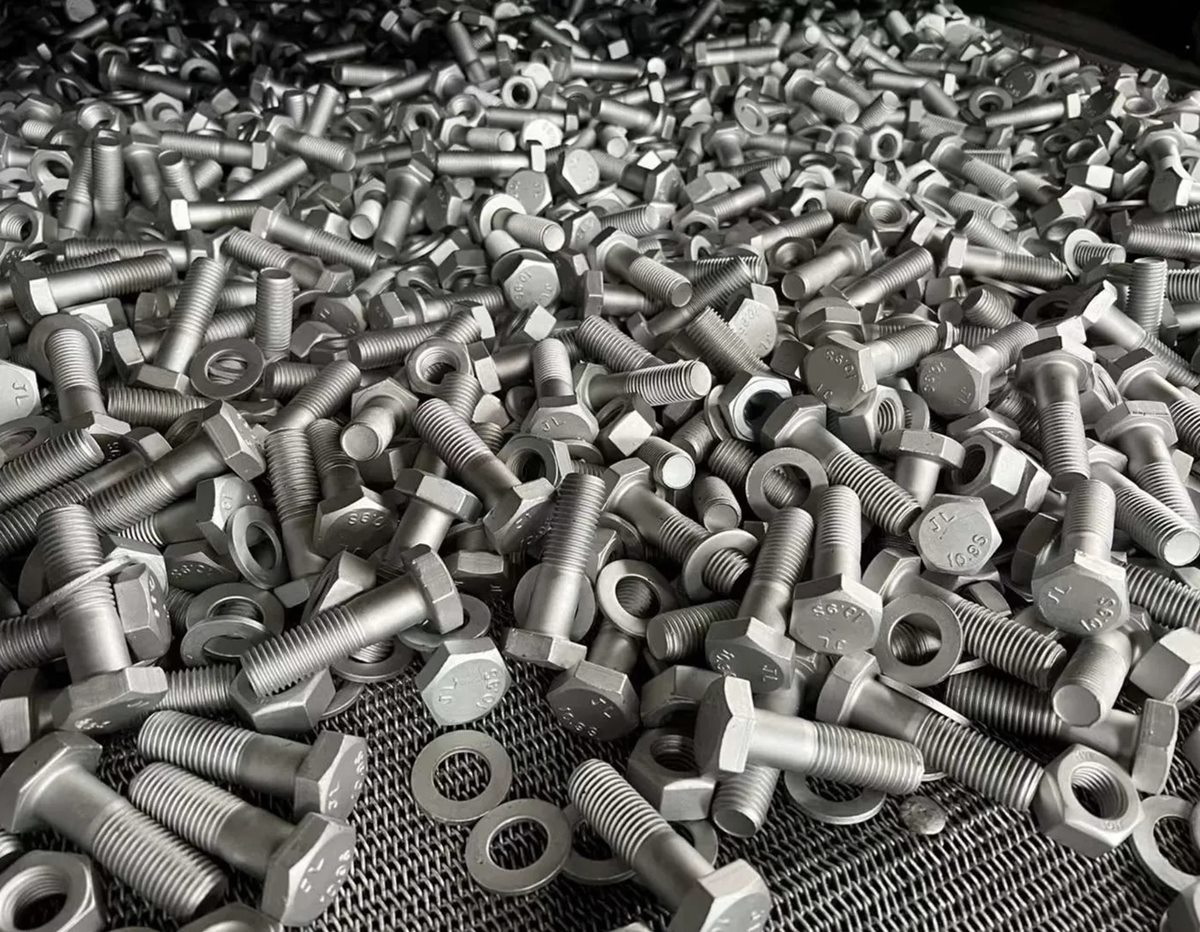
Most buyers assume that a supplier can produce a qualified product once. That’s not difficult. What they care about is whether that same level of quality can be maintained across multiple shipments. We’ve seen situations where the first batch of fasteners performed well, but later batches showed small differences. Nothing failed inspection, but assembly behavior changed slightly. For buyers, that creates uncertainty.
In many applications, especially industrial ones, consistency is more important than achieving the highest possible specification once. For example, a bolt that fits perfectly in one shipment but feels slightly different in the next can slow down assembly. The issue may not be serious, but it interrupts workflow.
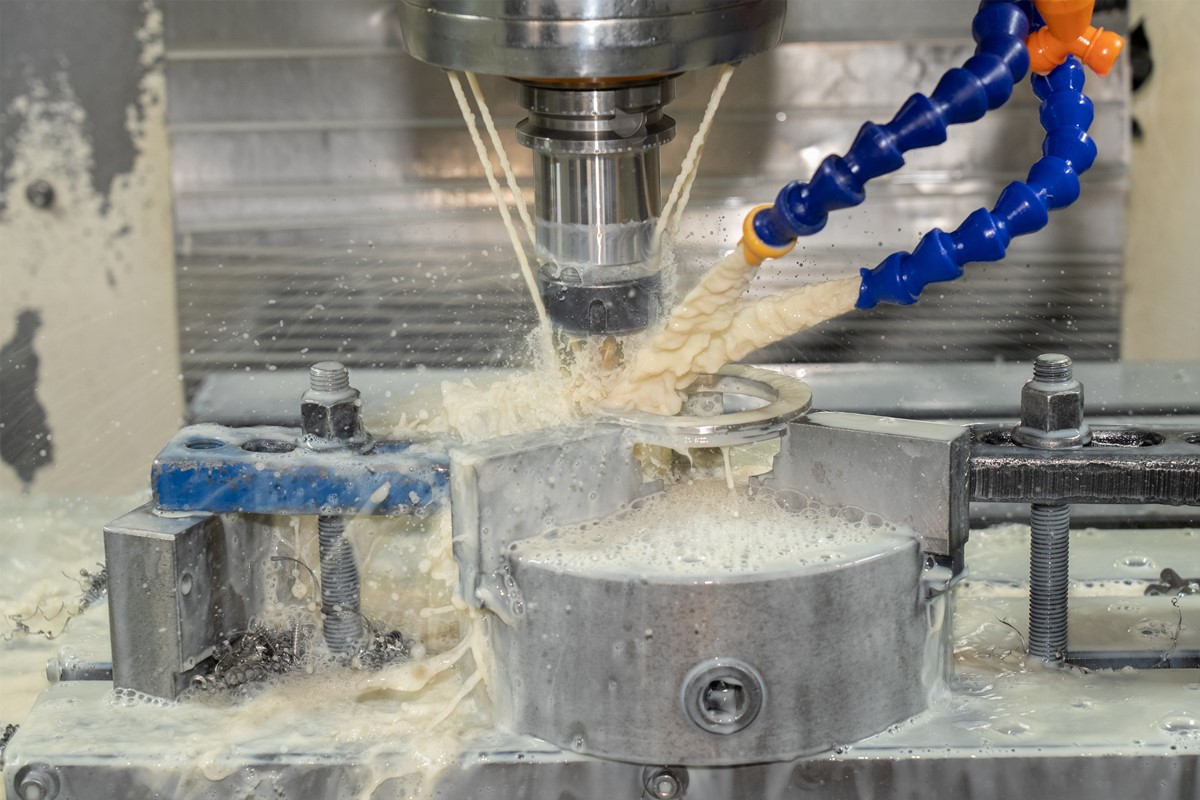
That’s why process control matters so much. CNC machining needs to remain stable. Tool wear must be managed before it creates variation. Forging and casting processes must produce consistent blanks so machining doesn’t have to compensate too much.
At NINGBO SHENGFA HARDWARE, we learned to focus less on isolated results and more on process stability. When the process is stable, quality becomes repeatable. Buyers may not always say this directly, but they notice it over time.
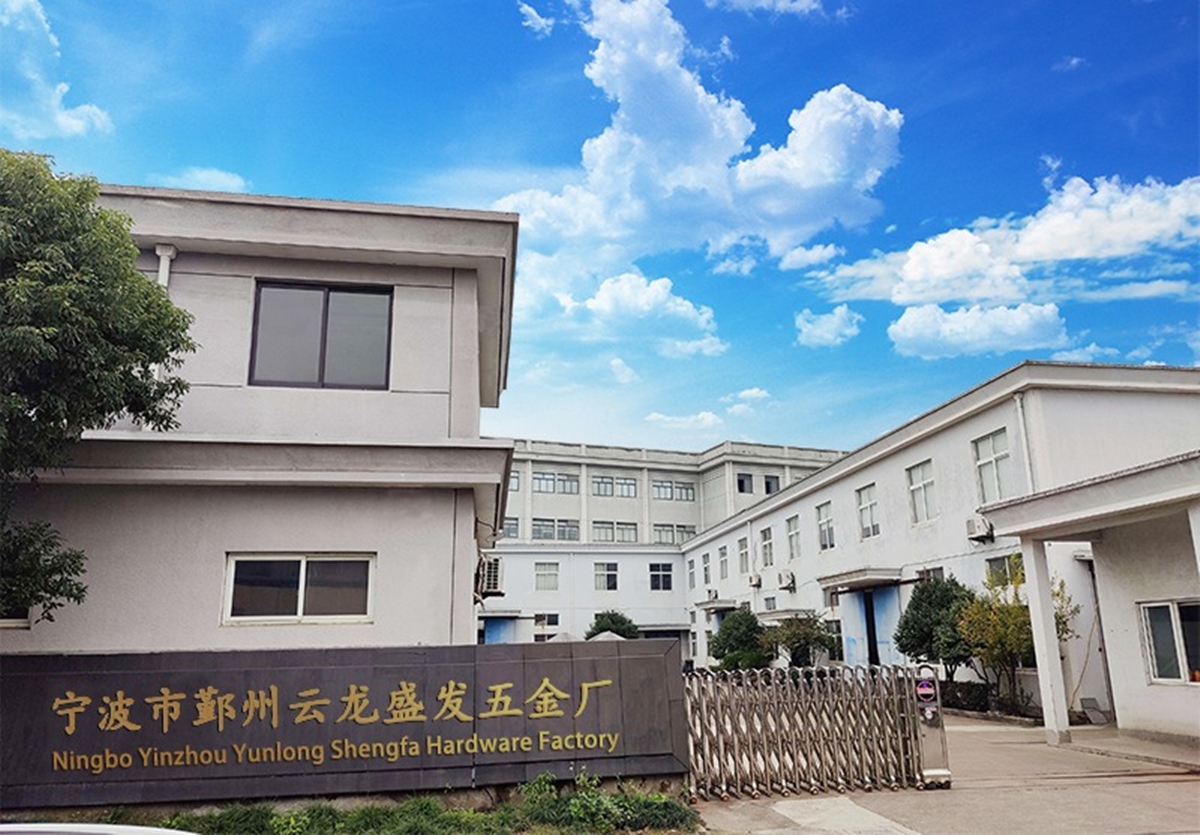
Another expectation that becomes obvious over time is communication. In the beginning, we thought detailed technical capability would be enough to build trust. But in real export business, communication often matters just as much as production.
Buyers are usually managing multiple suppliers, deadlines, and internal schedules. They don’t expect everything to be perfect. What they expect is clarity. If something changes—lead time, material availability, or process conditions—they want to know early. Delayed information often creates more problems than the issue itself.
We’ve had cases where a small delay could have been managed easily if communicated in advance. But when the information came too late, it affected planning on the customer’s side. This changed how we approach communication. Instead of waiting until everything is confirmed, we share updates as soon as we see a potential change. It may feel unnecessary at times, but it helps buyers adjust their plans.
We see communication as part of quality control. It reduces uncertainty, which is something buyers value even more than perfect execution. Because in international trade, uncertainty is often the biggest risk.
Delivery reliability is another area where expectations are very clear, even if not always stated. For many buyers, especially those involved in manufacturing or construction, timing is tightly connected to cost. A delay in fastener supply can slow down an entire project.
We’ve seen how even small timing differences can have a larger impact. A shipment arriving a few days late may not seem critical, but it can disrupt scheduling, especially when assembly depends on multiple components arriving together. That’s why predictable delivery matters more than occasional speed.
A supplier that delivers in 30 days consistently is often more valuable than one that delivers in 25 days sometimes and 40 days other times. This predictability depends on how production is managed internally. If processes like forging, CNC machining, heat treatment, and surface treatment are stable, scheduling becomes easier. If each stage introduces variation, delivery becomes harder to control.
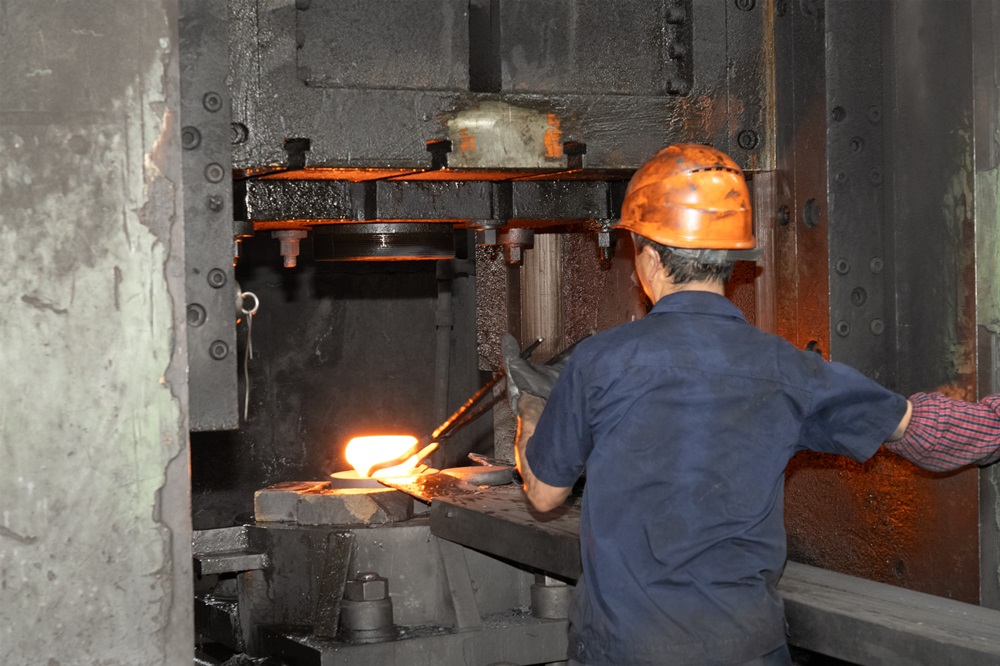
At NINGBO SHENGFA HARDWARE, we’ve learned that delivery reliability starts inside the factory. Stable processes lead to stable timelines. Buyers may not see how production is organized, but they experience the result through delivery performance.
One thing that stands out after years of export experience is that buyers are not always looking for more features or more complexity. In many cases, they are looking for fewer surprises.
They want bolts and nuts that behave the same way every time. They want fasteners that meet expectations without requiring extra attention. They want suppliers who communicate clearly and deliver as promised. This may sound simple, but it is not always easy to achieve.
It requires discipline across the entire process—from material selection to forging or casting, from CNC machining to heat treatment and surface finishing. Each step needs to be controlled, not just optimized for short-term results.
At NINGBO SHENGFA HARDWARE, this approach has helped us build longer-term relationships with customers who value reliability over short-term advantages.
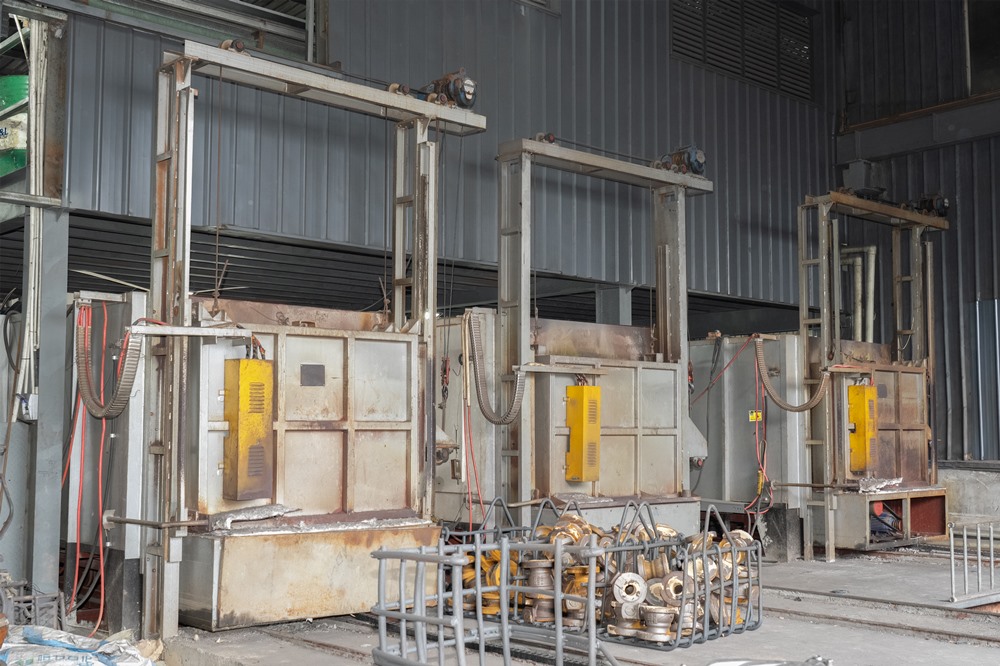
In the end, what buyers expect is shaped by experience. They don’t evaluate a supplier based on one order. They look at how performance holds up over time—whether quality stays consistent, whether communication remains clear, and whether delivery stays predictable. These factors are not always visible in product specifications, but they define the overall experience.
From our side, meeting these expectations requires more than technical capability. It requires stable processes, practical communication, and a willingness to improve gradually.
We continue to adjust how we work based on what we’ve learned from global customers. Some changes are small, but over time, they make cooperation smoother. Because in the end, buyers are not just choosing a product. They are choosing a process they can rely on.