In manufacturing, speed is often treated as a competitive advantage. Shorter lead times, faster turnaround, and higher output are usually seen as signs of a strong factory. We used to think the same way.
At the beginning, improving speed felt like the most direct way to stay competitive. If we could produce bolts, nuts, and other fasteners faster, we assumed customers would naturally prefer working with us.
But over time, that idea started to change. Not because speed stopped mattering, but because we began to notice something else. When production became faster but less stable, small problems started to appear. At first, they didn’t seem serious. But as orders repeated, those small issues became harder to ignore. That’s when we began to understand that stable production often matters more than simply being fast.
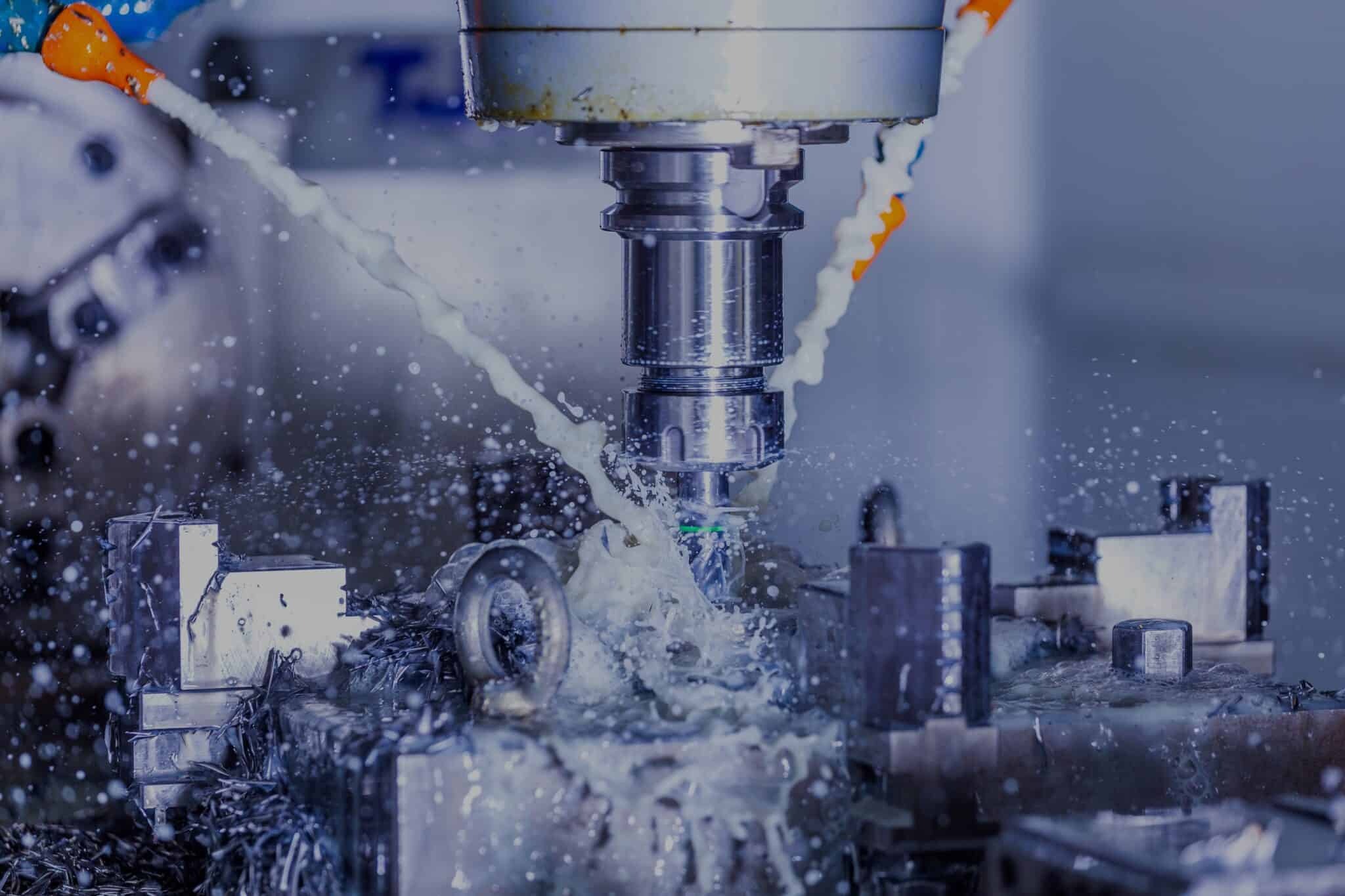
When production speed increases, processes tend to become more sensitive. For example, in CNC machining, higher cutting speeds can improve efficiency. But they also increase tool wear. Tools may not fail immediately, but their condition changes more quickly. That affects surface finish, thread accuracy, and overall consistency.
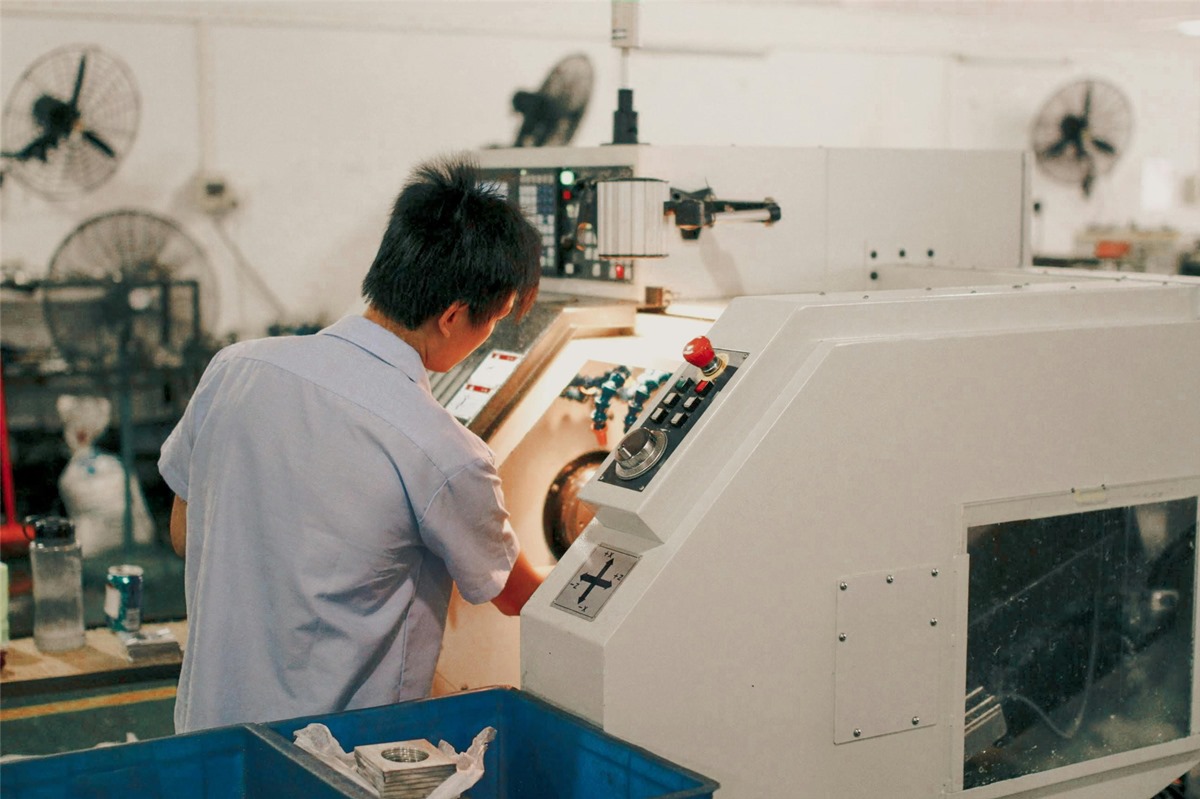
We’ve seen cases where increasing speed helped reduce lead time for one batch, but the next batch showed more variation. Nothing failed inspection, but the results were less uniform.
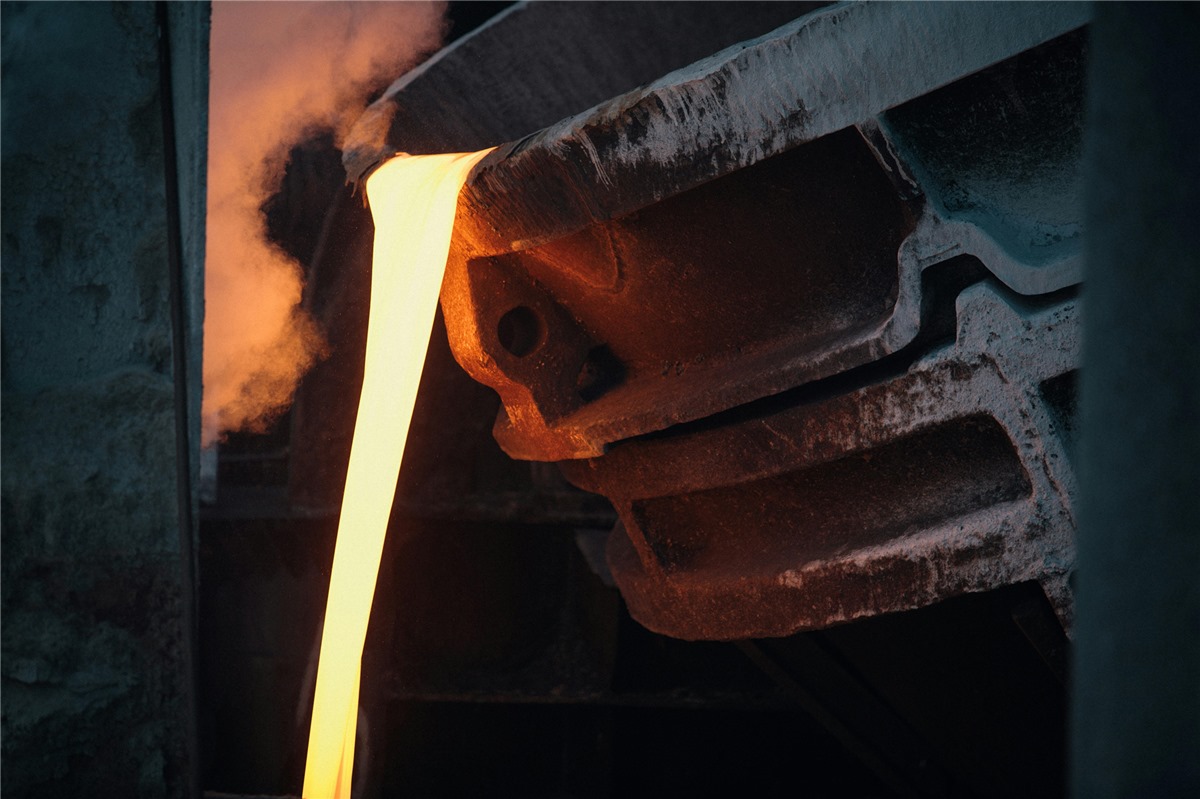
The same applies to forging. Faster cycles can increase output, but temperature control becomes more difficult. If the material is not formed under consistent conditions, the internal structure may vary slightly.
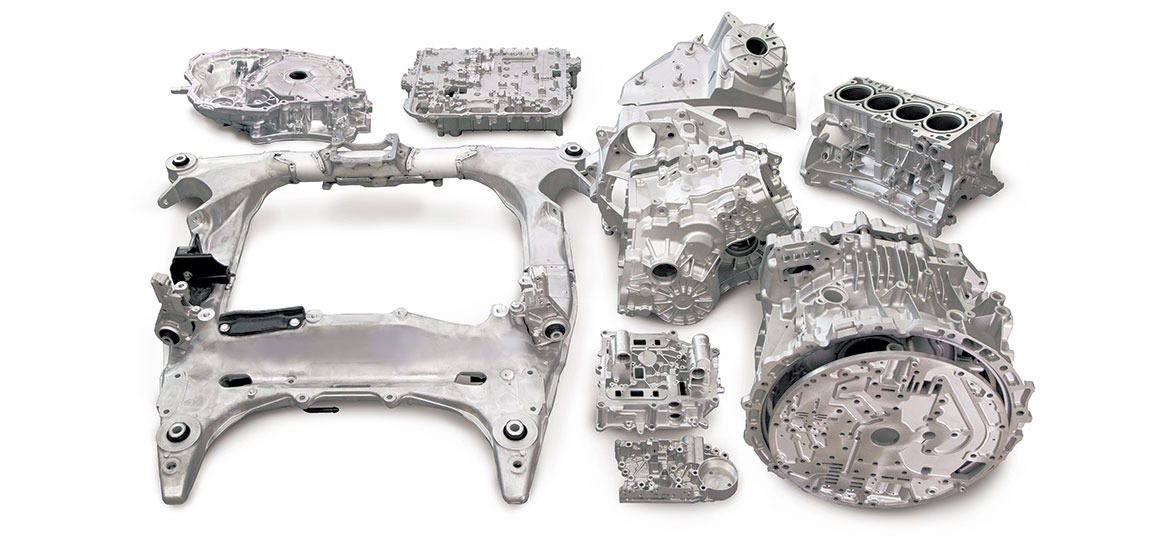
Casting has similar challenges. Faster production can influence cooling behavior, which affects dimensional stability. These differences may not be obvious at first, but they can influence later processes. When these variations reach CNC machining, operators often need to adjust parameters to compensate. That’s where instability begins to spread.
At NINGBO SHENGFA HARDWARE, we went through this phase ourselves. Pushing for speed sometimes created more work later, especially when trying to maintain tight tolerance for fasteners. It wasn’t a single big problem. It was many small differences adding up.
After seeing these patterns, we gradually shifted our focus. Instead of asking how to make production faster, we started asking how to make it more stable. This changed how we approached daily work.
In CNC machining, we reduced unnecessary parameter adjustments. Once a process was proven to be stable, we kept it consistent. Tool replacement became more predictable, rather than waiting until problems appeared.
In forging, we focused more on temperature consistency than cycle speed. Keeping the material behavior stable made downstream machining easier.
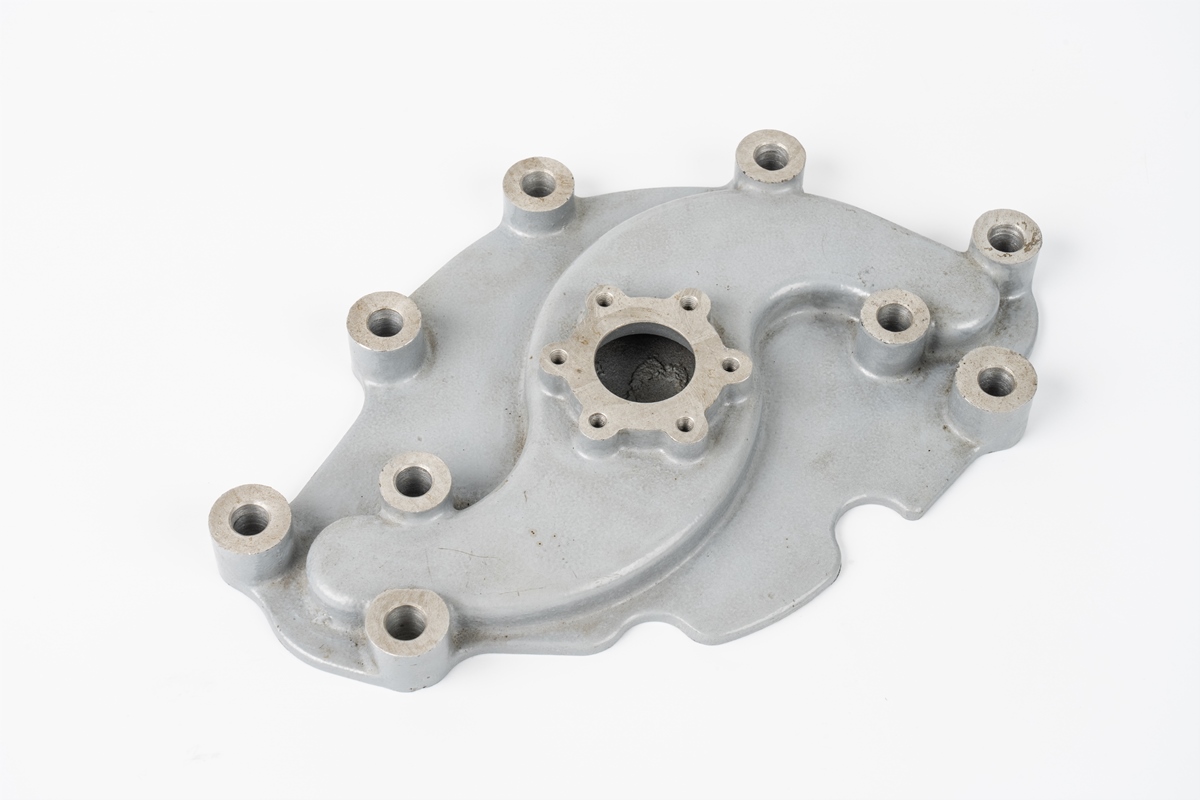
For casting, we paid more attention to repeatability rather than output volume. Consistent cooling and mold conditions reduced variation before parts even reached machining.
Heat treatment and surface treatment followed the same logic. Instead of pushing for shorter processing times, we focused on maintaining uniform results.
At NINGBO SHENGFA HARDWARE, this approach did not immediately increase output. In some cases, it even slowed things slightly at first. But something else improved. Results became easier to predict.
When production is stable, variation decreases. When variation decreases, fewer adjustments are needed. Over time, this actually improves overall efficiency, even if individual steps are not the fastest possible.
From the customer’s side, this difference is very clear. In export business, buyers are usually managing schedules, inventory, and production planning. For them, consistency matters more than isolated improvements in speed.
We’ve had customers tell us directly that a stable 30-day lead time is more valuable than an unpredictable 20-day one. That makes sense when you think about how their operations work.
If delivery times change frequently, planning becomes difficult. If product performance varies slightly from batch to batch, assembly processes need to be adjusted. These are not dramatic problems, but they create friction.
Fasteners like bolts and nuts are often small components, but they are used in large quantities. Even minor inconsistency can affect efficiency on a larger scale. We’ve also seen how stable quality builds trust over time. When customers receive the same result repeatedly, they stop worrying about potential issues. That confidence is difficult to achieve through speed alone.
At NINGBO SHENGFA HARDWARE, this realization influenced how we communicate with customers as well. Instead of emphasizing how fast we can produce, we focus more on how consistently we can deliver. That shift has helped us build longer-term relationships.
One practical benefit of stable production is that it reduces the need for constant correction. When processes are unstable, operators spend more time adjusting parameters, checking results, and reacting to variation. This creates a cycle where attention is always focused on fixing problems. In a stable system, that pressure is lower.
Processes run within expected ranges. Inspection results are more consistent. Operators can focus on maintaining conditions rather than correcting them. We’ve found that this also improves working efficiency inside the factory.
Instead of chasing problems, teams can concentrate on keeping processes under control. This applies across all stages—CNC machining, forging, casting, heat treatment, and surface treatment. When each step is stable, the entire system becomes easier to manage.
At NINGBO SHENGFA HARDWARE, this approach has gradually changed how we measure performance. Speed is still important, but it is no longer the main focus. Consistency has become a more meaningful indicator.
At first glance, stable production may seem slower. But over time, it often leads to better overall efficiency. Fewer defects mean less rework. Less variation means fewer adjustments. Predictable processes make scheduling easier. All of these factors contribute to smoother operations.
We’ve seen this not only in our own production, but also in how customers respond. When products arrive consistently and perform as expected, their processes run more smoothly as well.
That is where real efficiency shows up—not just inside the factory, but across the entire supply chain.
This doesn’t mean speed is unimportant. In competitive markets, lead time always matters. But speed works best when it is built on a stable foundation. Trying to increase speed without stability often creates more problems than it solves. On the other hand, once processes are stable, improving speed becomes easier and safer.
At NINGBO SHENGFA HARDWARE, we continue to work on both aspects. But the order has changed. Stability comes first. Speed follows. Because in the long run, what customers remember is not how fast one order was completed, but how consistently every order performs.