When you work in hardware manufacturing for long enough, you start noticing something that doesn’t really show up in drawings or inspection reports.
At the beginning, most of us focus heavily on tolerance. It feels like the most direct way to define quality. If a bolt or nut is within a tighter range, then logically it should be better. That idea makes sense, especially when you are looking at parts on paper or checking them with measuring tools.
But once those parts move into real applications, especially in large-scale assembly, the situation becomes less straightforward.
We’ve had cases where everything looked perfect in inspection. Dimensions were stable, tolerance was even tighter than required, and CNC machining reports were clean. But when customers actually used the fasteners in assembly, the feedback wasn’t exactly what we expected.
Nothing was wrong in the traditional sense. The parts still fit. They still worked. But they didn’t always feel the same.
Some bolts went in smoothly with almost no resistance. Others, from a different batch but technically identical in specification, required slightly more effort. It wasn’t a failure, but it was noticeable.
At NINGBO SHENGFA HARDWARE, this kind of feedback started to appear more often as production volume increased and customers began using our fasteners in more demanding environments. It made us rethink what “good quality” actually means. One thing became clear over time. Tight tolerance alone doesn’t guarantee a stable experience.
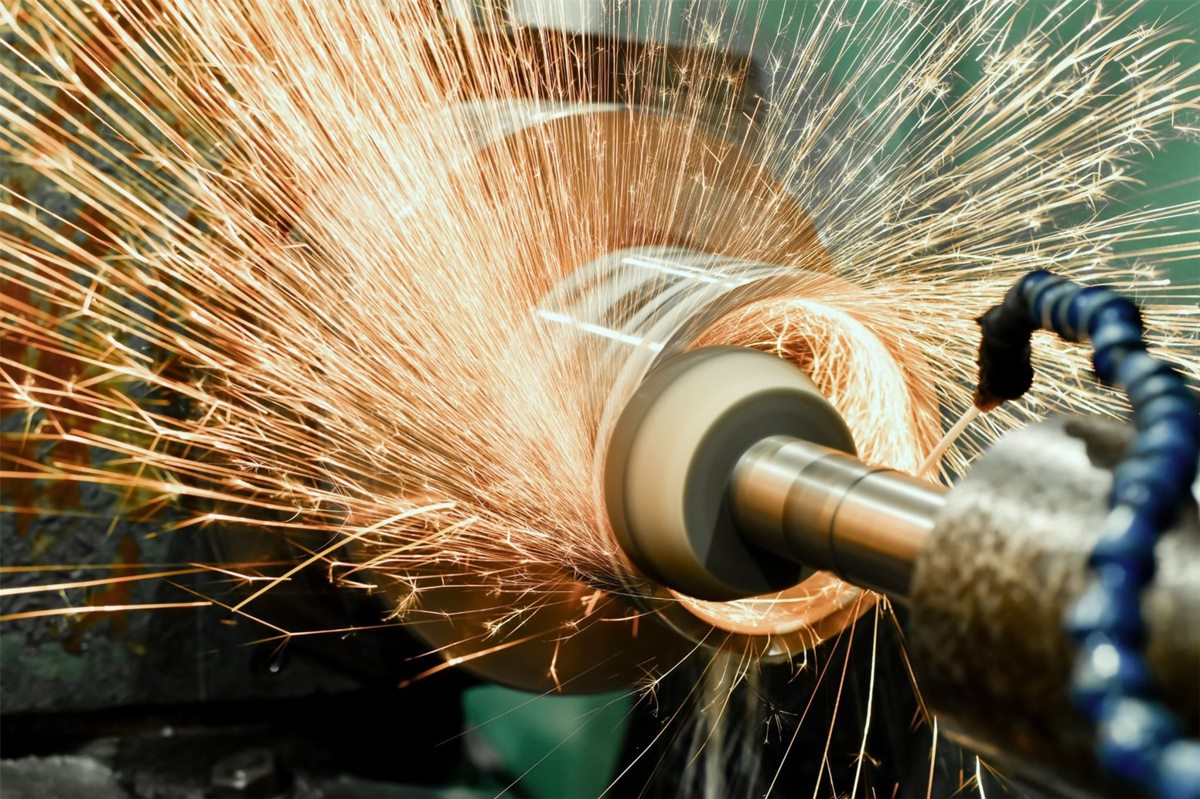
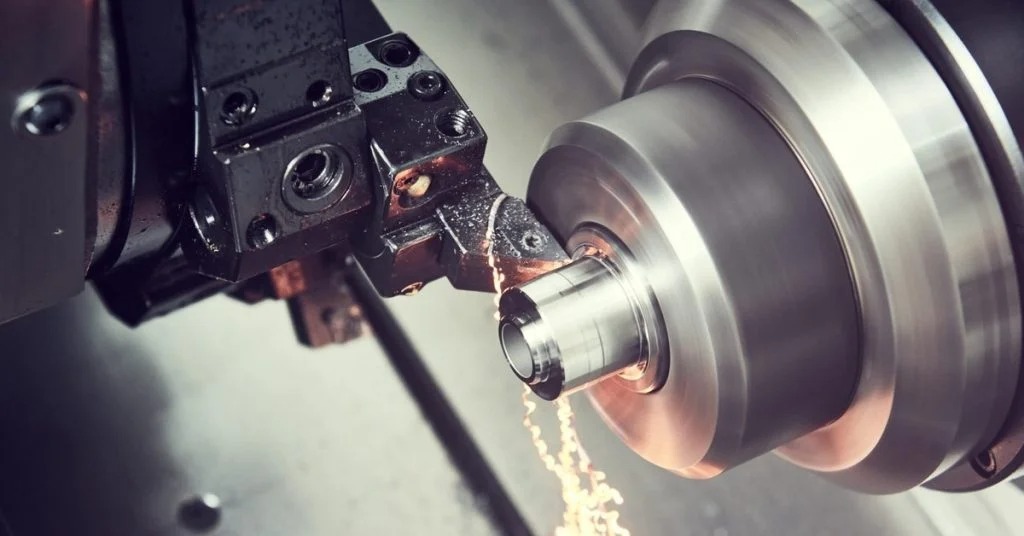
CNC machining can absolutely achieve very precise dimensions. That part is not difficult anymore with modern equipment. The real challenge is not achieving precision once, but keeping that precision consistent across multiple production runs. And that’s where things slowly start to shift.
Tool wear is one of those factors that doesn’t show up immediately. It doesn’t break anything suddenly. Instead, it changes things step by step. A tool that is slightly worn still produces acceptable parts, but the surface finish may not be exactly the same. Thread behavior may feel slightly different when assembled.
Operators also make adjustments during production. A small change in feed rate here, a minor correction in speed there. Each adjustment is reasonable on its own. But over time, these small differences accumulate.
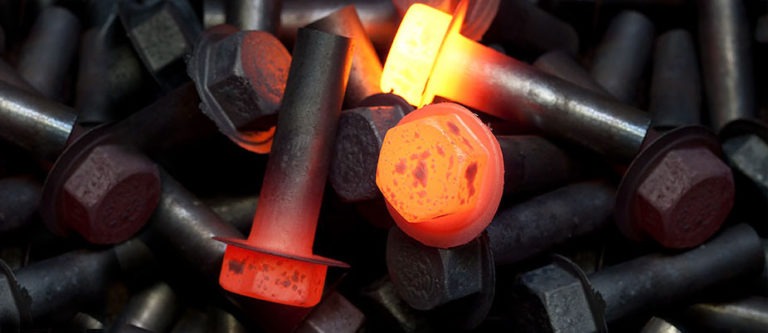
Forging and casting add another layer to this. If the raw material is not completely uniform, machining has to compensate. That compensation is not always visible in measurement data, but it affects how the final fastener behaves in use.
We saw this clearly in some production cycles at NINGBO SHENGFA HARDWARE. When everything was tightly controlled at the machining stage but slightly inconsistent at the material stage, the final result still showed variation in assembly behavior. Nothing failed inspection. But consistency was not perfect. What really changed our thinking was realizing how customers experience these parts.
They don’t see CNC machining parameters. They don’t look at forging conditions or casting stability. They don’t even think about tolerance most of the time. What they experience is very simple. A bolt either goes in smoothly, or it doesn’t feel exactly the same as the others. A nut either engages consistently, or it requires slightly different force depending on the piece.
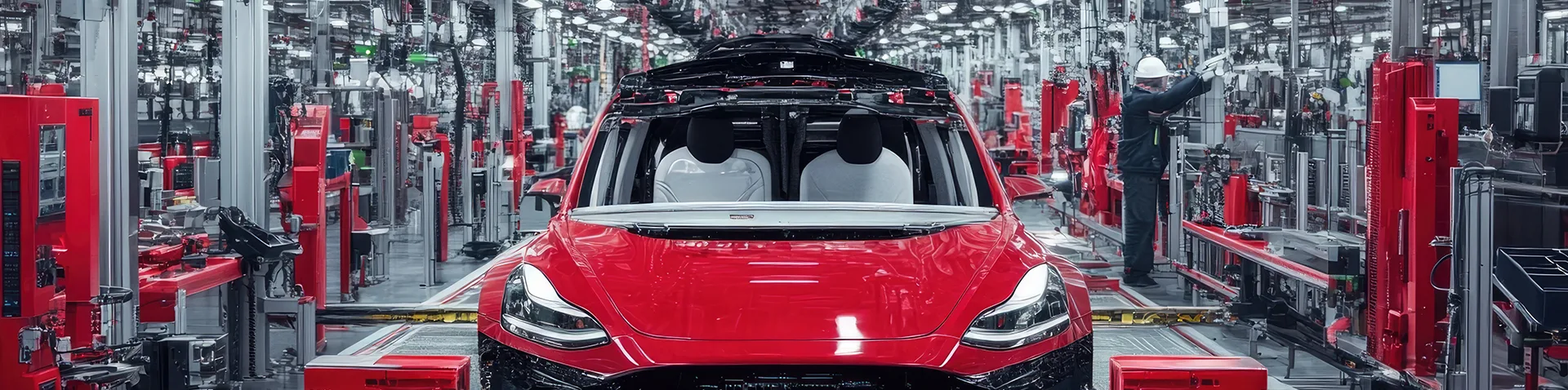
In automated systems, this becomes even more sensitive. Machines don’t adjust based on feeling. They rely on predictable behavior. If variation exists, even within tolerance, it can slow things down or require additional correction. So the real question becomes not “is it precise enough,” but “does it behave the same way every time.”
At NINGBO SHENGFA HARDWARE, this shift in thinking changed how we evaluate production. Instead of focusing only on numbers, we started paying more attention to repeatability across batches. Heat treatment is another area where this becomes visible, even if not immediately obvious.
On paper, heat treatment is controlled through temperature and time. If both are correct, the result should be stable. But in practice, slight variations in cooling or loading can affect material behavior. That doesn’t always show up in hardness tests or dimensional checks. But it can show up during assembly, especially when fasteners are used under load or repeated tightening conditions.
Surface treatment behaves in a similar way. Coating thickness may seem minor, but for threaded fasteners, even small differences can affect friction. A slightly thicker coating may make assembly feel tighter. A thinner one may make it feel smoother but less protected. These differences are small individually, but together they influence the final experience.
We started to understand that all these processes—CNC machining, forging, casting, heat treatment, surface treatment—are not separate steps. They are connected. And variation in any one of them can influence the final behavior of a bolt or nut.
That realization slowly changed how we operate inside NINGBO SHENGFA HARDWARE. Instead of trying to push each step to its absolute limit, we began focusing more on keeping every step stable. Another interesting thing we noticed is that improving stability often feels less “impressive” in the short term.
Increasing speed or tightening tolerance sounds like progress. It is easy to measure and easy to show. But improving stability is quieter. It doesn’t always look like a big change on paper. However, over time, it has a stronger impact.
When processes become more stable, variation decreases. When variation decreases, assembly becomes smoother. And when assembly becomes smoother, customers experience fewer unexpected differences. That is where real value shows up—not in isolated improvements, but in long-term consistency.
We’ve seen this clearly with repeat orders. Customers may not comment on every batch, but when things stay consistent, trust builds naturally. There is less need for correction, less communication about small differences, and fewer adjustments in their own production processes.
At NINGBO SHENGFA HARDWARE, this has been one of the most important lessons over time. Tight tolerance still matters, of course. It ensures that parts fit properly and function as intended. Without it, nothing would work at all.
But if tolerance is tight and behavior is inconsistent, then the benefit is limited. Predictable quality is what connects manufacturing to real-world use. It is what allows a bolt produced today to behave the same way as a bolt produced next month. It is what allows assembly lines to run without interruption. It is what allows customers to trust that what they received before is what they will receive again.
And that kind of reliability is not created in one step. It is built slowly, through stable CNC machining, controlled forging and casting, consistent heat treatment, and careful surface treatment. At the end of the day, precision is important. But predictability is what keeps everything working in practice.
That is something we’ve come to understand more clearly over the years at NINGBO SHENGFA HARDWARE, not from theory, but from repeated production experience and real customer feedback.