When a customer places a hardware order, the first conversation usually focuses on price, quantity, material, and delivery time. Those things are important, but they are only part of the relationship. After the first shipment arrives and the parts are used in actual production, another question becomes much more important: can the same result be achieved again?
That is where reliable manufacturing starts to have real value. A bolt, nut, fastener, or aluminum component may not be expensive on its own, but a small difference can create extra work when thousands of parts are being assembled. At NINGBO SHENGFA HARDWARE, we have found that long-term value is closely connected to consistency. Customers do not simply want a good batch once. They want to know that the next order will behave much like the previous one.
A finished hardware component often looks simple. A bolt has a head and a threaded shaft, while a nut may look like nothing more than a small piece of metal with an internal thread. Because of that simplicity, people sometimes assume the manufacturing process is also simple. Anyone who has spent time on a factory floor knows it is not quite that easy.
Material selection is one of the first places where the final result can be influenced. Steel, aluminum, and other materials have different characteristics, and the best choice depends on where the component will be used. A steel fastener may need high strength and good resistance to repeated loads. An aluminum part may be selected because weight is more important. The material also has to suit the manufacturing method.
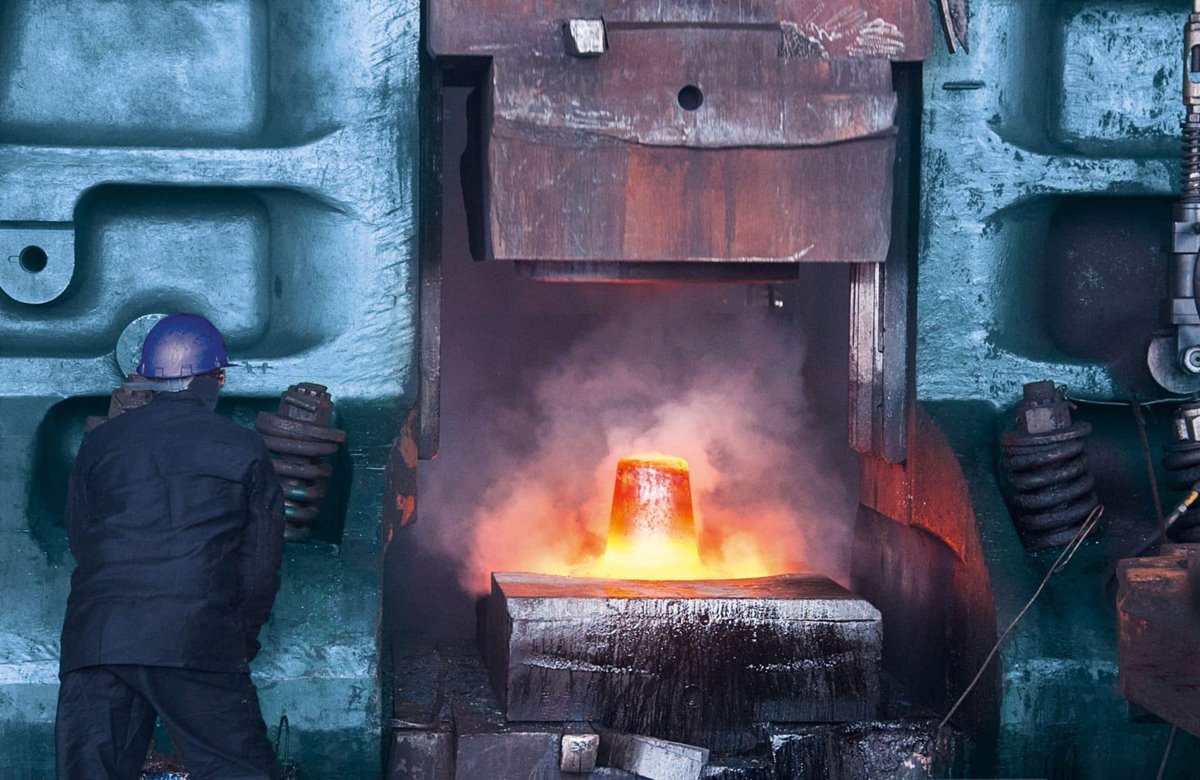
Forging is widely used for bolts and other fasteners because it can provide good strength and efficient production for larger quantities. But the quality of a forged part depends on more than simply forming metal into the correct shape. Temperature, material flow, forming pressure, and cooling conditions all affect the result. If these conditions move around too much, later processes have to deal with the variation.
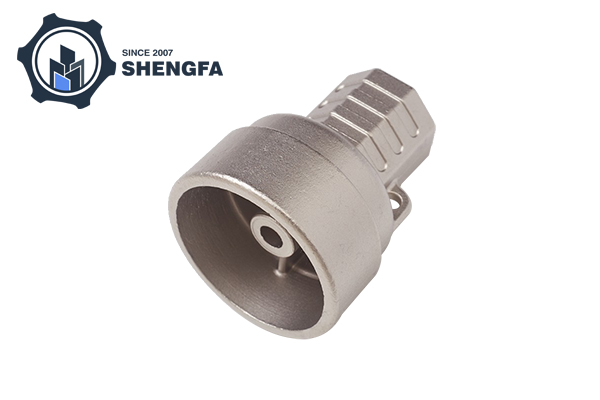
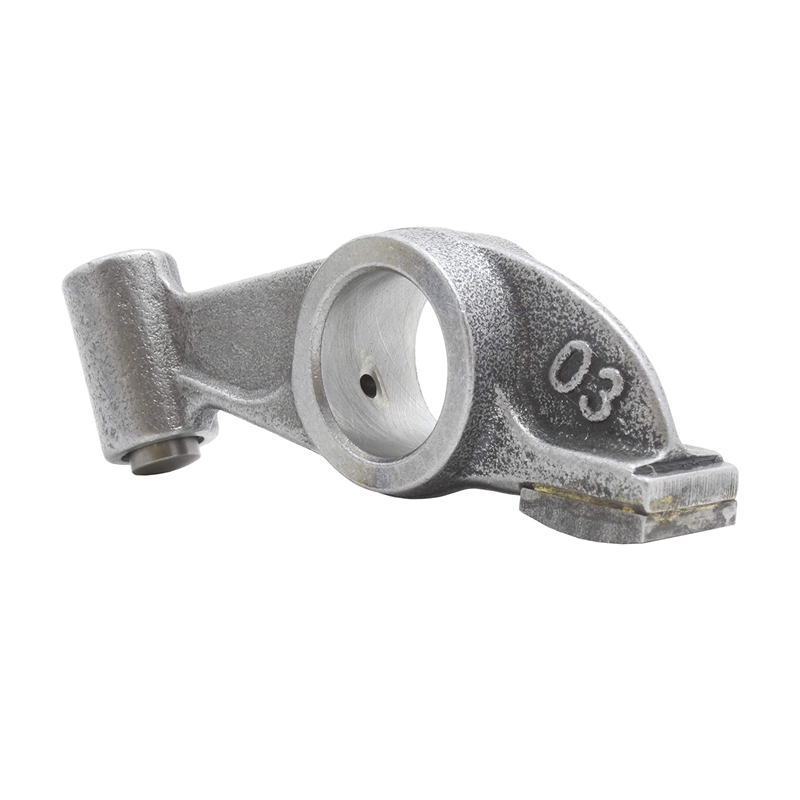
Casting and investment casting offer different advantages, especially when a component has a complicated shape. They can reduce the amount of machining required, but material flow and cooling still need to be controlled. A small inconsistency in the original casting may not look serious, yet it can make CNC machining less predictable later.
This is one reason experienced manufacturers try to solve problems near their source instead of waiting for final inspection. Once a variation has passed through several processes, finding the original cause becomes much harder.
The same principle applies to aluminum parts. Aluminum is relatively easy to machine, but it can react quickly to changes in cutting conditions and temperature. A tool that is beginning to wear, for example, may affect surface finish sooner than expected. The part may still meet the drawing, but the difference can become noticeable during assembly or surface treatment.
Good manufacturing is therefore not simply about choosing good equipment. It is about understanding how material and process influence each other.
CNC machining is a good example of why consistency matters more than a single perfect result. A machine can produce an excellent part during the first hour of production, but that does not automatically mean it will produce the same part several hours later.
Tools wear gradually. Materials are not always identical from one batch to another. Cutting conditions can change, and small adjustments may become necessary. The challenge is knowing which changes are useful and which ones may create more variation.
In our experience, making constant adjustments is not always the best answer. Sometimes a production line becomes less stable because too many small changes are being made in an attempt to improve one particular measurement. A process that runs slightly slower but stays within a reliable range can be more valuable than a faster process that needs frequent correction.
At NINGBO SHENGFA HARDWARE, this is especially important when producing hardware for repeat customers. If the first batch performs well, there is little value in changing the process unnecessarily for the second batch. Keeping proven parameters, monitoring tool condition, and paying attention to gradual changes can help maintain the same result over a longer period.
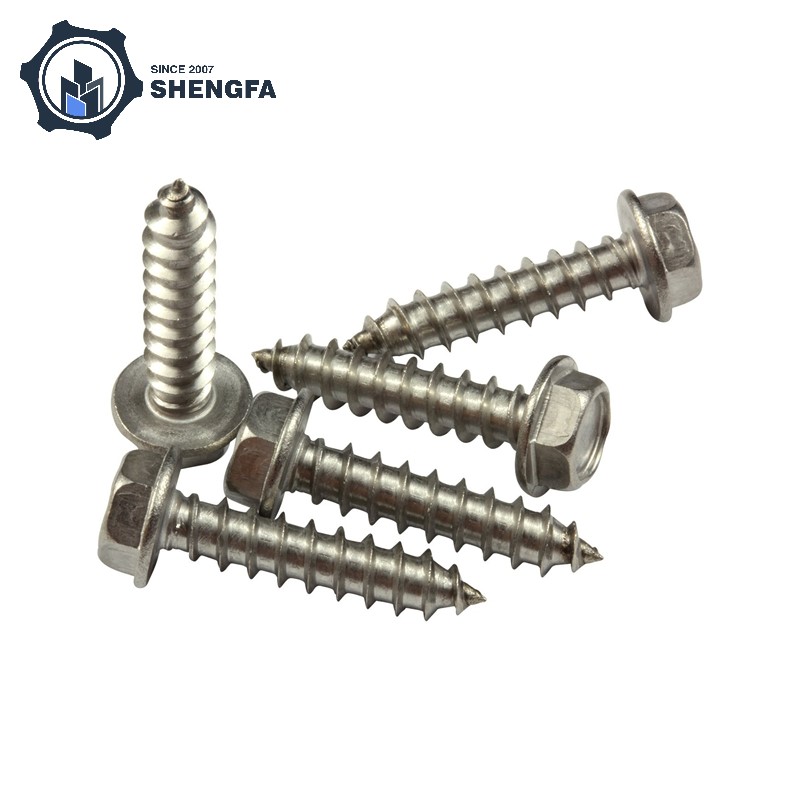
Thread accuracy is another area where this becomes obvious. A bolt and nut may both meet their individual dimensional requirements, yet the assembly can still feel different if the thread condition varies. One nut may run smoothly onto a bolt, while another requires noticeably more effort. In a high-volume assembly environment, those small differences can become a real problem.
Surface treatment adds another variable. Plating, coating, anodizing, and other finishing processes can affect appearance, corrosion resistance, and sometimes the final dimensions of the part. Aluminum products are particularly interesting because anodizing can make small differences in the machined surface more visible. If the surface preparation is inconsistent, the finished appearance may vary even when the basic dimensions are correct.
This is why process control should not be treated as something that happens only during inspection. Inspection tells us what the finished product looks like. Stable production gives us a better chance of knowing what the finished product will look like before it is even made.
The real value of reliable hardware becomes clearer after the parts leave the factory. A customer may use bolts and nuts in an assembly line, install fasteners inside machinery, or use aluminum components as part of a larger product. In all of these situations, consistency affects more than the hardware itself.
If every part fits as expected, workers spend less time sorting components. If thread engagement is consistent, assembly becomes easier. If surface treatment remains uniform, there is less concern about corrosion or appearance. None of these benefits are particularly dramatic on their own, but together they can save considerable time.
Customer feedback sometimes reveals this better than a formal inspection report. A customer may say that a previous batch was easier to assemble or that the surface looked more consistent. Such comments are useful because they describe how the product behaves in the real world, not just how it looks under factory inspection.
For a manufacturer, that feedback should not be ignored. It can point to a process difference that standard measurements do not fully explain.
Long-term value also means being realistic when customers change a design or ask for a different manufacturing method. A high-volume bolt may be suitable for forging, while a customized component might be better produced through CNC machining. A complex shape may benefit from casting or investment casting. Aluminum may reduce weight in one application, while steel may be the more sensible choice in another.
There is no universal manufacturing process that works best for every component. What matters is understanding the relationship between material, production method, cost, tolerance, surface treatment, and final application.
At NINGBO SHENGFA HARDWARE, we see a long-term customer relationship as more than simply receiving another purchase order. It means the customer has enough confidence in the previous results to continue using the same supplier. That confidence comes from many ordinary things: consistent dimensions, reliable threads, stable finishes, sensible communication, and shipments that behave as expected.
Manufacturing will never be completely free of variation. Machines wear, materials change, and production conditions are never perfectly identical. The goal is not to pretend those things do not happen. The goal is to keep them under control so that normal variation does not become the customer's problem.
A hardware component may be small, but its role in a larger production system can be much bigger than its size suggests. Reliable bolts, nuts, fasteners, and aluminum parts help keep assembly moving without unnecessary interruptions. That is where the real value of manufacturing begins.
In the long run, customers remember fewer problems more than impressive promises. They remember when the second shipment fitted like the first one, when the production line did not need extra sorting, and when a supplier could handle the next order without starting from zero.
That kind of reliability is not created by one machine or one inspection. It comes from a manufacturing process that remains steady, order after order. And for a hardware supplier, that consistency is one of the strongest forms of long-term value.