As lightweight engineering becomes a priority in automotive systems, medical equipment, and industrial automation, Ningbo Shengfa Hardware observes how Precision CNC Plastic Machining fits into a broader shift toward lighter, more functional components.
Reducing product weight is no longer simply a matter of making parts smaller. Engineers must also consider mechanical loads, operating temperatures, chemical exposure, dimensional stability, and service life. Engineering plastics offer a useful combination of properties that can help meet these requirements when the material is selected for the intended application.
Lower component weight can reduce the energy required to move mechanical assemblies, ease installation, and simplify the handling of equipment. In moving systems, reducing the mass of certain components may also improve response and reduce the loads placed on motors, bearings, and supporting structures.
However, replacing metal with plastic is not automatically an improvement. A lightweight component must still withstand its working environment without excessive deformation, premature wear, or loss of dimensional accuracy.
The most effective designs begin by identifying what a component actually needs to do. Some parts require high stiffness, while others benefit more from low friction, electrical insulation, chemical resistance, or impact absorption. These functional requirements determine whether an engineering plastic is suitable.
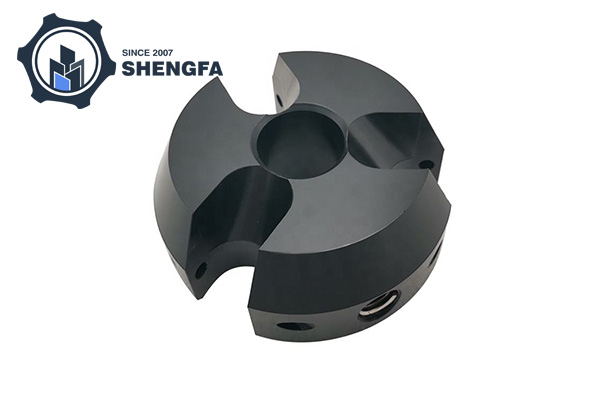
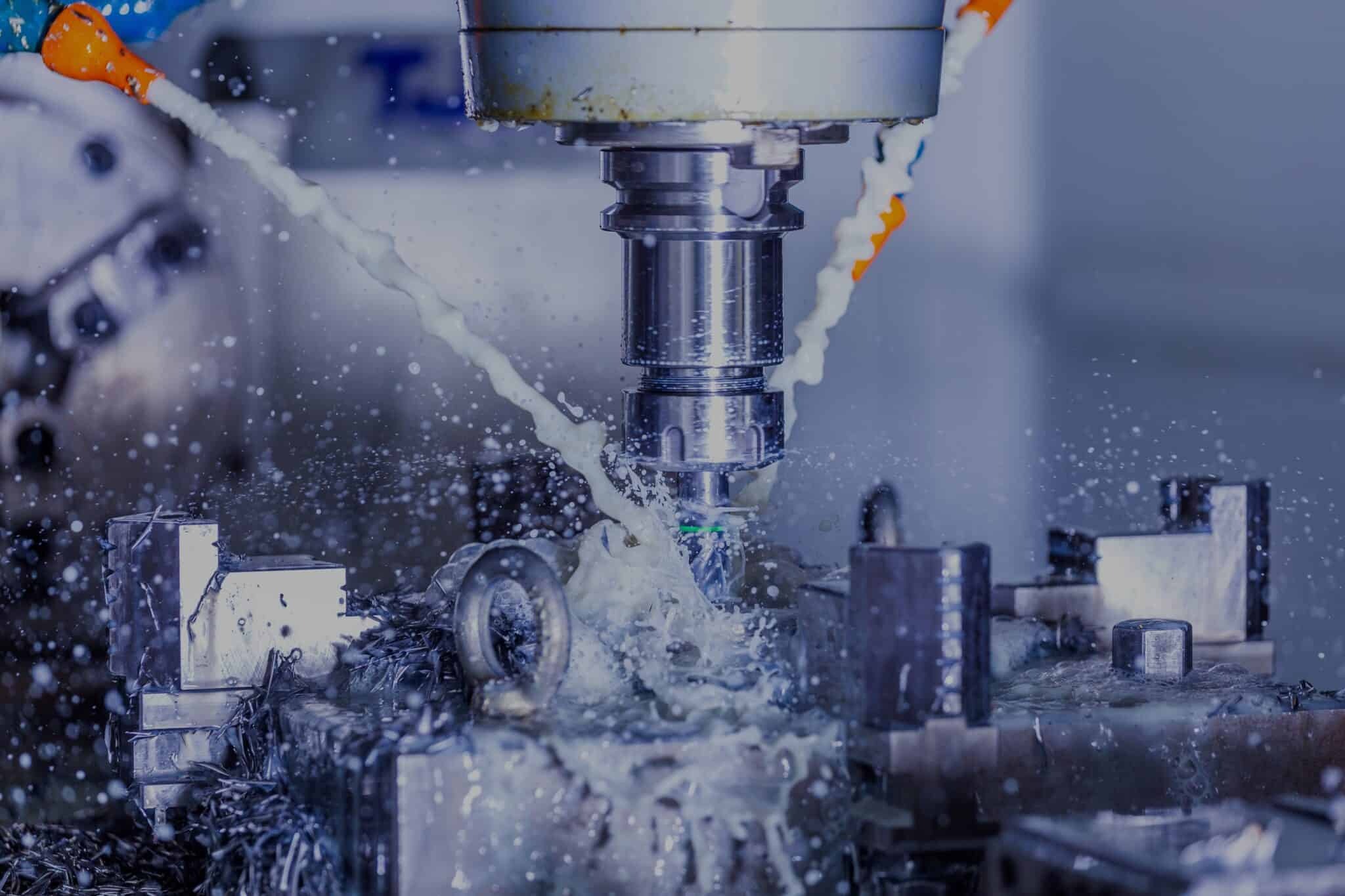
CNC machining removes material from solid plastic stock to create the required shape. Milling can produce pockets, ribs, mounting features, and irregular profiles, while turning is suitable for cylindrical parts such as bushings, spacers, and rollers.
For lightweight structures, this process allows designers to remove unnecessary material while retaining material around critical mounting points and load-bearing sections.
A housing, bracket, or support does not always need uniform wall thickness throughout its structure. Where engineering requirements permit, carefully positioned pockets and ribs can reduce unnecessary mass without sacrificing essential rigidity.
CNC machining can produce these features directly from suitable plastic stock. Nevertheless, deep pockets and thin walls require attention because cutting forces and heat can cause deformation during processing.
Lightweight components often undergo several design revisions before reaching their final configuration. CNC machining can accommodate these changes without requiring a new injection mold for every iteration.
This is particularly useful during prototype development, functional testing, and low-volume production, when dimensions and assembly details may still change.
Different plastics offer different combinations of strength, stiffness, density, wear resistance, and thermal performance. Material selection should reflect actual service conditions rather than weight alone.
| Material | Relevant Characteristics | Potential Applications |
|---|---|---|
| POM (Acetal) | Good dimensional stability and low friction | Gears, spacers, and mechanical guides |
| Nylon (PA) | Wear resistance and useful mechanical strength | Bushings, rollers, and support components |
| PEEK | High-temperature capability and chemical resistance | Demanding industrial and specialized equipment |
| Polycarbonate (PC) | Impact resistance and transparency | Protective covers and equipment housings |
| PTFE | Low friction and broad chemical resistance | Seals, sliding components, and insulating parts |
These materials are not interchangeable. Nylon can absorb moisture and change dimensions, while PTFE can deform under sustained loads. PEEK may suit demanding thermal conditions, but its performance advantages must be weighed against material and machining costs.
The appropriate choice depends on load, temperature, moisture, chemical contact, wear, and required tolerances.
Removing material to reduce weight can make a component more flexible. Thin sections may deflect under cutting forces, while localized heat can affect dimensional accuracy. Internal stresses within plastic stock may also be released as material is removed, causing a finished part to warp.
Precision CNC plastic machining therefore requires more than an accurate machine program. Tool sharpness, cutting parameters, workholding, machining sequence, and temperature control all influence the final result.
For components with demanding dimensional requirements, rough machining followed by a controlled finishing operation may help reduce distortion. Critical dimensions should also be inspected under appropriate temperature conditions, particularly when the part is sensitive to thermal expansion or moisture.
Designers can further improve manufacturability by avoiding unnecessarily thin walls, using suitable internal corner radii, and identifying critical dimensions early in the design process.
The transition toward lighter components can be seen across several industries.
In automotive equipment, selected plastic guides, covers, spacers, and housings can reduce component mass while providing electrical insulation or resistance to corrosion. In medical equipment, machined polymer components may be used in instrument housings, positioning fixtures, and specialized mechanical assemblies, depending on material and regulatory requirements.
Industrial automation presents another practical example. Lightweight guides and moving components can reduce the mass carried by actuators, although stiffness, friction, wear, and operating temperature must remain within acceptable limits.
In electrical equipment, insulating plastic components can also replace certain metal parts where electrical conductivity is unnecessary. The decision depends on the required dielectric properties, mechanical loads, and environmental conditions.
Across these applications, the goal is not to replace every metal component with plastic. It is to identify where a different material can perform the required function with less weight or fewer secondary requirements.
A lighter component may reduce operating loads, but the overall benefit depends on more than its initial mass. Material price, machining time, scrap rates, maintenance requirements, and expected service life all affect the final decision.
Excessive weight reduction can introduce new problems if walls become too flexible or if the selected material cannot withstand sustained loading. A part that requires frequent replacement may also create greater lifecycle costs than a slightly heavier alternative.
For this reason, lightweight design works best when material selection, geometry, machining strategy, and inspection requirements are considered together. Testing under representative operating conditions can help confirm whether the finished component performs as intended.
Lightweight design requires a balance between mass, mechanical performance, manufacturability, and long-term stability. Engineering plastics provide useful options for components that need reduced weight, low friction, corrosion resistance, or electrical insulation, but each material has limitations that must be considered.
Precision CNC Plastic Machining supports this process by allowing engineers to produce detailed geometries, refine designs during development, and manufacture components from selected engineering-grade stock. For Ningbo Shengfa Hardware, understanding the relationship between material properties and machining conditions remains central to evaluating lightweight component requirements.