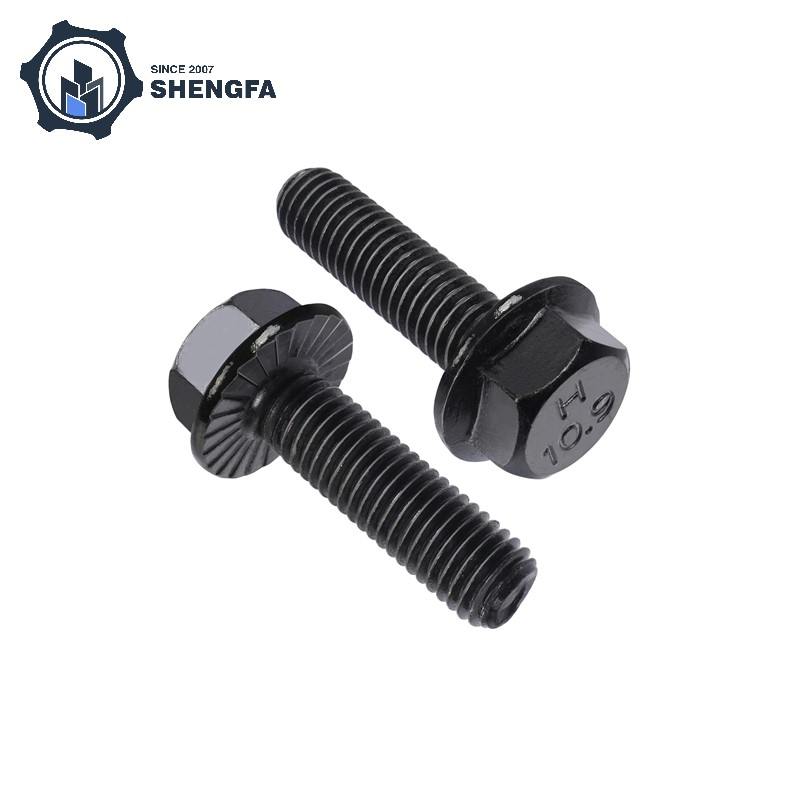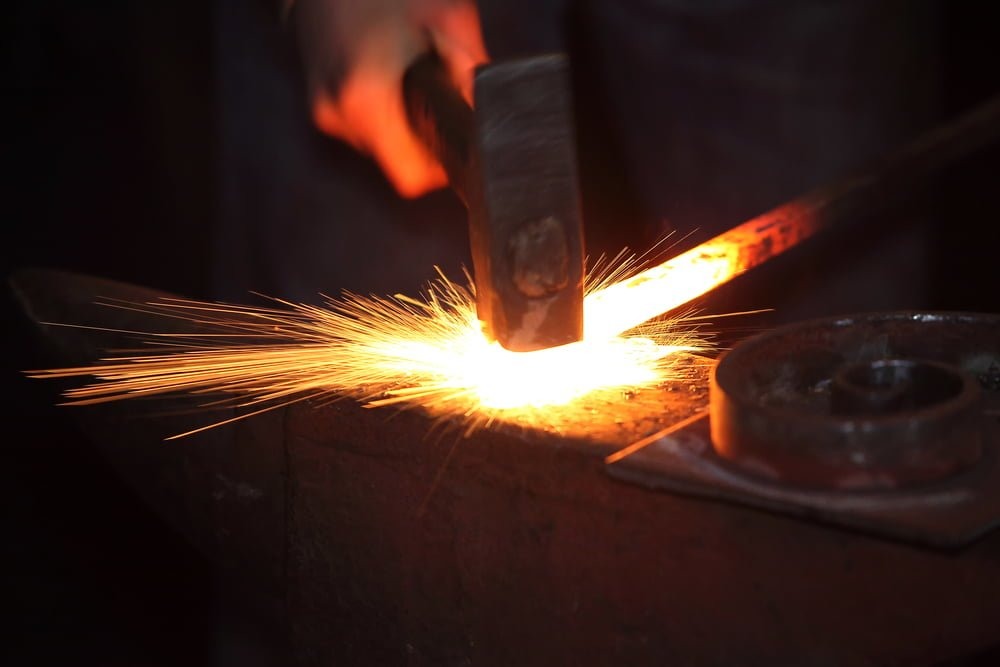
People often begin with material grades when discussing bolts and nuts, and on paper that makes sense. Standards, strength classes, chemical composition—these are all necessary. But if you spend enough time in actual production, you start to notice that these labels don’t fully explain why some fasteners behave consistently while others don’t. The difference tends to appear earlier, in the less visible part of the process, somewhere between raw material selection and the first forming step.
At Ningbo Shengfa Hardware, we’ve seen cases where two batches of material meet the same specification, yet respond differently once they enter forging. It’s not always dramatic. Sometimes it’s just a slight difference in how the material flows under pressure, or how it reacts to temperature changes. But those small differences don’t disappear—they stay in the part, quietly influencing everything that comes next.
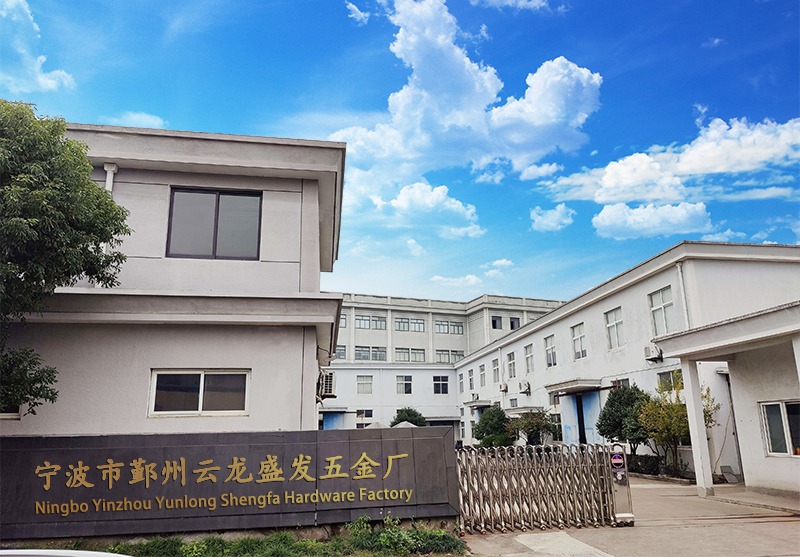
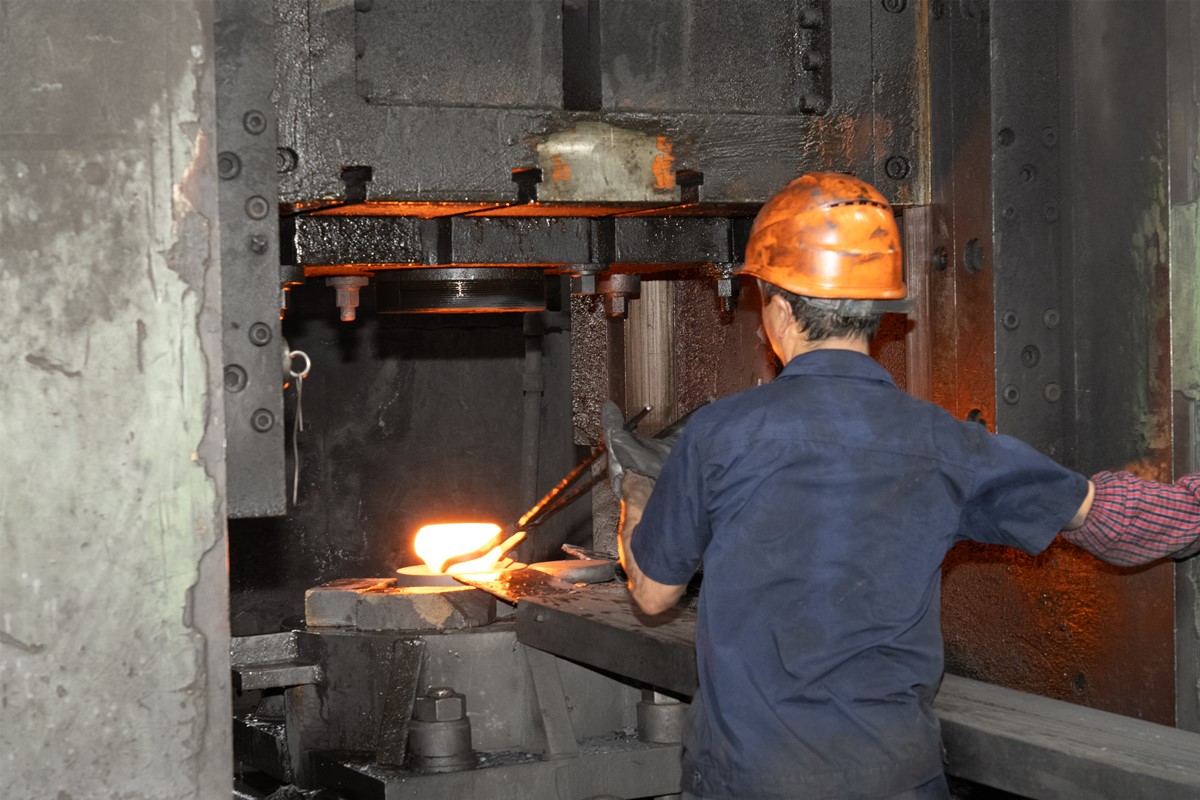
Forging, in that sense, is more than shaping. It sets a kind of internal condition for the fastener. If temperature control is not steady, or if deformation is uneven, internal stress can build up in ways that aren’t immediately visible. A bolt might look perfectly fine after forming. Dimensions can still be within tolerance. But the structure inside may already be less stable than expected. This doesn’t always cause immediate problems, which is why it’s easy to overlook. Instead, it shows up later—sometimes during threading, sometimes during heat treatment, and sometimes only after the fastener has been in service for a while.
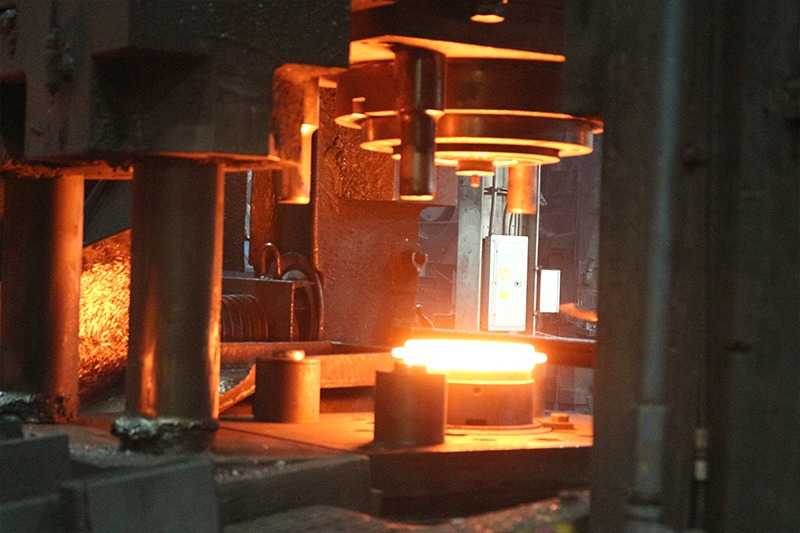
The same idea becomes even clearer when working with aluminum parts. Compared to steel, aluminum tends to respond more quickly to process variation. A small fluctuation in temperature or pressure can lead to noticeable differences in shape or surface condition. In a way, aluminum exposes problems faster. It doesn’t tolerate inconsistency very well, which makes it a useful reminder of how important early-stage control really is.
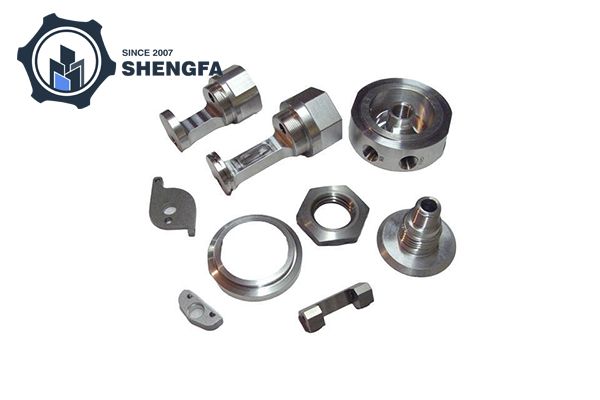
Processes like casting or investment casting add another layer to this. They offer flexibility in shape, especially for more complex components, but they also require careful control of cooling rates and material flow. If that control is not stable, internal defects or structural variation can carry forward into machining. So even before CNC machining begins, the outcome is already influenced by decisions made much earlier.
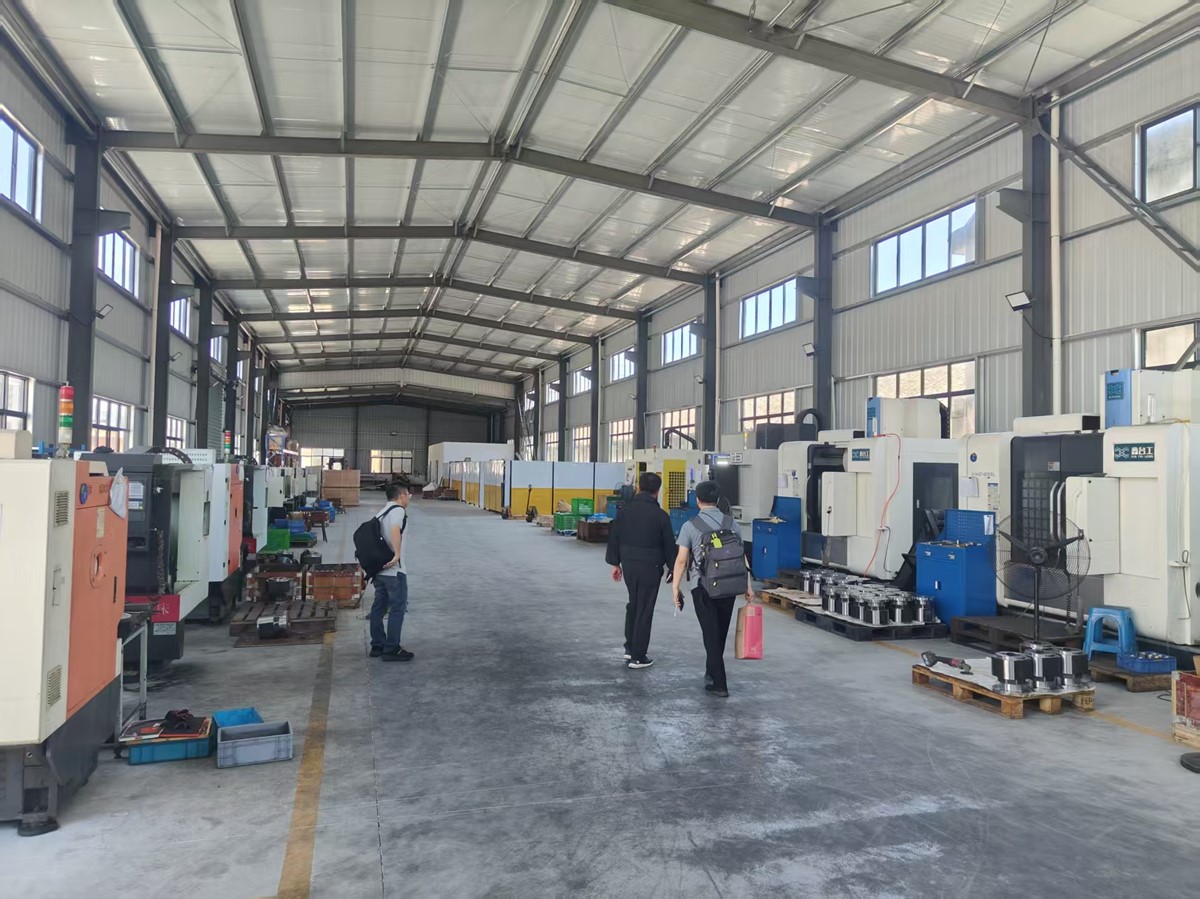
What becomes clear over time is that reliability doesn’t start at inspection. It starts at the point where the material first begins to change form. And if that step is not steady, everything that follows has to work harder to compensate.
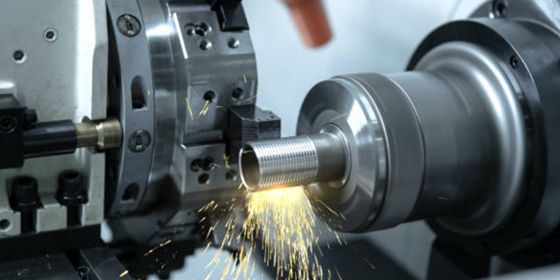
Once forming is complete, CNC machining takes over, and this is where most people expect precision to be fully defined. Drawings are followed, tolerances are checked, and everything appears to move into a more controlled phase. But in reality, machining introduces its own kind of variability, especially when production runs are large and continuous.
Precision, in practice, is not just about achieving a target dimension once. It’s about maintaining that same result over time, across different batches, under slightly changing conditions. Tool wear, for example, doesn’t happen all at once. It happens gradually, and that gradual change can affect how surfaces are cut or how threads are formed. If not managed carefully, this leads to small shifts that accumulate.
Threads are particularly sensitive. On the surface, they seem simple—just a defined profile repeated along a shaft. But in production, they depend on stable cutting conditions. A slight vibration, a minor change in feed rate, or even a difference in material hardness can alter the way threads come out. Sometimes the variation is small enough to pass inspection, but large enough to affect how bolts and nuts engage during assembly.
At Ningbo Shengfa Hardware, we’ve learned that chasing extremely tight tolerances is not always the most effective approach. What matters more is whether those tolerances can be held consistently. A setup that produces slightly less aggressive cuts but remains stable over long runs often delivers better overall performance than one that aims for perfection but fluctuates. This becomes especially important in export manufacturing, where customers expect not just accuracy, but repeatability across thousands or even millions of fasteners.
CNC machining also connects closely with earlier processes like forging and casting. If a part comes in with slight internal stress or dimensional inconsistency, machining has to adapt. Sometimes that means adjusting parameters, sometimes it means accepting a certain level of variation. But either way, the process becomes less predictable. This is why experienced manufacturers tend to focus on reducing variation before machining even begins, rather than trying to correct it later.
There’s also a practical side to this. In daily production, machines are not constantly being adjusted. Frequent changes can introduce more instability, not less. Instead, parameters are set within a range that has proven to work, and operators are trained to recognize when something is drifting. It’s not a dramatic process. Most of the time, nothing unusual happens. But that quiet consistency is what keeps machining results stable over time.
By the time surface treatment begins, the fastener already carries the history of everything that came before it. Coating is often seen as the final step, something that improves corrosion resistance or appearance. But in reality, it depends heavily on the condition of the surface it is applied to.
If machining leaves behind uneven surfaces, or if cleaning is not thorough, coating will not behave consistently. Thickness may vary, adhesion may weaken, and the overall performance of the fastener can become less predictable. This affects more than just corrosion resistance. It can influence friction, torque during assembly, and even how the fastener performs under load.
Surface treatment, in that sense, does not fix earlier problems. It reveals them. A stable process leading up to this stage makes coating straightforward. An unstable one makes it difficult to control, even with additional inspection.
This is where process control becomes less about correction and more about prevention. Instead of relying heavily on final inspection to catch defects, the focus shifts to keeping each stage within a stable range. That doesn’t mean eliminating all variation—that’s not realistic—but it means reducing unnecessary fluctuation so that the final product behaves predictably.
At Ningbo Shengfa Hardware, this approach has developed gradually. It wasn’t built through a single system or standard, but through repeated experience in export manufacturing. Different customers, different applications, different expectations—over time, patterns start to emerge. Products that perform well tend to come from processes that don’t change much. Products that show issues often trace back to steps where control was less consistent.
There is also a balance to maintain. Too much adjustment, even with good intentions, can create instability. Too little attention can allow problems to grow. The challenge is finding a middle ground where processes are controlled, but not overcorrected. That balance is not fixed; it evolves with experience.
-