A metal component can look perfectly acceptable on an engineering drawing and still create problems when it is made for the first time. A mounting hole may be slightly out of position, a wall may be too thin for the intended load, or two parts that should fit together may require unexpected adjustments. These issues are not always obvious during the design stage.
This is one of the reasons why manufacturers and product developers often make prototypes before putting into mass production. A prototype provides engineers with a real thing to check, measure, assemble and test. It does not guarantee that every production problem will disappear, but it provides an opportunity to discover weaknesses before they become expensive batch-level problems.
This stage may be particularly useful for companies purchasing custom metal parts when a new design involves unfamiliar materials, complex shapes or several manufacturing operations.
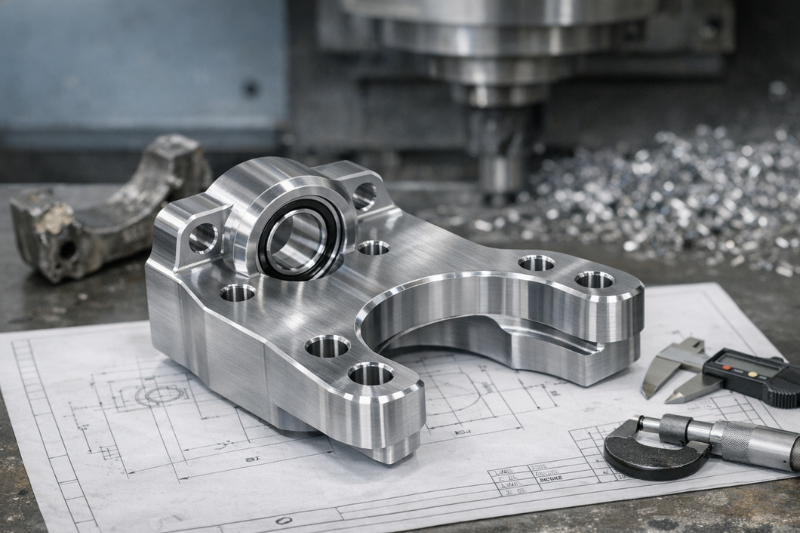
The engineering drawing describes the technical requirements such as dimensions, tolerances, materials, etc. They are essential for manufacturing, but they cannot always show the behavior of a component in its actual working environment.
For example, the bracket can meet each specified size, but still bends much more than expected after installation. The dimensions of machining may be correct, but its internal characteristics may make assembly difficult. These problems are easier to understand when engineers can deal with the physical parts and compare them with the surrounding parts.
A prototype also helps reveal design details that may have been overlooked. Sometimes a small change in a corner radius, mounting position, or wall thickness makes the component easier to manufacture without affecting its function.
It is usually better to discover these details while only a few parts have been produced.
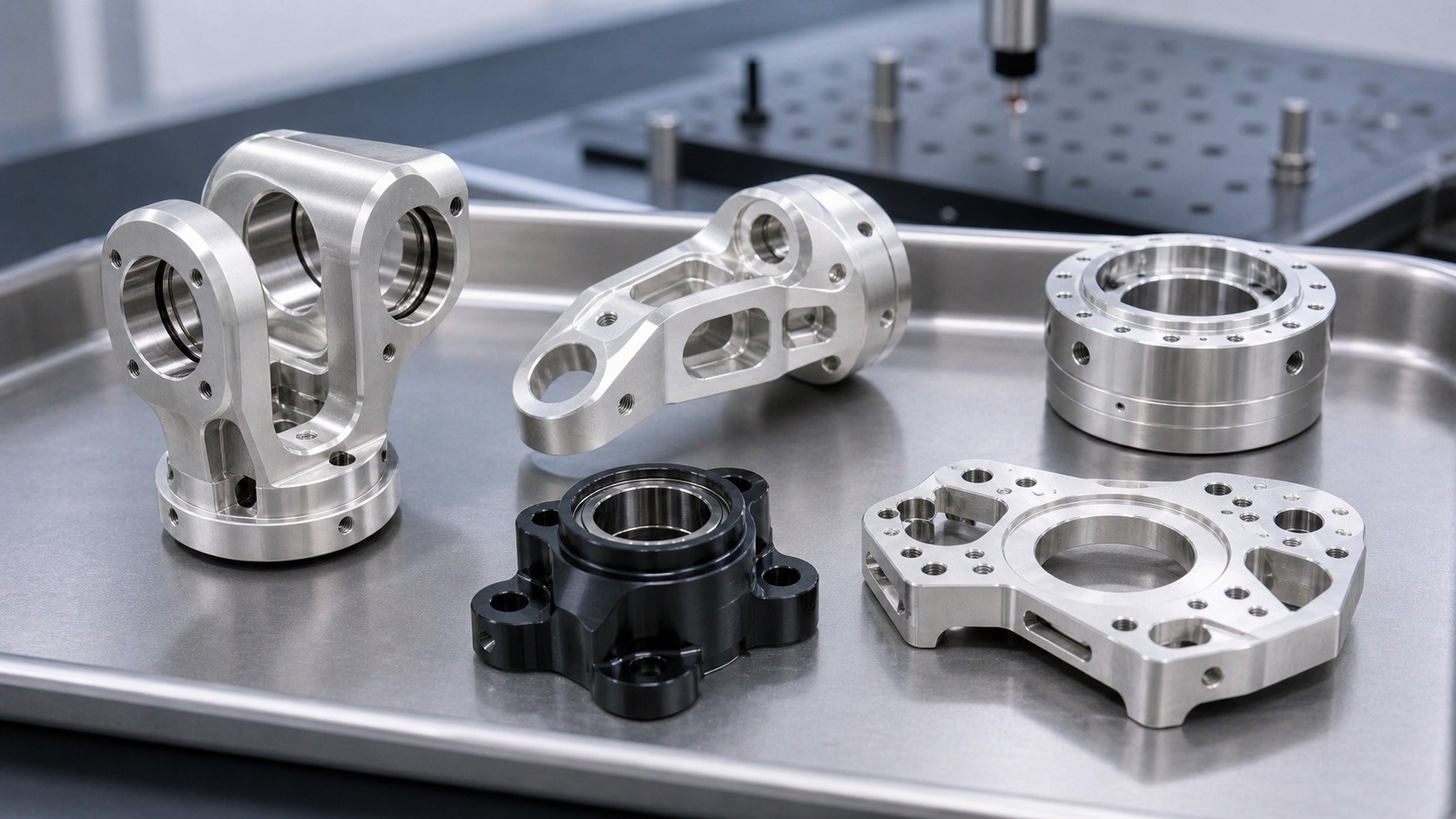
The manufacturing method used for a prototype does not always have to be identical to the method selected for mass production. The decision depends on the component's geometry, material, required accuracy, and development schedule.
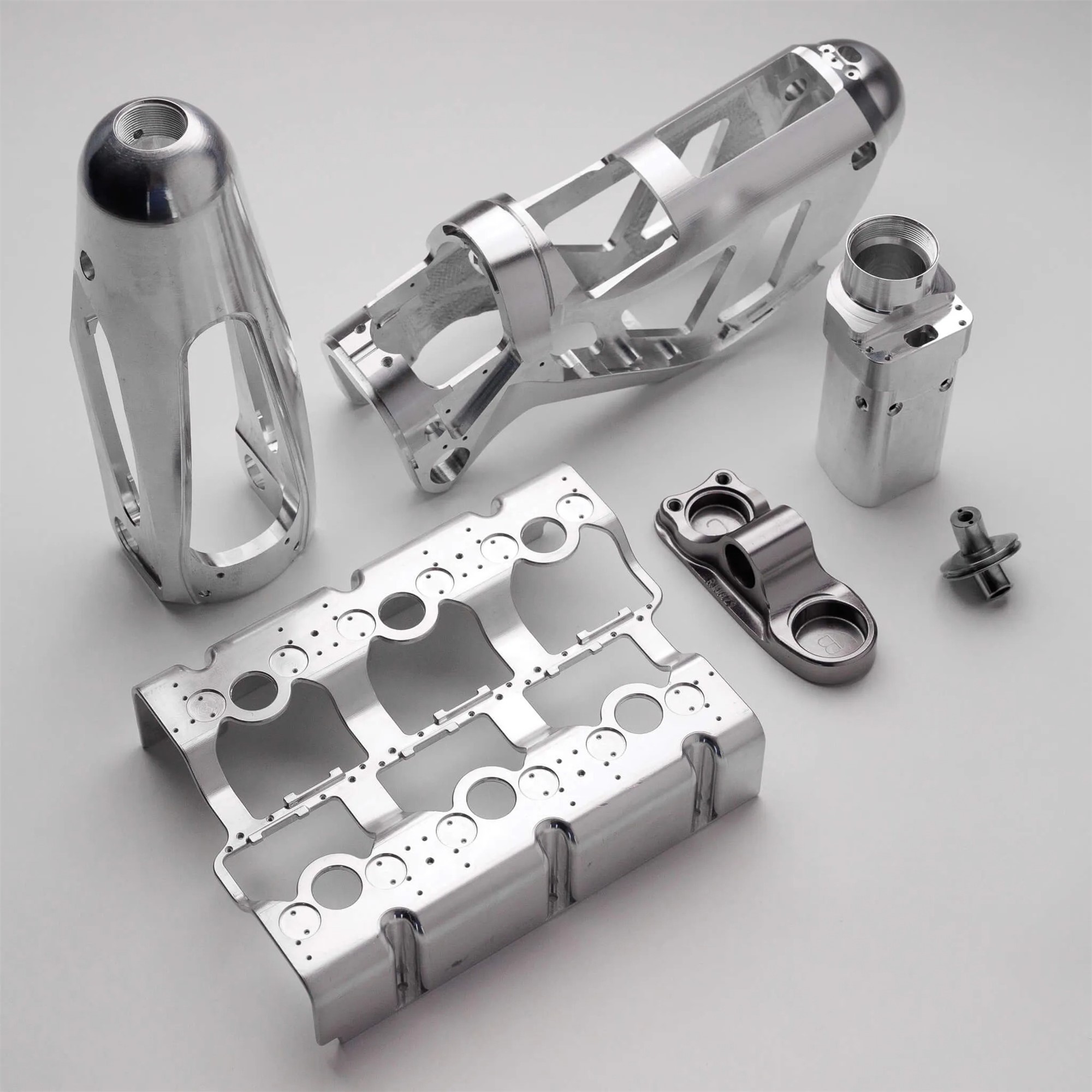
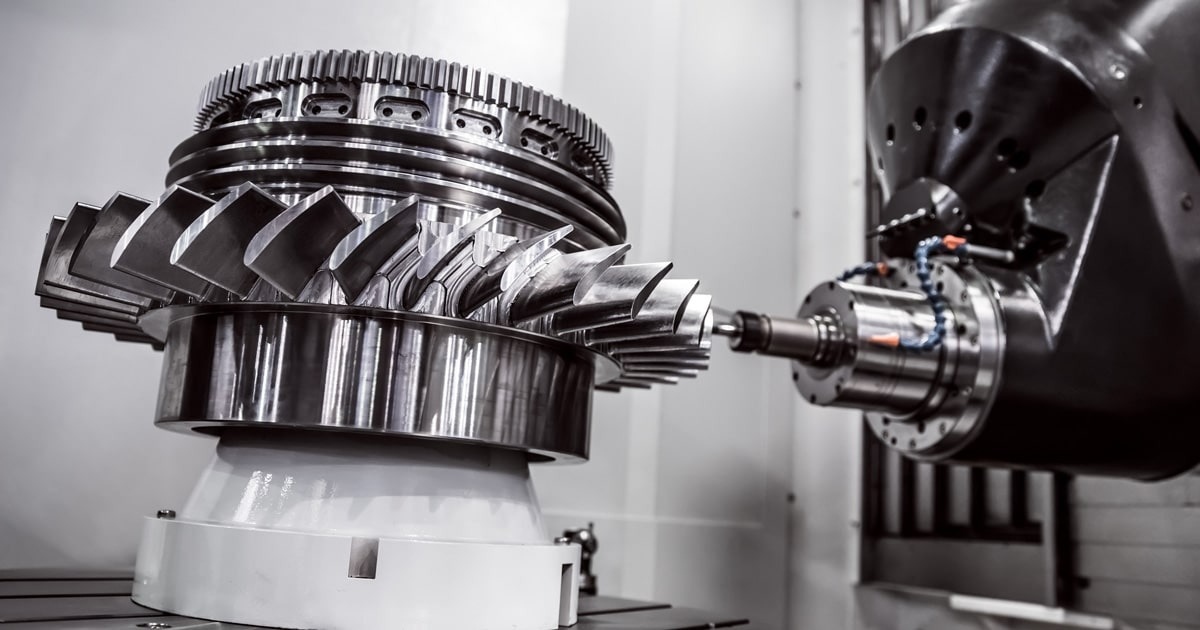
CNC machining is often suitable for the production of early metal prototypes because it can directly create functional components from engineering models. It is particularly useful when engineers need to check dimensions, assembly fit or the performance of machined parts.
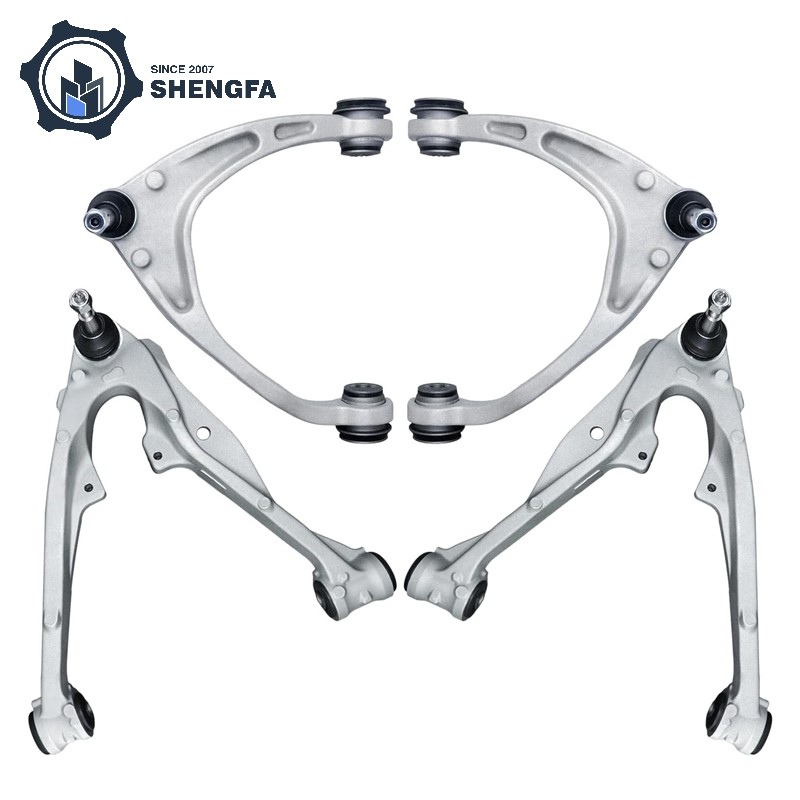
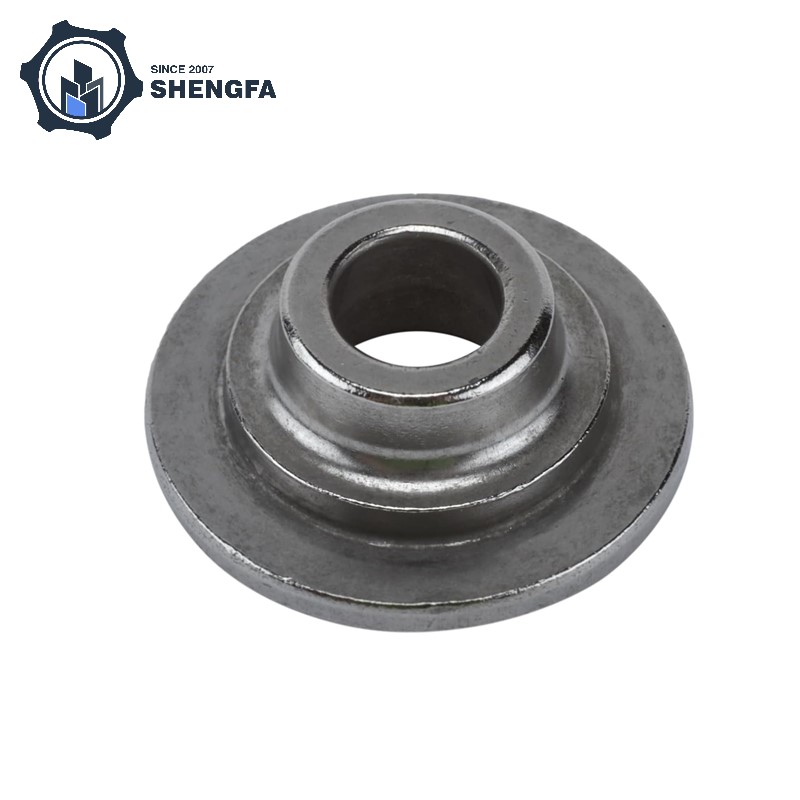
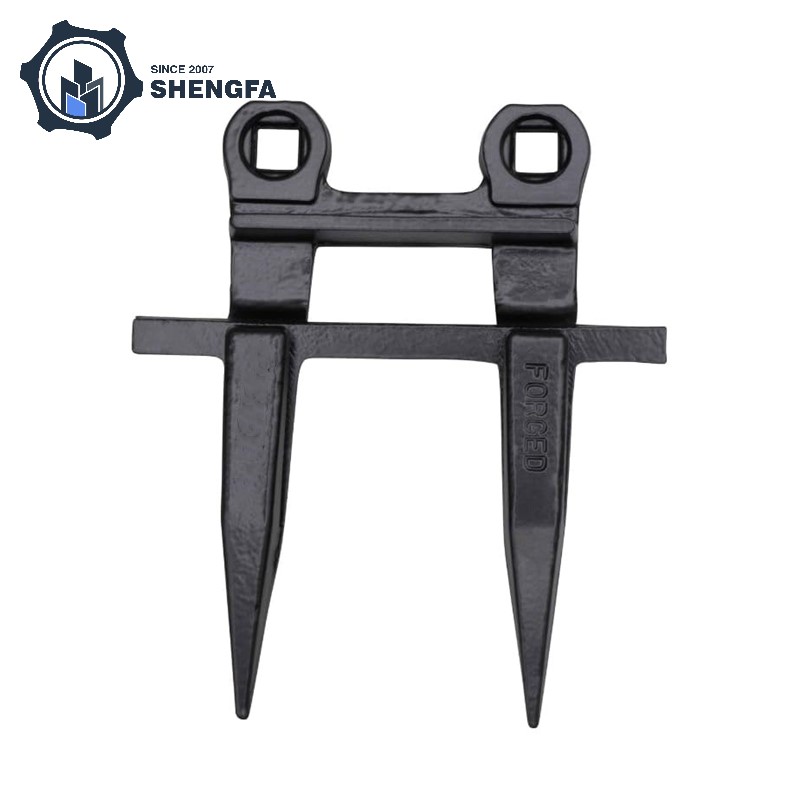
Investment casting may be worth considering when the final design includes complex shapes that are difficult to produce from solid materials. Forging can be relevant when the target component requires a specific structural performance. For sheet metal parts, the prototype can help to determine the bending position, hole position and overall fit before the production tooling is finalized.
The important point is to understand what the prototype needs to prove. If the purpose is simply to check the overall shape, one manufacturing approach may be sufficient. If the component must withstand mechanical loads or operate under specific conditions, a more representative production method may be necessary.
Material selection is another area where prototype production can provide useful information.
The two materials may be similar in design specifications, but they are different in actual use. Aluminum, carbon steel, stainless steel and brass have different strength, weight, processing characteristics and corrosion resistance. The right choice depends on the application, not just the name of the material.
For example, lightweight aluminum components may be suitable for equipment where weight loss is important. However, engineers still need to consider its stiffness, operating temperature and connection points. Substitutes for steel can provide different mechanical properties, but will increase the overall weight.
A prototype allows the development team to examine the material under more realistic conditions. It may also reveal whether the selected grade is practical for the intended manufacturing process.
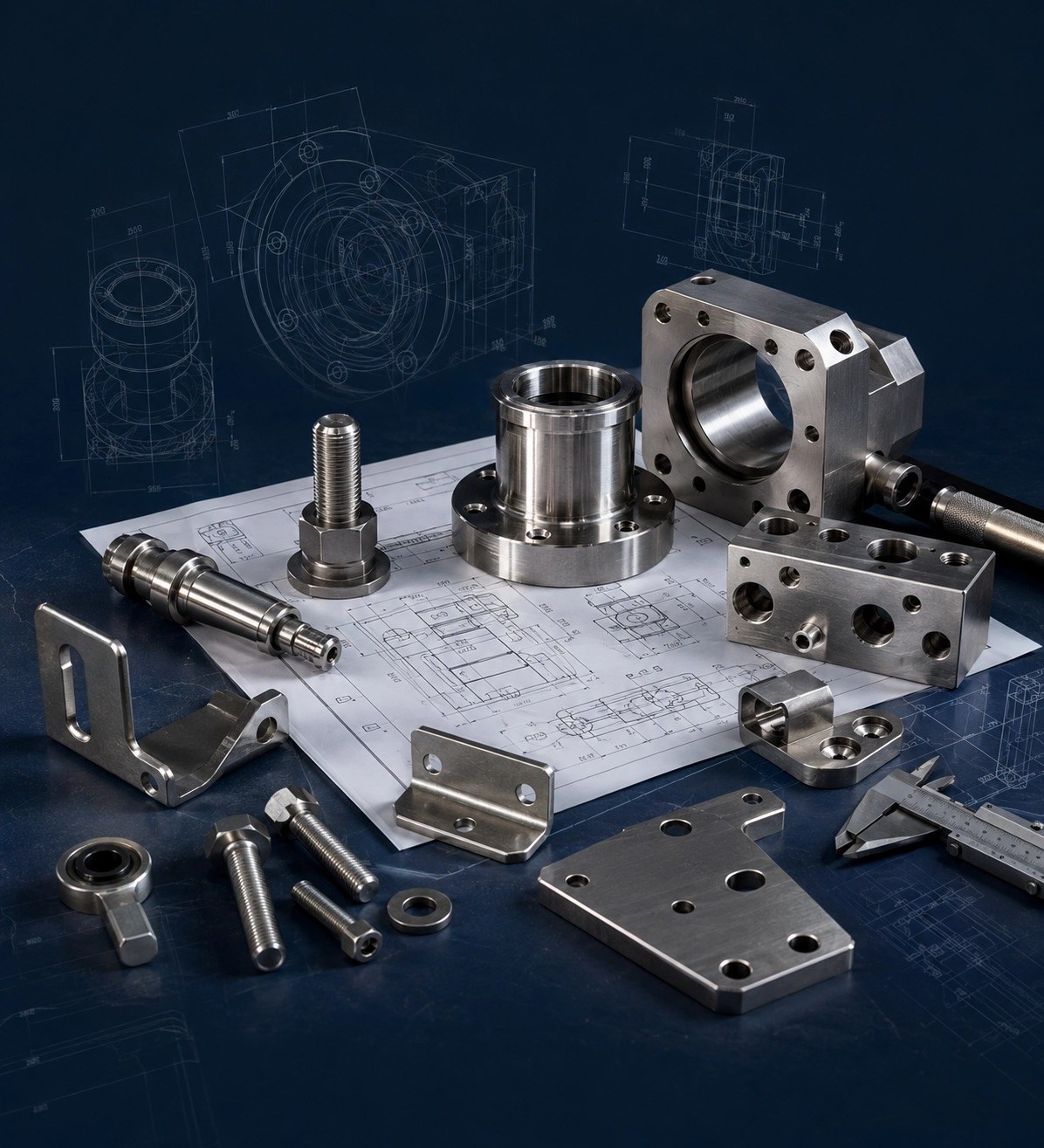
One of the most useful things to do with a prototype is assemble it with the other parts of the product.
A component is rarely used entirely on its own. It may connect to a shaft, fit inside a housing, support a bearing, or be secured with bolts and nuts. A small dimensional difference can affect the complete assembly even when the individual part appears acceptable.
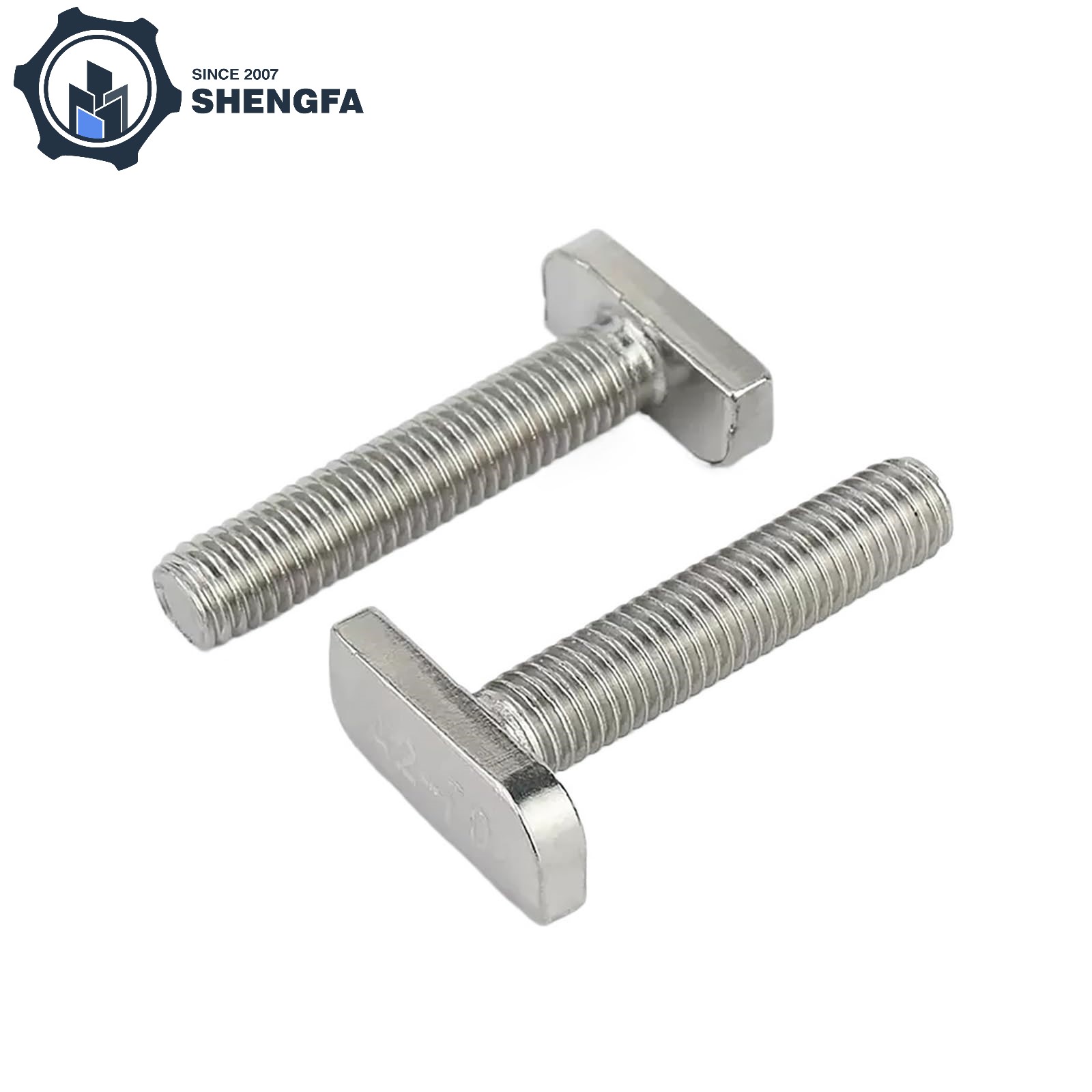
During prototype assembly, engineers can check hole alignment, thread engagement, clearances, contact surfaces, and installation access. They can also identify whether standard tools can be used to install or remove the component.
At Ningbo Shengfa Hardware, reviewing drawings and component requirements before production helps identify features that may need closer attention during manufacturing. This is especially relevant for custom components that must work together with parts supplied by other manufacturers.
Changes are a normal part of product development. The difficulty is not necessarily making a change, but making it at the wrong time.
If a design problem is found after the start of mass production, it may be necessary to modify the tooling, change the processing procedure, purchase new materials or hold finished product inventory to correct it. Depending on the component, this impact can be extended beyond the manufacturing sector.
Prototype testing provides an earlier opportunity to review the design. Engineers can make adjustments to dimensions, materials or manufacturing details while the project is still in the development stage.
It is also useful to keep records of prototype measurements and test results. These records provide a reference for the production of the first batch of products. If the behavior of producing parts is different from the prototype, then the engineering team has a clearer starting point to investigate the cause.
There is no single test that makes every metal component ready for mass production. The necessary validation depends on the product's function and the risks associated with failure.
For a relatively simple bracket, checking dimensions and confirming assembly fit may be sufficient. Load-bearing components may require mechanical testing. Parts used in corrosive environments may require appropriate surface protection evaluation. Parts with motion or fit characteristics may require repeated assembly or operational testing.
Buyers and engineers should agree on important acceptance criteria before approving production. These may include size requirements, material specifications, surface finish, mechanical properties and any required inspection documents.
Ningbo Shengfa Hardware cooperates with customers to customize metal manufacturing projects, involving CNC machining, investment casting, forging and other production processes. Clear drawings and prototype feedback help to establish a more practical manufacturing plan before larger orders begin.
Prototype testing takes additional time at the beginning of a project, but it can prevent much larger problems later. It gives the engineering team an opportunity to check whether the design works outside the computer model and whether the selected manufacturing process is suitable for the component.
For overseas buyers, sharing 2D drawings, 3D models, material requirements, and intended applications with a manufacturer is a useful starting point. If a prototype is required, the purpose of the test should also be explained clearly.
Ningbo Shengfa Hardware encourages customers to discuss prototype requirements before moving into regular production. A few carefully reviewed sample parts can provide valuable information and help both sides approach mass production with greater confidence.
-