A bolt installed outdoors may look almost the same as one used inside a machine, but the conditions it faces can be very different. Rain, humidity, road salt, chemicals, and temperature changes all influence how quickly a metal fastener deteriorates. A coating that performs well in a dry indoor environment may not provide enough protection near the sea or in an industrial facility.
For buyers sourcing bolts, nuts, screws, and other metal fasteners, choosing the right corrosion protection is therefore an important part of the purchasing process. The cheapest finish is not always the most economical option over the service life of the product. The real question is whether the selected material and coating can withstand the environment without affecting the fastener's dimensions or mechanical performance.
Before comparing surface treatments, it is worth understanding where the fastener will be used. An indoor electrical enclosure, an agricultural machine, and an outdoor steel structure do not face the same corrosion risks.
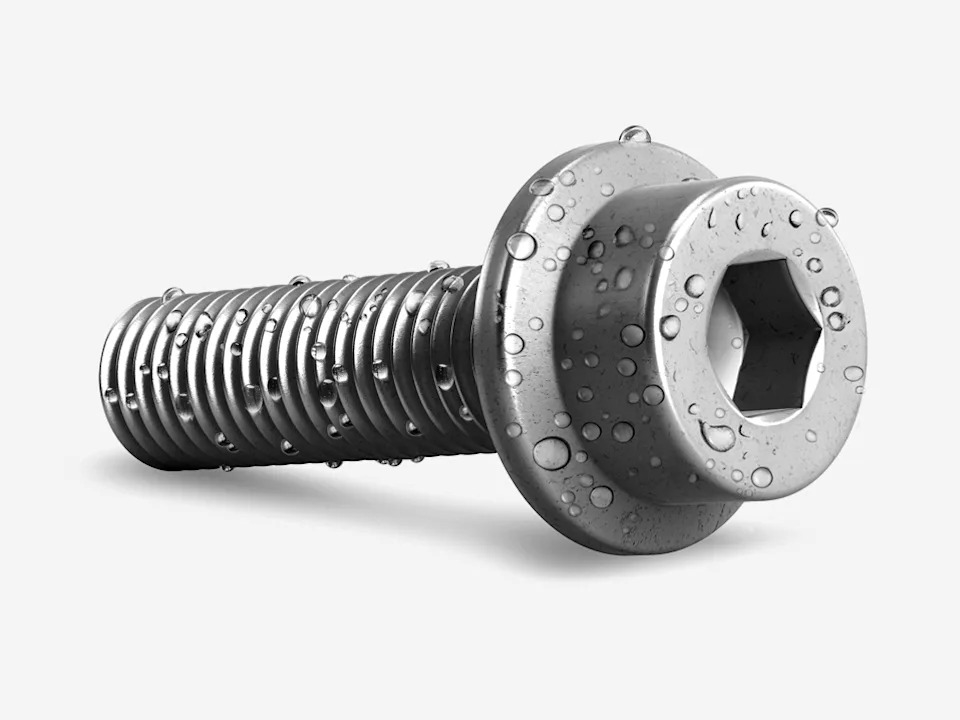
Moisture is an obvious factor, but it is not the only one. Salt can accelerate corrosion, while certain industrial chemicals may attack coatings that perform adequately in ordinary weather. Fasteners used in coastal areas often need more careful protection because salt deposits can remain on exposed surfaces for long periods.
The way a fastener is installed also matters. Water can collect around joints, under washers, or in narrow gaps where drying is difficult. Even a coating with good general corrosion resistance may struggle if the component design creates areas where moisture remains trapped.
A useful first step is to tell the manufacturer the actual application, rather than simply requesting a rust-resistant bolt. Information about outdoor exposure, humidity, chemical contact, and expected service life helps narrow down the available options.
Electrogalvanizing is commonly used on carbon steel fasteners. In this process, a thin layer of zinc is deposited on the metal surface. Zinc provides sacrificial protection. When the coating is destroyed under certain conditions, it can preferentially corrode and help to protect the underlying steel.
This finish is often selected for indoor equipment, general machinery, furniture hardware and other applications where corrosion exposure is relatively moderate. According to different specifications, different passivation treatment and appearance can be used.
However, galvanizing should not be handled automatically to suit every outdoor application. Its performance depends on the coating thickness, passivation, exposure conditions and the quality of finishing process. The purchaser should specify the desired coating system and corrosion test expectations, rather than relying on general descriptions such as ' galvanized '.
Thread size is also worthy of attention. The coating adds material to the surface, which affects the fit between the bolts and nuts, especially when tolerances are already tight.
Hot-dip galvanizing is another option for steel fasteners, especially where thicker zinc protection is required. The fasteners are immersed in molten zinc, producing a metallurgically bonded coating.
This method is widely used in outdoor structures, construction, infrastructure, and certain industrial applications. The thicker coating can provide longer-lasting protection than many conventional thin zinc finishes, although actual performance still depends on the environment and coating specification.
There is a practical detail that buyers should not overlook: hot-dip galvanized fasteners generally need suitable thread allowances and compatible nuts. The coating thickness can affect assembly, so bolts and nuts should be specified as a matching system rather than selected independently.
For small precision fasteners, this process may not always be the most convenient choice. The component's dimensions, thread requirements, and production quantity should be reviewed before deciding on the treatment.
Zinc flake coatings are used in applications where corrosion protection and controlled coating thickness are both important. These coatings typically contain zinc and aluminum flakes in a binder system and are applied through a controlled coating process.
They are found in automotive components, construction fasteners, and other products that require specified corrosion performance. Some systems are designed to reduce the risk of hydrogen embrittlement associated with certain electroplating processes, which can be an important consideration for high-strength fasteners.
That does not mean every zinc flake system is automatically suitable for every bolt. Coating composition, curing conditions, friction characteristics, and the applicable technical specification all matter. If the fastener is used in a critical connection, the coating should be selected and validated for that particular application.
Some buyers assume that stainless steel fasteners eliminate corrosion concerns. Stainless steel can provide excellent corrosion resistance in many environments, but its grade must match the conditions.
Different grades of stainless steel have different resistance to chlorides, chemicals and other corrosive substances. For environments with long-term exposure to seawater or certain industrial chemicals, a grade suitable for general outdoor use may not be the right choice.
Stainless steel fasteners can also experience galling during tightening, especially when the thread is used under certain friction and load conditions. Correct material selection, lubrication and installation methods may be required.
In addition, stainless steel and carbon steel can form a galvanic couple when electrically connected in the presence of an electrolyte. The surrounding materials and joint design should therefore be considered together.
Corrosion protection should never be selected independently of mechanical requirements. High-strength bolts, for example, need careful consideration when choosing electroplated coatings because certain processes can introduce hydrogen into the steel and increase the risk of hydrogen embrittlement.
For key fasteners, the applicable specifications may require additional precautions, process control or testing. The purchaser should communicate the strength grade, thread specification, installation requirements and any relevant industry standards before production.
At Ningbo Shengfa Hardware, the discussion of fastener materials, coating requirements and application conditions is helpful to establish more suitable manufacturing specifications. This is particularly important when the project involves high-strength bolts or components with strict thread tolerance requirements.
A quotation request should identify more than the desired coating color. Buyers should specify the base material, fastener strength grade, coating type, applicable standard, required thickness where relevant, and corrosion test requirements.
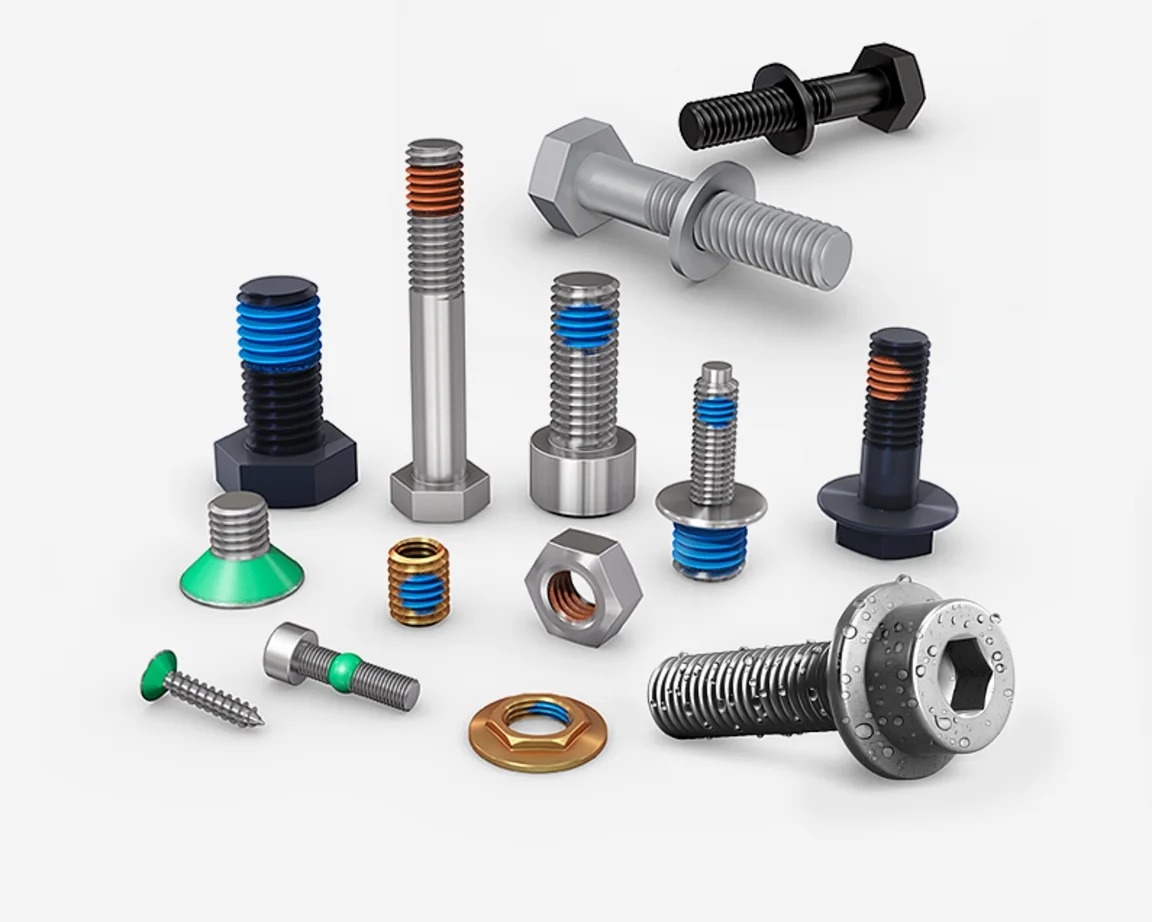
Salt spray testing is commonly used to evaluate coating performance under controlled conditions, but the test result should not be interpreted as a direct prediction of service life in the field. Real operating conditions can be quite different from a laboratory test.
It is also helpful to clarify whether the requirement applies to the fastener itself, the assembled bolt-and-nut set, or both. Packaging and storage conditions should be considered as well, since moisture during transportation or storage can affect finished products.
The right corrosion protection is ultimately a balance between cost, service conditions, mechanical performance, and assembly requirements. Ningbo Shengfa Hardware works with customers on metal fastener and component requirements, including material and surface treatment considerations. Providing the application details at the quotation stage makes it easier to discuss a practical solution.
A well-chosen coating may add some cost to a fastener, but it can help reduce premature replacement, maintenance work, and unexpected problems after installation. Ningbo Shengfa Hardware encourages buyers to define corrosion requirements before ordering rather than treating surface protection as a last-minute finishing decision.
-