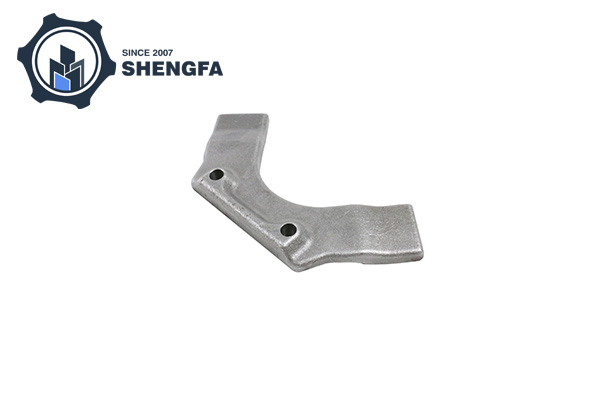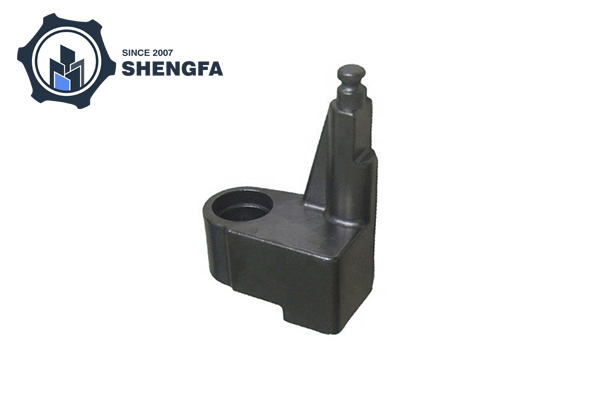
Investment casting is often selected as metal components with complex shapes, curved surfaces, internal features or details, and these metal components are difficult to produce by conventional machining. This process allows the part to be close to its final size, reducing material waste and the amount of processing required. However, the near-network structure does not mean that each surface is ready for immediate assembly. Many investment casting parts still need to be numerically controlled in the selected area, such as mounting surface, bearing seat, threaded hole, precision positioning surface and so on.
A detail worth paying attention to in the early design stage is the machining allowance. It refers to the excess material left intentionally on the casting so that subsequent machining can produce the required size and surface finish. While this additional inventory may seem like a small design consideration, selecting the wrong allowance can lead to unnecessary costs, size issues, and even rejected parts.
Investment castings are formed through a process involving wax patterns, ceramic shells, molten metal, and solidification. Even when the process is well controlled, the final casting can show dimensional variation caused by metal shrinkage, shell behavior, cooling conditions, and the geometry of the component. The casting surface may also contain small irregularities that need to be removed from functional areas.
Machining allowance provides a practical margin for correcting these variations. For example, a cast housing may require a flat mounting surface that must sit accurately against another component. Leaving enough material on that face allows a CNC milling operation to remove surface irregularities and establish the final datum. Without sufficient stock, the cutting tool may not clean up the entire surface, leaving areas that remain below the required machining depth.
The allowance is not necessarily the same across the entire component. A mounting face, a hole that needs boring, and a non-functional outer surface have different requirements. Applying one large allowance everywhere can increase machining time and material removal without improving performance.

Too little machining allowance is usually the more obvious problem. If a casting arrives with insufficient material on a critical surface, the machinist may be unable to achieve the drawing dimension. This can happen when the casting has shifted slightly during production or when local shrinkage changes the position of a surface. In some cases, the component cannot be recovered through additional machining and must be scrapped.
Excessive allowance creates a different set of problems. More blanks mean longer cutting time, higher tool consumption and additional material removal. For large orders, an additional few minutes of processing time per part can be a meaningful production cost. Removing a large amount of material may also expose internal pores or inclusions that are not visible on the surface of the original casting.
Another consideration : non-uniform material removal will affect dimensional stability. When there is residual stress in the casting, processing the material from one side may cause the part to move slightly. This is particularly relevant for thin-walled, long-section or asymmetric structural members. The result may be a part that meets its size immediately after rough machining, but offsets during finishing.
Therefore, the choice of machining allowance should be based on the geometry of the casting, materials, production methods and final tolerance requirements, rather than simply by adding additional blanks to prevent.
Part geometry is one of the first things engineers should review. A thick, compact component generally behaves differently from a long, thin-walled casting. Sections with uneven thickness may cool at different rates, creating local dimensional changes. Areas around ribs, bosses, and transitions between thick and thin sections may therefore require closer attention.
The choice of materials is also important. Different alloys have different solidification and shrinkage characteristics, and their machinability affects the difficulty of removing excess billets. For example, stainless steel investment casting may require different cutting conditions and tool selections than carbon steel or aluminum components.
At the same time, it is necessary to consider the scheduled processing operation. Flat end milling, drilling, and precision inner diameter boring do not remove materials in the same way. Engineers should determine which surfaces are functional, how they are positioned during machining, and what final tolerances are required. Clear drawings that mark the machined surface and the benchmark reference help the casting supplier and the processing team work from the same expectations.
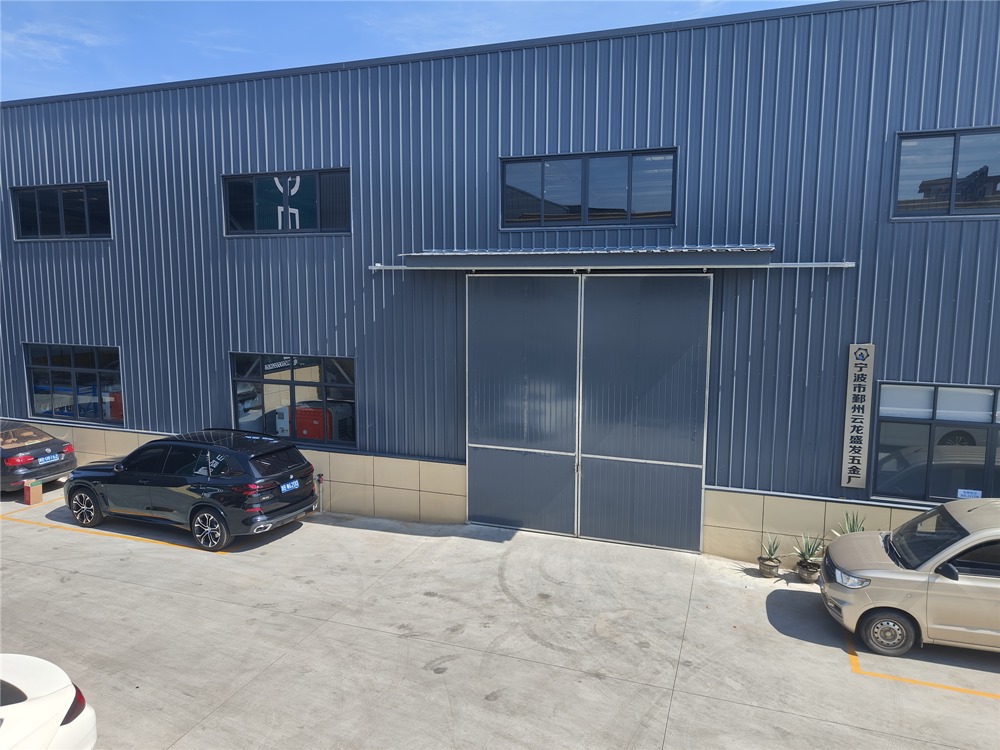
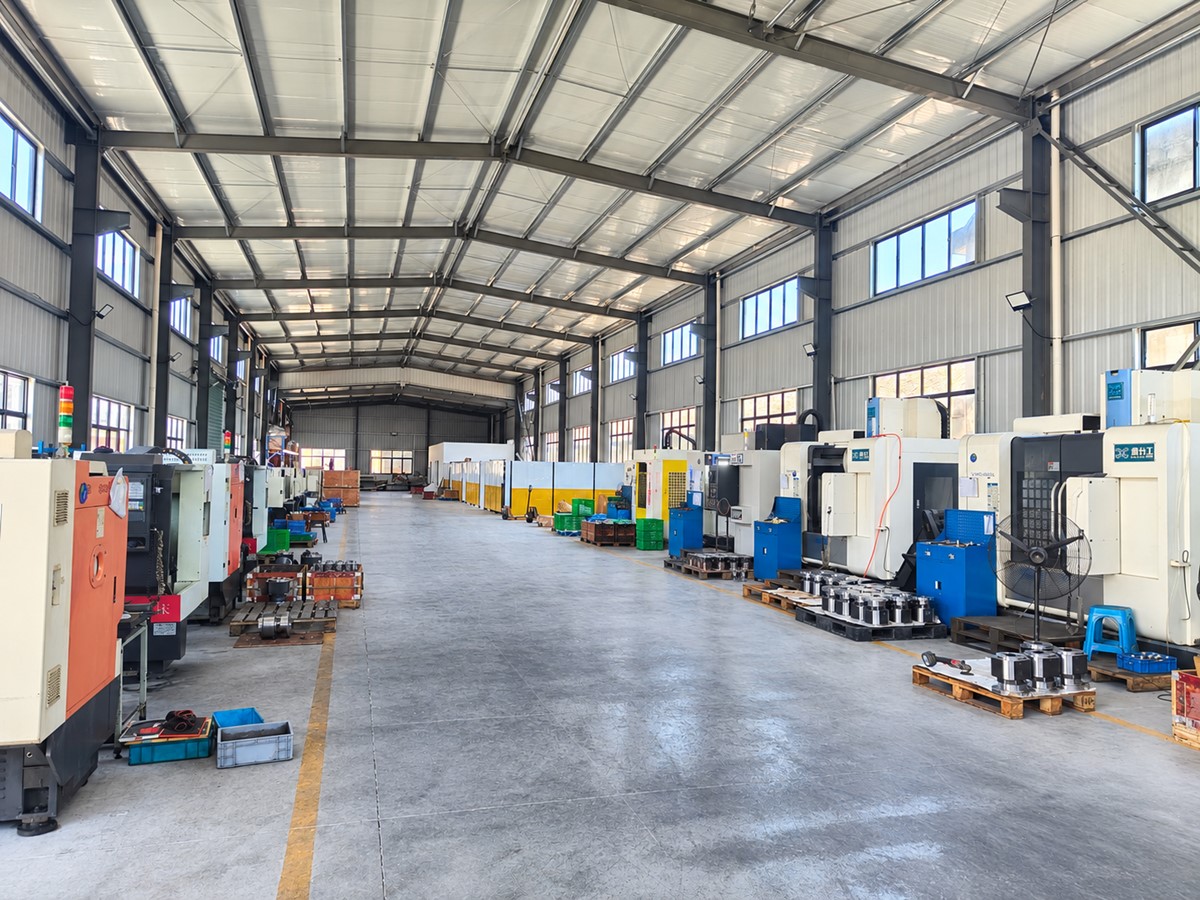
Ningbo Shengfa Hardware Factory combines investment casting and CNC machining when developing customized metal components. This coordination helps to reduce the risk of producing a casting that seems acceptable but cannot be reliably processed to the customer 's drawings.
A common mistake is to finalize the casting design first and discuss machining only after samples have been produced. This can create avoidable problems. A surface that appears easy to machine in a three-dimensional model may be difficult to locate or clamp in an actual CNC setup. A hole may need to be cast undersized and drilled later, while another feature may be better formed close to its final shape.
It is useful to review the complete manufacturing route before tooling is made. The review should cover casting orientation, likely shrinkage areas, machining datums, clamping positions, tool access, and the amount of stock needed on each functional surface. For more demanding components, a first-article inspection can confirm whether the selected allowance is sufficient before larger production quantities begin.
The machining sequence also deserves attention. Rough machining may remove most of the excess material, followed by a short stabilization period or another operation before finishing. Whether this is necessary depends on the component's shape, material, and dimensional requirements. It should be decided through engineering review and trial results, not assumed for every casting.
Machining allowance may not be the most visible feature on an investment casting drawing, but it influences both manufacturability and final part quality. Too little stock can make a component impossible to finish; too much can increase machining cost and create additional risks. The best result comes from balancing casting capability with the actual needs of the finished component.
For overseas buyers sourcing custom cast metal parts, it is worth specifying critical machined surfaces, datum requirements, final tolerances, and surface finish expectations when requesting a quotation. Sharing a complete drawing and discussing the machining route early can help avoid misunderstandings after the first samples arrive.
Ningbo Shengfa Hardware works with investment casting and CNC machining for custom metal components, where the relationship between the initial casting and the final machined part is an important part of production planning. By reviewing machining allowance before production starts, manufacturers and buyers can make better decisions about cost, process stability, and dimensional performance.
A good investment casting is not simply one that comes out of the mold close to the required shape. It is one that provides a reliable starting point for every operation that follows.
-